Nylon Fiber Tops Hollow for Textile Processing and Fiber Filling
Nylon fiber tops hollow are used by buyers who need a light, resilient, and process-ready fiber feedstock instead of a finished textile. In spinning rooms, filling lines, and nonwoven workshops, the main problem is often the same: a material must move cleanly through production while still delivering loft, bulk, and a stable hand-feel in the final product. This Nylon 6 staple fiber format is made to address that need, combining a hollow structure with a bundled top form that supports downstream opening, blending, crimping, or stuffing applications.
Product Overview
This product is a white Nylon 6 synthetic fiber tops bundle, presented in a rolled, fibrous form. The visible structure shows many fine hollow fibers, which helps explain why buyers in textile and filling markets look for this type of raw material. It is not a consumer textile item; it is a processing material intended for later conversion. Based on the visible information, the product includes two shown specifications: 7D × 130 mm hollow crimped fiber and 17D × 98 mm uncrimped angola type fiber. The image suggests a mix of crimped and uncrimped variants, though the exact ratio is not confirmed.
What the hollow structure can support
Hollow fiber architecture is often chosen when bulk, softness, and a fuller profile matter more than sheer weight. In practical use, hollow nylon fiber tops can help create airy filling materials, improved loft in bedding or cushions, and a more open structure for blending with other fibers. For processors, the bundled top format also helps simplify handling before carding, drawing, cutting, or opening.
Key Specifications and Visible Capabilities
From the supplied product information and image, the verifiable details are straightforward: Nylon 6 material, white color, soft matte appearance, and staple-fiber top form. The fiber types shown include 7D × 130 mm hollow crimped fiber and 17D × 98 mm uncrimped angola type. The bundle is packed in a cylindrical roll with loose outer fibers visible, which is typical of a feedstock designed for textile preparation rather than a finished decorative product.
Buyer-relevant capabilities
For buyers evaluating nylon hollow fiber tops, the most useful questions are usually about processability, bulk, and consistency. Hollow nylon fiber tops may be selected when a project needs volume without excessive weight. Crimped fibers can support spring and recovery in filling applications, while uncrimped fibers may be chosen for particular blending or spinning routes. Since the exact use case is not stated, it is best to treat this product as a versatile Nylon 6 raw fiber material suitable for further conversion.
Materials and Finish Options
The visible material is Nylon 6, a common polyamide used in fiber manufacturing. The finish appears white and matte, with a clean fibrous surface. No coated, dyed, or heat-treated finish is shown in the image. If a buyer needs a different hand-feel, color, denier, cut length, or crimp profile, those details should be confirmed during inquiry rather than assumed.
Fiber construction options to discuss with the supplier
When ordering nylon fiber top material, buyers often compare denier, cut length, hollow ratio, crimp level, and whether the product should be supplied in a more open or compact top form. Those choices influence how the fiber behaves in opening, carding, stuffing, and final end-use performance. For hollow fiber tops for textiles, it is especially important to align the fiber build with the production equipment that will handle it next.
Manufacturing Process
The likely manufacturing route is synthetic fiber extrusion followed by staple cutting and, for part of the product, hollow fiber formation and crimping. In a nylon fiber production line, polymer is melted, extruded through spinnerets, cooled, drawn, and then cut into staple lengths. Crimp may be added to improve cohesion and loft. The top format suggests the fibers are prepared into a manageable bundle for downstream textile processing.
Application Scenarios
Potential applications include pillow and cushion filling, bedding fill, plush and toy stuffing, upholstery support layers, blending with other textile fibers, and nonwoven production. Some buyers may also evaluate nylon top fiber fabric production routes, where the fiber is opened and converted into yarn or web structures. Because the image does not confirm a single final application, the safest description is that this material fits a range of fiber-processing and filling uses where bulk and handling matter.
Quality Control and Buyer Decision Factors
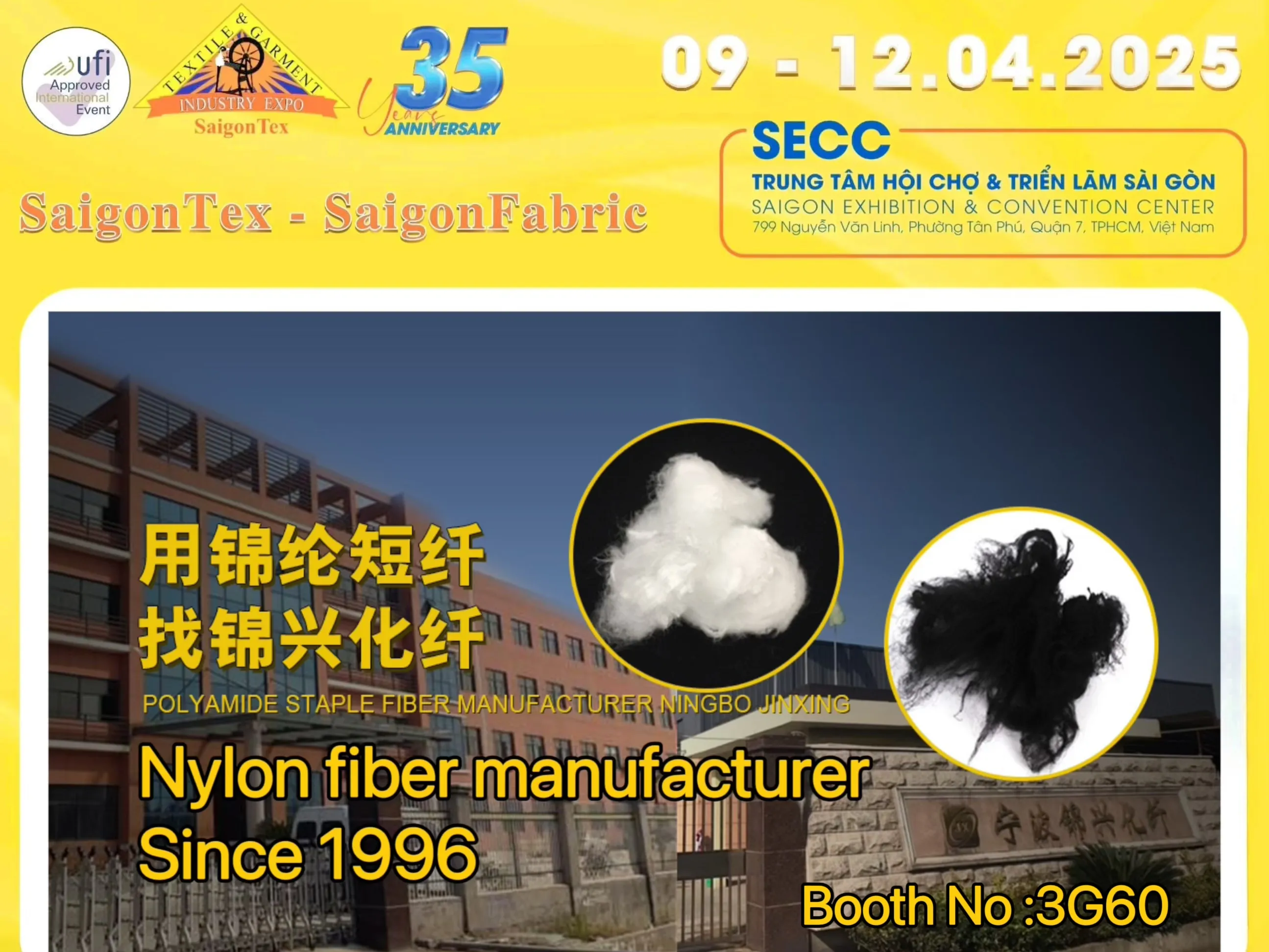
Ningbo Sinopec Fiber Co., Ltd., founded in 1996, focuses on nylon fiber manufacturing and operates with a sizeable production base and engineering support. For a buyer, the practical decision factors are still the same: stable supply, consistent fiber geometry, clean fiber appearance, and fit with the intended equipment. Daily output, plant scale, and engineering resources can matter when planning repeat orders or long-term production, especially for industrial buyers who depend on uninterrupted fiber supply.
What to confirm before placing an order
Before purchasing hollow nylon fiber tops, confirm the exact denier, cut length, hollow percentage if needed, crimp type, packing method, and whether the product is intended for spinning, filling, or nonwoven conversion. If your process depends on a certain loft or opening behavior, ask for sample verification. If the “angola type” notation is important to your line, request clarification from the supplier so the specification is understood correctly.
Customization Guidance
Customization is often the difference between a usable fiber and a difficult one. Buyers can typically request adjustments in fiber length, denier, hollow structure, crimp level, and blending style, depending on the supplier’s capabilities. If your line needs a softer fill, a more elastic bulk, or a more stable spinning feed, share the target end use and machine type during inquiry. That helps the supplier align the nylon fiber top material with your production requirements instead of supplying a generic grade.
Request Technical Support and Sampling
If you are sourcing nylon fiber tops hollow for textile or filling applications, send your target application, preferred fiber specification, and any processing constraints to the supplier. A clear inquiry helps narrow the right Nylon 6 construction and avoids mismatches in loft, cut length, or handling behavior. For long-term partnerships, Ningbo Sinopec Fiber Co., Ltd. is positioned as a nylon fiber manufacturer with the production scale and engineering support to discuss repeat supply and customized fiber requirements.