1/9NM polyester yarn for textile production
Choosing 1/9NM polyester yarn is often about solving two practical sourcing problems at once: keeping yarn supply consistent and finding a color range that can move from sampling to production without delays. For knitwear, woven fabrics, craft items, and accessory development, buyers usually need a yarn that is stable to stock, easy to order in workable quantities, and flexible enough to support multiple end uses. This 100% polyester yarn, shown in cones and balls, fits that kind of procurement need with ready-to-ship stock, multiple color options, and OEM/ODM support.
Product overview
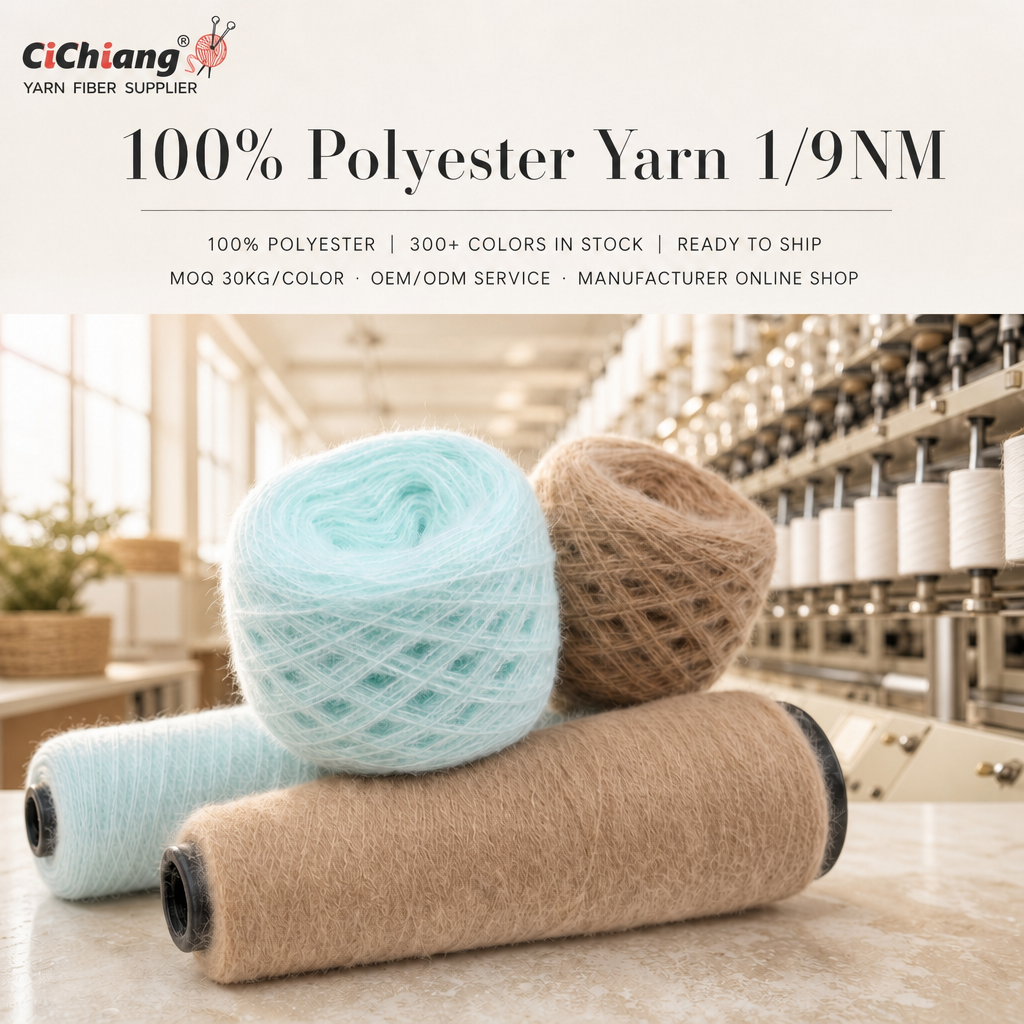
This product is a 100% polyester yarn marked as 1/9NM. The visible form includes yarn cones with black plastic core ends and wound balls in several colors, including light blue, tan, and brown. The texture appears soft, fine, and slightly fuzzy rather than highly glossy. That visual character suggests a yarn that may be suitable where surface feel and color presentation matter, but hidden performance details such as tensile strength, shrinkage, twist level, or finishing treatment are not shown and should be confirmed before production use.
For buyers searching for a 1/9NM polyester yarn supplier or a 1/9NM polyester yarn manufacturer, the practical value is in the balance of stock availability, color choice, and order flexibility. The listed MOQ of 30 kg per color and the claim of 300+ colors in stock can help reduce sampling delays and make small-to-medium production runs easier to plan.
Key specifications and capabilities
Core visible information
Based on the supplied product data, the clearest specification is the yarn count: 1/9NM. The yarn is made of 100% polyester, and it is presented in both cone and ball form. These are useful packaging formats for different stages of textile work, from machine feeding to hand-use sampling.
What buyers should verify
Some technical details are not visible and should be checked during inquiry: yarn construction, whether it is filament or staple, twist direction, exact denier, hand feel by lot, and color fastness requirements. A serious sourcing review should also confirm package size, batch consistency, and whether the yarn is intended mainly for knitting, weaving, crochet, or broader textile processing.
Materials and finish options
The product is offered in polyester, which is widely used in textile supply because it supports repeatable production and versatile end use. The visible finish appears slightly textured, with a softer look than a smooth filament-style yarn. That kind of surface may be useful for styles that need a fuller appearance or a more tactile hand.
Color variety is a clear feature here. The visible examples show light blue, tan, and brown, while the supplier indicates 300+ colors in stock. For a buyer working on fabric development or accessory collections, this kind of palette can simplify shade selection and make the 1/9NM polyester yarn wholesale process more efficient.
Manufacturing and supply model
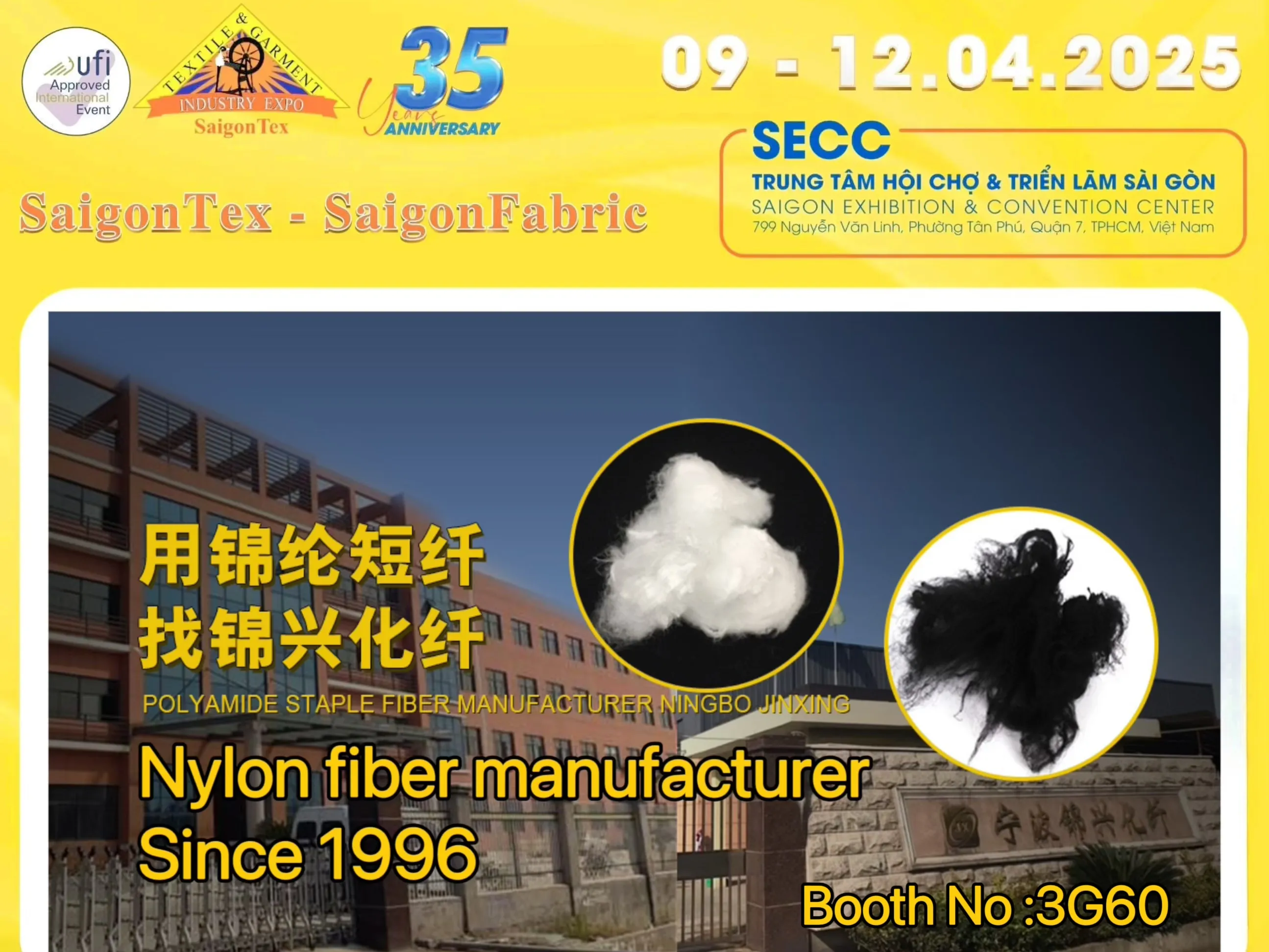
The company behind this product, Ningbo Sinopec Fiber Co., Ltd., was founded in 1996 and has broad fiber manufacturing experience. Although the company profile highlights nylon fiber production, the product page also presents polyester yarn supply with OEM/ODM service and an online shop model. For buyers, that points to a supplier structure that can support quotation, color selection, packaging planning, and long-term sourcing discussions.
In a textile supply chain, yarn preparation typically includes fiber selection, yarn formation, winding, dyeing or color preparation, cone or ball packaging, and lot inspection before shipment. Exact process details for this item were not provided, so buyers should ask for production route confirmation if the yarn is intended for a critical end use.
Typical application scenarios
1/9NM polyester yarn for knitting can be considered for sample development, knitwear components, and general textile prototyping where a manageable yarn count is needed. It may also suit 1/9NM polyester yarn for weaving when the project requires yarn consistency across repeated runs. For craft channels, 1/9NM polyester yarn for crochet can be relevant for accessories, decorative items, and small-batch handmade goods.
Other practical uses may include garment and accessory manufacturing, lab dips and shade matching, woven fabric trials, and hobby-oriented projects. Because the product is available in cones and balls, it can serve both industrial and smaller-scale workflows.
Quality control and buyer checks
When evaluating any polyester yarn, the most useful checks are straightforward: compare shade across lots, inspect winding quality, review package integrity, and run a trial on the actual machine or hand process you plan to use. If the yarn will be used for weaving or knitting, buyers should confirm whether the texture feeds smoothly and whether the surface appearance stays uniform after handling.
Since no exact certification status or lab data has been supplied, it is best to request the documents or test information that matter to your market before confirming a large order.
Customization guidance and ordering factors
OEM/ODM support can be valuable when you need shade matching, packaging changes, or a specific inventory plan. For this product, the main ordering advantages are the low MOQ of 30 kg per color, the stock color range, and the ability to source from a 1/9NM polyester yarn wholesale program rather than waiting for a fully custom production run.
Before placing an order, compare these factors: target end use, desired texture, cone or ball packaging, color stability across lots, minimum order size, and delivery timing. If you are developing a product line, ask for sample cones first, then verify how the yarn performs in your actual process.
Contact for supply and partnership
If you are looking for a dependable 1/9NM polyester yarn supplier for sampling, production planning, or ongoing replenishment, Ningbo Sinopec Fiber Co., Ltd. can be contacted for product details and partnership discussion. Share your color target, package preference, and application requirements so the supplier can recommend the most suitable stock or OEM/ODM option for your project.