Core Spun Yarn for Consistent Textile Production
Core spun yarn is used when buyers need a yarn that can bridge comfort, strength, and reliable processing in one supply route. For mills and brands working on knitting, weaving, sewing, or other textile conversion lines, the challenge is often finding a yarn that runs smoothly, matches color requirements, and can be sourced in repeatable batches. This core spun yarn is presented as a factory supply item with visible stock information, sample availability, and OEM/ODM support, making it a practical option for production teams that want fewer interruptions on the floor.
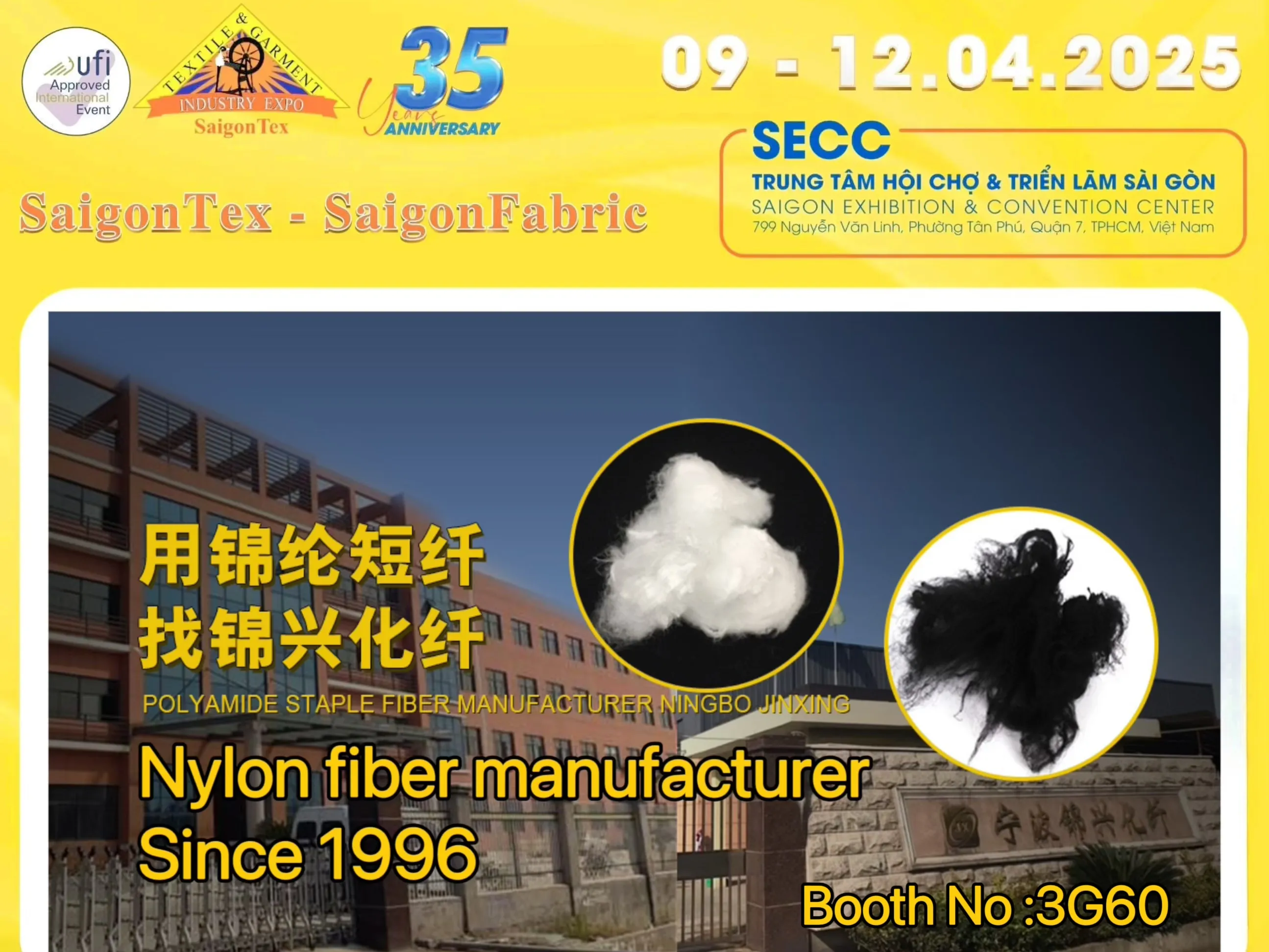
Ningbo Sinopec Fiber Co., Ltd., founded in 1996, operates as a nylon fiber manufacturer with a 50,000 square meter factory site and 20,000 square meters of production space. The company reports a daily output of 100-150 tons and employs a technical team including 20 engineers. While the company’s primary fiber business centers on PA6 and PA66 polyamide nylon fibers, the yarn offering shown here fits into a broader textile supply context where stable sourcing and manufacturing support matter.
Product Overview
The product shown is a bright yellow core spun yarn wound onto a large cone, with a smaller sample cone also visible. The label information indicates a composition of 50% viscose, 28% nylon, and 22% PBT. That blend suggests a yarn intended for textile processing where a balance of handle, resilience, and structural stability is useful. The visible yarn count notations include 28S/2 and 48Nm/2, which are important reference points for buyers evaluating compatibility with existing machinery and fabric development plans.
Because the image does not show the internal spinning construction in detail, exact core/sheath arrangement, twist level, and performance values should be confirmed during inquiry. Even so, the listed composition and count data give buyers a solid starting point for development, sampling, and procurement.
Key Specifications and Supply Capabilities
Visible Supply Data
According to the provided information, this product line offers 400 colors in stock, a minimum order quantity of 30 kg, free samples, and OEM/ODM service. Those points matter for both small development orders and larger repeat programs. A stocked color range can shorten sourcing cycles, while sample support helps mills test hand feel, yarn behavior, and process compatibility before committing to volume.
Yarn Count and Handling Reference
The 28S/2 and 48Nm/2 references indicate two-ply style notation and provide a practical guide for knitting gauge selection, weaving setup, or accessory construction. Buyers should still confirm final machine settings, since tension, package behavior, and fabric appearance can shift depending on the downstream process.
Materials and Finish Options
This yarn is described with a three-component blend: 50% viscose, 28% nylon, and 22% PBT. Each fiber contributes a different property profile. Viscose is commonly associated with softness and textile drape, nylon with durability and processing strength, and PBT with recovery-oriented performance characteristics. The exact look and touch of the finished yarn will depend on the final spinning and finishing conditions.
The visible finish is a solid bright yellow with a matte textile surface and no obvious coating or sheen. For buyers developing fashion textiles, home textile fabrics, or accessories, color consistency and surface appearance are often as important as raw material content. If a different shade, luster level, or package format is required, these should be discussed during sampling.
Manufacturing and Supply Process
In a factory setting, core spun yarn production typically involves controlled fiber preparation, spinning, winding, and package inspection before shipment. The cone form shown here is suitable for downstream textile operations because it helps maintain orderly unwinding. As a manufacturer and supplier, the practical value lies not only in the yarn itself but also in the ability to provide repeatable packages, sample cones, and custom color support.
For buyers comparing a core spun yarn manufacturer against a trading-only source, the deciding factor is often process control. A factory-backed supply chain can simplify communication about composition, color matching, and lot consistency. That can be especially useful when a line must stay stable across multiple production runs.
Application Scenarios
This core spun yarn may be used in apparel knitting, fashion textiles, accessories, home textile fabrics, and other yarn-consuming manufacturing lines. The bright yellow color makes it suitable for visible design elements, seasonal collections, or development swatches where color impact matters. Because the exact end-use suitability is not fully specified, buyers should verify whether the yarn meets the needs of their intended fabric structure, garment type, or processing route.
Quality Control and Buyer Checks
When evaluating core spun yarn wholesale options, buyers usually look at color consistency, package stability, yarn count accuracy, and lot repeatability. For this product, the most useful next steps are to request samples, confirm the batch-to-batch color target, and review the process requirements on the intended machine. It is also wise to ask for composition confirmation, package details, and any available technical documentation before releasing purchase orders.
Since exact tolerances, fastness ratings, and test results are not provided here, those figures should not be assumed. A careful buyer will treat the sample stage as the point where appearance, handling, and production behavior are verified.
Customization Guidance
If your program needs a different color, a specific count, or a revised package format, the OEM/ODM service described in the supplied data is the place to start. A core spun yarn supplier can often support development through color matching, sample production, and order planning around your target quantity. For brands and mills, that flexibility is valuable when launching new fabric concepts or aligning yarn supply with a seasonal schedule.
Buyers seeking polyester core spun yarn or cotton core spun yarn alternatives should compare the provided blend carefully, since this product is specifically described with viscose, nylon, and PBT rather than those other fiber combinations. Matching the yarn to the final product requirement is more effective than choosing by name alone.
Why Buyers Consider This Yarn
The appeal of this core spun yarn is straightforward: visible stock, sample support, multiple color options, and manufacturer-backed supply in a format that is ready for textile processing. For sourcing teams, that combination can reduce development friction and make pilot runs easier to manage. For purchasing managers, the 30 kg MOQ is useful when testing new colors or products without overcommitting inventory.
Request a Sample or Quote
If you are comparing a core spun yarn factory for your next textile order, send your target count, color reference, and application details. Ningbo Sinopec Fiber Co., Ltd. can support inquiries for samples, OEM/ODM projects, and long-term supply discussions. Share your production needs, and ask for the yarn data that matters most to your line.