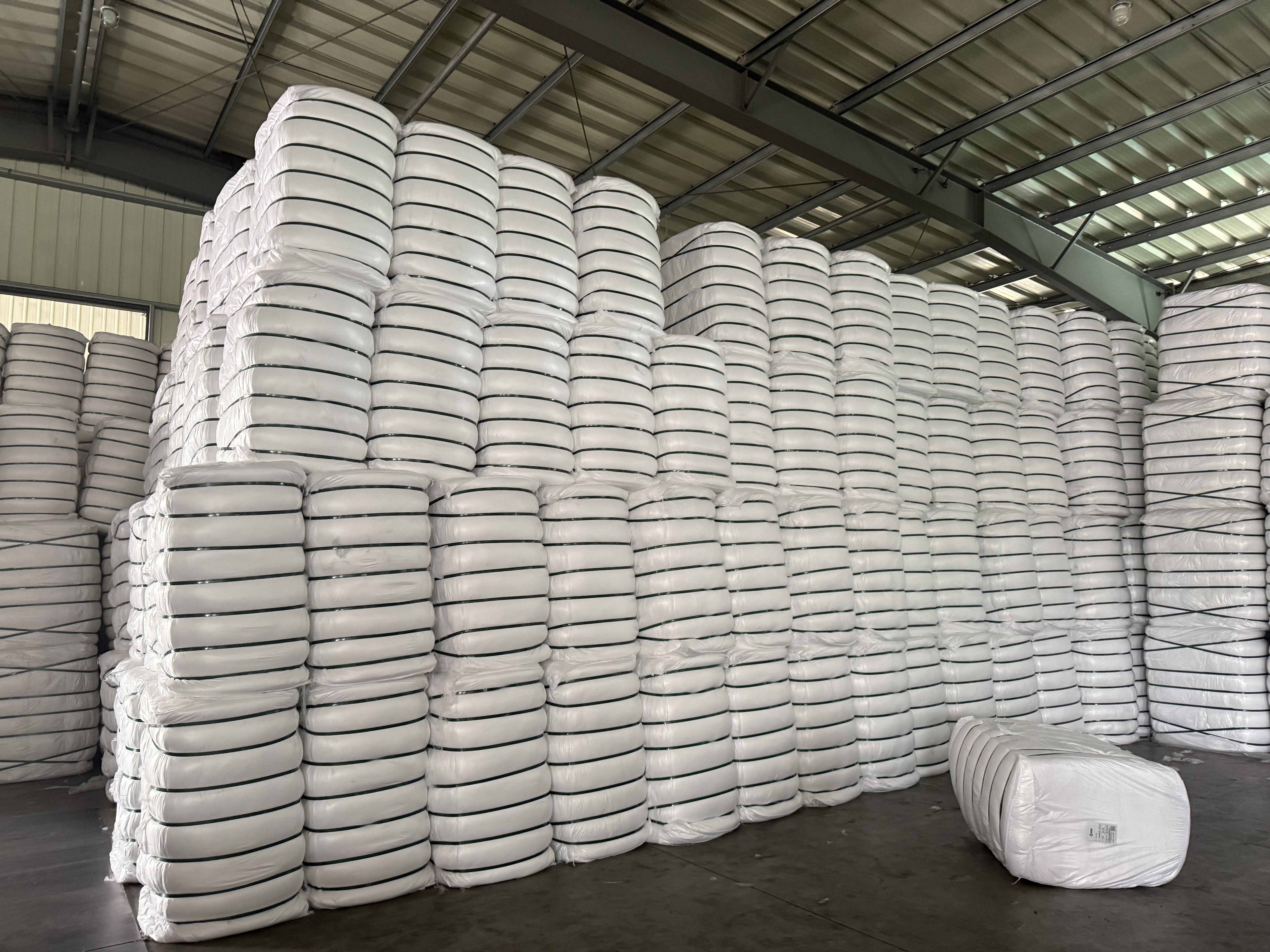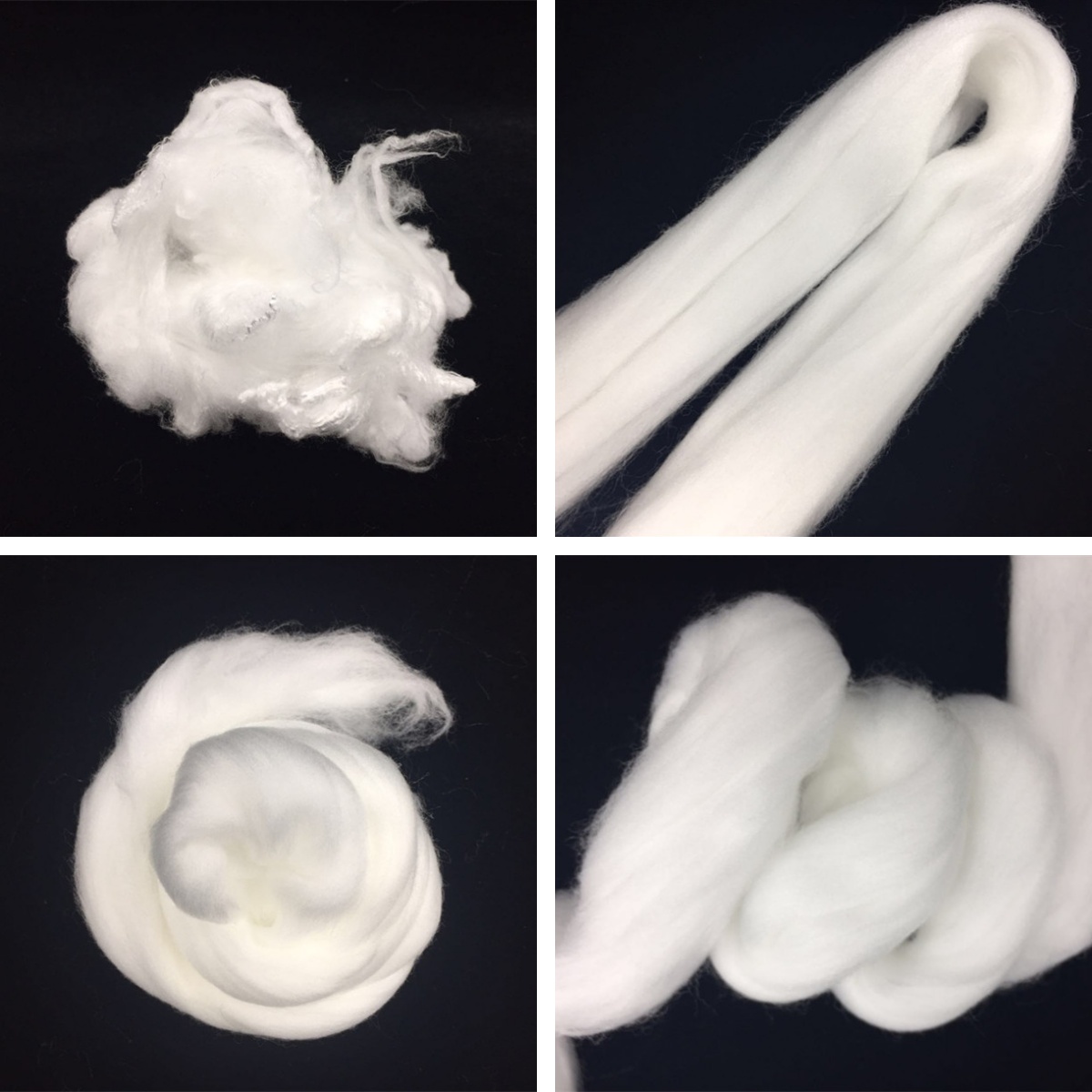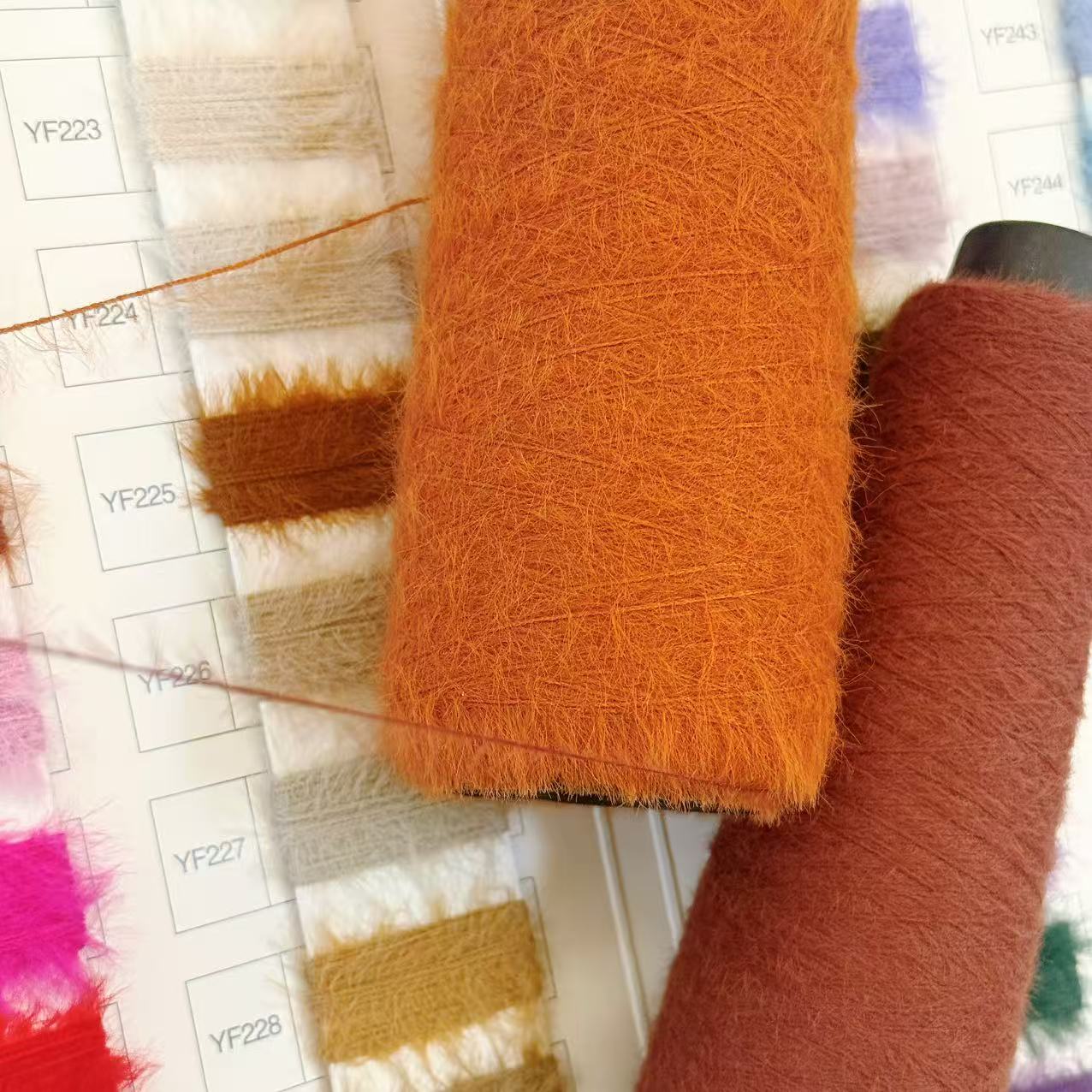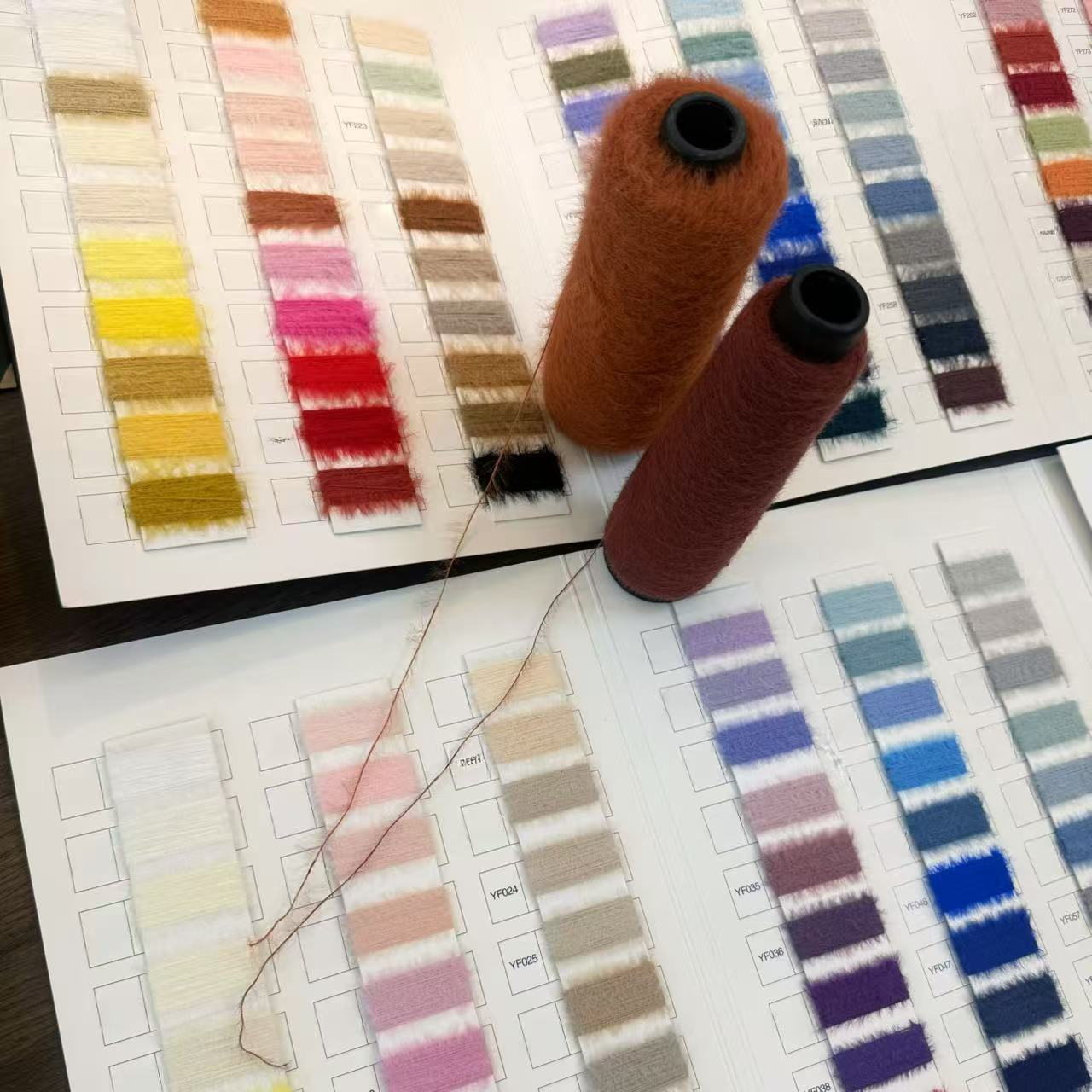
The world of material science is constantly evolving, with innovations that redefine performance, aesthetics, and sustainability. A key player in this revolution is the water-soluble fiber, a remarkable material engineered to dissolve in water under specific conditions. This unique property is not just a novelty; it is a gateway to creating advanced textiles and composites with unparalleled characteristics, from ultra-soft luxury fabrics to high-performance industrial components. As industries move towards more efficient and eco-conscious manufacturing, the role of these intelligent fibers becomes increasingly critical.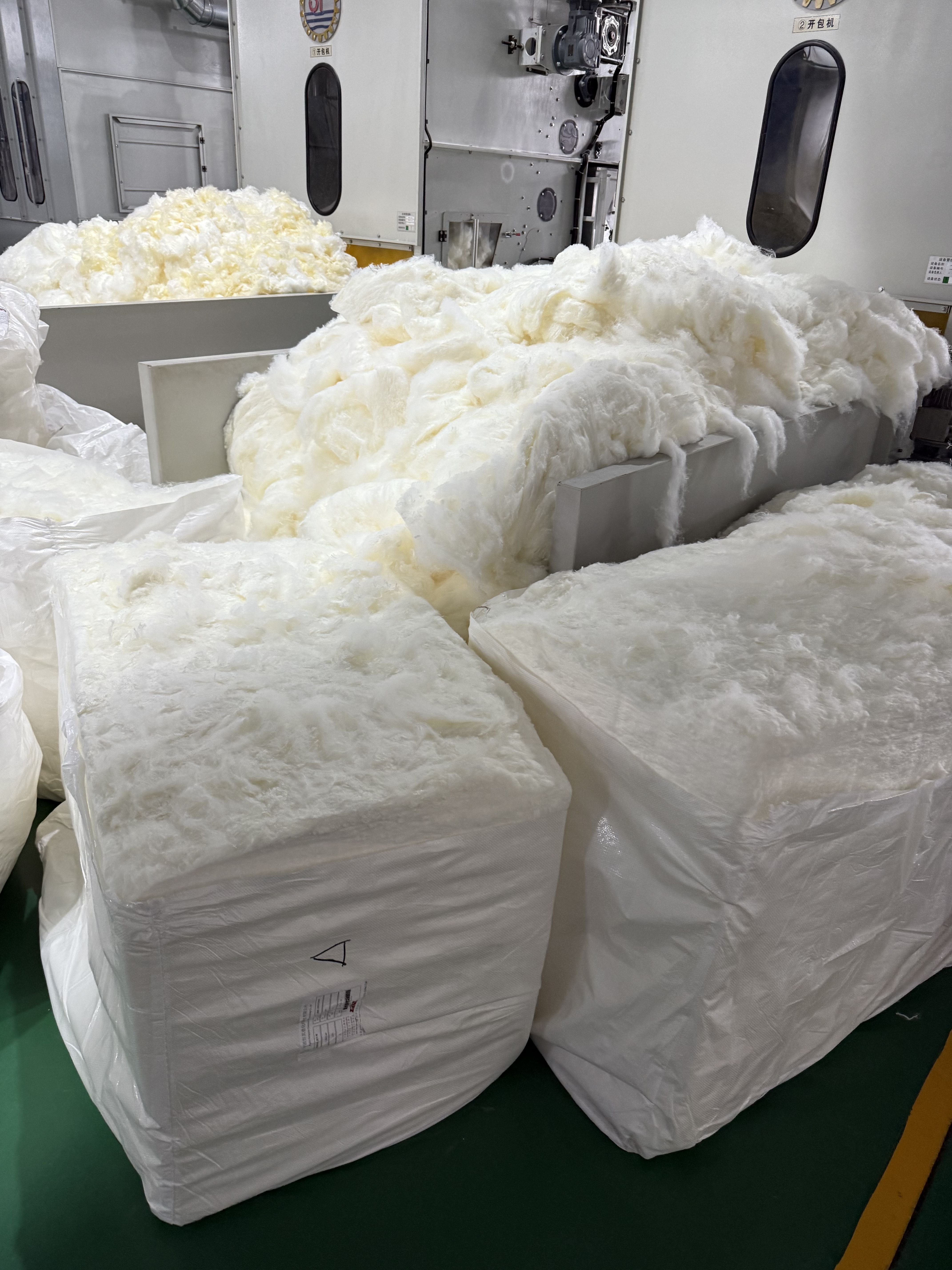

The Innovative 'Island-in-Sea' Structure
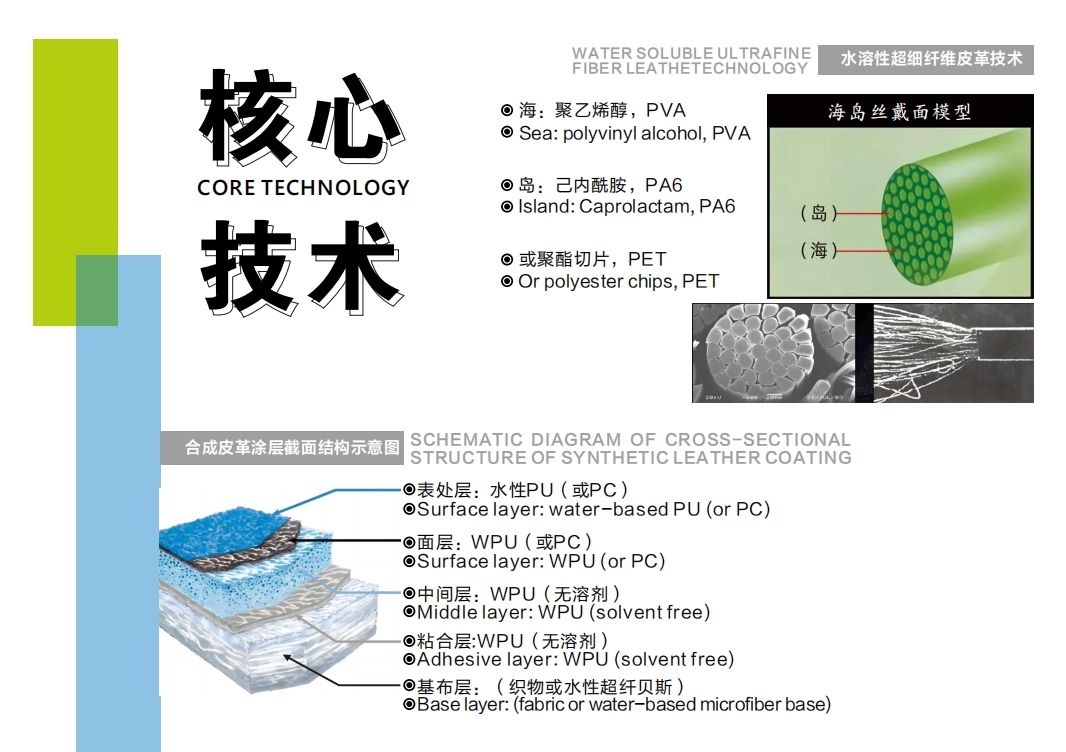
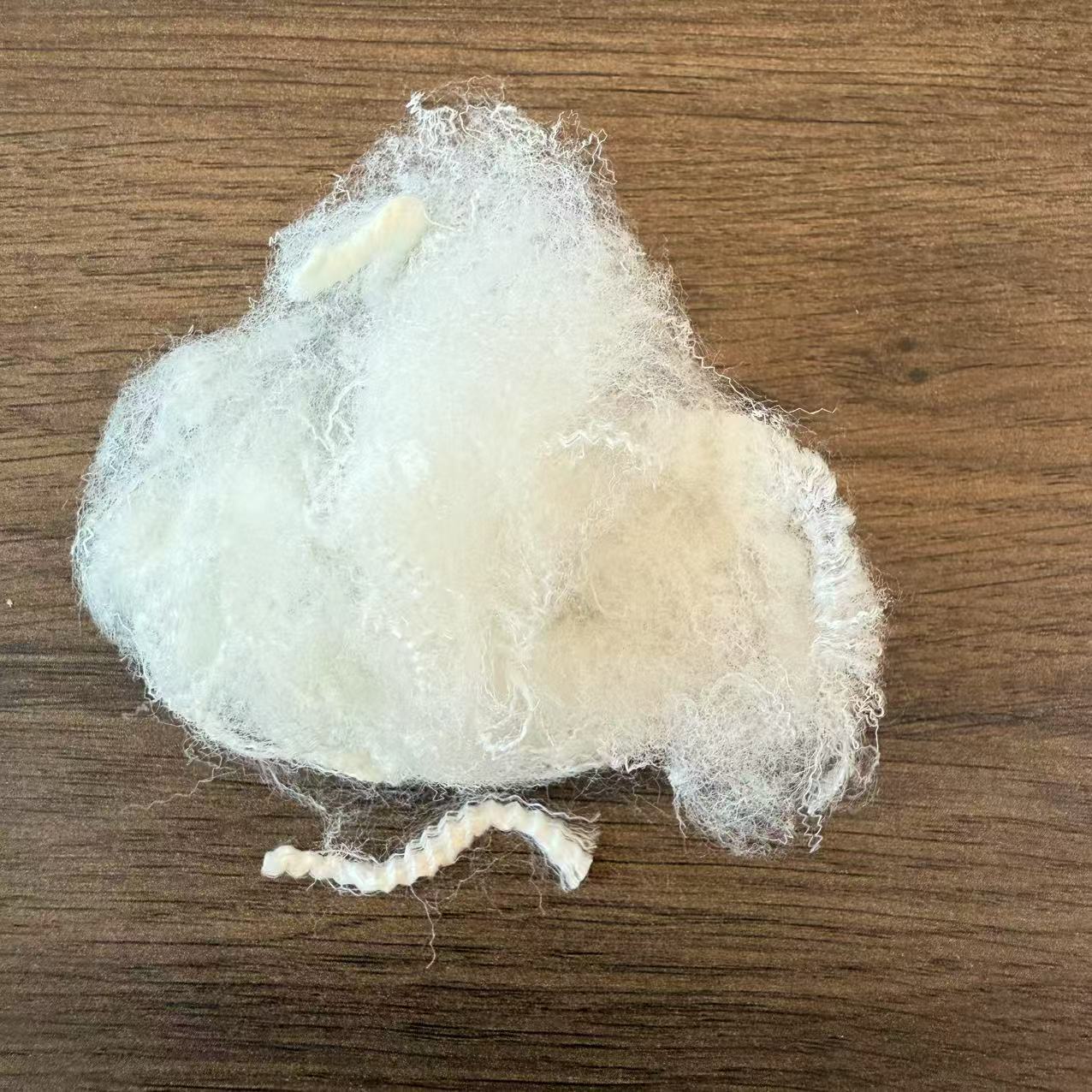
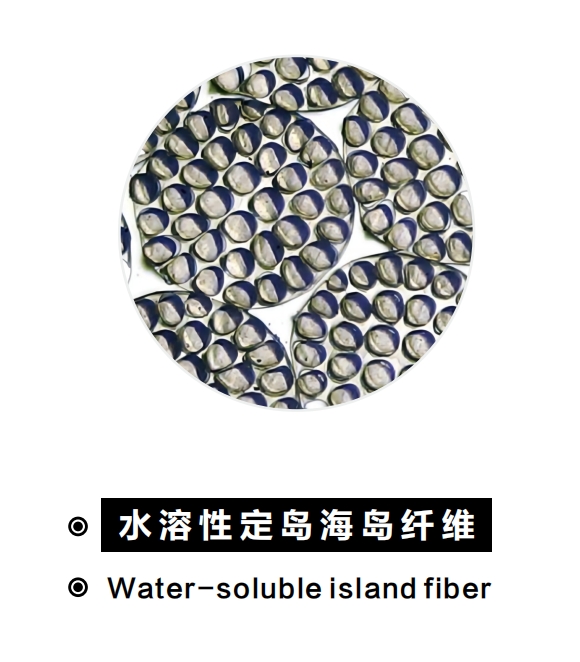
At the heart of this technology is a fascinating composite structure often referred to as island fiber. Imagine a cross-section of a fiber where numerous ultra-fine filaments (the "islands") are embedded within a supportive, soluble polymer matrix (the "sea"). This clever arrangement allows for the production of microfibers that would be too delicate to spin on their own. These advanced synthetic fibers use a soluble material, most commonly a PVA fiber (Polyvinyl Alcohol), as the temporary sea. Once the fabric is woven or the non-woven material is formed, it is simply washed in water. The PVA matrix dissolves away, leaving behind a web of incredibly fine and uniform microfibers, unlocking a new level of softness and density in the final product.
Unlocking New Possibilities in Textiles and Beyond
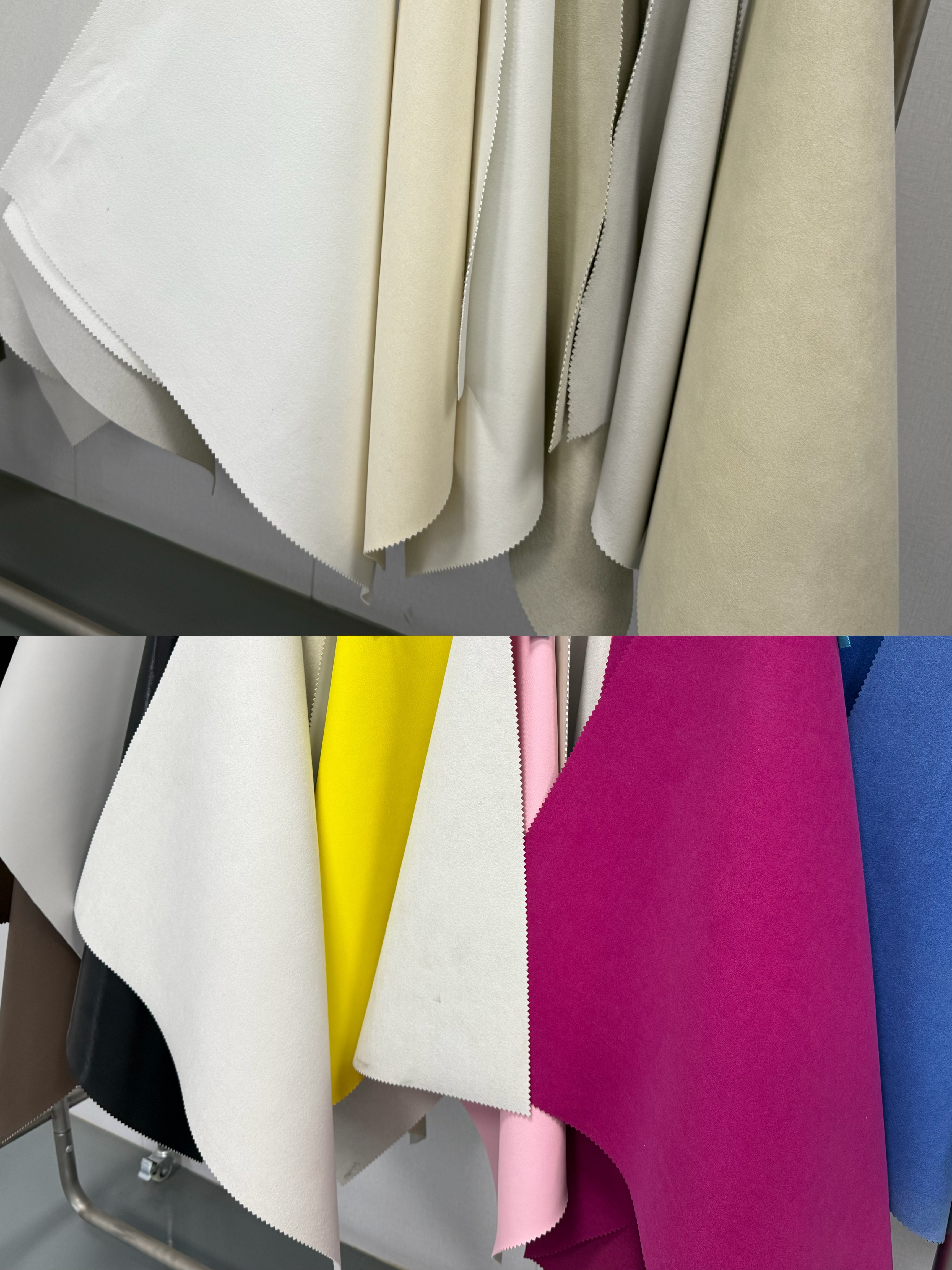
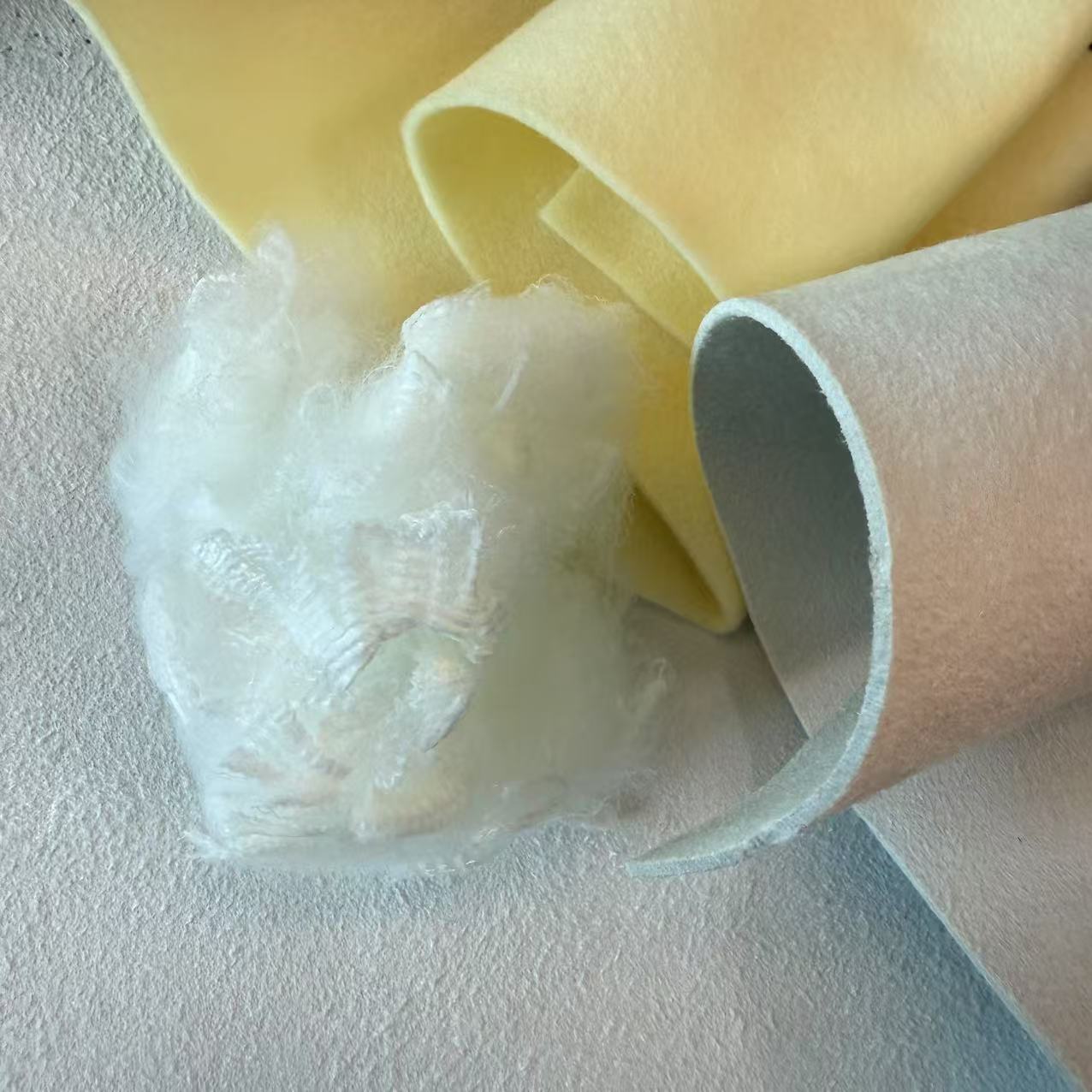
The applications for this technology are vast and transformative. The primary benefit is the creation of superior microfibers from materials that are otherwise difficult to process at such a fine scale, such as polyester or PA6 fiber (a type of nylon). The resulting fabrics possess a silky, suede-like touch, exceptional drape, and enhanced density, making them ideal for high-end apparel, premium cleaning cloths, and luxurious upholstery. Beyond textiles, this method is used to create hollow-core fibers for insulation, as the soluble core can be washed out to leave a heat-trapping air pocket. It also serves as a temporary support material in complex embroidery, providing stability during stitching before being washed away to reveal a clean, intricate design without any backing residue.
Sustainability at the Core: The Rise of Biodegradable Fibers
Beyond performance, water-soluble technology offers significant environmental advantages. The process is inherently efficient, reducing waste by precisely engineering the final microfiber structure. Furthermore, many of the soluble polymers used fall into the category of biodegradable fibers. PVA, for example, can be broken down by microorganisms in certain wastewater treatment environments, minimizing its long-term environmental footprint. This aligns with a growing demand for sustainable manufacturing and greener water-soluble materials. By choosing these advanced fibers, manufacturers can reduce chemical use and waste, contributing to a more circular economy and offering consumers products that are both high-quality and responsibly made.
The Future is Soluble
In conclusion, the development of water-soluble fiber technology represents a major leap forward in material engineering. By enabling the creation of ultra-fine fibers through the ingenious island-in-sea method, it has opened the door to new levels of luxury, performance, and functionality across multiple industries. Its inherent sustainability benefits, coupled with its versatility, position it as a cornerstone of future innovation. As research continues to advance, we can expect to see even more sophisticated applications emerge, solidifying the role of these intelligent and eco-conscious materials in shaping the products of tomorrow.