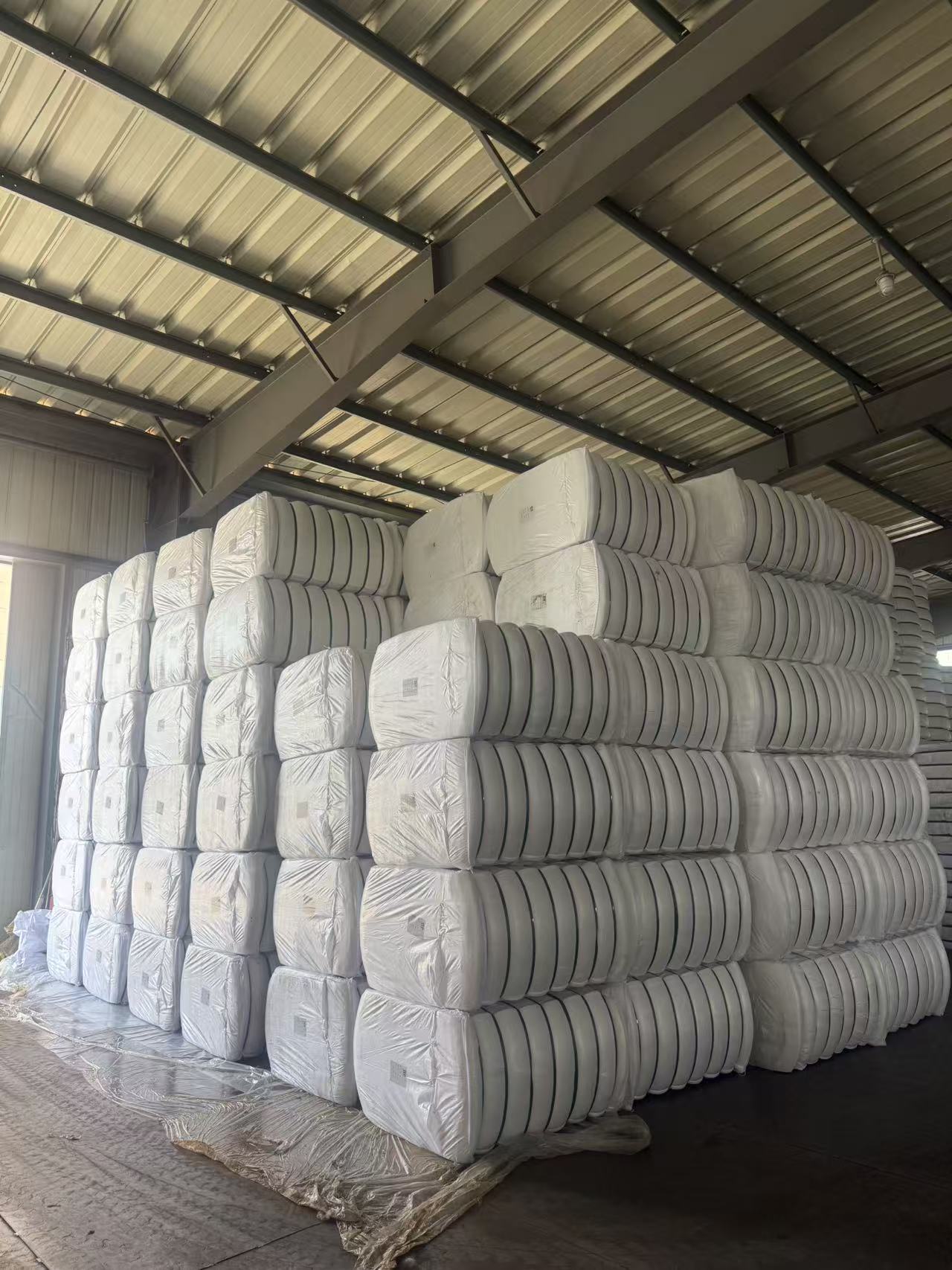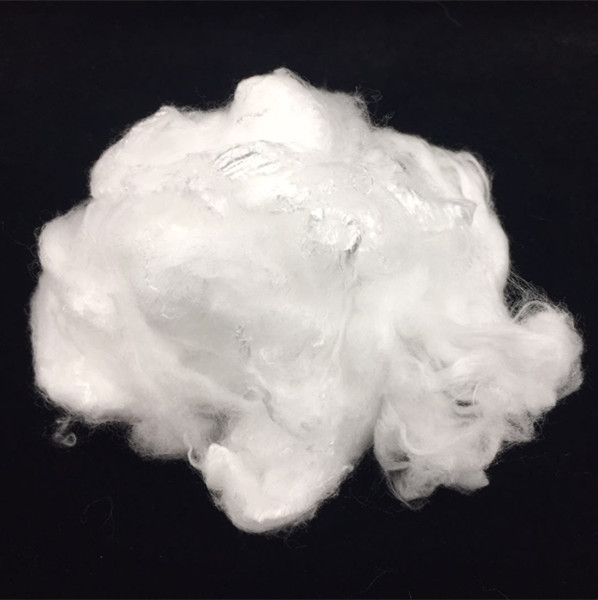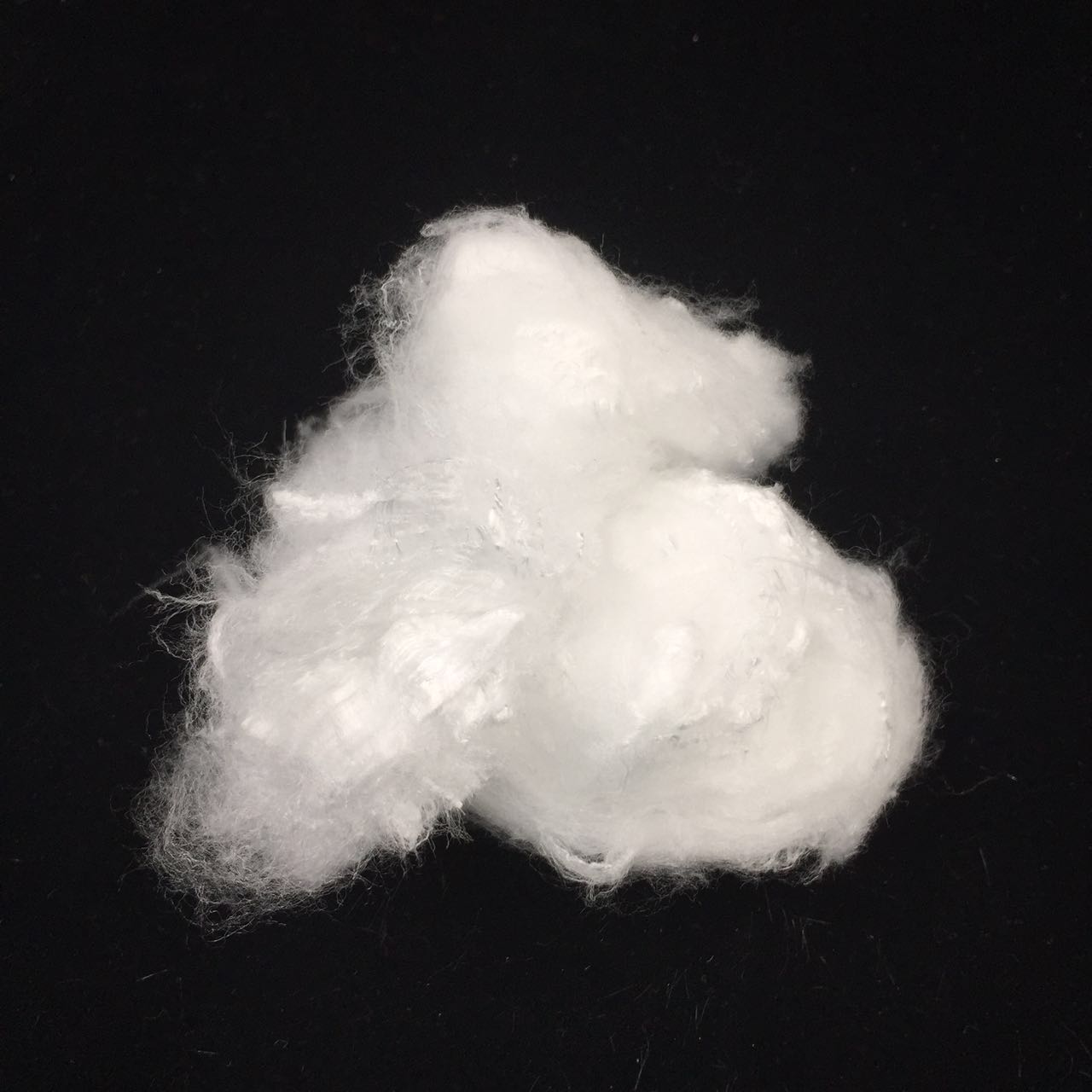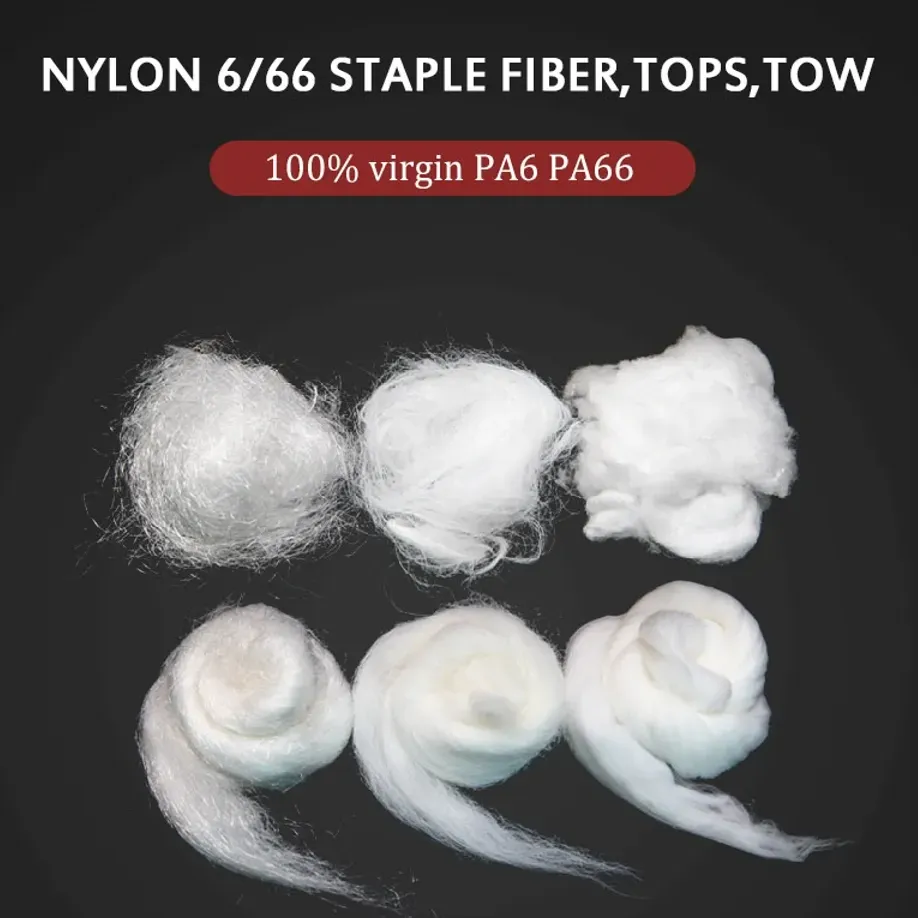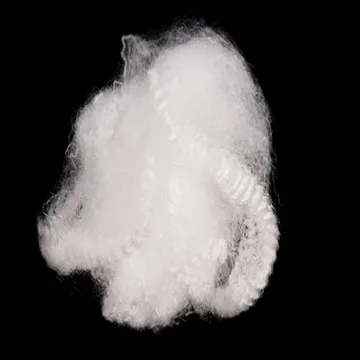

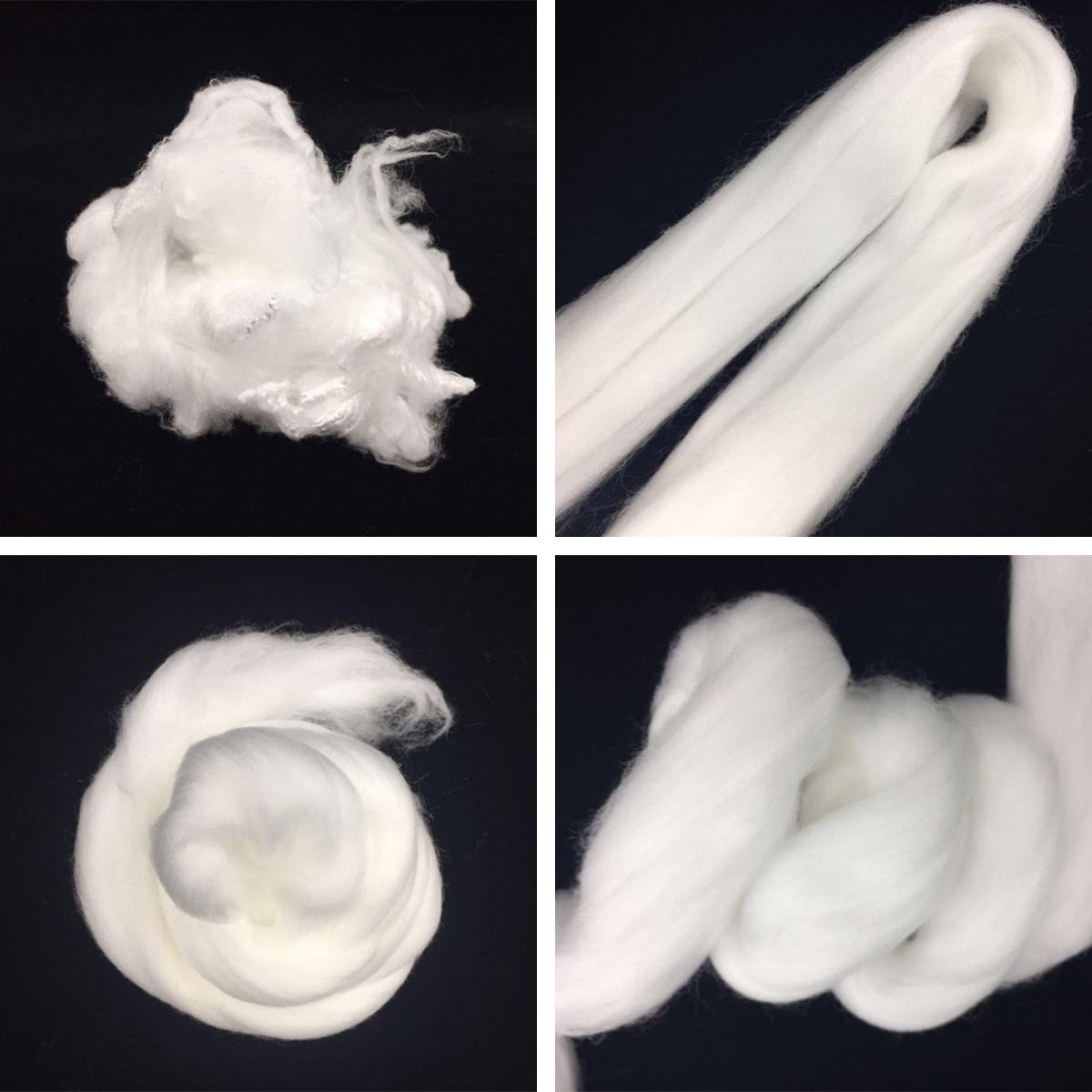
Why Add Nylon Staple Fiber in Cotton Spinning?
In cotton spinning systems, the core purpose of blending nylon staple fiber (polyamide fiber) can be summed up in one sentence:
Using a small amount of nylon greatly improves the strength, abrasion resistance, elasticity and anti-pilling performance of cotton fabrics, while retaining the breathability and comfort of cotton.
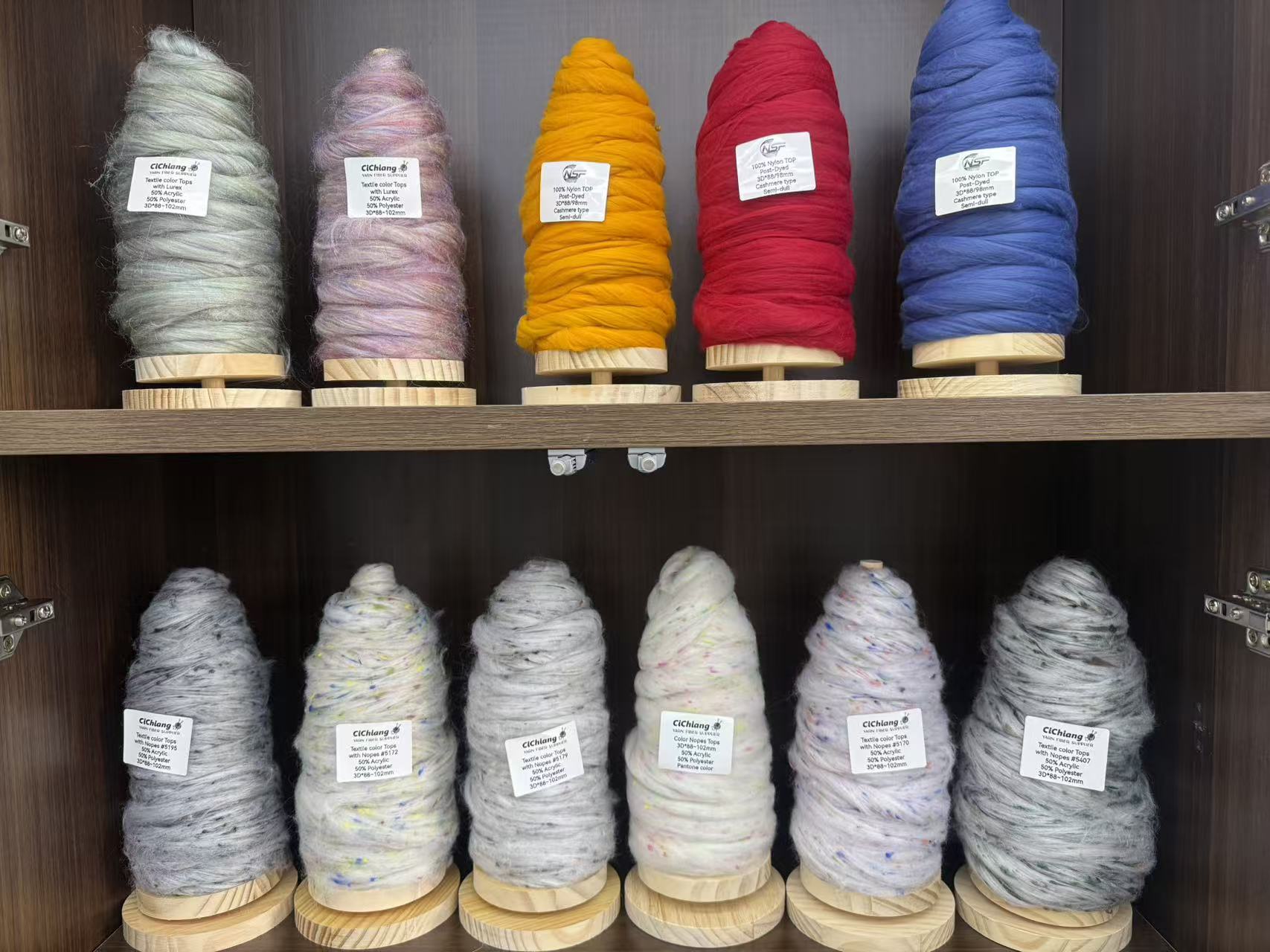
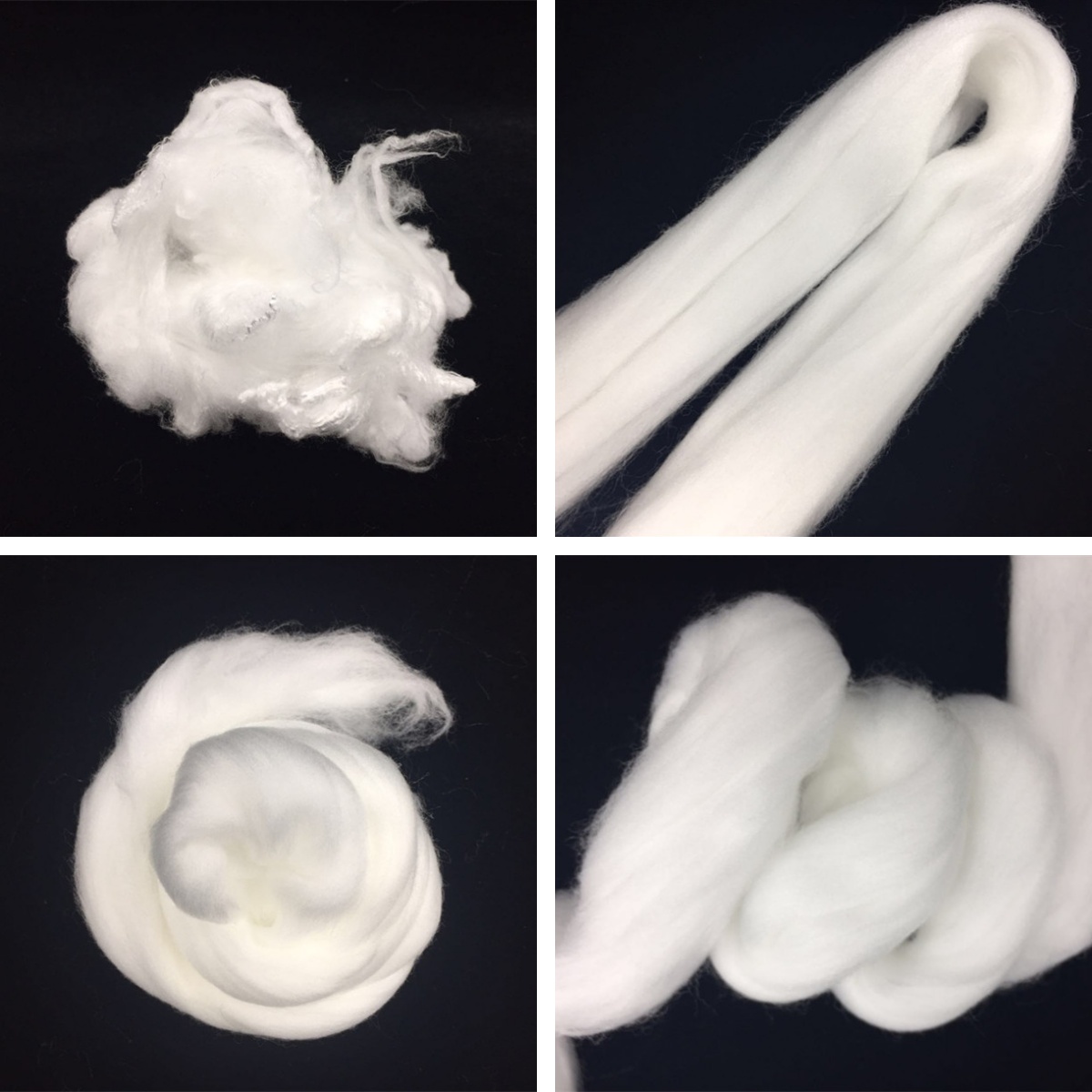
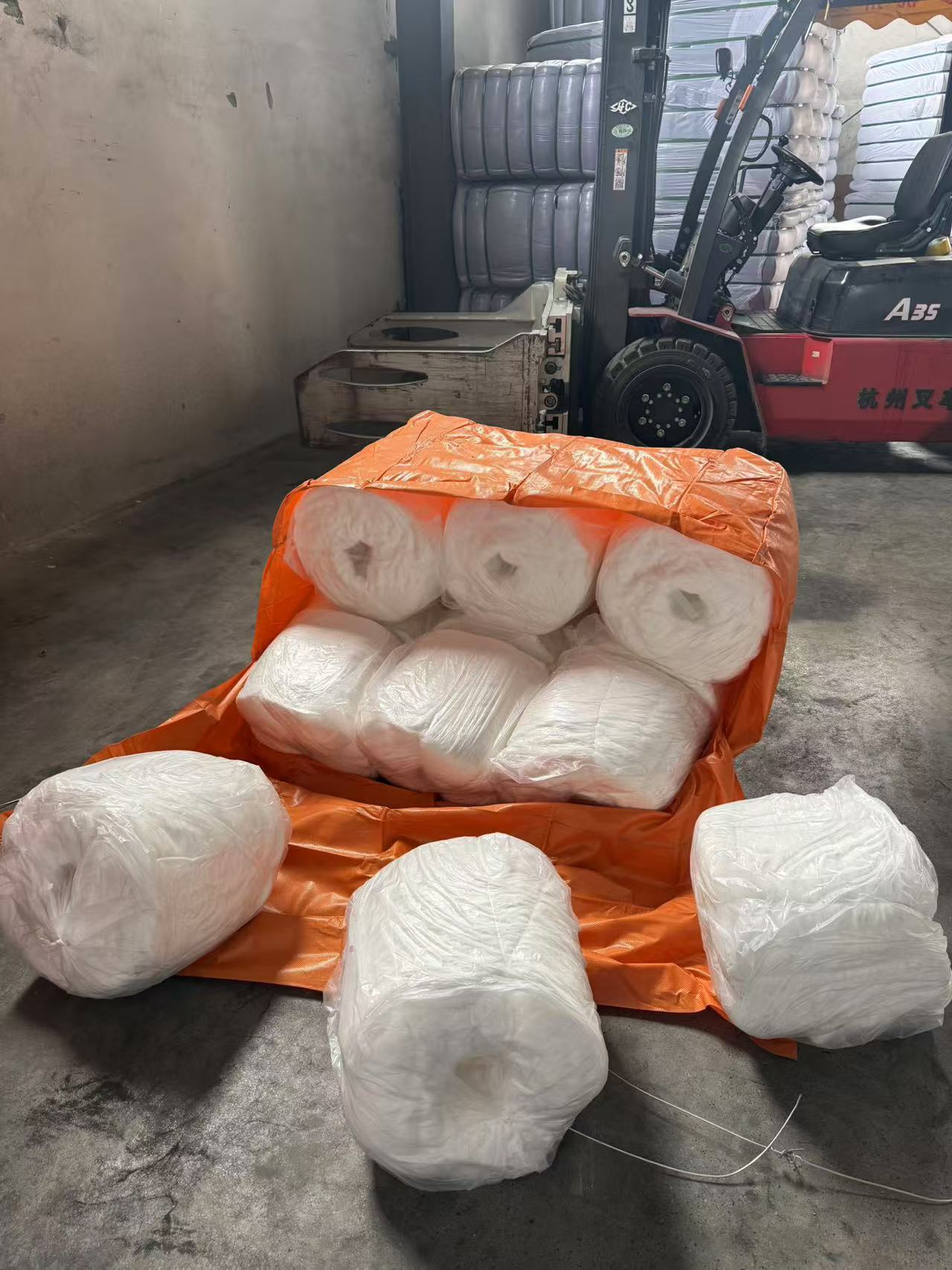
1. Why Blend Nylon Staple Fiber in Cotton Spinning?
Pure cotton has inherent disadvantages:
- Medium strength, prone to breakage during weaving
- Poor abrasion resistance; easy to wear thin at knees, cuffs, etc.
- Low elasticity, easy to wrinkle and deform
- Average anti-pilling performance, prone to pilling after long wear
- Low wet strength, easy to damage when washed
Blending with nylon staple fiber solves these problems specifically:
-
Improve yarn strengthNylon has much higher tenacity than cotton. Blending significantly increases overall strength, making it more stable for woven warp yarns, denim and workwear.
-
Greatly enhance abrasion resistanceNylon has outstanding abrasion resistance. Even a small proportion can make pants, socks and home textiles much more durable.
-
Increase elasticity and recoveryFabrics fit better, resist wrinkling and do not deform easily after washing.
-
Improve anti-pilling performanceHigh tenacity nylon fibers prevent hairiness from shedding and pilling, resulting in a cleaner appearance for knitted fabrics.
-
Upgrade quality while controlling costMore durable than pure cotton, yet more comfortable, cheaper and easier to spin than 100% nylon.
2. Common Blending Ratios in Cotton Spinning (Industry Standard)
-
Cotton / Nylon 90/10Most common and spinnable ratio; improves abrasion resistance, anti-pilling and provides slight elasticity.Suitable for: knitted T-shirts, shirts, home textiles, towels.
-
Cotton / Nylon 85/15 or 80/20Obvious elasticity and higher strength.Suitable for: socks, base layers, casual pants, workwear fabrics.
-
Cotton / Nylon 70/30High elasticity and high abrasion resistance.Suitable for: sportswear, functional knits, denim.
High nylon ratios above 50% are generally avoided: excessive static electricity, difficult spinning, slippery handfeel, and loss of cotton-like texture.
3. Ring Spinning vs Vortex Spinning for Cotton-Nylon Blends
Ring Spun Cotton-Nylon
- High strength, even yarn regularity
- Suitable for: woven warp yarns, high-count fabrics, premium shirts, denim
- Spinnable high counts: 40S, 50S, 60S
Vortex Spun Cotton-Nylon
- High speed, low hairiness, excellent anti-pilling
- Suitable for: sweatshirts, loungewear, bedding, knitted fabrics
- Common counts: 21S, 32S, 40S (medium-low counts)
4. Processing Notes for Cotton-Nylon Blending
-
High static electricityMaintain workshop humidity at 65%–70% RH; use antistatic agents if necessary.
-
Poor cohesion, easy breakageSlightly increase twist in drawing and roving frames; use a slightly higher twist factor in spinning than pure cotton.
-
Prone to wrapping on aprons and rollersUse antistatic aprons, reduce speeds, and optimize gauge settings.
-
Dyeing considerationsNylon dyes faster, which may cause uneven dyeing; matching dyeing processes is required.
5. Summary (From Cotton Spinning Perspective)
- Pure cotton: comfortable, but poor abrasion resistance, easy wrinkling, pilling, medium strength.
- Blended with nylon staple fiber:
More abrasion-resistant + more elastic + stronger + better anti-pilling, while remaining cotton-like in comfort.
- Most practical ratios for cotton spinning: Cotton 90% / Nylon 10% or Cotton 85% / Nylon 15%.