Understanding Cationic Polyester Fiber
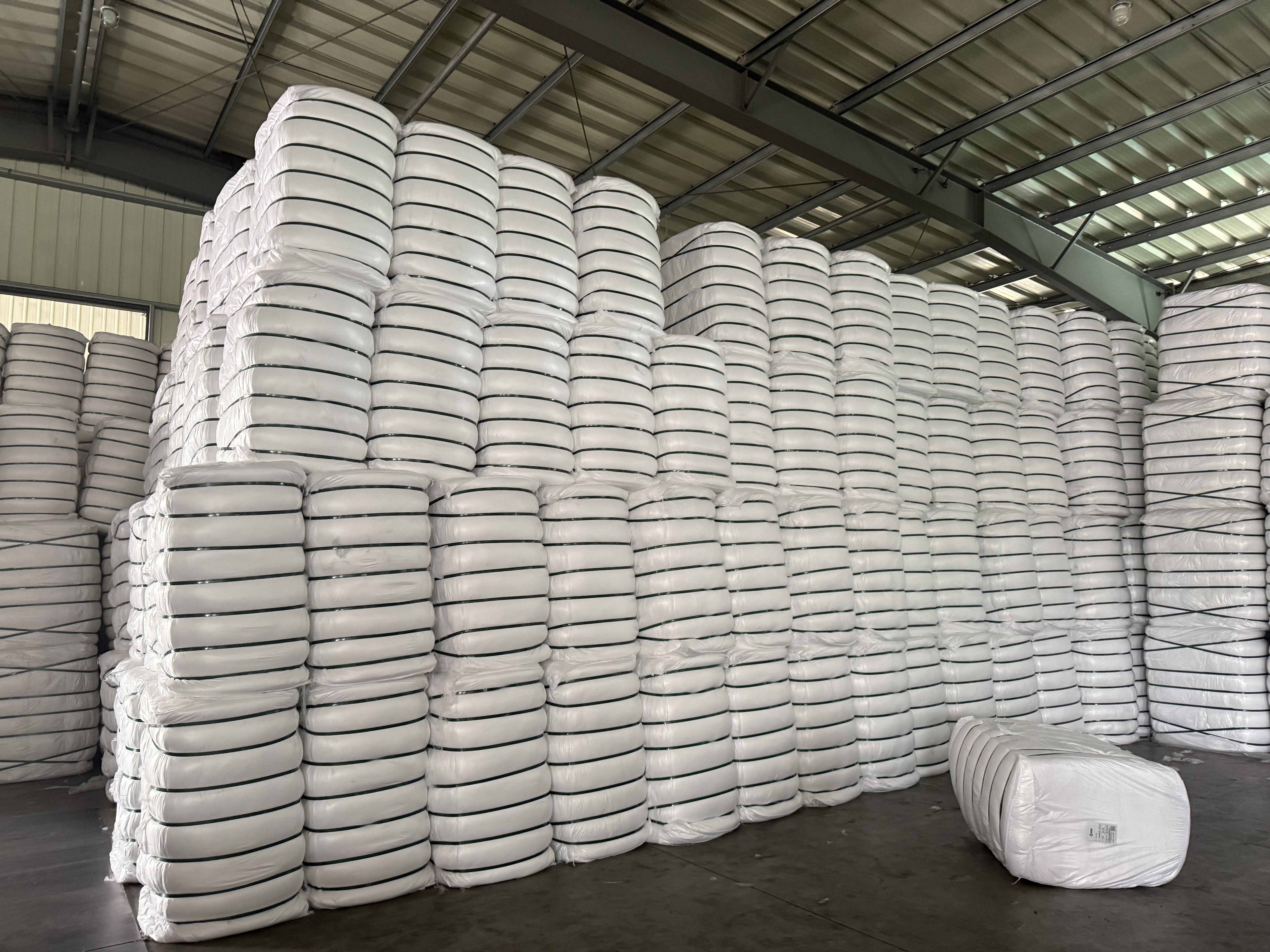
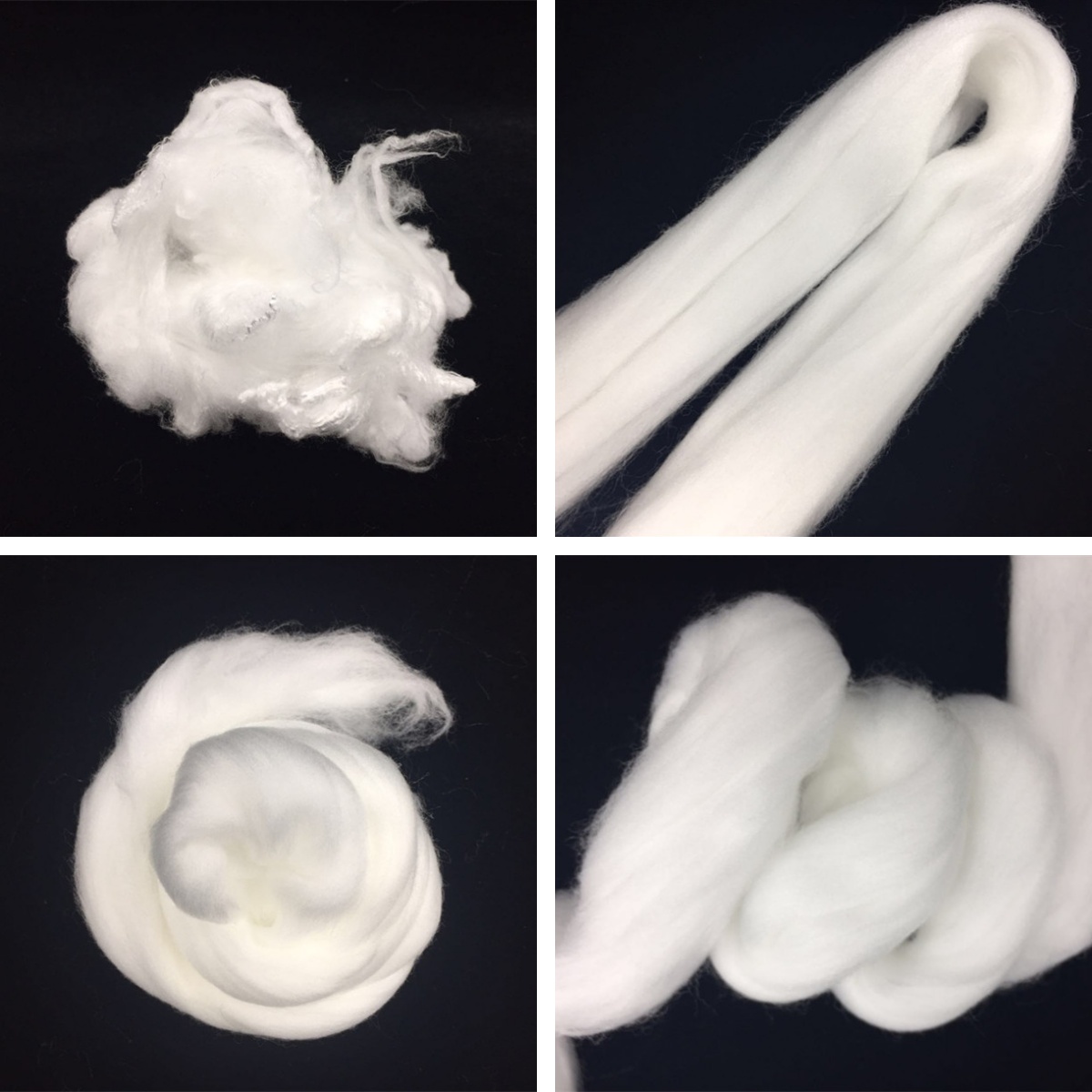
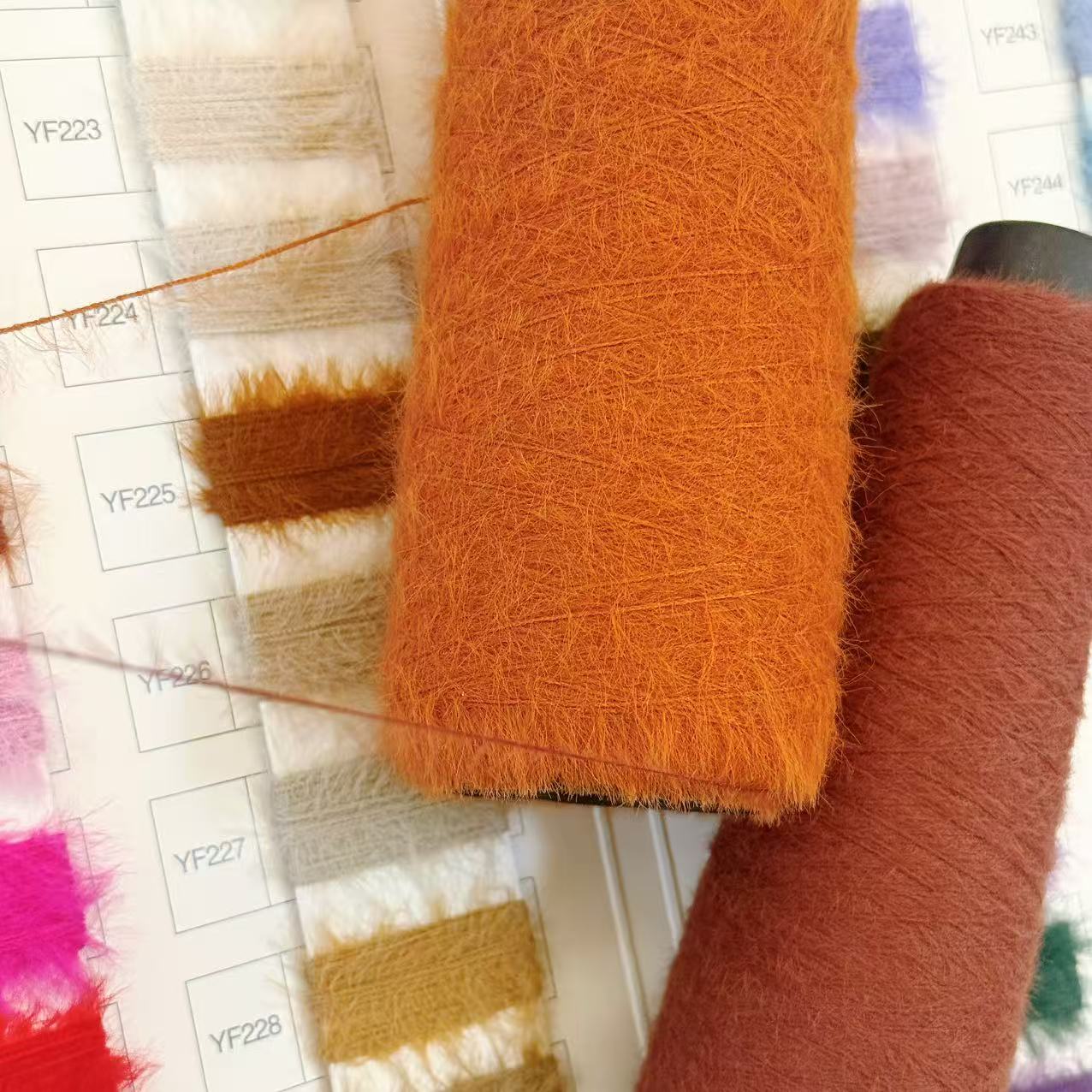
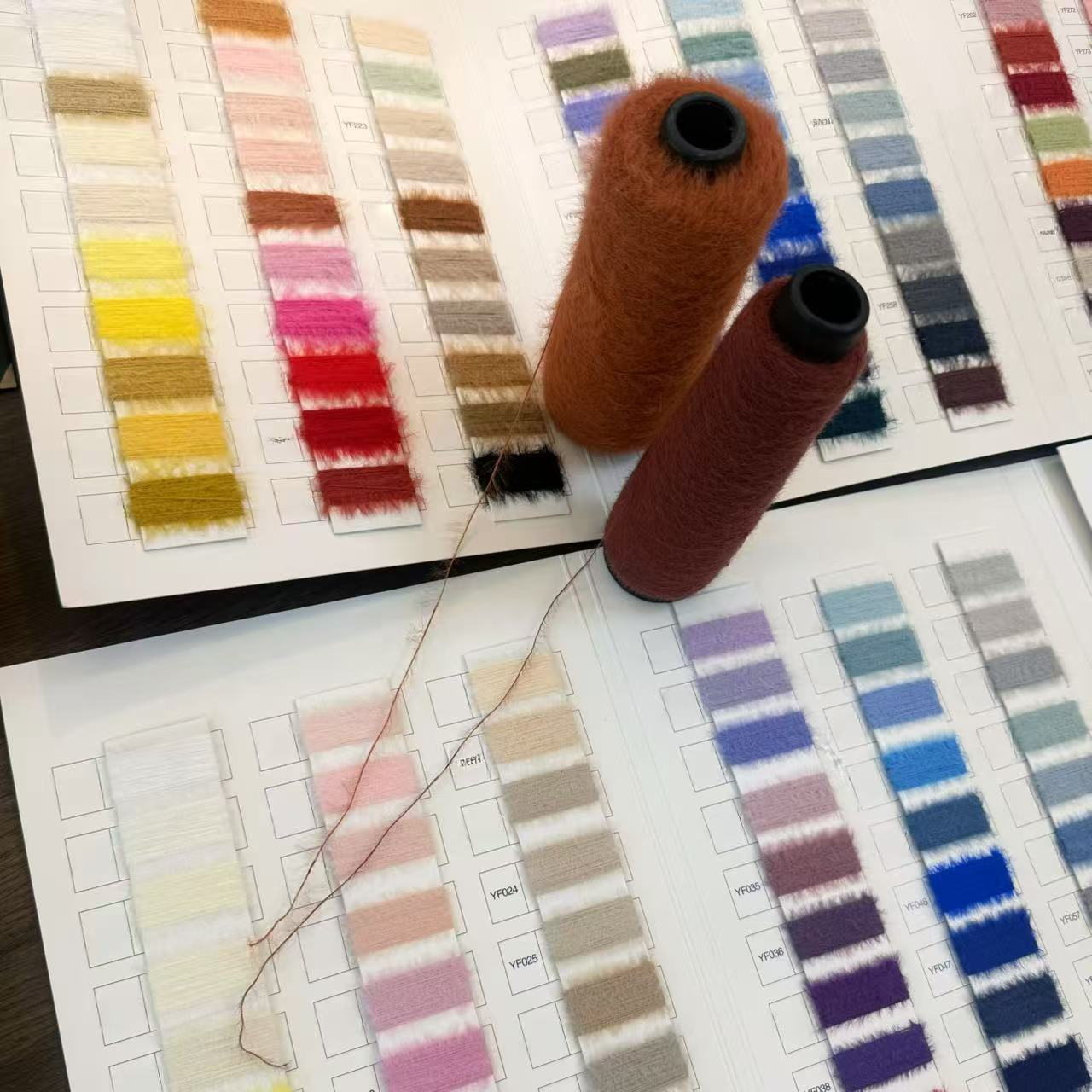
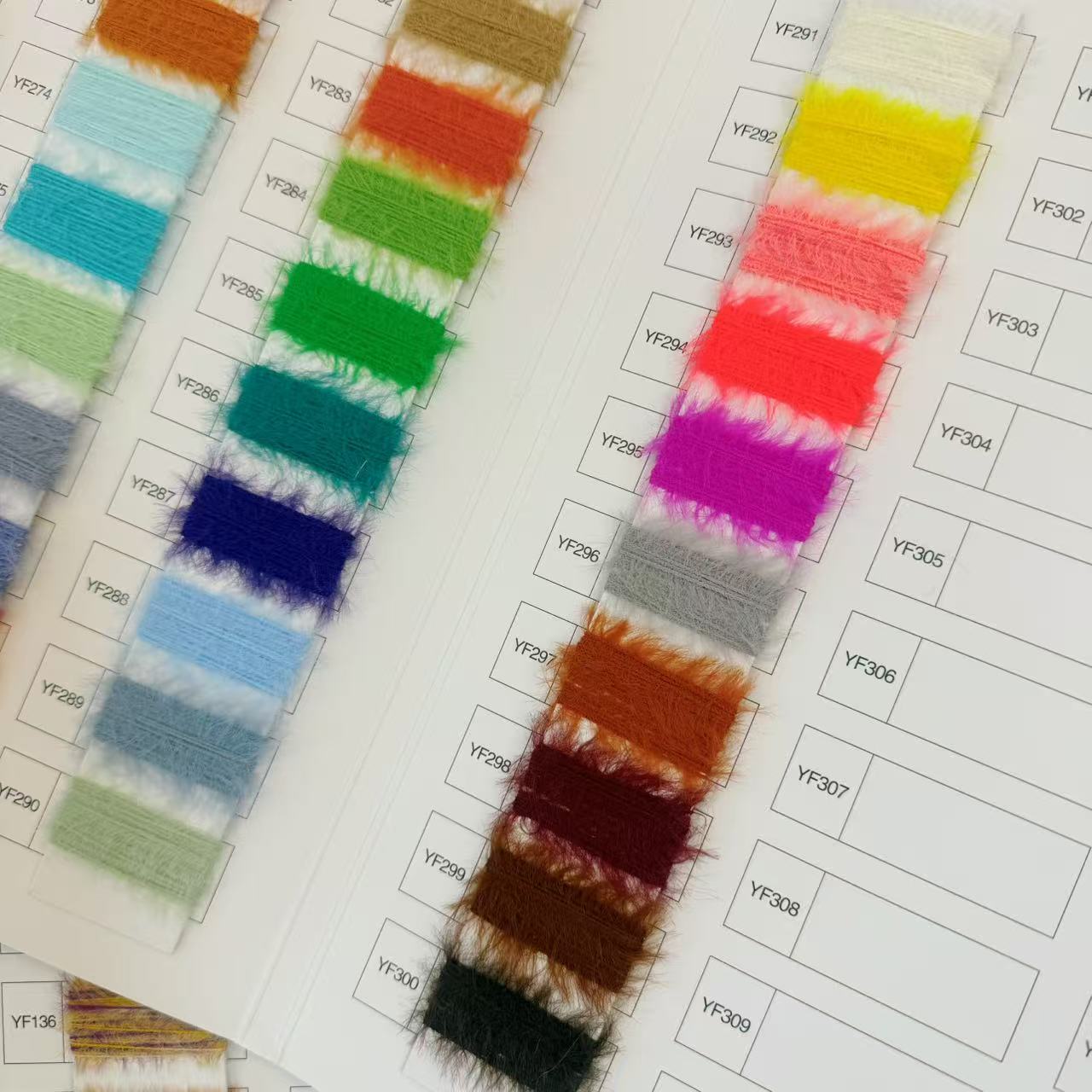
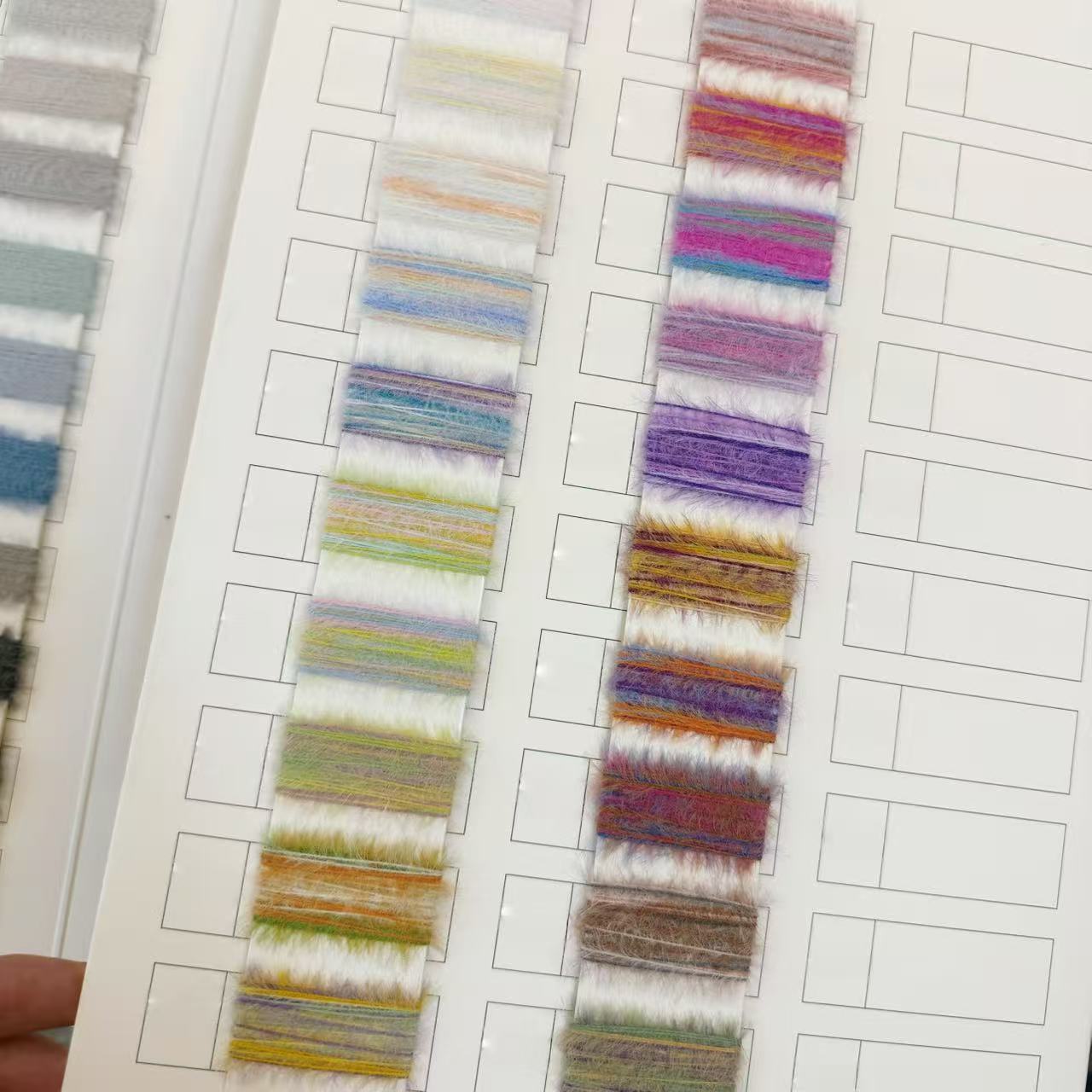
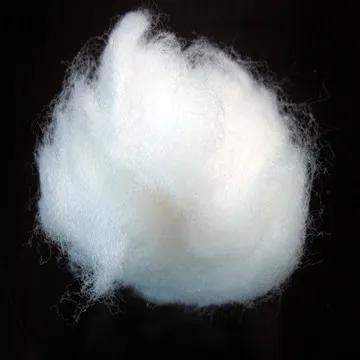
Cationic polyester fiber is a significant innovation in the textile industry that is making waves due to its unique properties and applications. At the heart of this trend is the way cationic polyester fibers have been adapted to improve dyeing processes. Through cationic dyeing, the fibers bond more effectively with dyes, which enhances color fastness and vibrancy. As polyester fiber manufacturing continues to evolve, these advancements offer textile manufacturers the opportunity to produce more dynamic and durable fabrics. This innovation not only revolutionizes the way fabrics are produced but also broadens the scope of their applications in various sectors.
The Expanding Cationic Fiber Market
As innovations in the textile industry continue to develop, the cationic fiber market is poised for exponential growth. Manufacturers are increasingly interested in these fibers due to their versatility and the advantages they offer. Among the most notable advantages of cationic polyester fibers is their ability to withstand rigorous conditions while maintaining color integrity. These qualities make them suitable for multiple applications, including fashion, home textiles, and technical industries. With the continuous research in polyester fiber manufacturing, the market for cationic fibers is expanding, and companies are investing heavily to remain at the forefront of this technological advancement.
Applications and Advantages of Cationic Polyester
Cationic polyester offers numerous advantages in textile applications that are setting new standards for performance and sustainability. One of the key benefits is its enhanced dyeability which results in more vibrant and longer-lasting colors. This makes cationic polyester an ideal choice for apparel that demands high aesthetic quality. Furthermore, the fibers are engineered to enhance moisture-wicking capabilities, which adds comfort and functionality to activewear and outdoor garments. The wide range of cationic polyester applications also includes home textiles and automotive interiors, where durability and color retention are crucial. This fiber innovation not only provides practical benefits but also represents a move toward more sustainable textile solutions as manufacturers seek to minimize environmental impacts through improved processes.