Why Nylon 6 tops matter in bulk fiber sourcing
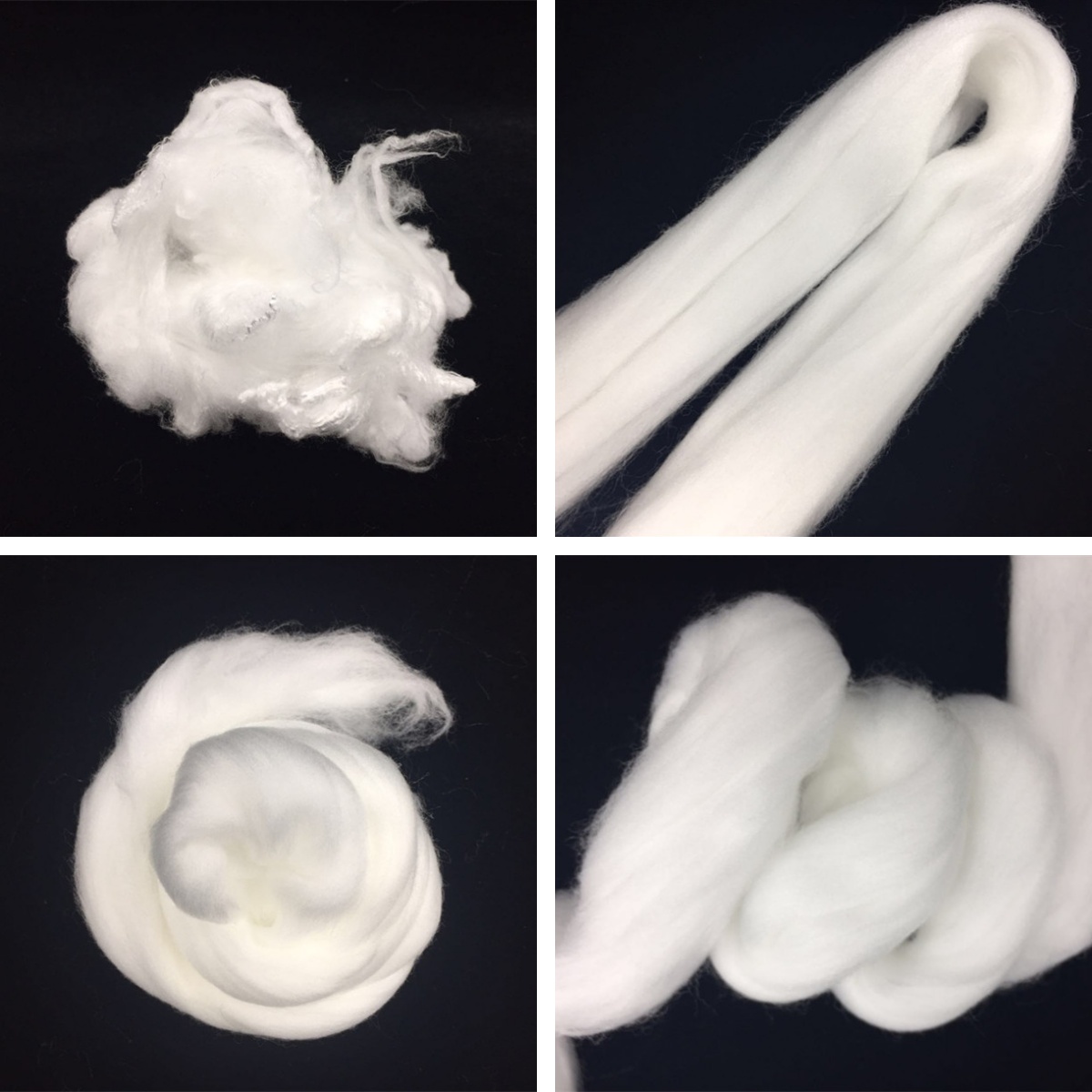
When buyers search for Nylon 6 tops, they are usually not hunting for a pretty textile sample. They are trying to solve a production problem: how to secure a stable, clean, easy-to-process nylon feedstock that can move through spinning, filling, or downstream conversion without creating avoidable waste. That is why nylon tops, especially in raw white form, deserve more attention than they often get.
In industrial supply, the difference between a smooth line and a messy one is rarely dramatic at first glance. It is usually hidden in the bulk bundle, the bale consistency, and how the material behaves once it reaches the mill. For engineers and sourcing teams, the real decision is not just what the fiber looks like in a photo. It is whether the material fits the process, the package size, and the purchasing rhythm of the factory.
What buyers should understand before they compare options
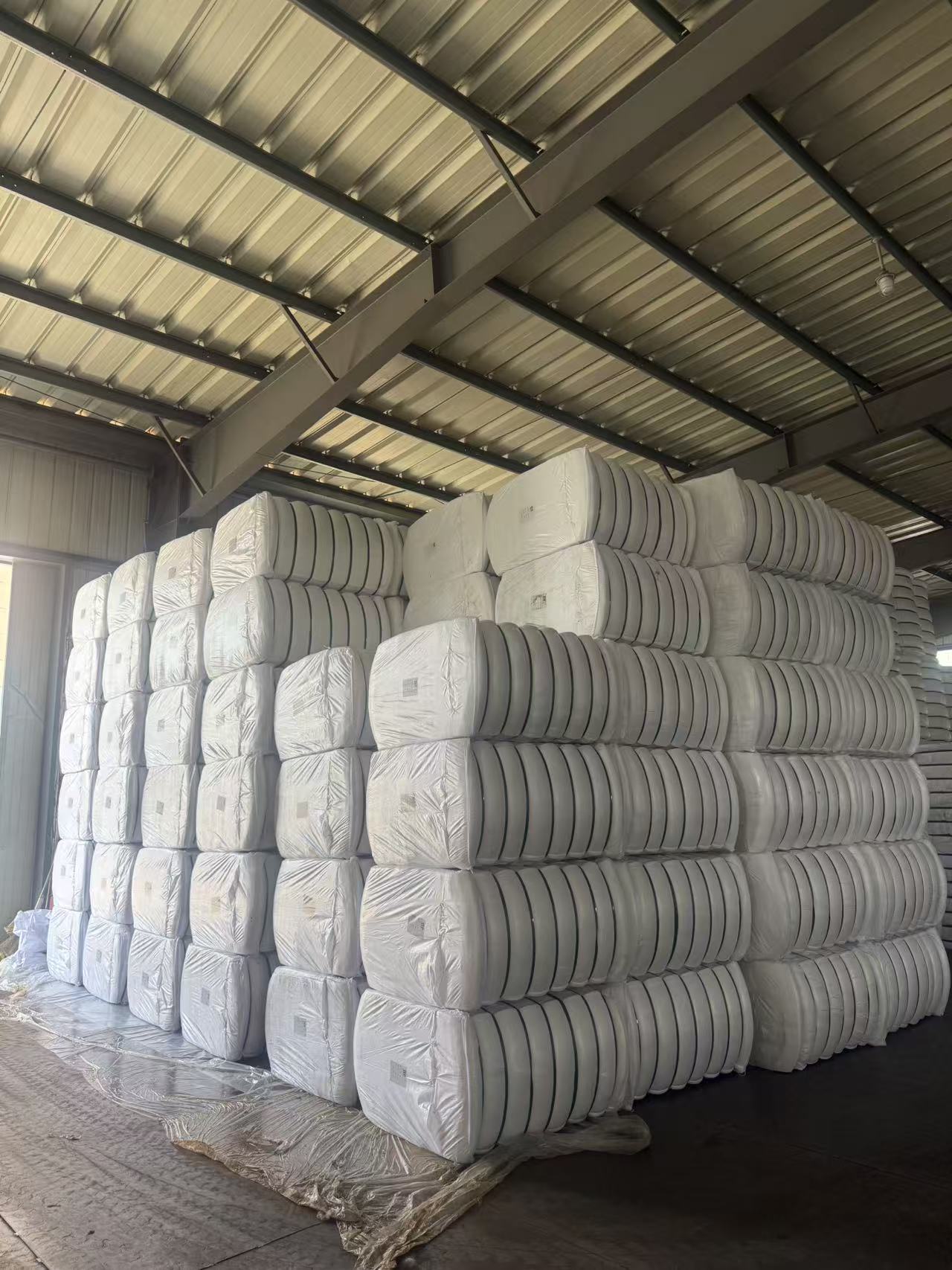
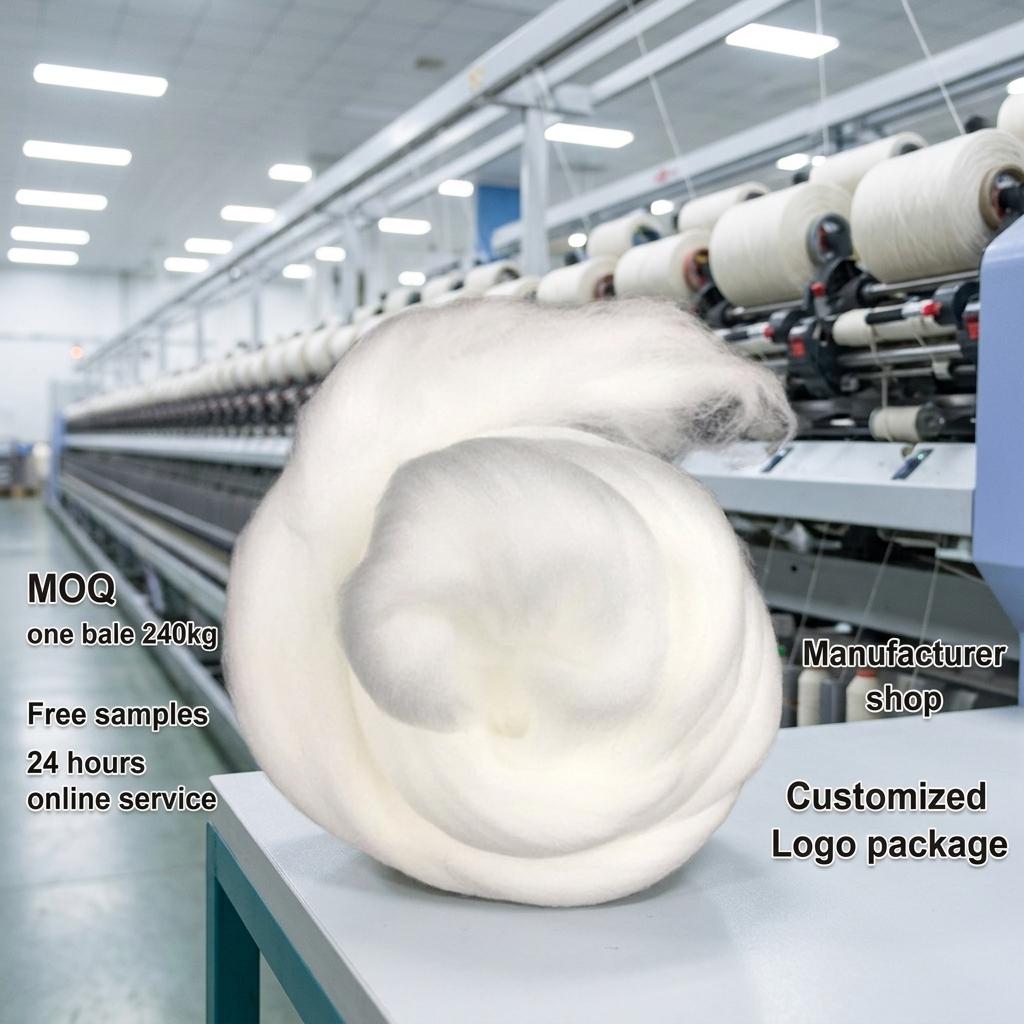
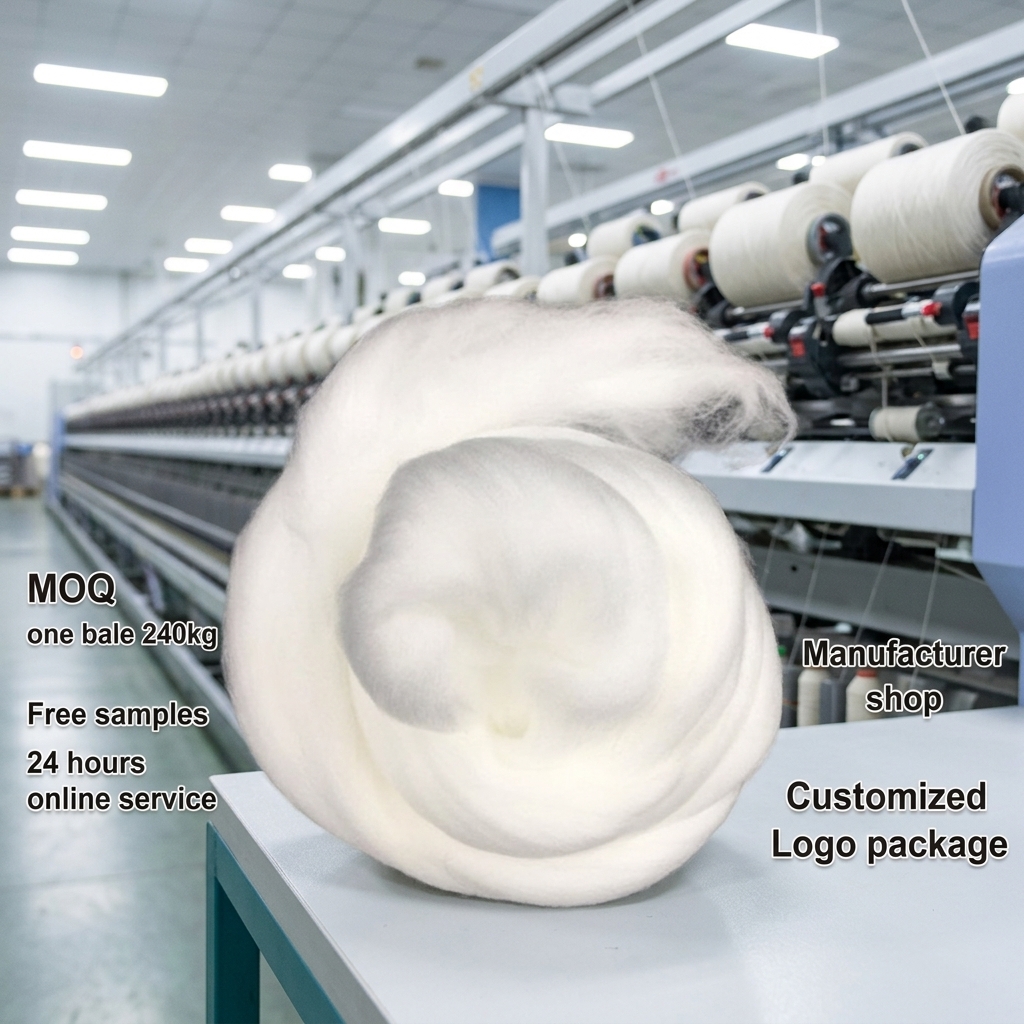
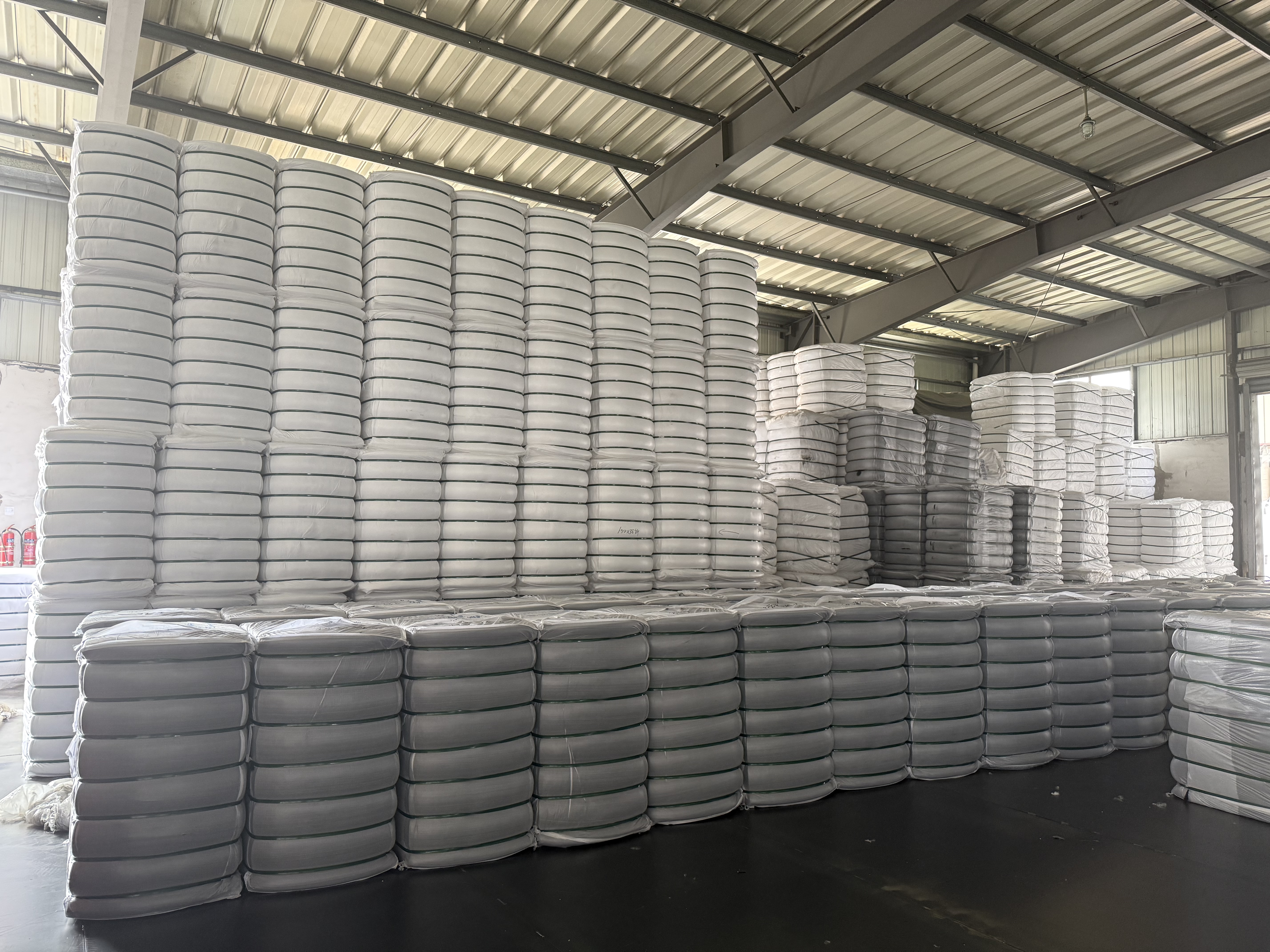
The available product information points to a white textile fiber supplied in loose rolled bundles or compressed bales, with visible claims such as MOQ one bale 240 kg, free samples, 24 hours online service, manufacturer shop, and customized logo package. That already tells you something useful: this is a bulk industrial offer, not a retail textile item.
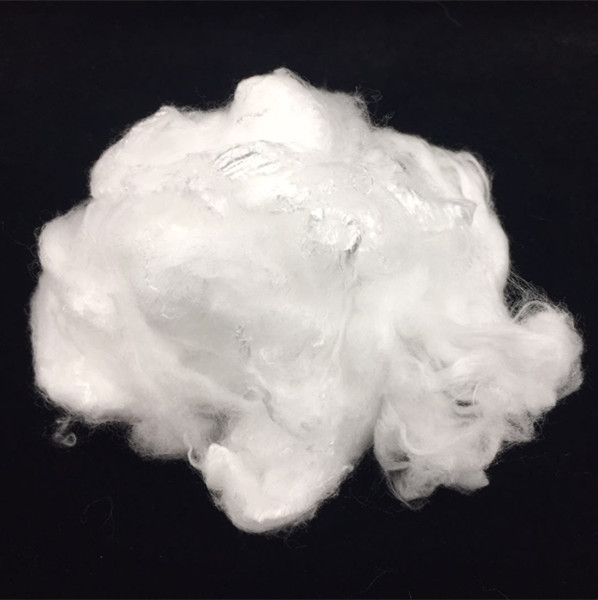
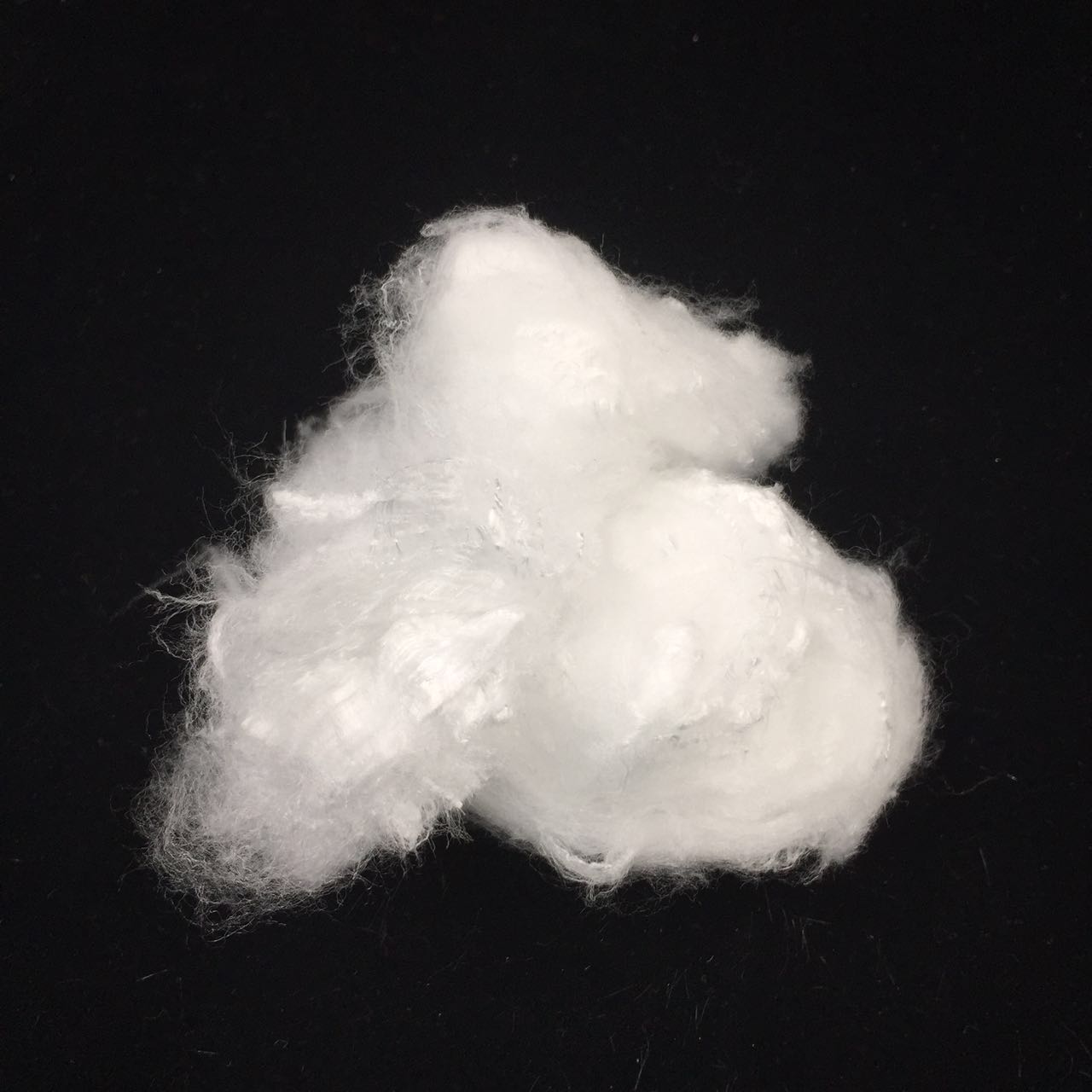
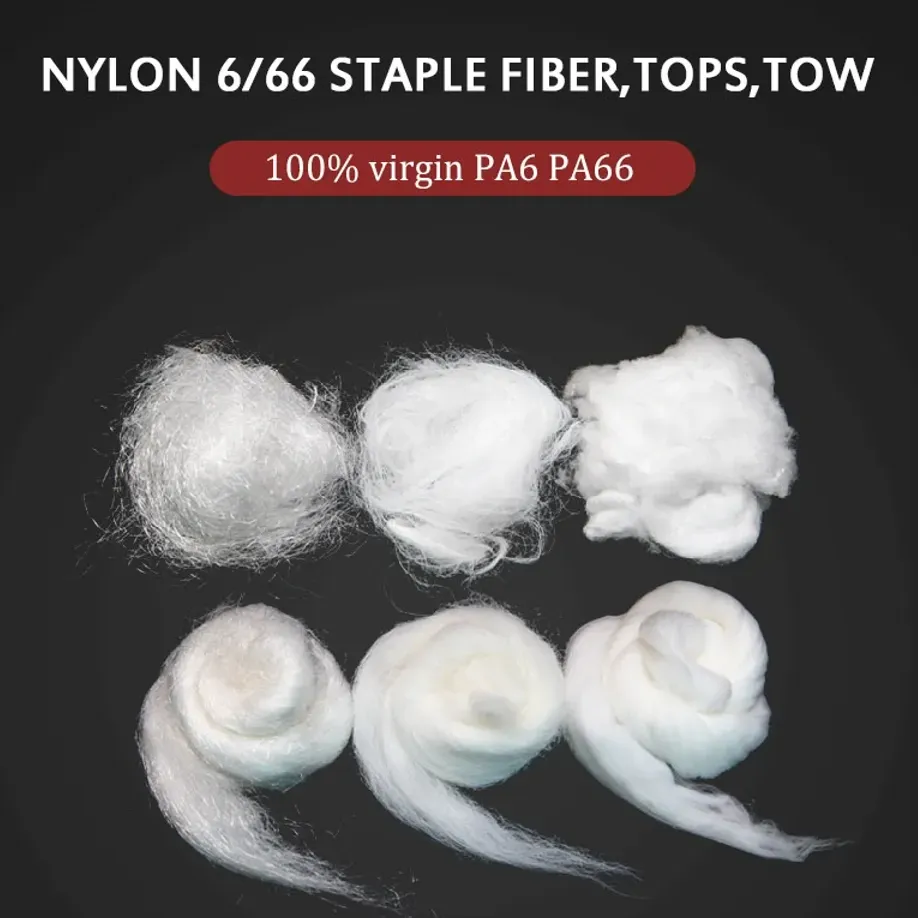
The material shown appears soft, white, and fibrous, with a rolled cylindrical form and a fluffy internal structure. It may be used as feedstock for yarn, nonwoven materials, stuffing, insulation, felt, or other textile conversion routes. The exact fiber composition is not identifiable from the image alone, so buyers should avoid assuming performance from appearance. Raw white nylon, nylon 6 raw white, and other synthetic fiber tops can look similar at the bale stage, yet behave very differently in processing.
Why nylon 6 is often chosen for industrial fiber applications
Nylon 6 has long been valued in textile manufacturing because it combines processability with useful mechanical behavior. In practical terms, mills often look for a fiber that can be made into consistent downstream products without excessive breakage or uneven feeding. That matters in spinning and in nonwoven conversion, where material stability saves time and reduces operator intervention.
For buyers comparing synthetic fiber tops, nylon 6 also tends to sit in a useful middle ground: it is familiar to producers, widely used in technical and textile contexts, and adaptable across several product categories. If your plant handles nylon staple fiber or similar polymer-based feedstock, consistency in bundle form may be as important as the chemistry itself.
How to evaluate a supplier like Ningbo Sinopec Fiber Co., Ltd.
Ningbo Sinopec Fiber Co., Ltd. says it was founded in 1996, focuses on nylon fiber manufacturing, and operates with 150 employees including 20 engineers. The factory covers 50,000 square meters, with 20,000 square meters of production space, and it reports a daily output of 100–150 tons, mainly PA6 and PA66 polyamide nylon fibers.
Those are meaningful signs for a buyer. A supplier with that kind of scale is usually better positioned to support recurring orders, line continuity, and long-term sourcing agreements. Still, buyers should keep the usual discipline: request product specifications, confirm the exact form of supply, and check that the material matches the intended process before committing to volume.
Practical questions worth asking
What is the exact form of the bundle or bale?
Is the material intended for spinning, filling, or nonwoven processing?
What is the standard package weight, and is 240 kg net or gross?
Can the supplier provide a free sample that reflects the actual shipment lot?
Can customized logo packaging be applied without affecting logistics or labeling needs?
Common mistakes when buying bulk tops and fiber bundles
One of the most common mistakes is treating all white bulk fiber as interchangeable. It is not. A bale that looks clean and soft can still be wrong for the line if the fiber length, crimp, cohesion, or moisture behavior does not suit the equipment. Another mistake is focusing only on price per bale while ignoring handling efficiency. A slightly better-controlled bundle often pays back through easier feeding and less scrap.
It is also wise not to over-read claims from a photo. A white cylindrical roll in a factory setting may suggest nylon tops, but the exact identity still needs confirmation. That caution is especially important when a buyer is sourcing for stuffing, insulation, or high-volume conversion, where even a small material mismatch can create downstream complaints.
When a supplier relationship is more valuable than a one-off order
For mills that buy repeatedly, the real value is not the first shipment. It is whether the supplier can maintain the same material profile and packaging habit over time. A manufacturer shop offering 24-hour online service and free samples is useful, but long-term value comes from steady communication, predictable supply, and honest technical answers. That is especially true with nylon 6 tops and related synthetic fiber tops, where process stability can matter more than a small cost difference.
If your team is evaluating white nylon feedstock, ask for sample evaluation, clarify the end use, and compare more than one source if possible. The best decision is usually the one that fits your machinery, not the brochure.
Next step for sourcing teams
If you are building a shortlist for nylon 6 raw white fiber, request a sample, confirm the bale specification, and compare processing behavior under your own conditions. For recurring industrial buyers, Ningbo Sinopec Fiber Co., Ltd. appears positioned as a manufacturer capable of supporting long-term partnerships in PA6 and PA66 fiber supply. The smart move is to validate the material early, before the order volume grows.