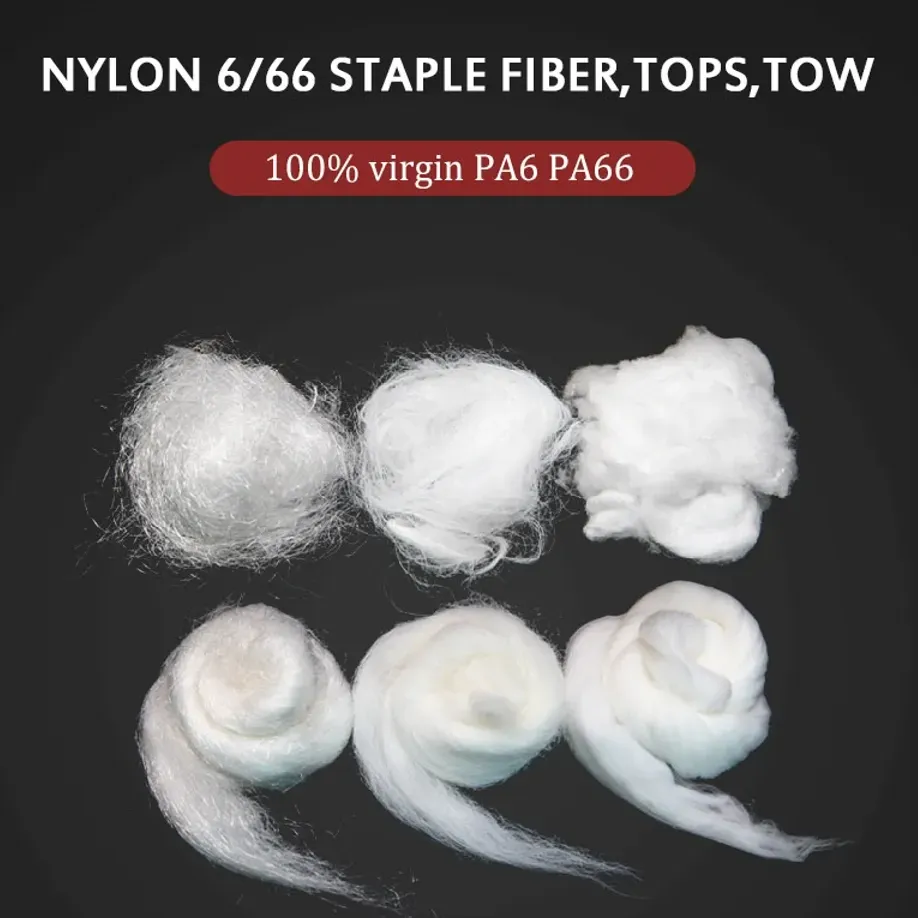
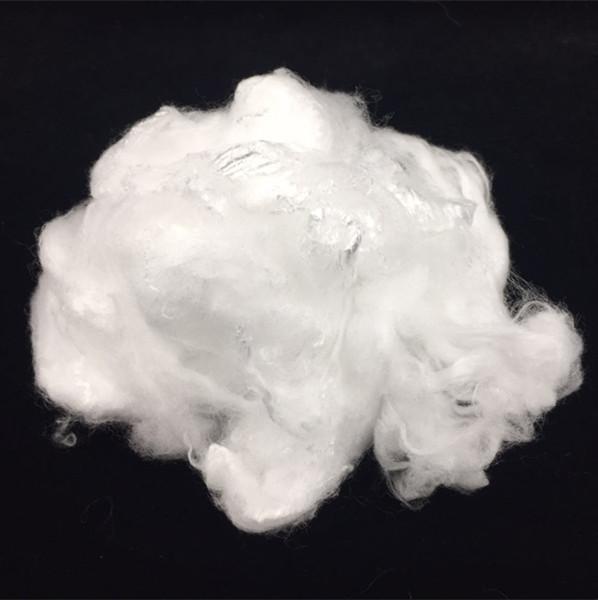
Exploring Nylon 66 Fiber: The Backbone of Modern Textiles
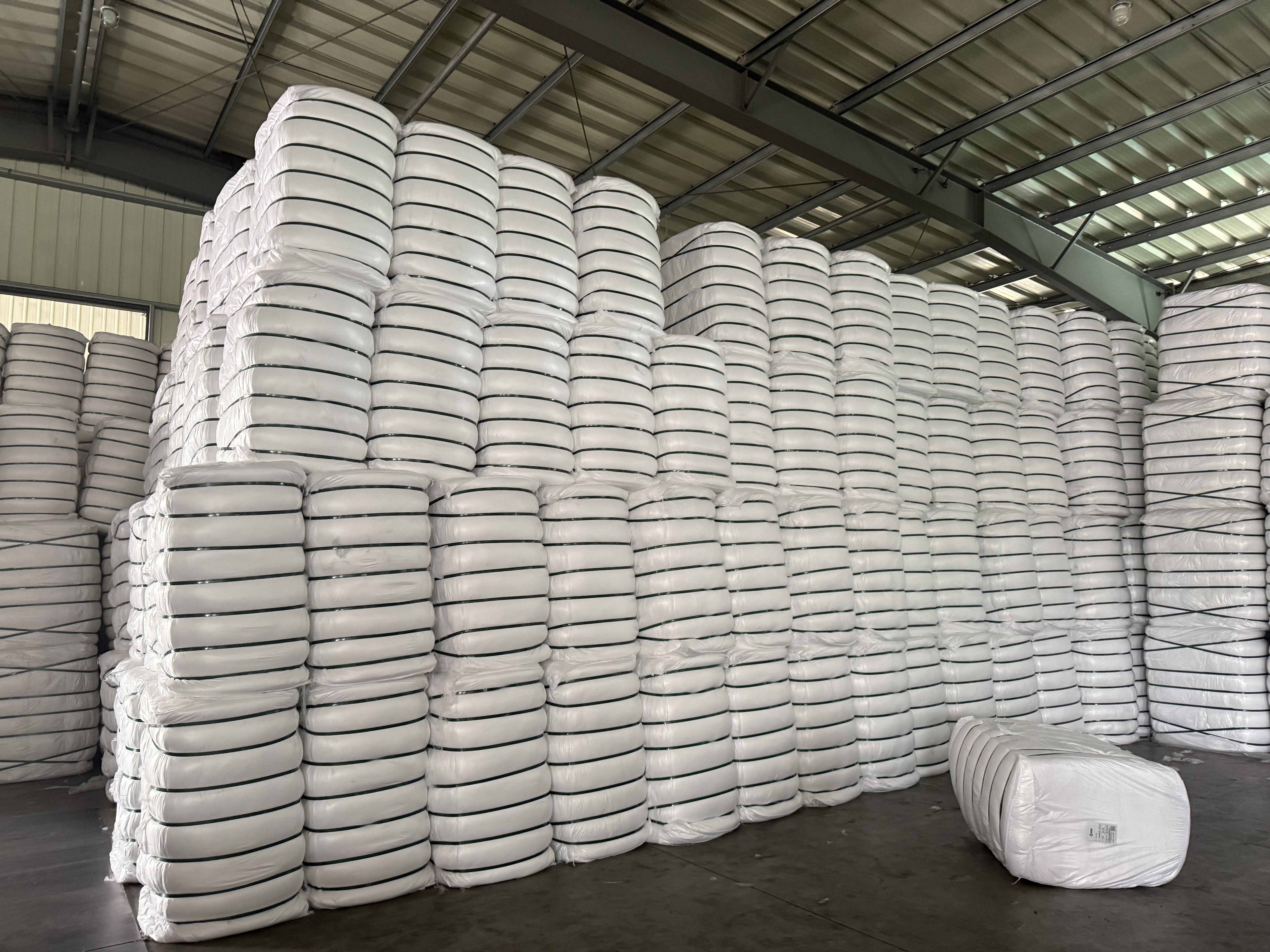
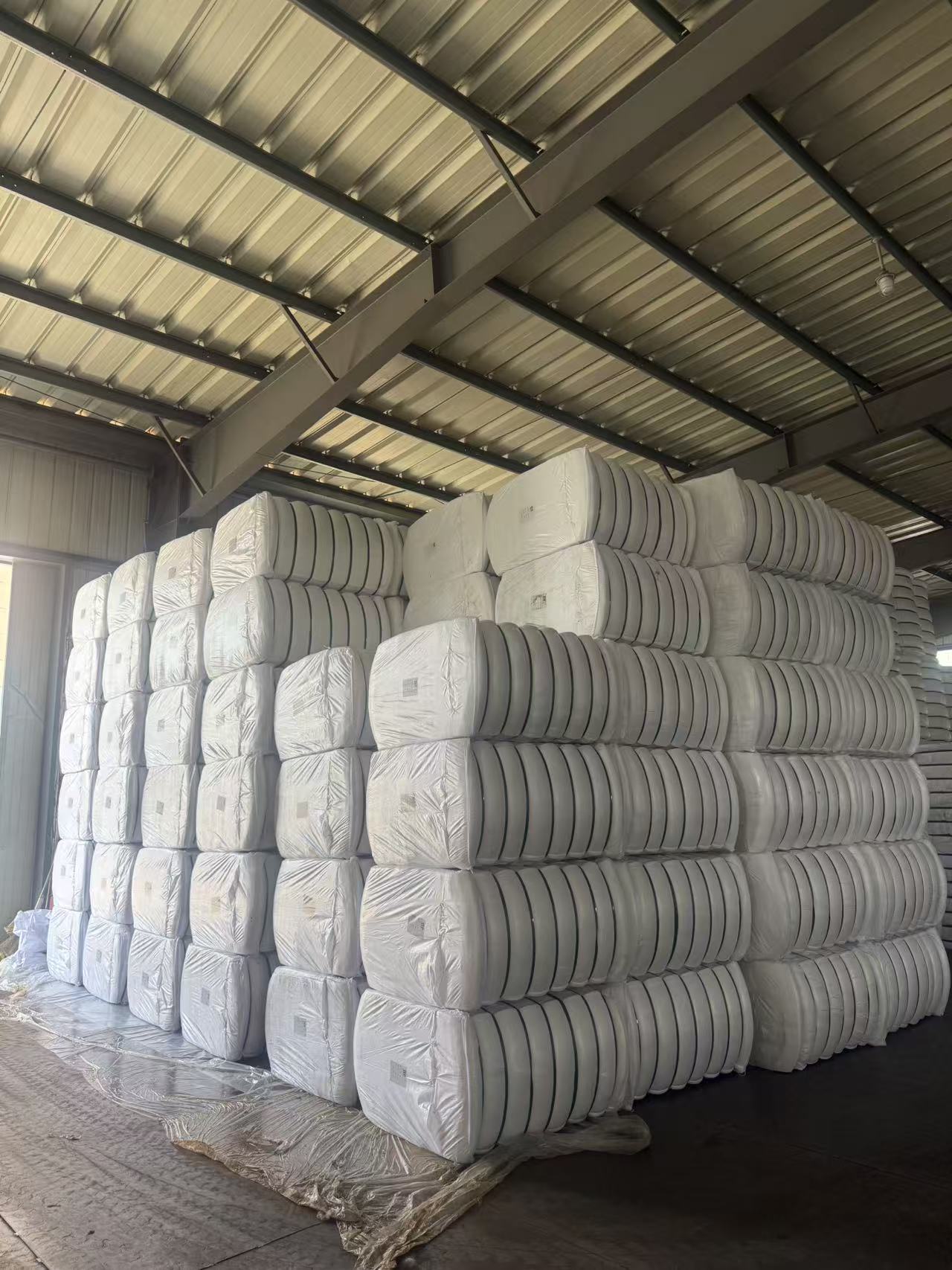
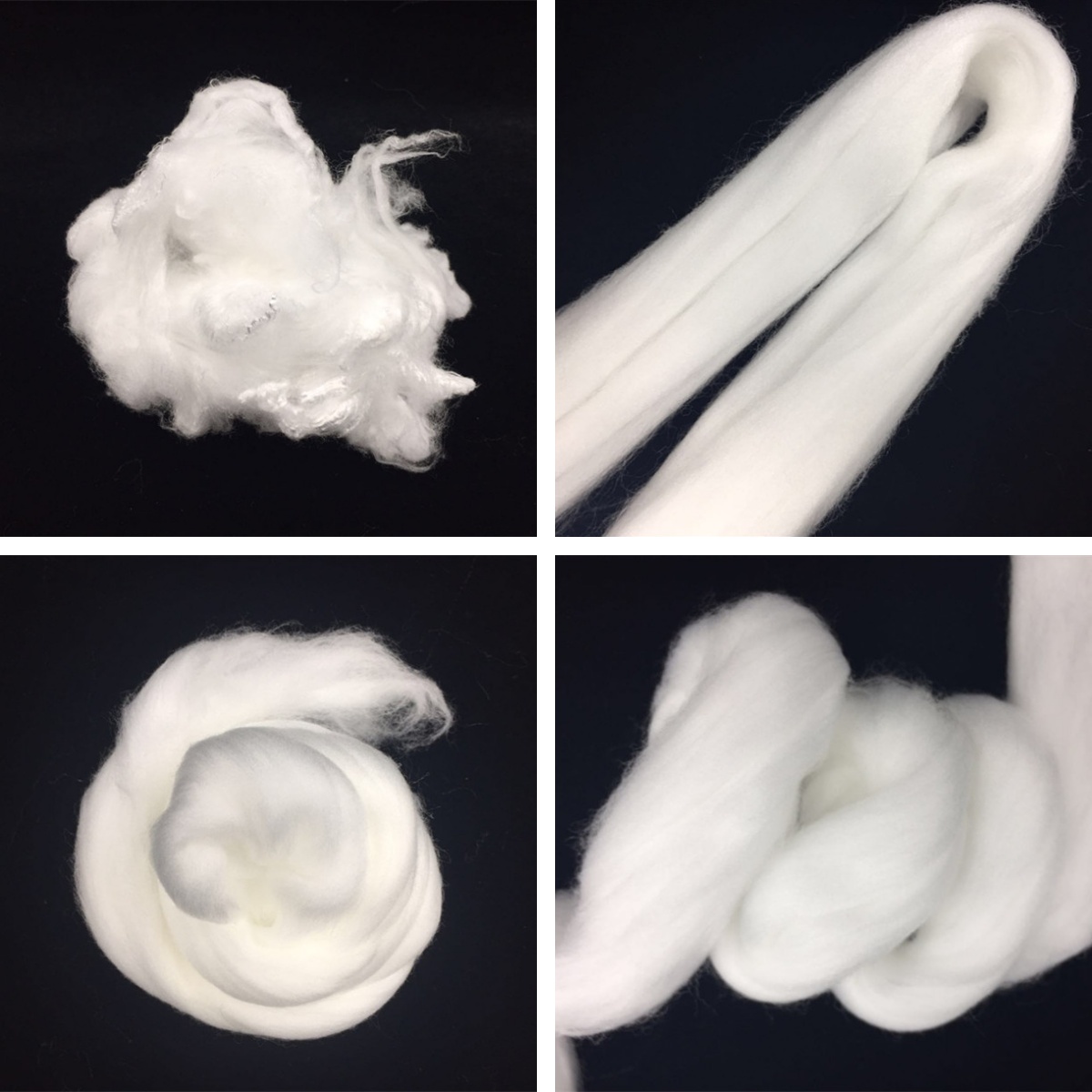
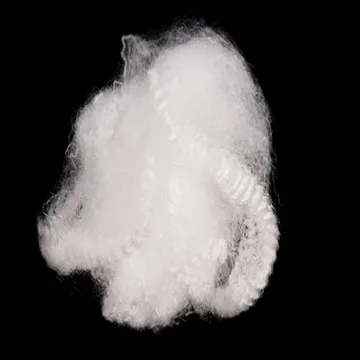
Nylon 66 fiber stands as a cornerstone in the world of synthetic materials, renowned for its robustness and versatility in various industries. At Ningbo Sinopec Fiber Co., Ltd., we've been at the forefront of nylon 66 fiber production since our founding in 1996. This polyamide fiber, derived from hexamethylenediamine and adipic acid, offers exceptional performance that meets the demands of today's manufacturers and designers. Our commitment to quality, backed by a team of 20 engineers and a sprawling 50,000 square meter facility, ensures that every batch of nylon 66 fiber delivers reliability and innovation.
Nylon 66 Properties: Strength and Resilience Defined
Delving into Nylon 66 properties reveals a material engineered for excellence. This fiber exhibits high tensile strength, making it one of the most durable nylon fibers available. Its melting point hovers around 255°C, providing superior heat resistance compared to many alternatives. Nylon 66 also boasts impressive elasticity, allowing it to recover quickly from stretching, which is crucial for applications requiring flexibility without compromise. At our factory, where we produce 100-150 tons daily, these properties are meticulously controlled through advanced processing techniques. The fiber's low moisture absorption ensures dimensional stability, even in humid environments, while its abrasion resistance withstands rigorous use over time. These attributes make Nylon 66 properties a preferred choice for products that must endure daily wear and tear.
Nylon 66 Applications: From Apparel to Industrial Uses
The Nylon 66 applications span a vast array of sectors, showcasing its adaptability. In the textile industry, it's woven into durable clothing like hosiery, sportswear, and parachutes, where high-strength nylon is essential for safety and performance. Automotive manufacturers rely on it for airbags and seat belts, leveraging its toughness. In engineering, Nylon 66 fiber finds its way into ropes, conveyor belts, and filtration systems, benefiting from its chemical resistance. Our company, with 150 dedicated employees, supplies these high-strength nylon variants to global partners, ensuring seamless integration into production lines. Even in home furnishings, such as carpets and upholstery, the fiber's resilience shines through, offering long-lasting beauty and functionality. These diverse Nylon 66 applications highlight why it's a staple in both consumer and industrial markets.
Nylon 66 Benefits: Efficiency and Sustainability in Focus
Among the standout Nylon 66 benefits is its cost-effectiveness paired with superior performance, reducing the need for frequent replacements and lowering overall expenses. The fiber's lightweight nature enhances fuel efficiency in applications like tire cords, contributing to environmental gains. Its recyclability aligns with modern sustainability goals, allowing for eco-friendly practices in manufacturing. At Ningbo Sinopec Fiber Co., Ltd., we emphasize these Nylon 66 benefits by incorporating energy-efficient processes in our 20,000 square meter production space. Users also appreciate the ease of dyeing and processing, which speeds up production timelines without sacrificing quality. Furthermore, the fiber's hypoallergenic qualities make it ideal for sensitive applications, ensuring comfort for end-users.
Nylon 66 vs Nylon 6: A Comparative Edge
When considering Nylon 66 vs Nylon 6, key differences emerge that guide material selection. Nylon 66 generally offers higher melting points and better resistance to prolonged heat exposure, making it suitable for demanding environments. While Nylon 6 excels in flexibility, Nylon 66 provides enhanced rigidity and dimensional stability, particularly under load. In terms of production, Nylon 66 requires a two-step polymerization process, which, at our facility, yields a more crystalline structure for superior strength. Nylon 66 vs Nylon 6 also shows variances in moisture sensitivity, with Nylon 66 absorbing less water, thus maintaining properties in varied conditions. For industries prioritizing durability, Nylon 66 often edges out, as evidenced by our PA66 output tailored for high-performance needs.
The Nylon 66 Manufacturing Process: Precision at Every Step
The Nylon 66 manufacturing process begins with the precise reaction of its monomers under controlled conditions to form a polymer melt. This is followed by extrusion through spinnerets to create fine filaments, which are then drawn and textured for optimal properties. At Ningbo Sinopec Fiber Co., Ltd., our state-of-the-art equipment ensures uniformity, with cooling and winding stages preserving the fiber's integrity. Quality checks throughout the Nylon 66 manufacturing process, including tensile testing and microscopic analysis, uphold our standards. This meticulous approach not only enhances the durable nylon fibers we produce but also minimizes waste, supporting sustainable operations. The end result is a high-strength nylon ready for spinning into yarns or direct industrial use, embodying our dedication to excellence.
In summary, Nylon 66 fiber continues to drive innovation across textiles and beyond. With its robust properties, wide applications, and clear benefits over competitors like Nylon 6, it's no wonder this material remains indispensable. We at Ningbo Sinopec Fiber Co., Ltd. invite inquiries for partnerships, ready to supply premium Nylon 66 fiber that elevates your projects.