Exploring Nylon 66 Fiber: The Backbone of Modern Textiles
Nylon 66 fiber stands as a cornerstone in the world of synthetic textiles, renowned for its versatility and strength. Developed through a precise polymerization process, this polyamide material has revolutionized industries ranging from apparel to industrial applications. At Ningbo Sinopec Fiber Co., Ltd., we have been at the forefront of nylon 66 fiber production since 1996, leveraging our 50,000-square-meter facility to deliver high-quality PA66 fibers that meet global standards. Our commitment to innovation ensures that every strand embodies durability and performance, making it an ideal choice for discerning manufacturers.
Nylon 66 Properties: Strength and Resilience Defined
Delving into nylon 66 properties reveals a material engineered for excellence. This fiber exhibits exceptional tensile strength, often surpassing that of natural fibers, which makes it highly resistant to abrasion and tearing. With a melting point around 255°C, nylon 66 fiber maintains structural integrity under high temperatures, while its low moisture absorption—typically under 4%—ensures consistent performance in humid environments. Elasticity is another hallmark, allowing the fiber to stretch up to 30% without permanent deformation, which is crucial for applications demanding flexibility. At our Ningbo facility, our team of 20 engineers meticulously tests these properties to guarantee that our nylon 66 fiber meets the rigorous demands of textile production. Additionally, its chemical resistance to oils and solvents enhances its longevity, positioning it as a reliable option for both consumer and industrial uses.
Nylon 66 Applications: From Everyday Wear to Heavy-Duty Solutions
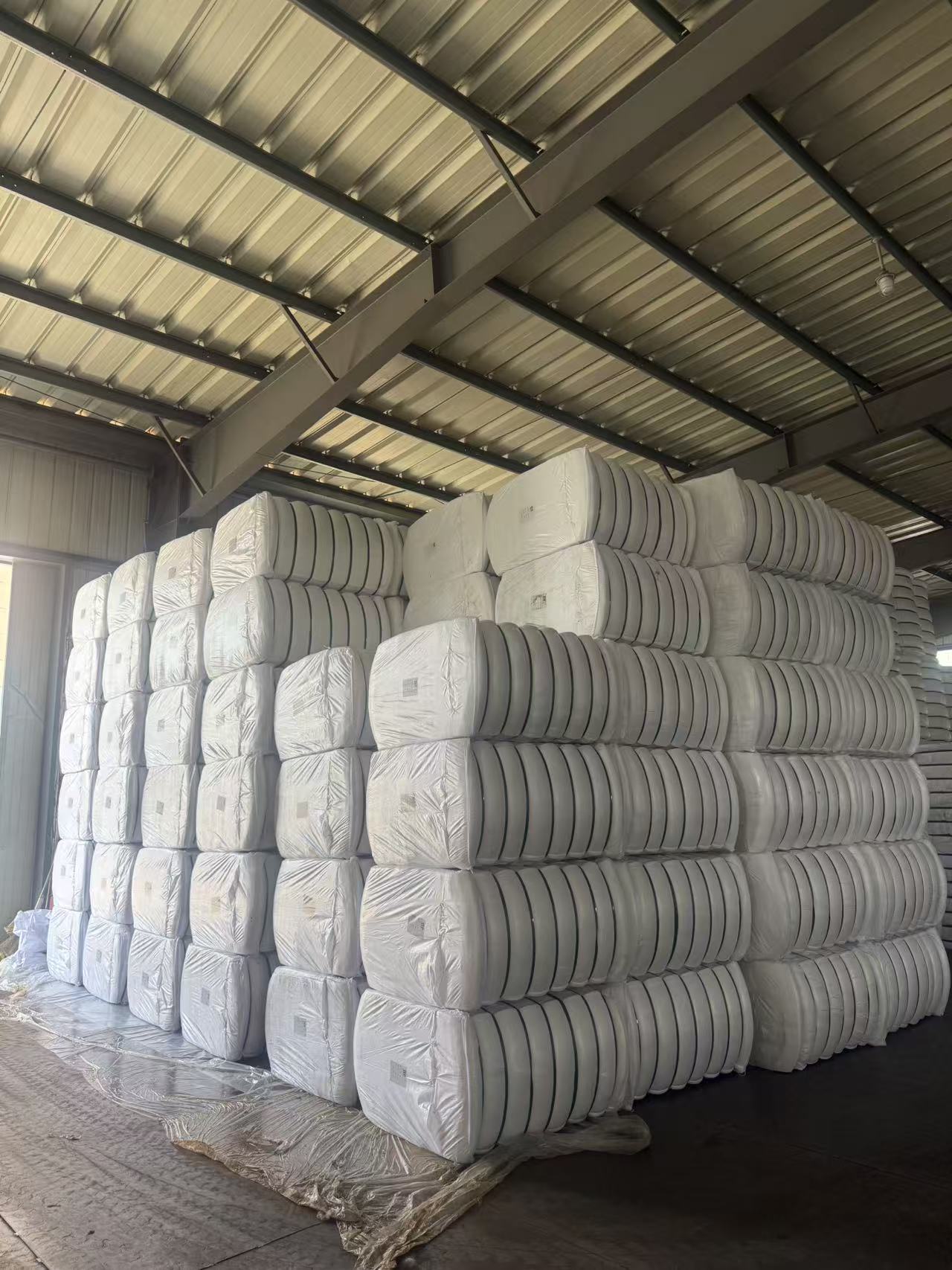
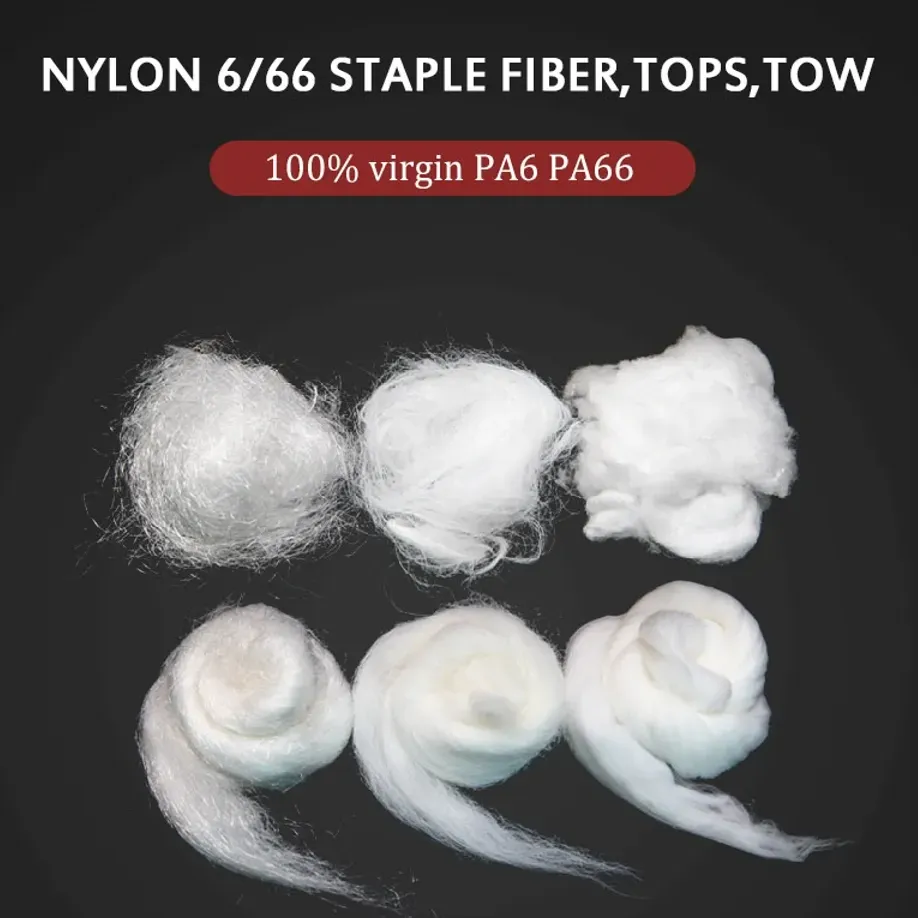
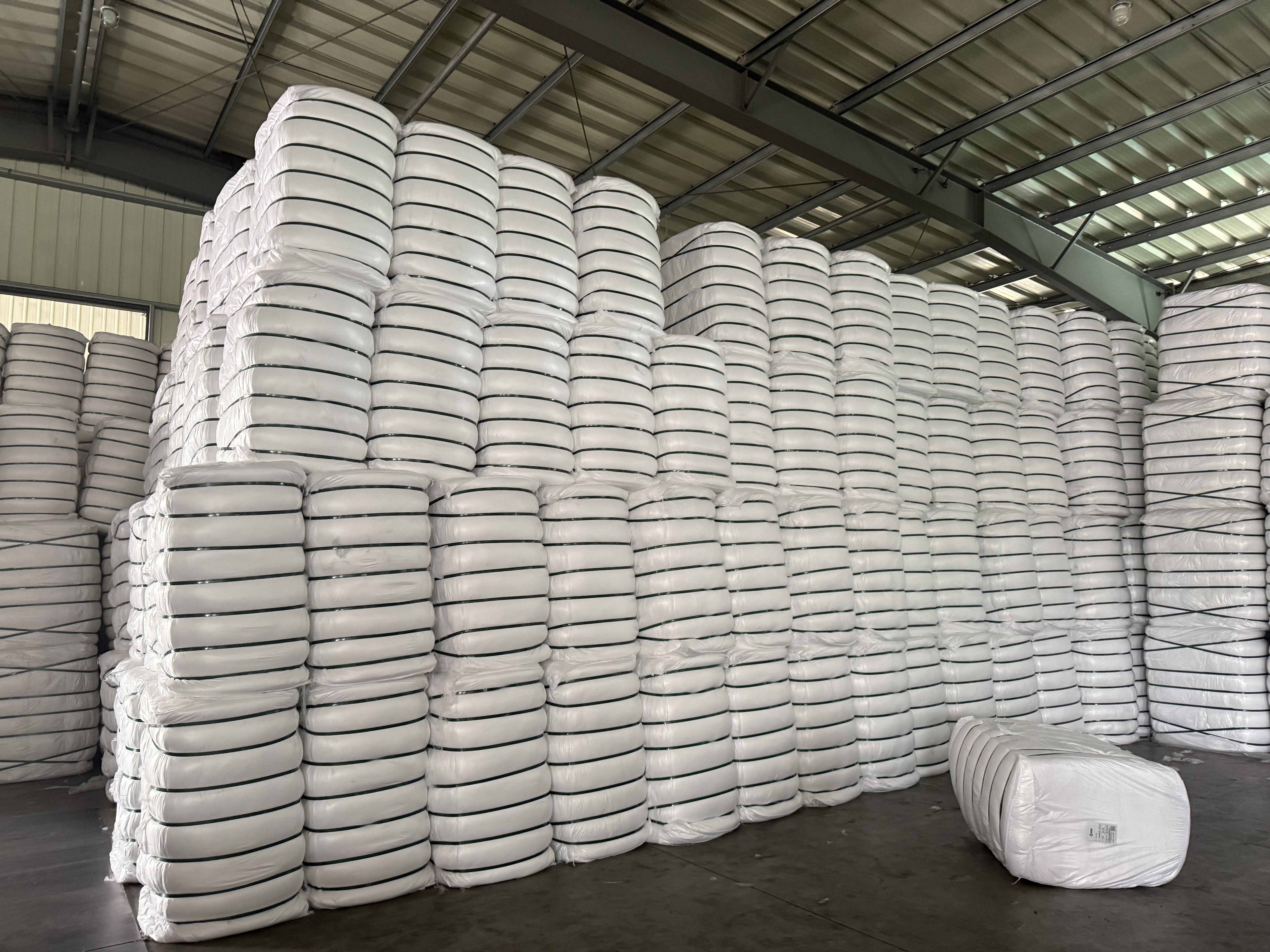
The applications of nylon 66 fiber are as diverse as they are impactful, spanning multiple sectors with seamless adaptability. In the apparel industry, it's woven into durable hosiery, sportswear, and parachutes, where its lightweight nature and quick-drying capabilities shine. For automotive and aerospace, nylon 66 fiber reinforces tires, seat belts, and airbags, providing the high-strength nylon needed for safety-critical components. In home furnishings, it's transformed into resilient carpets and upholstery that withstand daily wear. Ningbo Sinopec Fiber Co., Ltd. supports these applications through our daily output of 100-150 tons, supplying bulk-packaged fibers that align with large-scale production needs, much like the compressed bales we prepare for efficient global distribution. This versatility extends to fishing lines and ropes, where its knot-holding strength proves invaluable.
Nylon 66 Benefits: Why It Outshines Competitors
The benefits of nylon 66 fiber are manifold, offering unmatched value in performance and sustainability. Its superior durability reduces replacement frequency, leading to cost savings over time, while the fiber's recyclability aligns with eco-conscious manufacturing practices. Compared to other synthetics, nylon 66 fiber provides better dyeability, resulting in vibrant, long-lasting colors that enhance aesthetic appeal. For businesses, its ease of processing—through spinning, weaving, or knitting—streamlines production workflows. At Ningbo Sinopec Fiber Co., Ltd., we emphasize these benefits by producing fibers with consistent quality, backed by our 150 dedicated employees. Whether enhancing the softness of bedding fills or the toughness of industrial straps, the nylon 66 benefits ensure products that are both functional and comfortable, catering to modern demands for reliability.
Nylon 66 vs Nylon 6: A Comparative Edge
When comparing nylon 66 vs nylon 6, distinct differences emerge that highlight nylon 66 fiber's advantages in specific scenarios. Nylon 66, derived from hexamethylenediamine and adipic acid, boasts higher crystallinity and thus greater strength and heat resistance than nylon 6, which is made from caprolactam. This makes nylon 66 fiber preferable for high-stress environments like conveyor belts or geotextiles, where nylon 6 might falter under prolonged tension. However, nylon 6 offers better acid resistance, suiting chemical exposure applications. In terms of processing, nylon 66 fiber's higher melting point demands precise control, a specialty at our 20,000-square-meter production space, ensuring optimal fiber formation. Ultimately, the choice hinges on application needs, but for durable nylon fibers requiring robustness, nylon 66 consistently delivers superior results.
Durable Nylon Fibers and High-Strength Nylon in Action
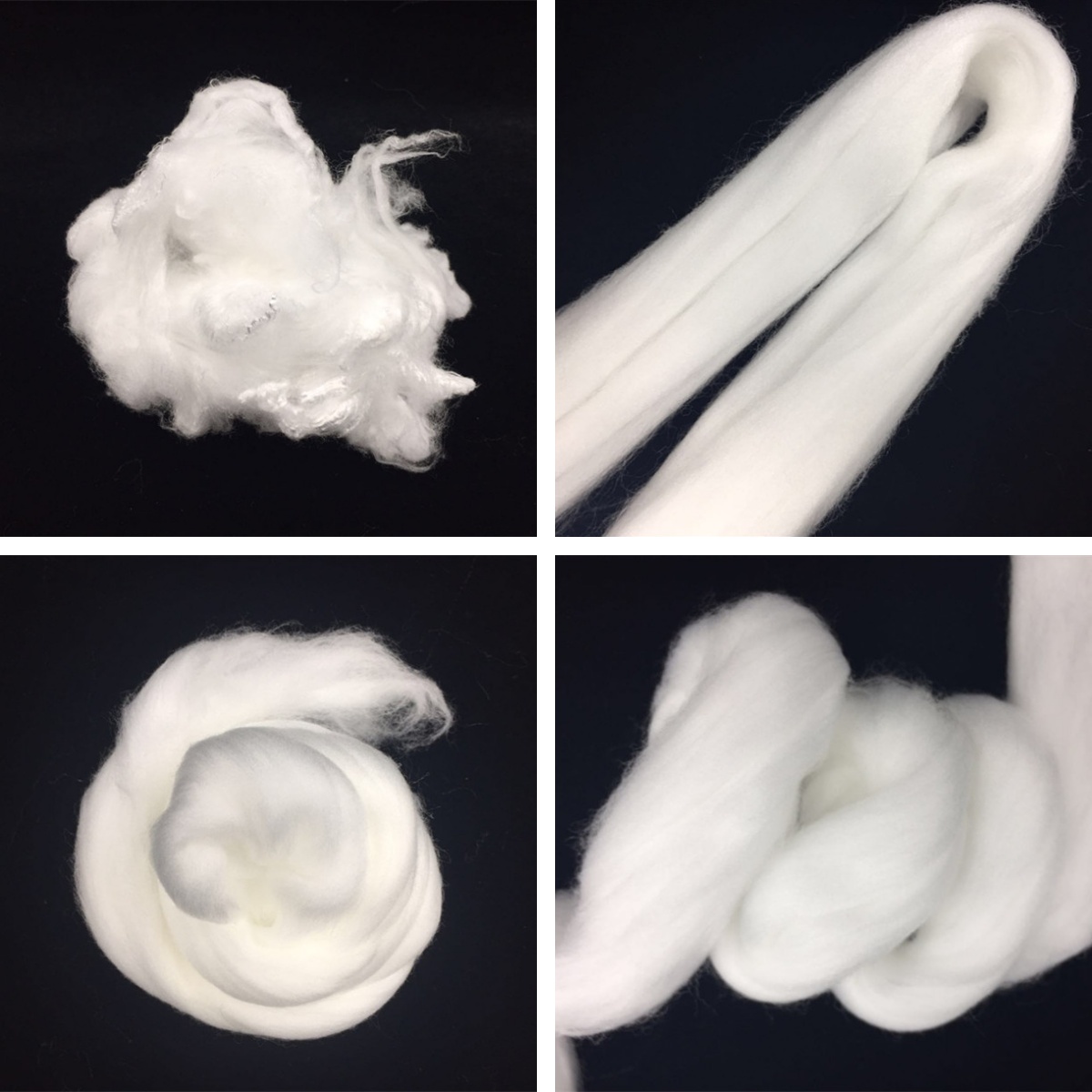
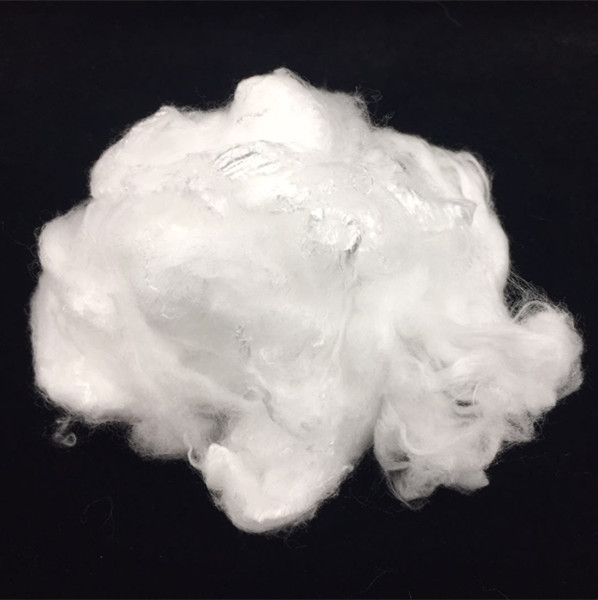
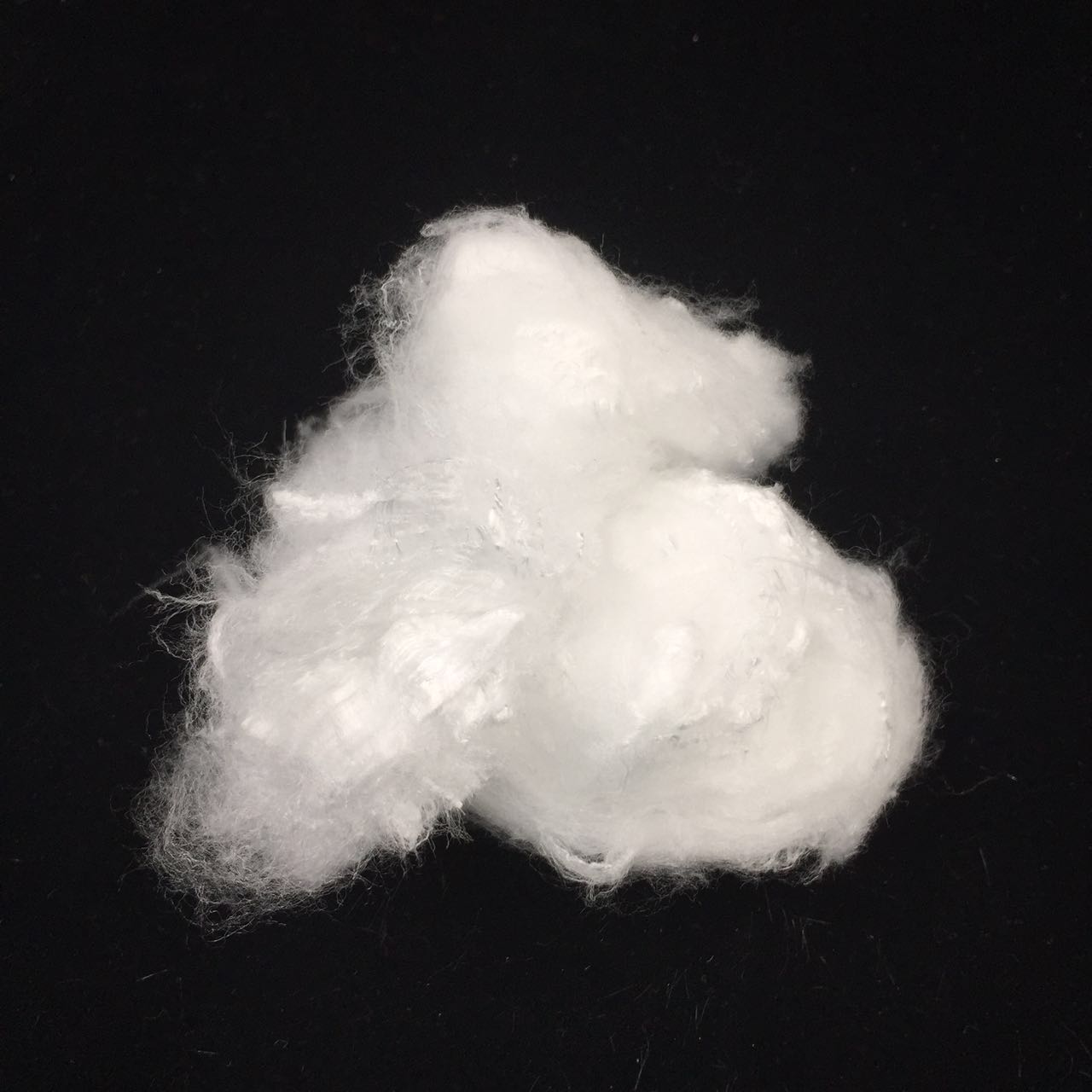
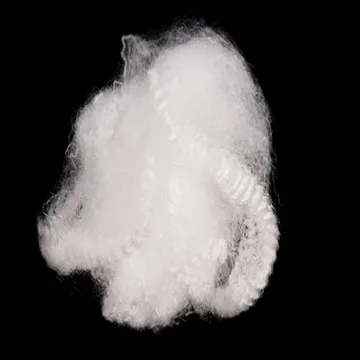
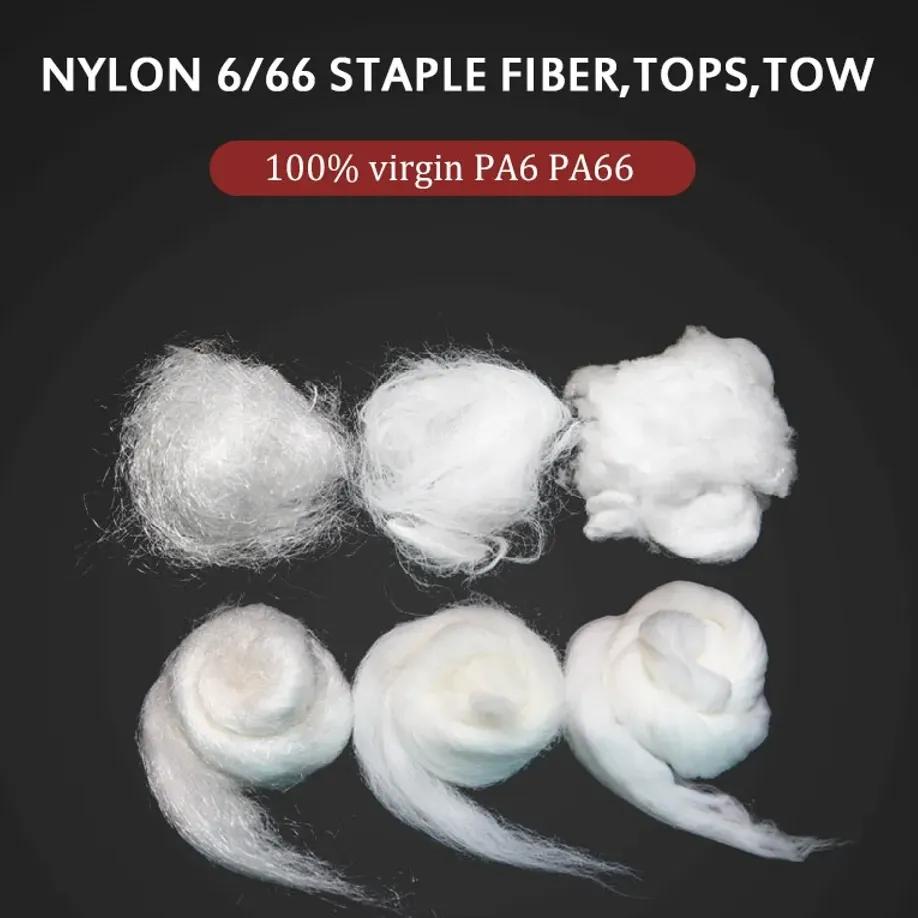
Durable nylon fibers like nylon 66 fiber exemplify the pinnacle of high-strength nylon engineering. These fibers are designed to endure mechanical stresses, with tensile strengths exceeding 8 grams per denier, making them indispensable in reinforcement materials for composites and composites. In the textile realm, they contribute to the creation of abrasion-resistant fabrics for workwear and outdoor gear. Ningbo Sinopec Fiber Co., Ltd. harnesses advanced techniques to produce these high-strength variants, often showcased in our premium fiber displays that highlight their soft yet resilient textures. From spiraled bundles for knitting to tightly intertwined stretches for weaving, durable nylon fibers adapt effortlessly, ensuring products that balance comfort with unyielding performance across industries.
The Nylon 66 Manufacturing Process: Precision at Its Core
The nylon 66 manufacturing process begins with the polymerization of its monomers in a controlled reactor, forming a molten polymer that is extruded through spinnerets to create fine filaments. This step, followed by drawing and texturing, imparts the desired high-strength nylon characteristics. At our factory, this process is optimized for efficiency, yielding fibers with uniform diameter and exceptional clarity. Cooling, winding, and quality checks ensure that each batch meets stringent standards, ready for baling and distribution. With a focus on sustainability, we incorporate energy-efficient methods to minimize waste, producing nylon 66 fiber that not only performs but also supports responsible production. This meticulous approach allows us to invite partnerships, delivering tailored solutions for your textile needs.