Discovering Nylon 66 Fiber: Strength and Versatility in Modern Manufacturing
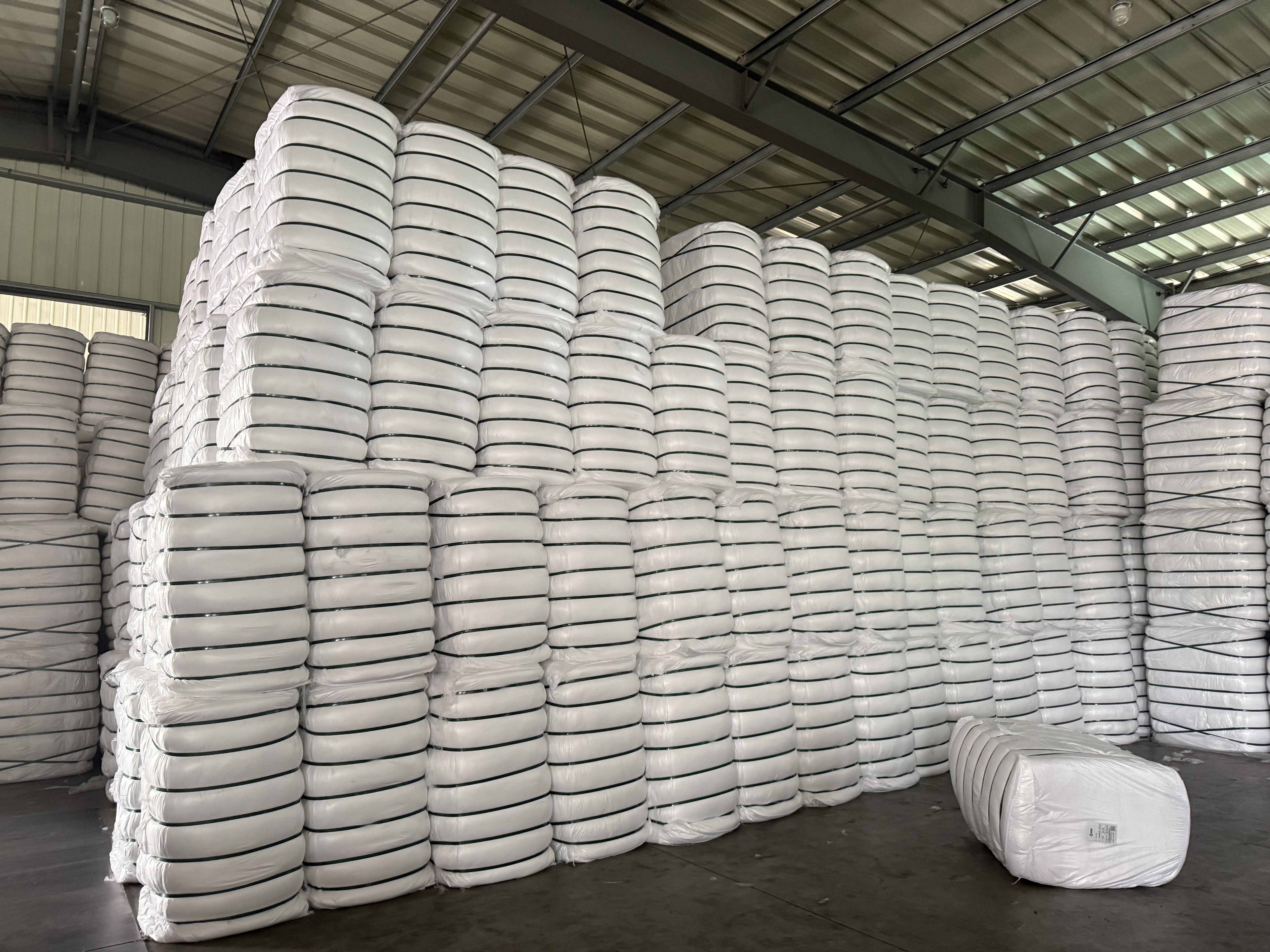
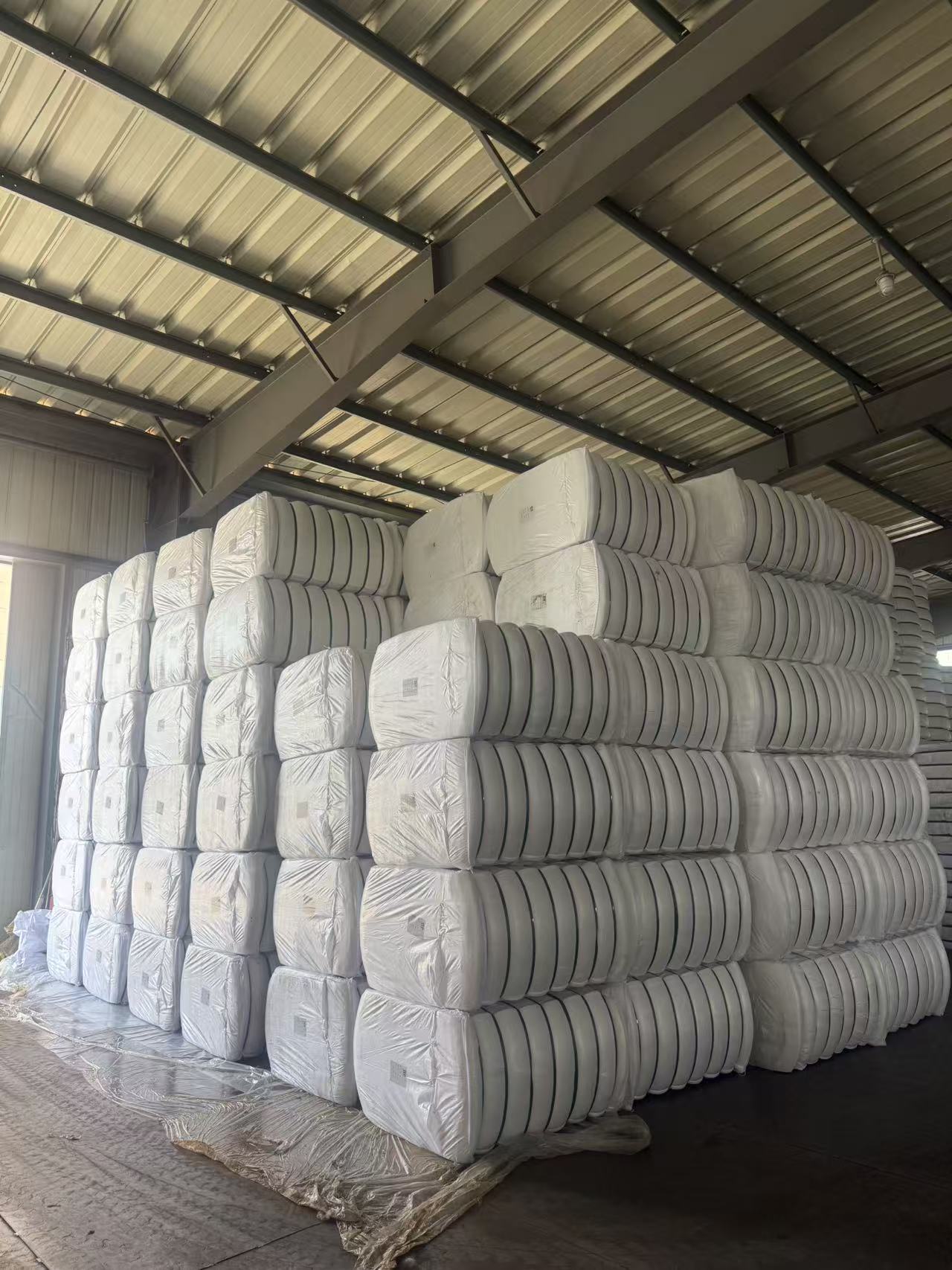
Nylon 66 fiber stands as a cornerstone in the world of synthetic polymers, renowned for its exceptional durability and wide-ranging applications. At Ningbo Sinopec Fiber Co., Ltd., we have been at the forefront of producing high-quality nylon 66 fiber since our founding in 1996. This material, a type of polyamide, is crafted through a meticulous process that ensures reliability for industries worldwide. Our state-of-the-art facility, spanning 50,000 square meters with 20,000 square meters dedicated to production, allows us to deliver 100-150 tons daily, meeting the demands of partners seeking premium nylon solutions.
Understanding Nylon 66 Properties
Nylon 66 properties make it a preferred choice for demanding environments. This fiber exhibits remarkable tensile strength, often surpassing that of many other synthetics, which contributes to its classification as a high-strength nylon. Its melting point hovers around 255°C, providing excellent thermal stability, while its low moisture absorption ensures consistent performance even in humid conditions. Additionally, nylon 66 fiber boasts impressive abrasion resistance, making it ideal for products that endure friction and wear. These attributes stem from its molecular structure, formed by the polymerization of hexamethylenediamine and adipic acid, resulting in a robust crystalline form. At our company, we emphasize these nylon 66 properties in every batch, with our 20 engineers overseeing quality control to guarantee uniformity and purity.
Exploring Nylon 66 Applications
The versatility of nylon 66 applications spans multiple sectors, from textiles to automotive components. In the textile industry, it's woven into durable fabrics for clothing, parachutes, and ropes, where its strength supports safety-critical uses. Automotive manufacturers rely on nylon 66 fiber for airbags, seat belts, and engine parts, appreciating its lightweight yet tough nature as a durable nylon fiber. In industrial settings, it's molded into gears and bearings, leveraging its self-lubricating qualities. Our neatly organized warehouse, filled with precision-wrapped rolls, showcases how we prepare these fibers for seamless integration into your production lines. Whether for construction reinforcements or consumer goods, nylon 66 applications highlight its adaptability, and our robust production capacity ensures timely supply for large-scale projects.
Unveiling the Nylon 66 Benefits
Nylon 66 benefits extend beyond mere strength to include economic and environmental advantages. This high-strength nylon offers cost-efficiency due to its longevity, reducing replacement needs in applications like conveyor belts or fishing nets. Its recyclability aligns with sustainable practices, allowing reuse in various forms without significant loss in quality. Compared to natural fibers, nylon 66 fiber provides superior resistance to chemicals and UV light, enhancing product lifespan. For businesses, partnering with a reliable producer like Ningbo Sinopec Fiber Co., Ltd. means accessing these nylon 66 benefits through consistent, high-volume deliveries. Our commitment to excellence, backed by 150 dedicated employees, ensures that every roll of our durable nylon fibers arrives in pristine condition, wrapped for protection against moisture and damage.
Comparing Nylon 66 vs Nylon 6
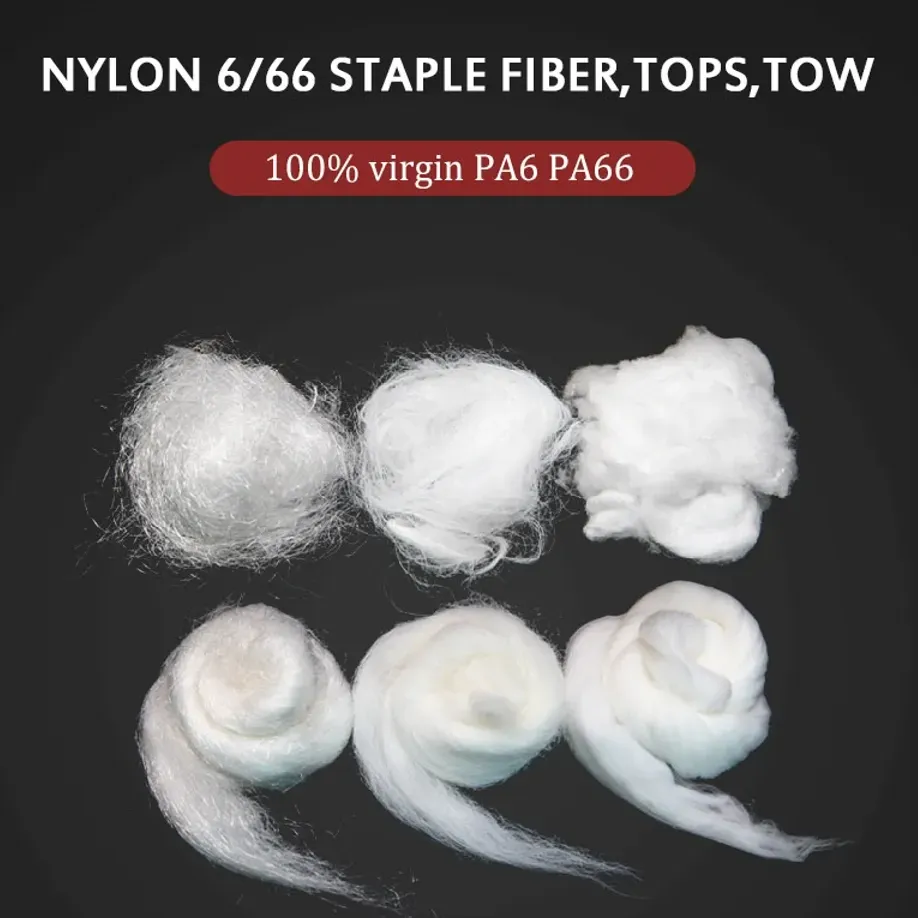
When evaluating nylon 66 vs Nylon 6, key differences emerge in structure and performance. Nylon 66, with its even-numbered carbon chain, achieves higher crystallinity and thus greater strength and heat resistance than Nylon 6, which is derived from caprolactam. While both are polyamides, nylon 66 fiber excels in high-temperature applications, making it preferable for engineering plastics. Nylon 6 might offer better elasticity for certain textiles, but nylon 66's superior modulus suits rigid components. In our production, we specialize in both PA6 and PA66, allowing clients to select based on specific needs. This comparison underscores why nylon 66 remains a staple in industries requiring unyielding performance.
The Nylon 66 Manufacturing Process
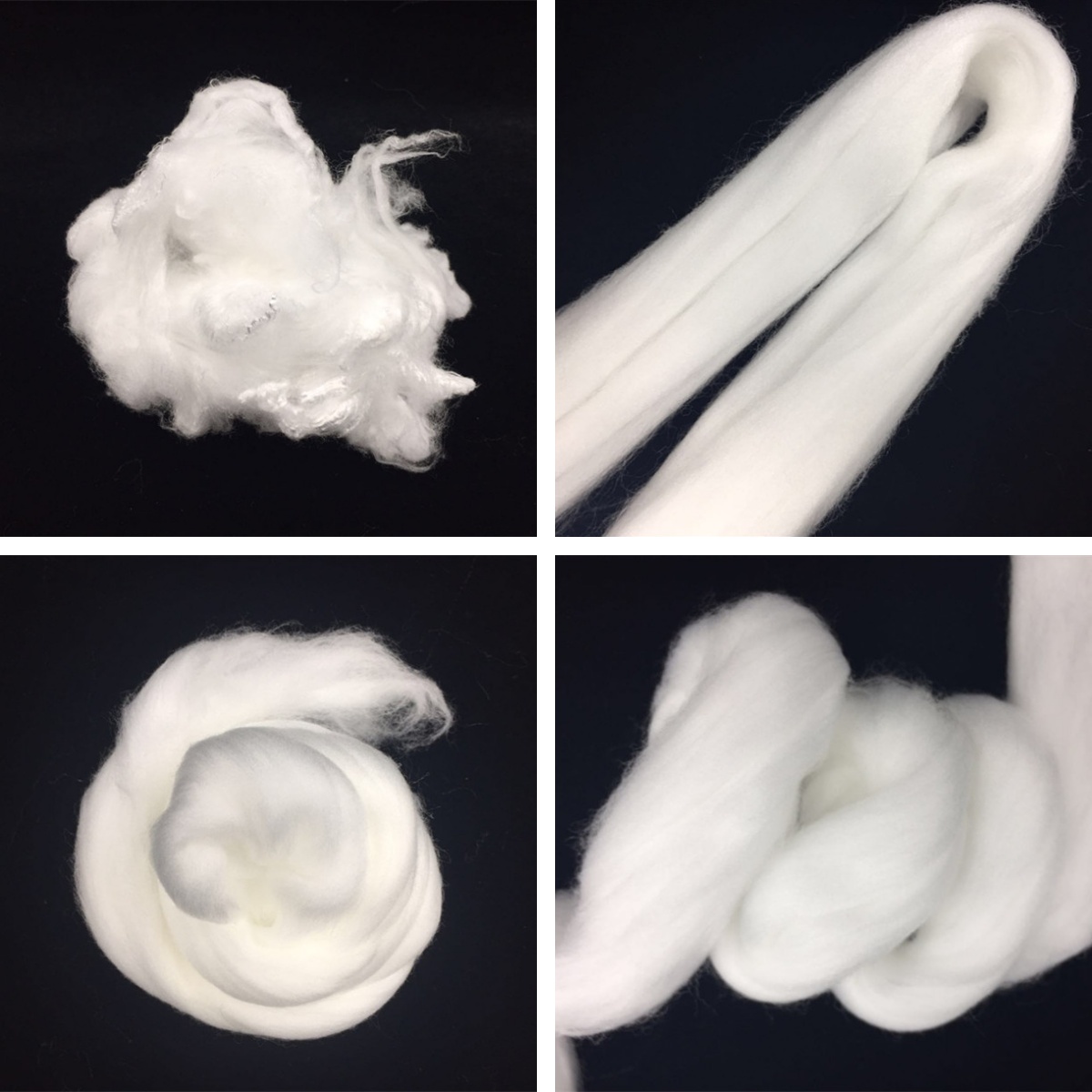
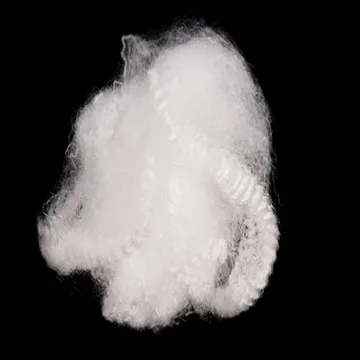
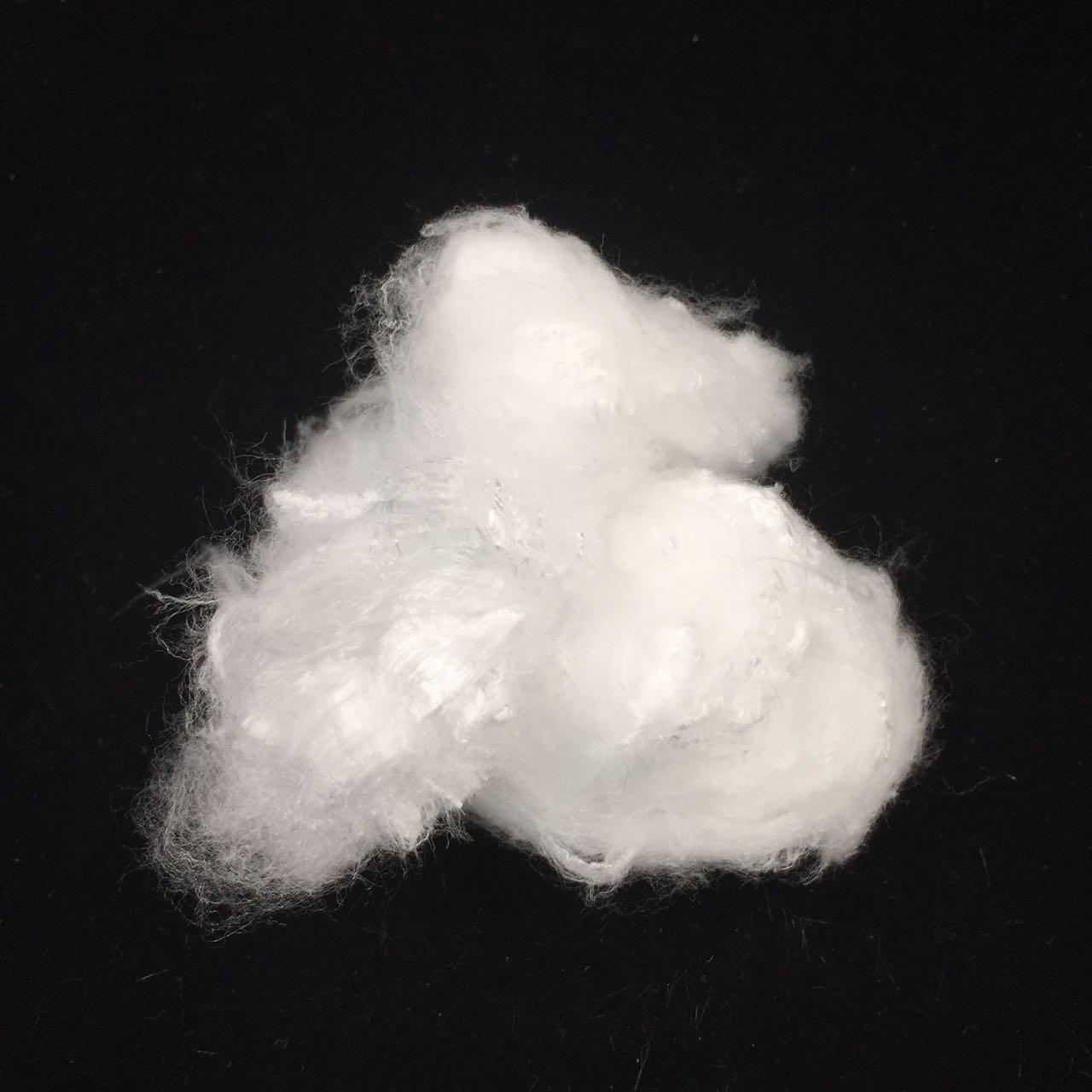
The nylon 66 manufacturing process begins with the precise reaction of monomers under controlled conditions, forming a polymer melt that's extruded into fibers. At our facility, this involves spinning the molten nylon into fine filaments, followed by drawing to enhance orientation and strength. Quality checks ensure the resulting high-strength nylon meets exact specifications, from denier to elongation. Our process emphasizes efficiency, with automated systems maximizing output while minimizing waste. The end product—soft, combed tops or twisted rovings—arrives in hygienic, space-efficient packages, ready for your operations. This dedication to the nylon 66 manufacturing process has solidified our reputation as a trusted partner since 1996, inviting long-term collaborations for innovative applications.