logoNingbo Sinopec Fiber Co.,Ltd

Nylon Fiber Characteristics: A Revolution in Textiles

  • blog
Posted by Ningbo Sinopec Fiber Co.,Ltd On May 26 2025
title

Nylon Fiber Characteristics: Revolutionizing the Textile Industry


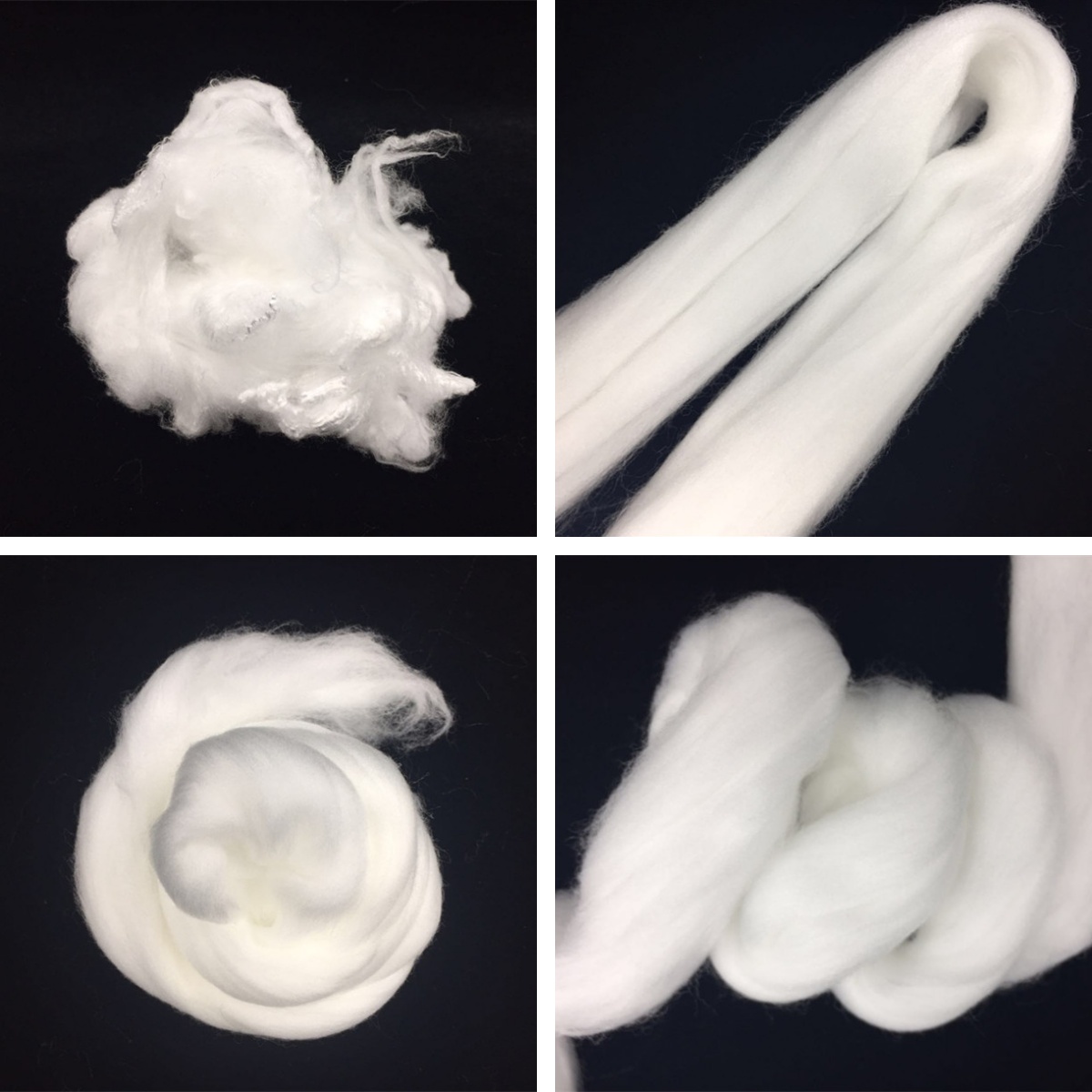
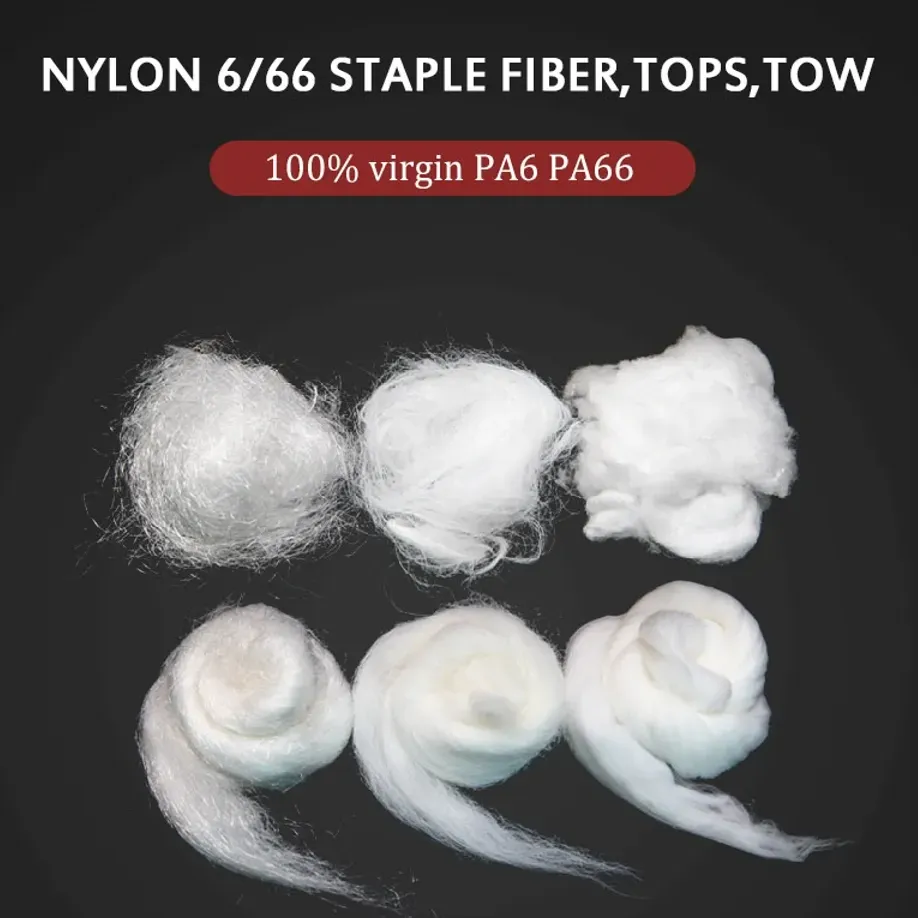
Nylon fiber characteristics are at the forefront of textile development, showcasing properties that are advancing the fabric industry at an incredible pace. Renowned for its strength and durability, nylon fiber strength is a critical factor that guarantees long-lasting application in various textile products. With a notable resistance to abrasions and a commendable elasticity, the fiber offers versatility for uses across different sectors, including fashion and industrial applications.

Properties of Nylon Fiber


Among the standout features of nylon fibers is their exceptional elasticity, which allows them to rebound and maintain shape even after repeated stretching. This characteristic makes nylon ideal for garments requiring flexibility. Similarly, nylon fiber moisture resistance ensures that these fibers do not weaken when exposed to wet environments, crucial for durable outdoor clothing and gear.

Additionally, nylon fiber displays remarkable abrasion resistance, contributing to its robustness. This complements its durability, making nylon an obvious choice for high-performance textiles. Nylon fiber durability, therefore, becomes a pivotal quality, reducing wear and tear and extending the lifespan of the products that employ this material.

Innovation with Polypropylene Staple Fiber


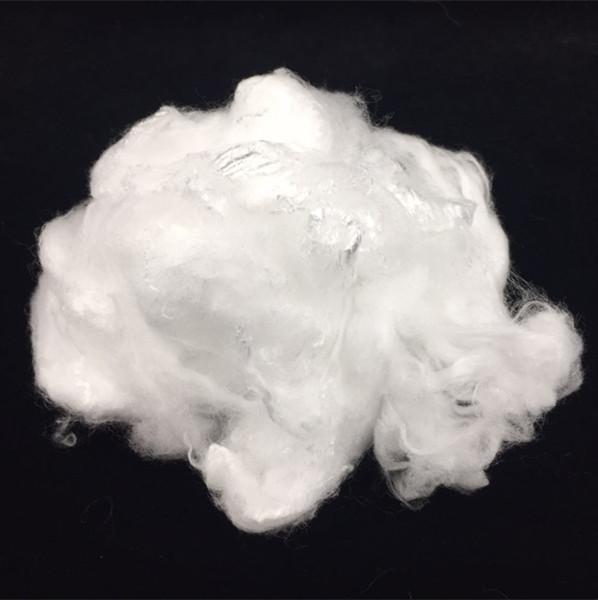
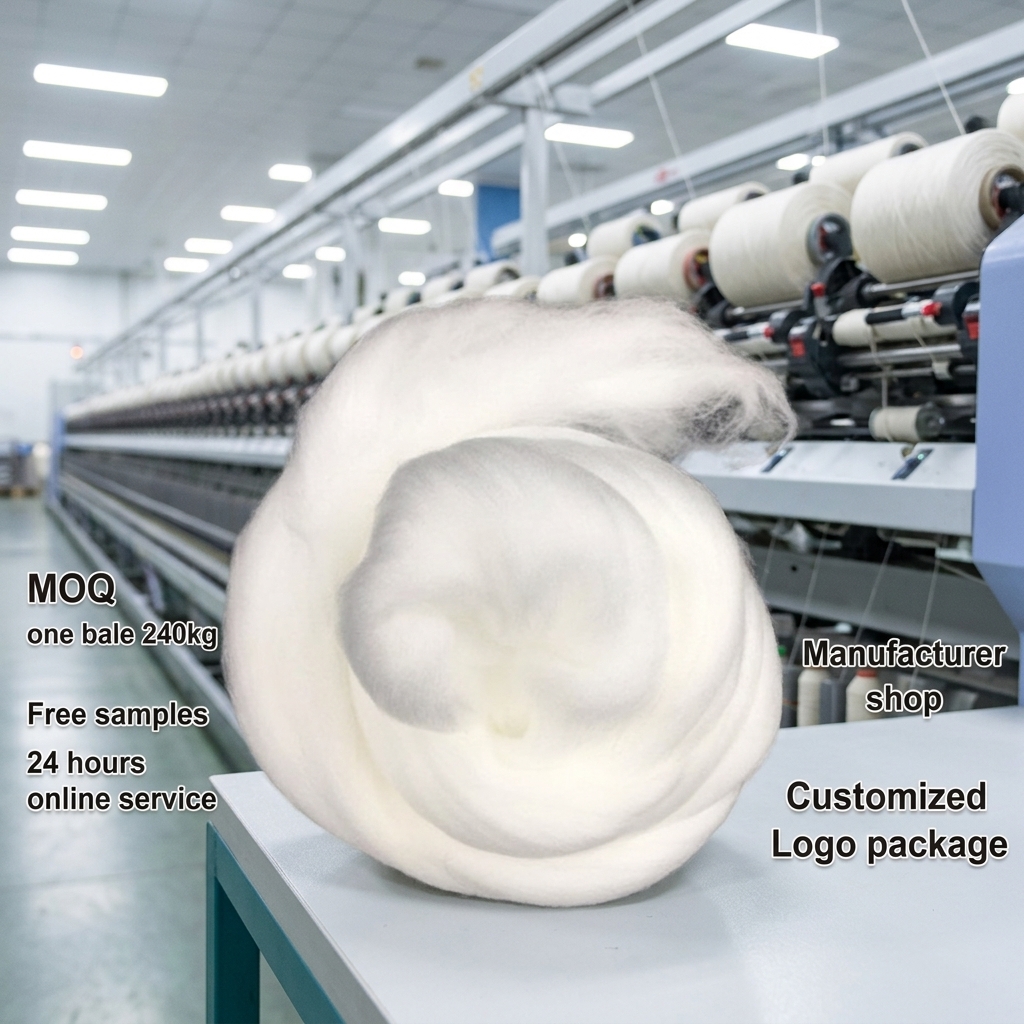
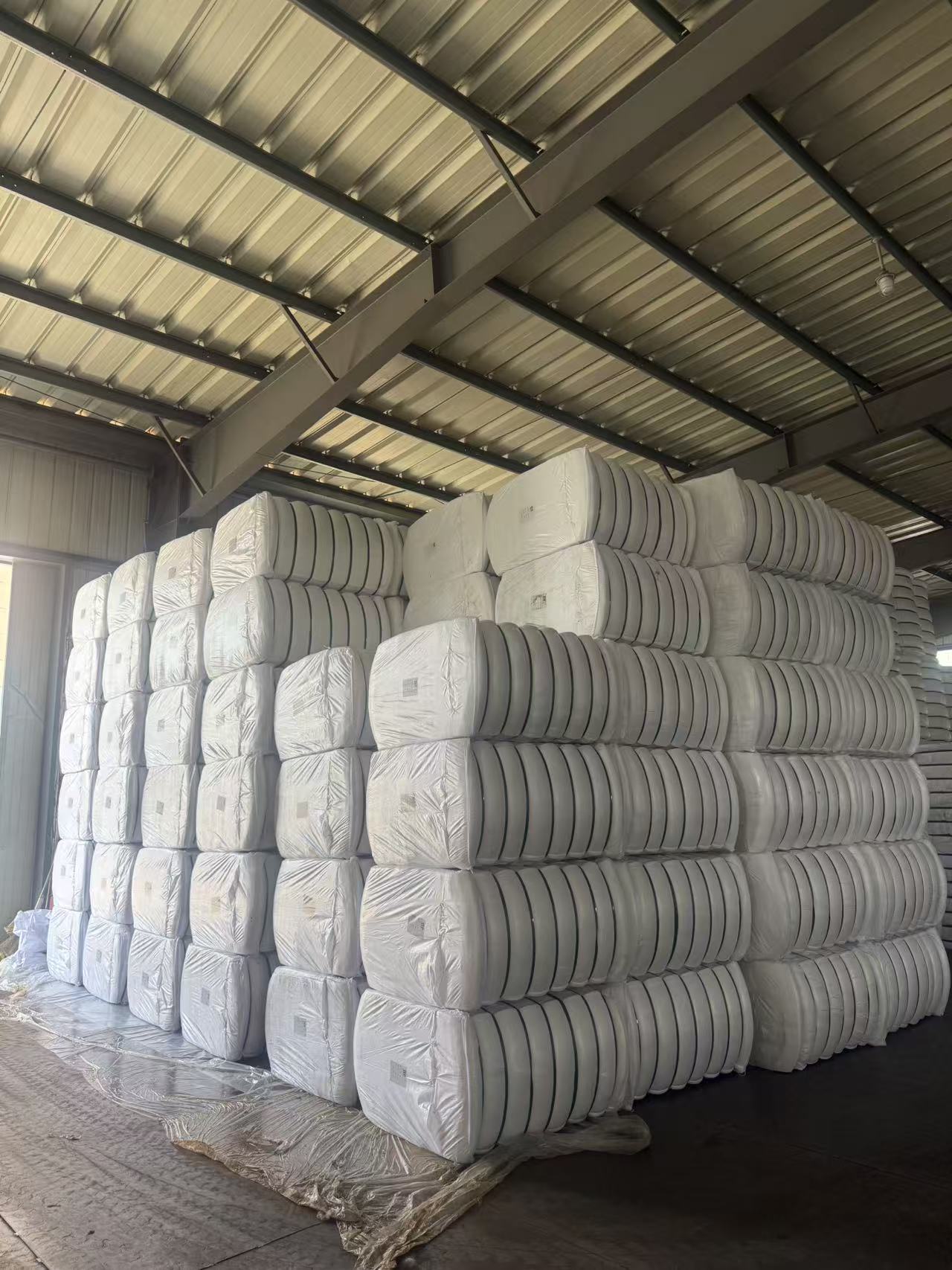
The textile industry is further enriched by products such as Polypropylene Staple Fiber. Known for its pristine white appearance and high-grade construction, it offers unmatched purity and versatility. While Nylon showcases moisture and abrasion resistance, Polypropylene Staple Fiber excels in weather-resistant capabilities and structural integrity under stress.

This innovation is tailored for diverse applications like nonwovens and automotive interiors, emphasizing efficiency and comfort. Its lightweight design enhances comfort while maintaining its promise of sustainability through recyclability. Companies integrating Polypropylene Staple Fiber into their products exhibit a dedication to eco-friendly practices, setting benchmarks that align with modern consumer demands.

Both nylon and polypropylene fibers reflect an evolution in textile materials, with properties that cater to different needs. By understanding and leveraging the characteristics of nylon fiber and innovations like Polypropylene Staple Fiber, manufacturers forge a path toward a future where textiles are synonymous with durability, flexibility, and environmental consciousness.
Categories

Featured Blogs

Tag:

  • day
Share On
Featured Blogs
Nylon 6 Tops: What Buyers Should Know Before Sourcing Bulk Fiber

Nylon 6 Tops: What Buyers Should Know Before Sourcing Bulk Fiber

1. Why Nylon 6 tops matter in bulk fiber sourcing 2. What buyers should understand before they compare options 3. Why nylon 6 is often chosen for industrial fiber applications 4. How to evaluate a supplier like Ningbo Sinopec Fiber Co., Ltd. 5. Common mistakes when buying bulk tops and fiber bundles 6. When a supplier relationship is more valuable than a one-off order 7. Next step for sourcing teams

Exploring Nylon 66 Fiber: Properties, Benefits, and Applications

Exploring Nylon 66 Fiber: Properties, Benefits, and Applications

1. Exploring Nylon 66 Fiber: A Cornerstone of Modern Textiles 2. Nylon 66 Properties: Strength and Resilience Defined 3. Nylon 66 Applications: From Textiles to Industrial Uses 4. Nylon 66 Benefits: Why It Outshines Competitors 5. Nylon 66 vs Nylon 6: Key Differences in Performance 6. The Nylon 66 Manufacturing Process: Precision and Innovation

Nylon 66 Fiber: Properties, Benefits, and Applications

Nylon 66 Fiber: Properties, Benefits, and Applications

1. Discovering Nylon 66 Fiber: The Backbone of Modern Textiles 2. Nylon 66 Properties: What Makes It Exceptional 3. Nylon 66 Applications: Versatility Across Industries 4. Nylon 66 Benefits: Why Choose This High-Performance Material 5. Nylon 66 vs Nylon 6: A Comparative Insight 6. Durable Nylon Fibers and High-Strength Nylon in Action 7. Nylon 66 Manufacturing Process: From Raw Materials to Finished Fiber

Nylon 66 Fiber high tenacity 6.00cn/dtex : Properties, Applications, and Benefits

Nylon 66 Fiber high tenacity 6.00cn/dtex : Properties, Applications, and Benefits

1. Exploring Nylon 66 Fiber: The Backbone of Modern Textiles 2. Nylon 66 Properties: Strength and Resilience Defined 3. Nylon 66 Applications: From Apparel to Industrial Uses 4. Nylon 66 Benefits: Efficiency and Sustainability in Focus 5. Nylon 66 vs Nylon 6: A Comparative Edge 6. The Nylon 66 Manufacturing Process: Precision at Every Step

Nylon 66 Fiber high tenacity 6.00cn/dtex : Properties, Applications & Manufacturing Insights

Nylon 66 Fiber high tenacity 6.00cn/dtex : Properties, Applications & Manufacturing Insights

1. Discovering Nylon 66 Fiber: Strength and Versatility in Modern Manufacturing 2. Understanding Nylon 66 Properties 3. Exploring Nylon 66 Applications 4. Unveiling the Nylon 66 Benefits 5. Comparing Nylon 66 vs Nylon 6 6. The Nylon 66 Manufacturing Process

Nylon 66 Fiber high tenacity: Properties, Benefits, and Applications

Nylon 66 Fiber high tenacity: Properties, Benefits, and Applications

1. Exploring Nylon 66 Fiber: The Backbone of Modern Textiles 2. Nylon 66 Properties: Strength and Resilience Defined 3. Nylon 66 Applications: From Everyday Wear to Heavy-Duty Solutions 4. Nylon 66 Benefits: Why It Outshines Competitors 5. Nylon 66 vs Nylon 6: A Comparative Edge 6. Durable Nylon Fibers and High-Strength Nylon in Action 7. The Nylon 66 Manufacturing Process: Precision at Its Core

Subscribe to get special prize

Don’t wanna miss something? Subscribe right now and get specail promotion and monthly newsletter.