Why 100% nylon yarn keeps showing up in soft-touch textile buying decisions
When buyers talk about 100% nylon yarn, they are usually not just asking for a fiber content line on a spec sheet. They are trying to solve a practical problem: how to get a soft, fluffy, durable-looking surface that still behaves predictably in production. That matters whether the end product is a knitted scarf, a faux fur trim, a plush accessory, or a decorative textile surface that needs to hold up after handling and finishing.
In the market, nylon-based fuzzy yarn sits in the same conversation as mink feather yarn, fox fur style yarn, faux fur yarn, plush yarn, soft texture yarn, fluffy knitting yarn, and knitting yarn for scarves. The names overlap a lot, and that is where buyers can get burned. One supplier may be selling a decorative yarn for hand knitting, while another is offering a synthetic pile yarn for textile processing. The surface effect may look similar in photos, but the way the material behaves in knitting, brushing, trimming, or washing can be very different.
Ningbo Sinopec Fiber Co., Ltd., founded in 1996, positions itself as a nylon fiber manufacturer with PA6 and PA66 polyamide nylon production. The company information also points to a large-scale industrial base, with 150 employees, 20 engineers, a 50,000-square-meter factory, and daily output in the 100-150 ton range. That does not tell you everything about a specific fuzzy yarn product, but it does suggest a supplier used to handling fiber manufacturing at scale rather than a small craft reseller.
What this kind of yarn is usually trying to accomplish
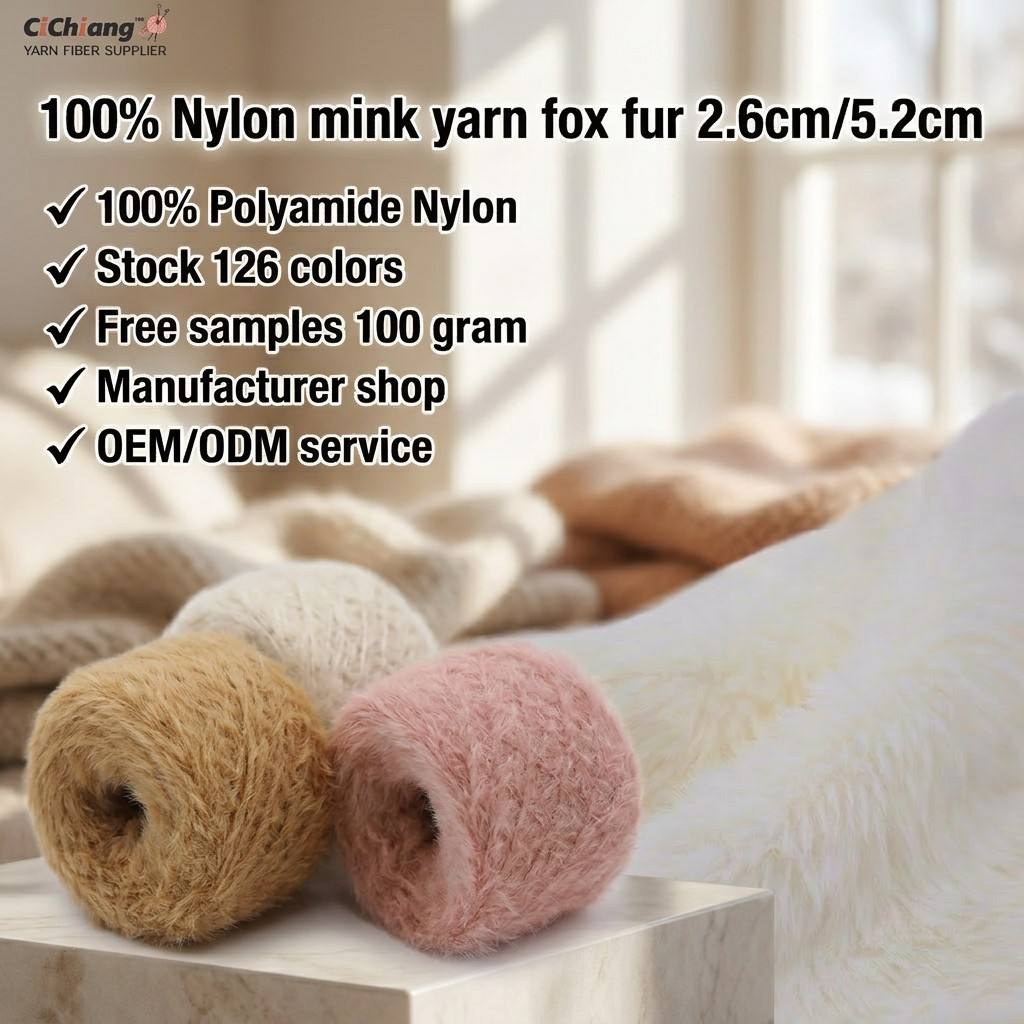
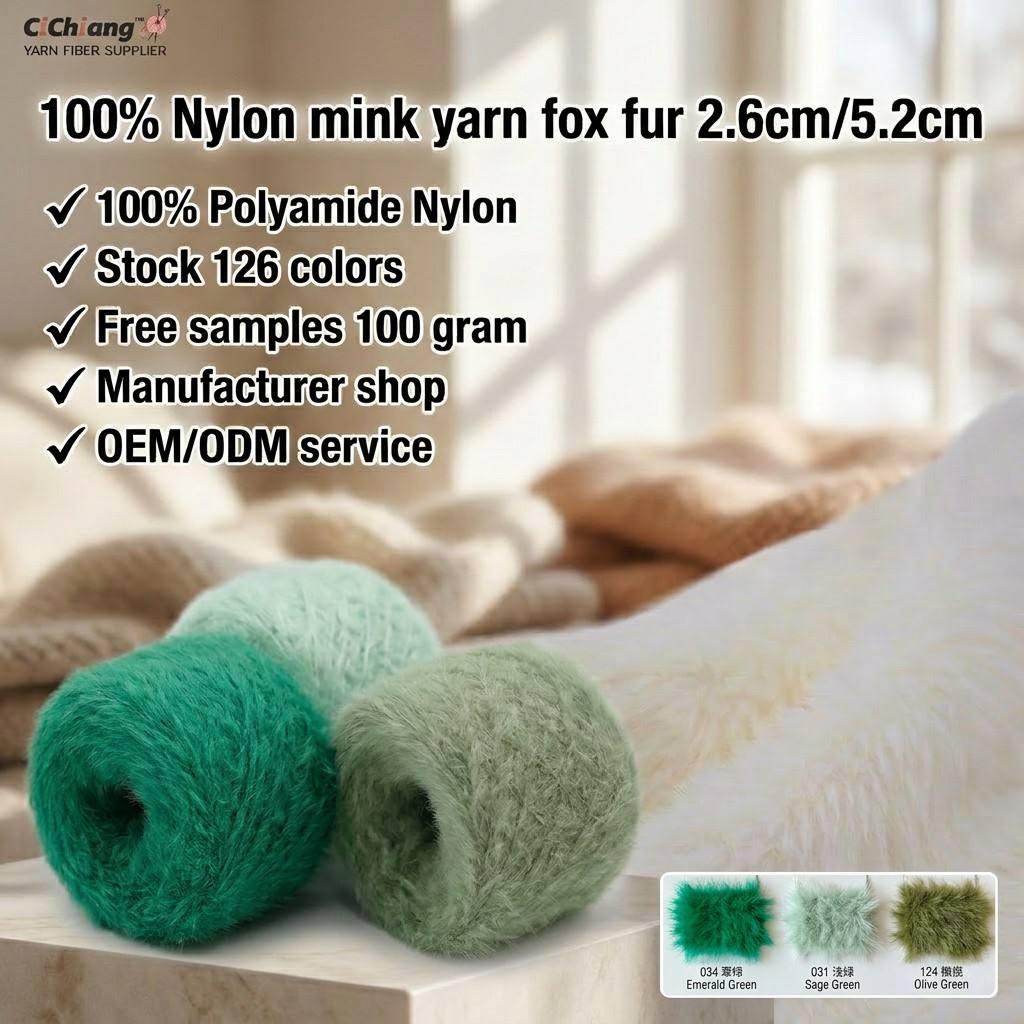
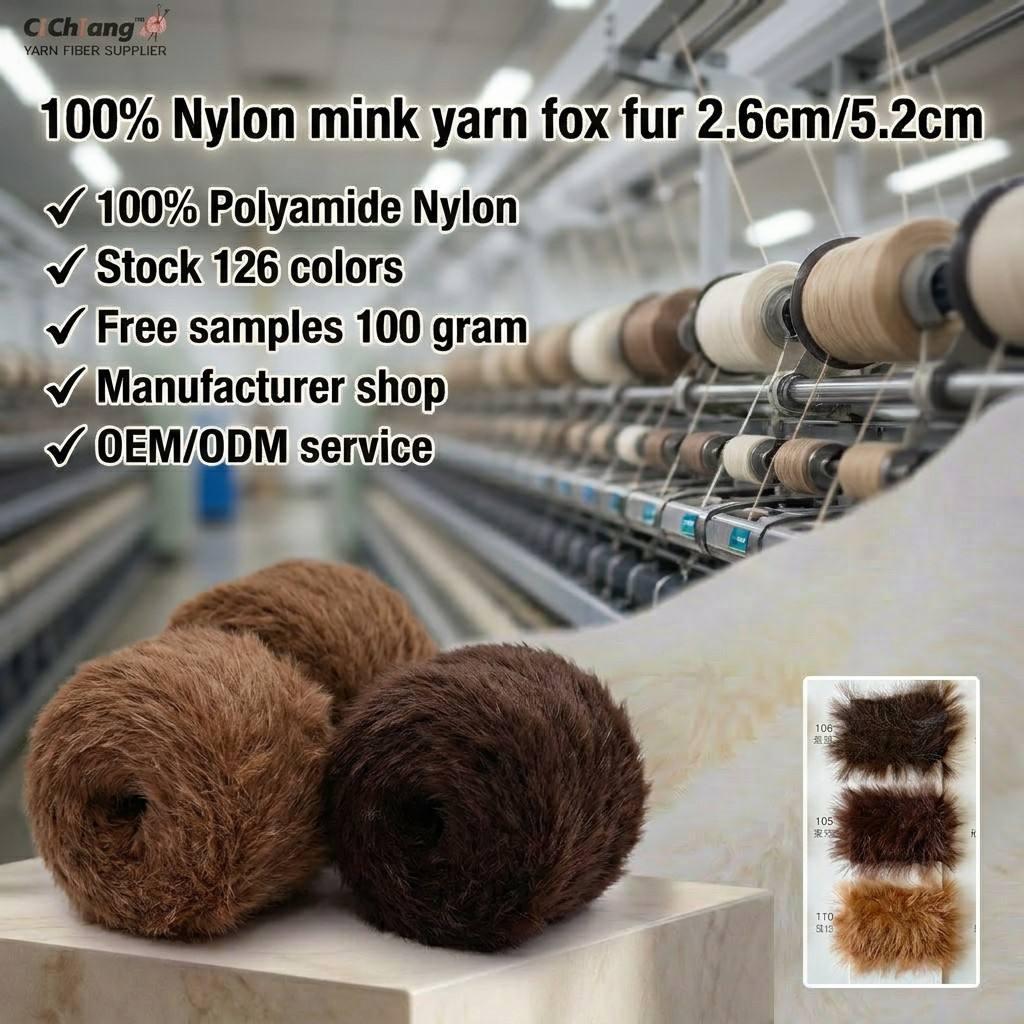
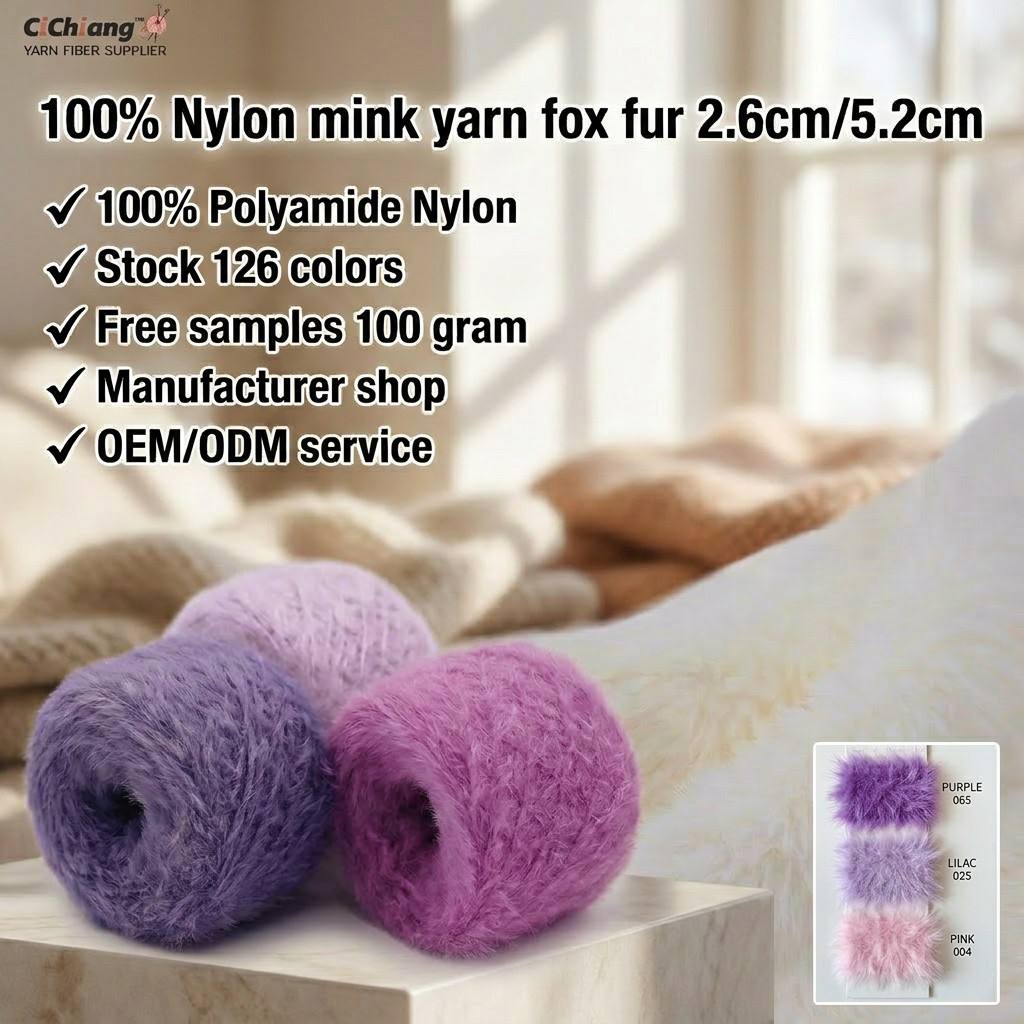
A nylon faux-fur style yarn is chosen for appearance first, then for processing behavior. Buyers want loft, visible hairiness, and a soft hand feel. The yarn shown in the product data is described as plush, hairy, and voluminous, with a matte fuzzy finish. It is also listed with 126 colors, which is a practical clue: once a product line gets into this many shades, the buyer is usually dealing with color-driven merchandising, seasonal collections, or coordinated textile programs.
There is also a small but important point in the product notes: the yarn appears in cone or roll form, and a free sample of 100 grams is offered. That matters for sourcing because it tells you the supplier expects trial knitting or trial conversion before volume commitment. For a material with pile or brushed fibers, that trial step is not optional. You want to see how it feeds, how much shedding occurs during handling, and whether the finished surface stays even after stitching.
Quick buyer’s comparison: when nylon pile yarn makes sense
Good fit
Choose this type of material when the priority is a soft, furry look with synthetic consistency, broad color options, and a product that can support decorative or comfort-focused applications. It is commonly relevant for scarves, hats, trims, plush accessories, toy textiles, display pieces, and home décor accents.
Less suitable
It is a weaker fit when you need exact engineering specifications such as verified heat resistance, certified filtration performance, or a technical nonwoven structure. The provided product data does not confirm those uses, so buyers should not assume them from appearance alone. A fluffy surface can be many things in manufacturing, and the wrong assumption can waste time fast.
Understanding the visual cues without overreading the photo
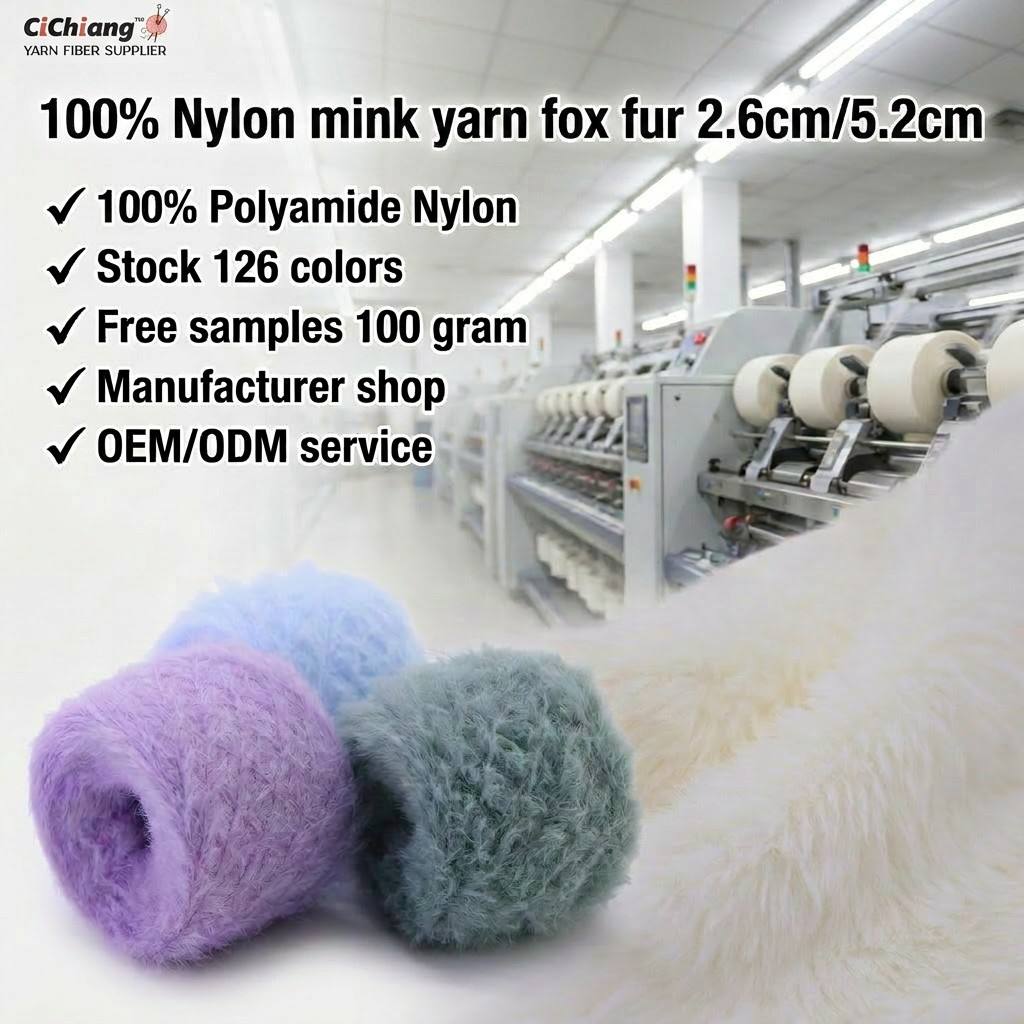
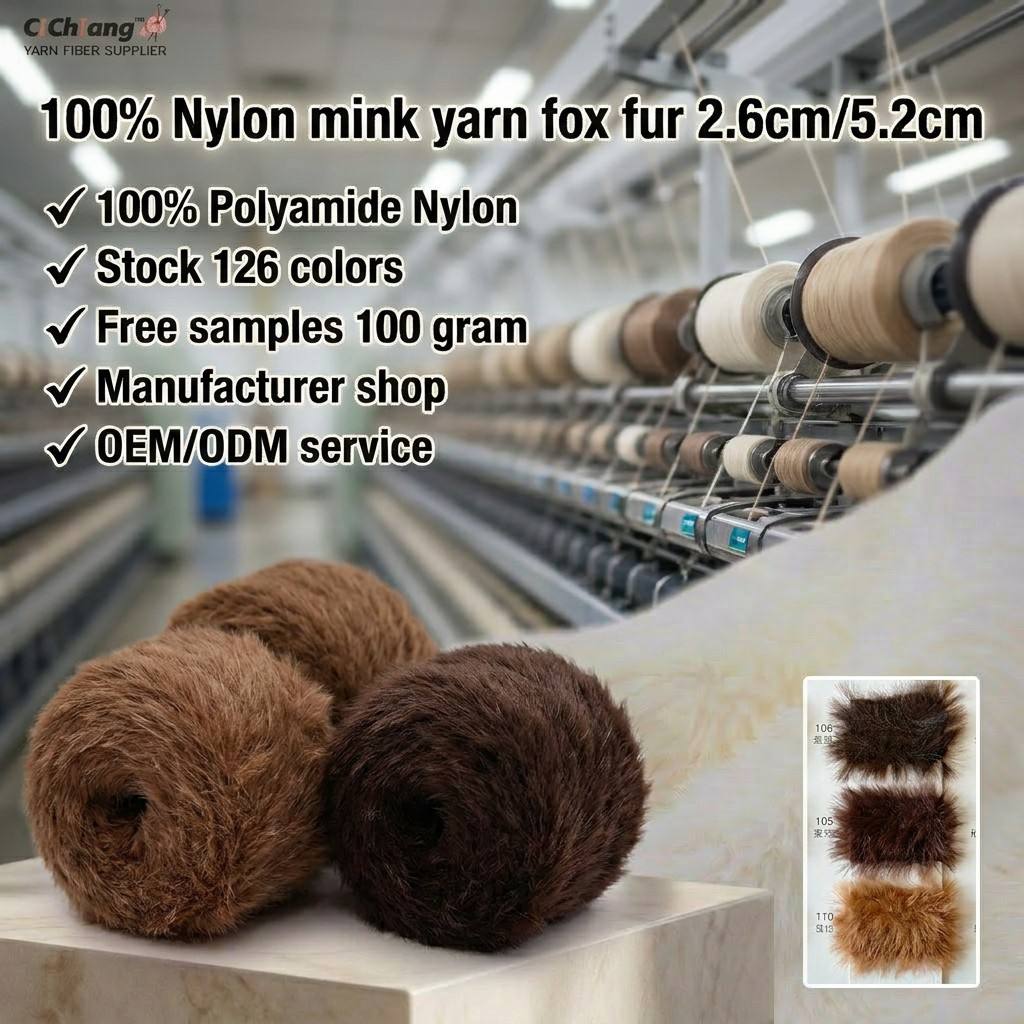
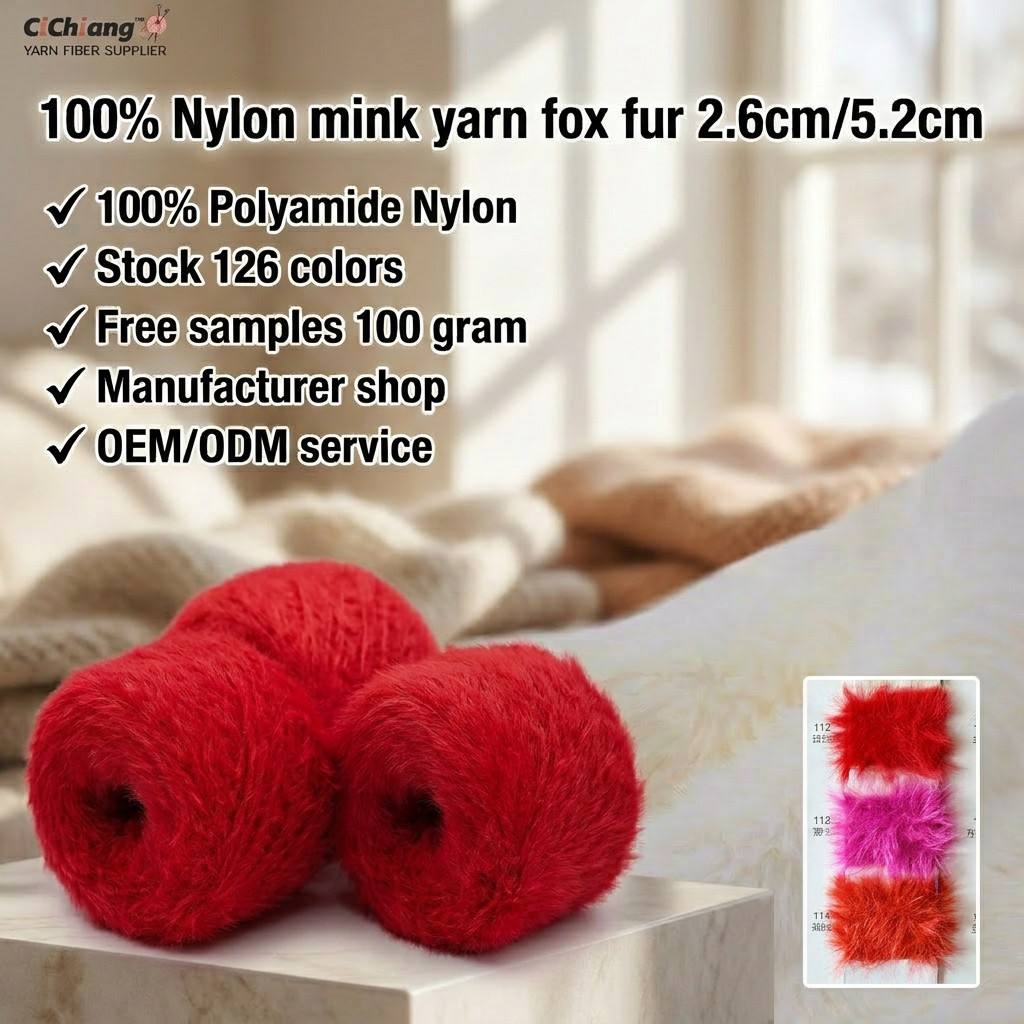
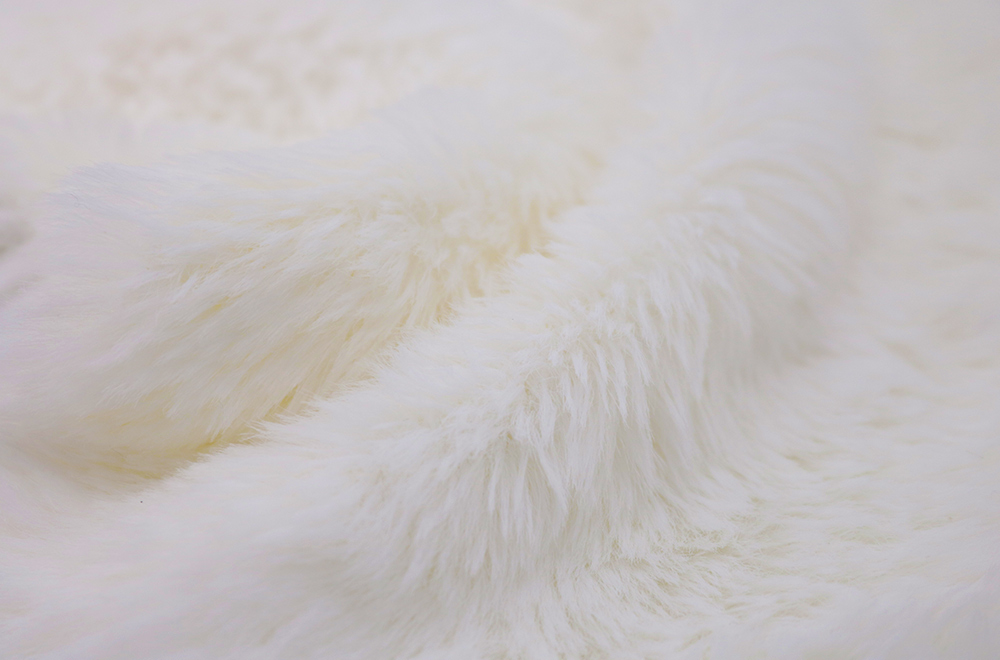
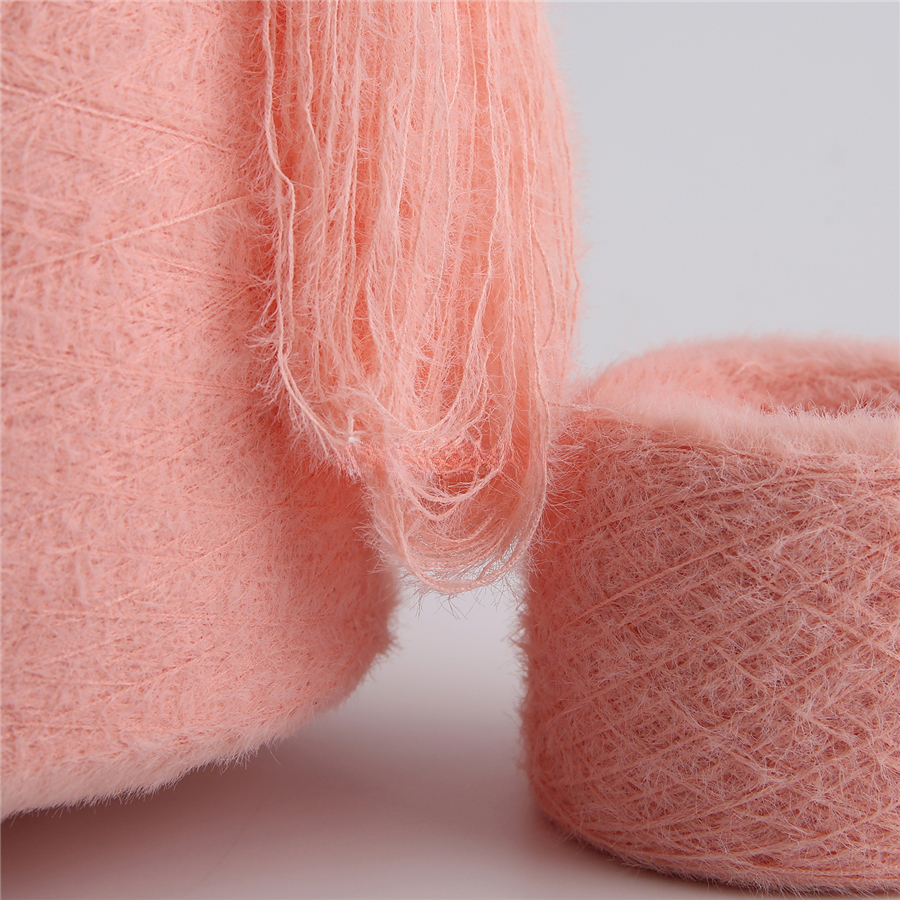
The available product images show a soft fibrous material in light pink, a white fluffy textile with a dense pile, and a synthetic fuzzy yarn presented as coned stock. The visual language is consistent: airy structure, soft surface, matte finish, and flexible form. Those clues point toward a family of textile materials designed for touch and appearance rather than high mechanical stiffness.
Still, a buyer should be careful here. A fluffy roll could be a nonwoven fiber product, a pile textile, or a yarn intended for knitting and crochet. The manufacturing path is not confirmed. It may be carded, spun, needled, brushed, or otherwise processed, but that remains an inference. For procurement, the safe move is to ask for construction details instead of guessing from the photo.
Selection criteria that actually matter in sourcing
Start with end use. If the product is for knitting or crochet, the yarn must feed cleanly and produce a stable fabric. If it is for garment trim or decorative surface work, consistency of pile and color matching may matter more than strength. If it is for craft production, buyers often care most about hand feel, appearance, and how much lint comes off during cutting or sewing.
Then ask for the details that are missing from the image data: exact fiber content, pile length meaning, yarn weight or thickness, strand structure, backing if any, wash behavior, and whether the material is intended for hand use or machine processing. The product note mentions pile lengths of 2.6 cm and 5.2 cm, but the exact meaning is unclear. That is the kind of detail worth clarifying early, not after a sample approval goes sideways.
Common mistakes buyers make with faux fur yarn and soft pile materials
The most common mistake is treating all fluffy yarns as interchangeable. They are not. A yarn that looks perfect for a scarf may be frustrating in a machine process. Another mistake is focusing only on color and softness while ignoring fiber behavior. Nylon can offer useful durability and a polished synthetic look, but the final result still depends on how the pile is built and finished.
Another practical warning: do not assume the product can be used for insulation, filtration, or industrial padding just because it appears fibrous. Some soft textile materials may share a visual family, but their intended performance can be very different. If the application is technical, ask for proper product data instead of relying on a descriptive listing.
Questions to ask before placing a purchase order
Ask whether the yarn is meant for knitting, crochet, weaving, or other textile conversion. Confirm the exact composition and whether “100% nylon” refers to the face fiber only or the whole structure. Request sample yardage or sample weight and ask how the yarn behaves after handling. If color consistency matters, ask how dye lots are managed across a large shade range like the reported 126 colors.
For larger programs, the manufacturer’s scale can be an advantage. A company with established nylon fiber production may be better positioned for repeat orders and consistent supply, but that still does not remove the need for sampling. In this category, the sample tells you more than the brochure.
What this material is really best for
For buyers who want a fur-like surface without the unpredictability of natural materials, 100% nylon fuzzy yarn is a sensible place to start. It fits decorative, apparel, and craft applications where softness, volume, and appearance drive the purchase decision. It is less about one dramatic performance claim and more about controlled texture.
If your team is sourcing for a scarf line, a plush accessory program, or a faux-fur-inspired product range, the next step is straightforward: request samples, confirm construction, and compare the yarn in actual production conditions. That is usually where the real answer shows up.