What buyers are really looking for in 100% nylon yarn
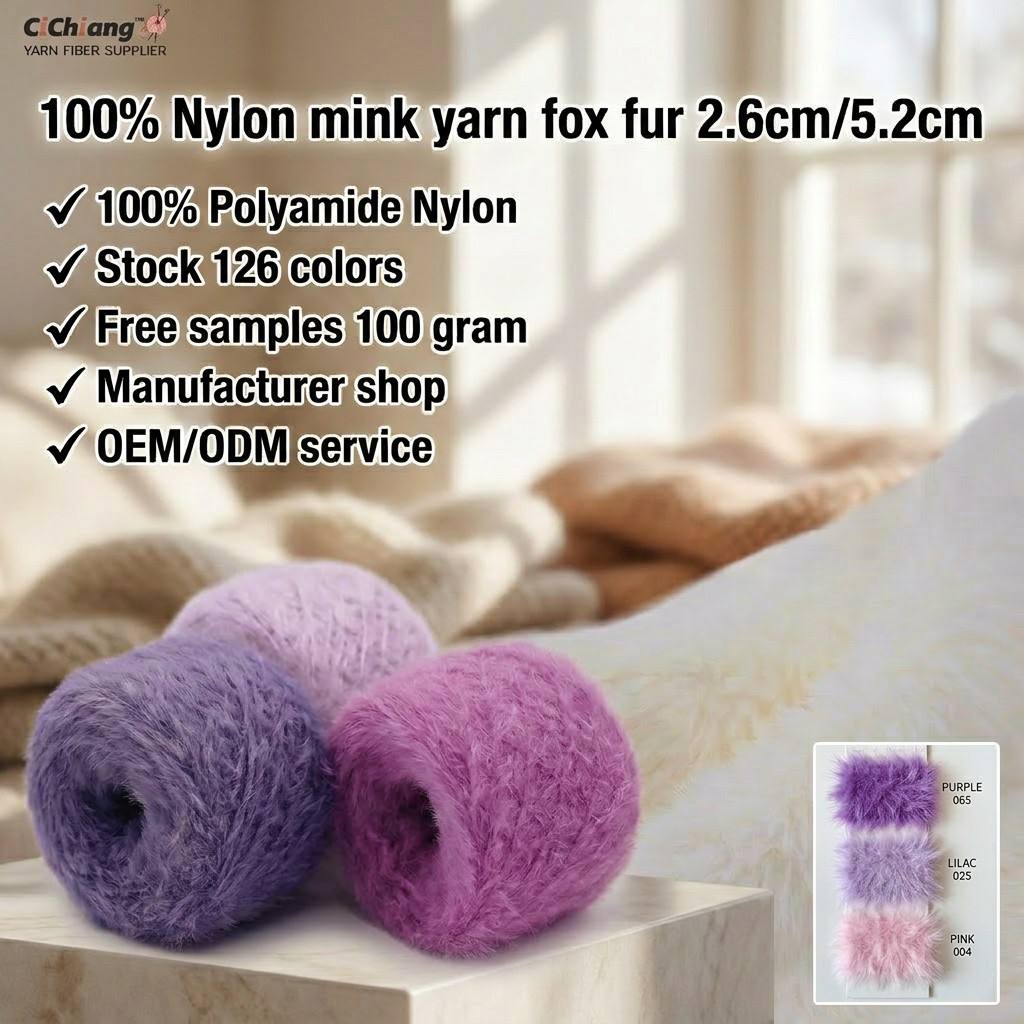
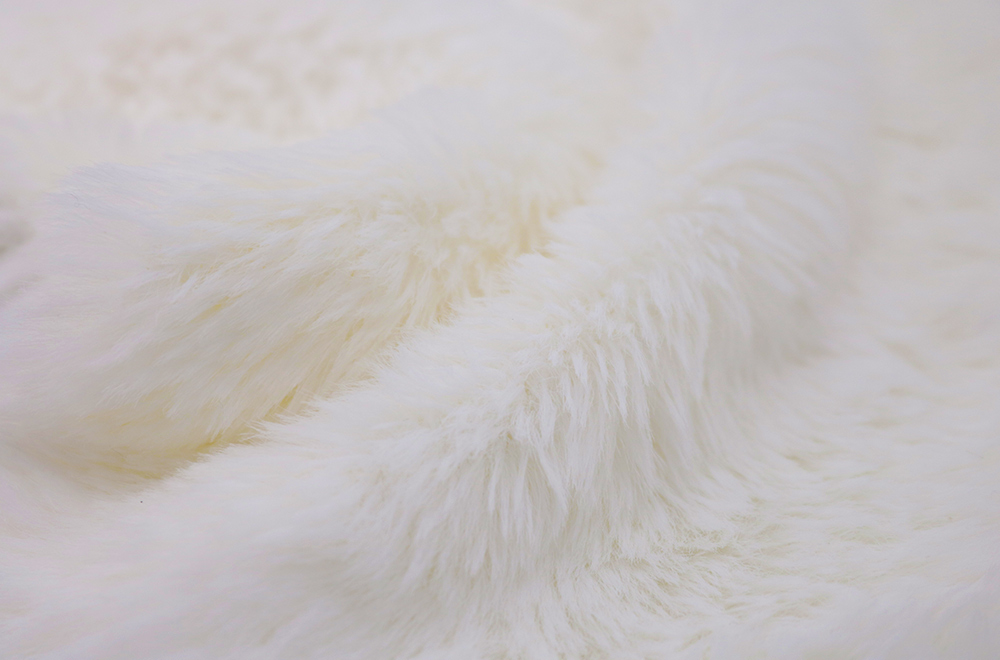
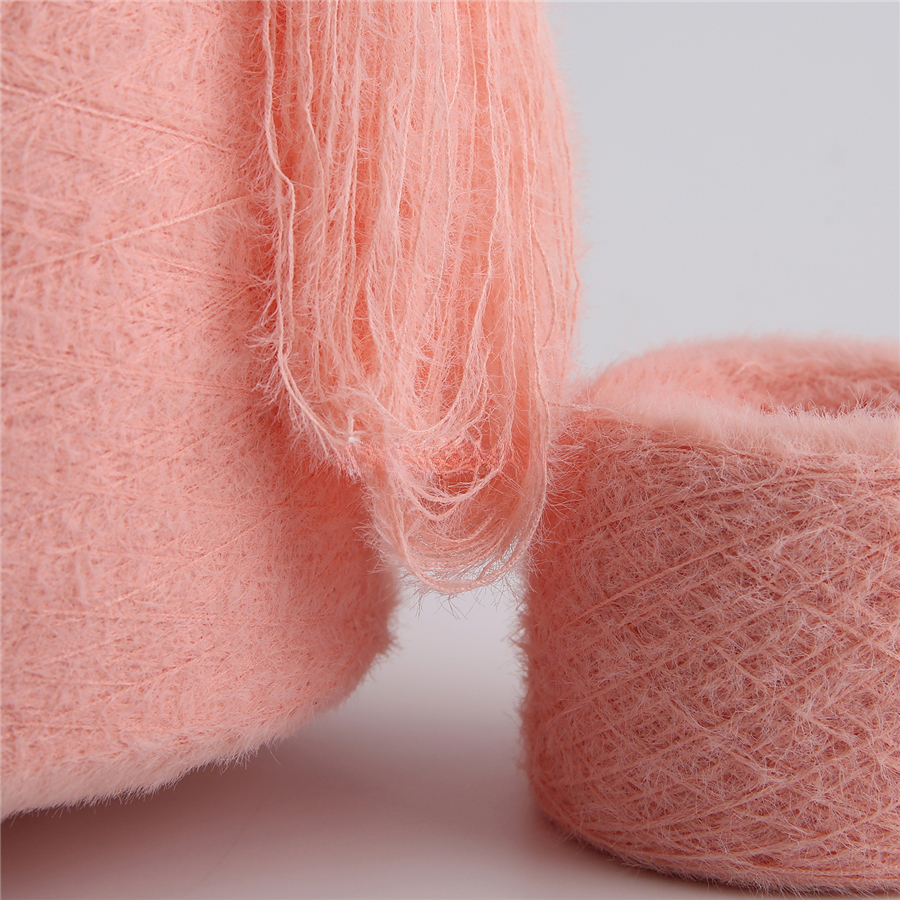
When sourcing 100% nylon yarn, most buyers are not just comparing colors or prices. They are trying to decide whether the yarn will hold a plush handfeel, keep a consistent pile, and behave predictably in knitting or textile production. That matters whether the end product is a scarf, a decorative trim, a faux fur panel, or a soft accessory that needs to look good after it leaves the factory floor. Nylon is often chosen because it can support a fluffy surface and a fur-like visual effect without the weight and sourcing complications of natural fur.
For engineers and sourcing teams, the real question is simpler than it first appears: will this yarn work in the intended process, and will the finished piece meet the buyer’s expectations for softness, loft, and appearance? The answer depends on structure, pile effect, and how the yarn is presented in supply form.
Why nylon is used for plush and faux-fur effects
In the textile trade, nylon earns its place because it can be made into soft, resilient synthetic fibers that hold shape well enough for pile effects. That is why it shows up in products described as mink feather yarn, fox fur style yarn, faux fur yarn, plush yarn, soft texture yarn, and fluffy knitting yarn. Those names are not always technical terms; often they are market descriptions of the look and feel rather than a strict material class.
For buyers, the key advantage is visual. A nylon-based yarn can be engineered to create a dense, fuzzy surface with a fur-like appearance. That gives designers room to build winter accessories, trims, costumes, toy components, and home textile accents. It is also the reason many teams ask for knitting yarn for scarves specifically: the end user wants warmth and softness, but the manufacturer still needs stable processing behavior on the line.
What the supplied product information suggests
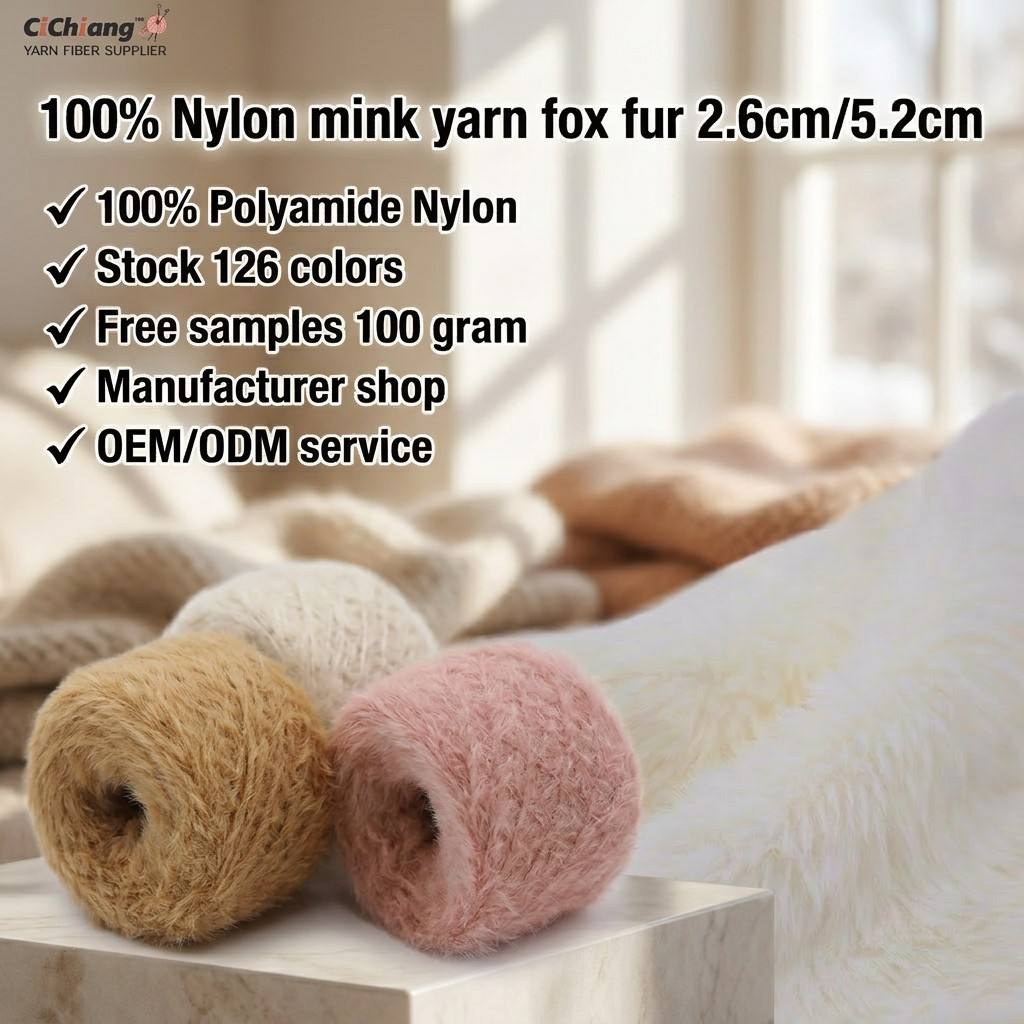
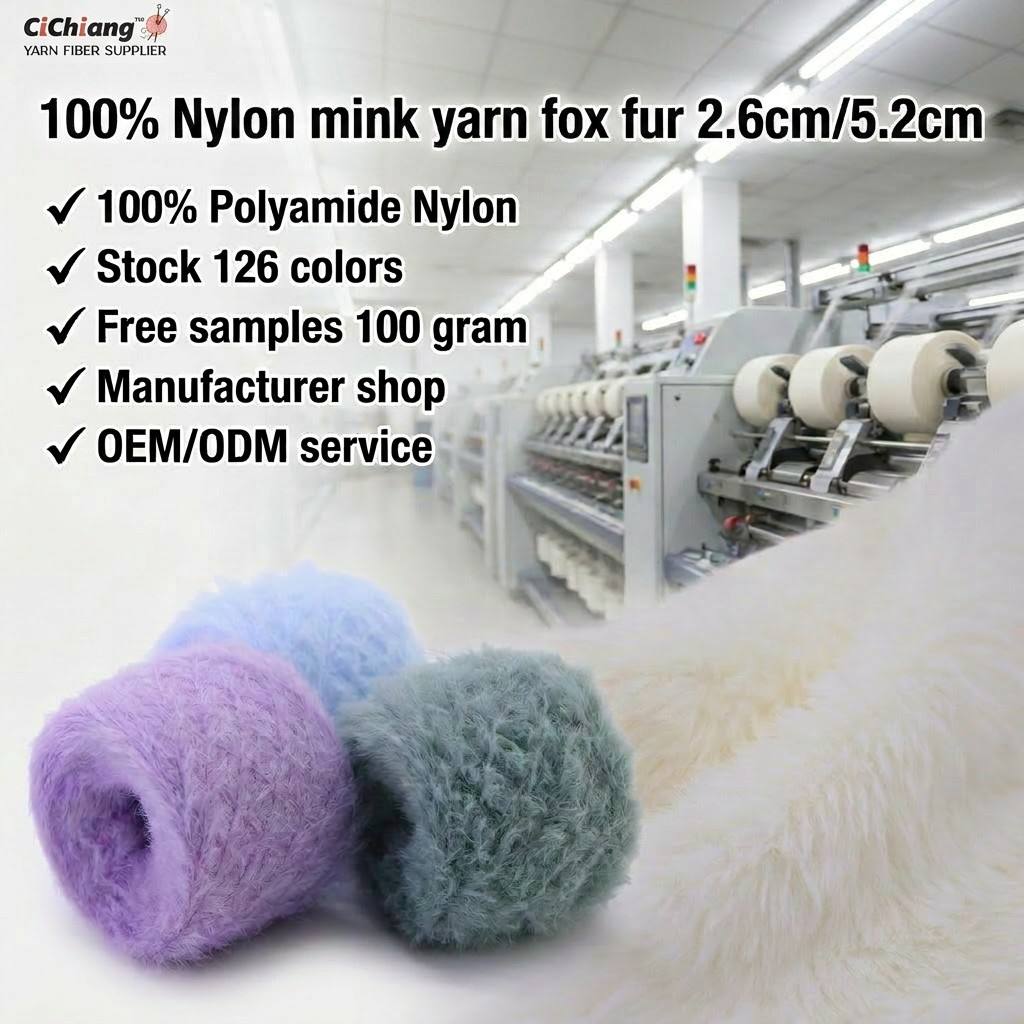
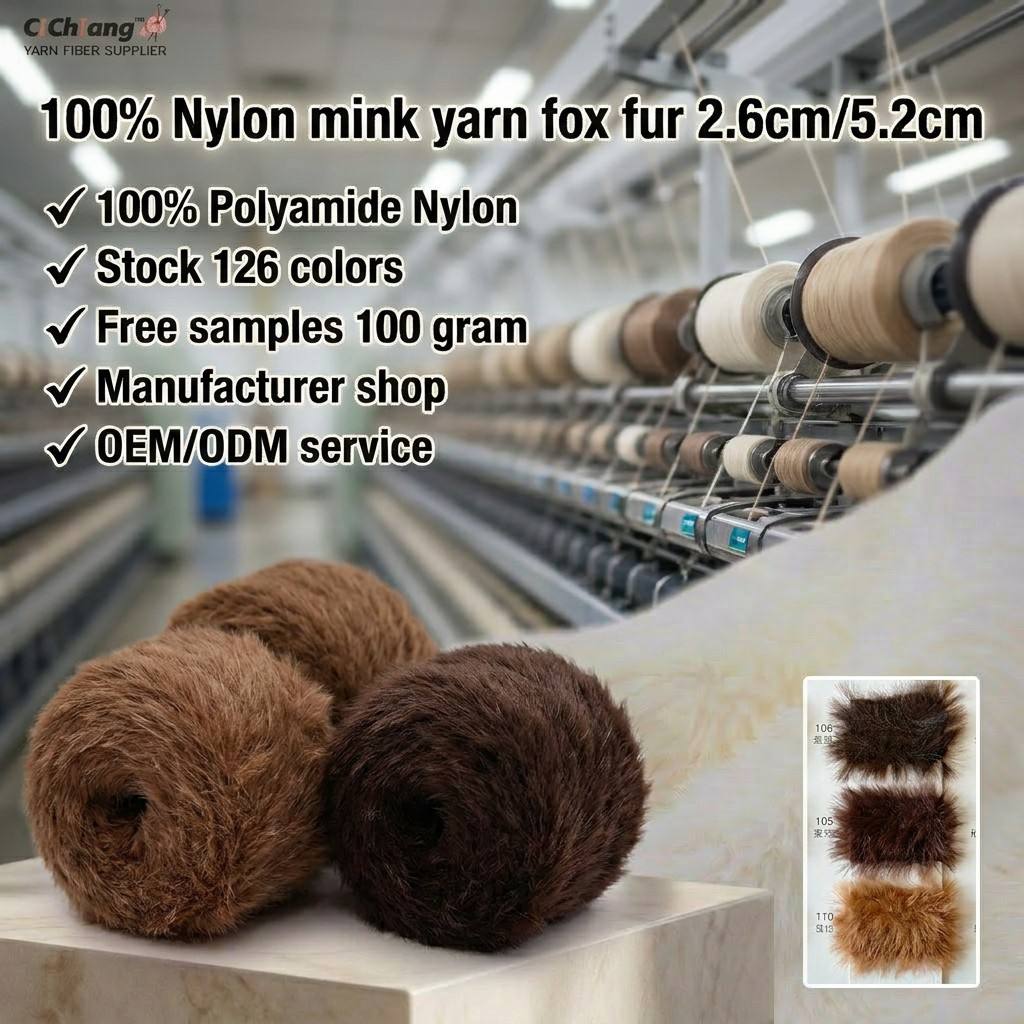
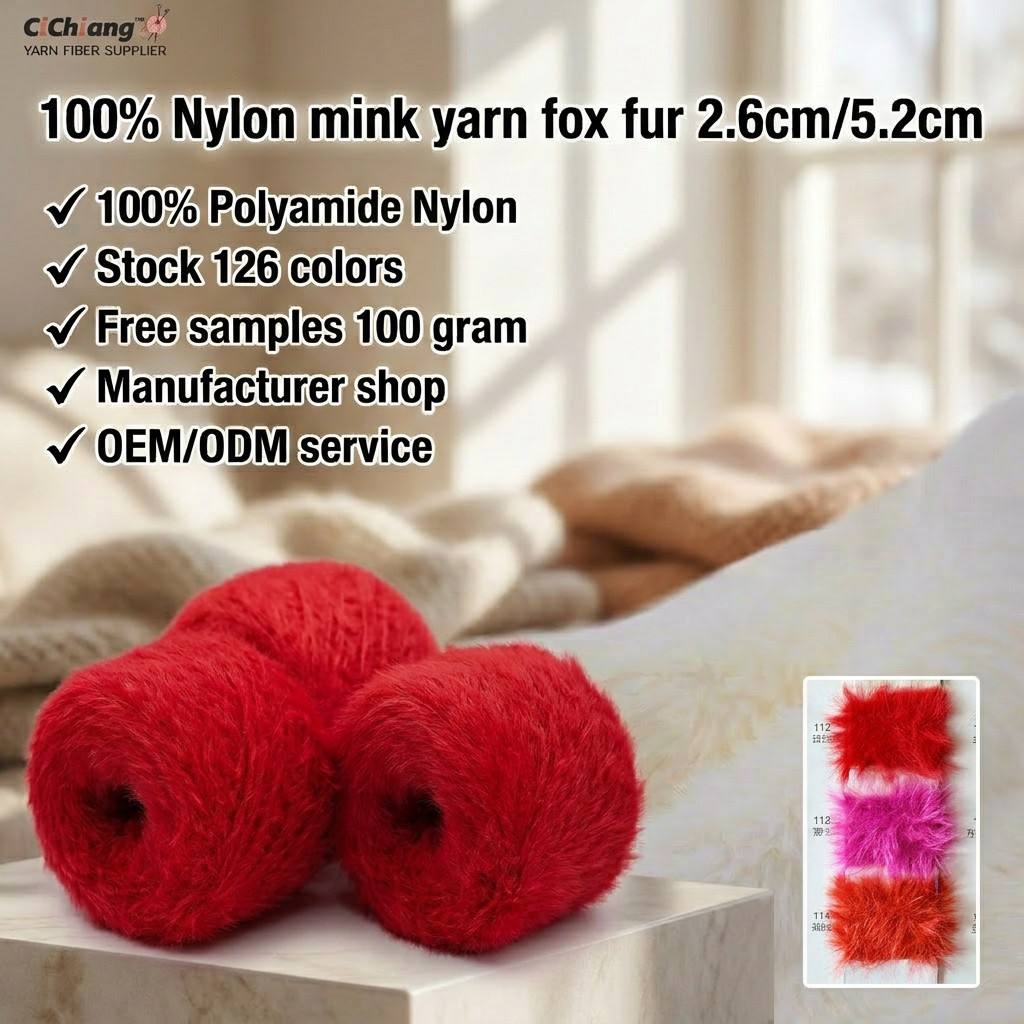
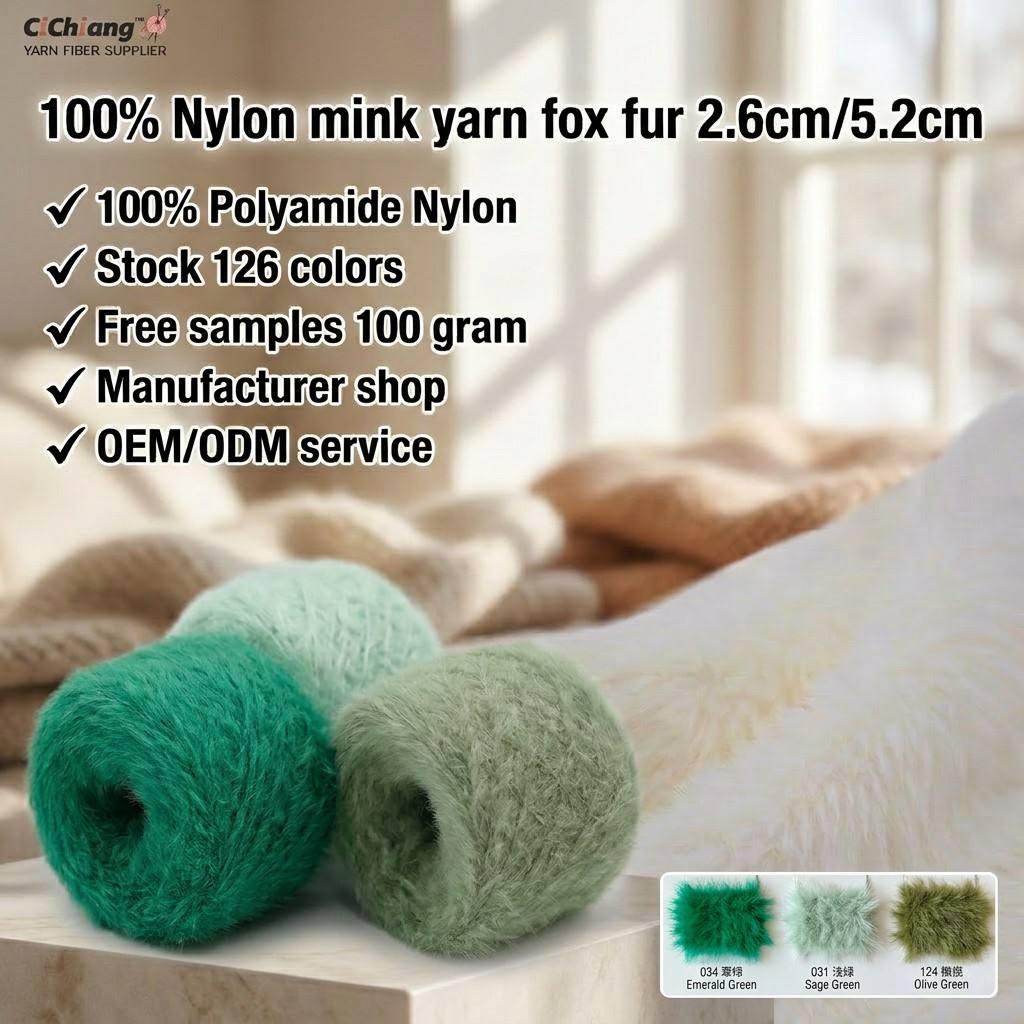
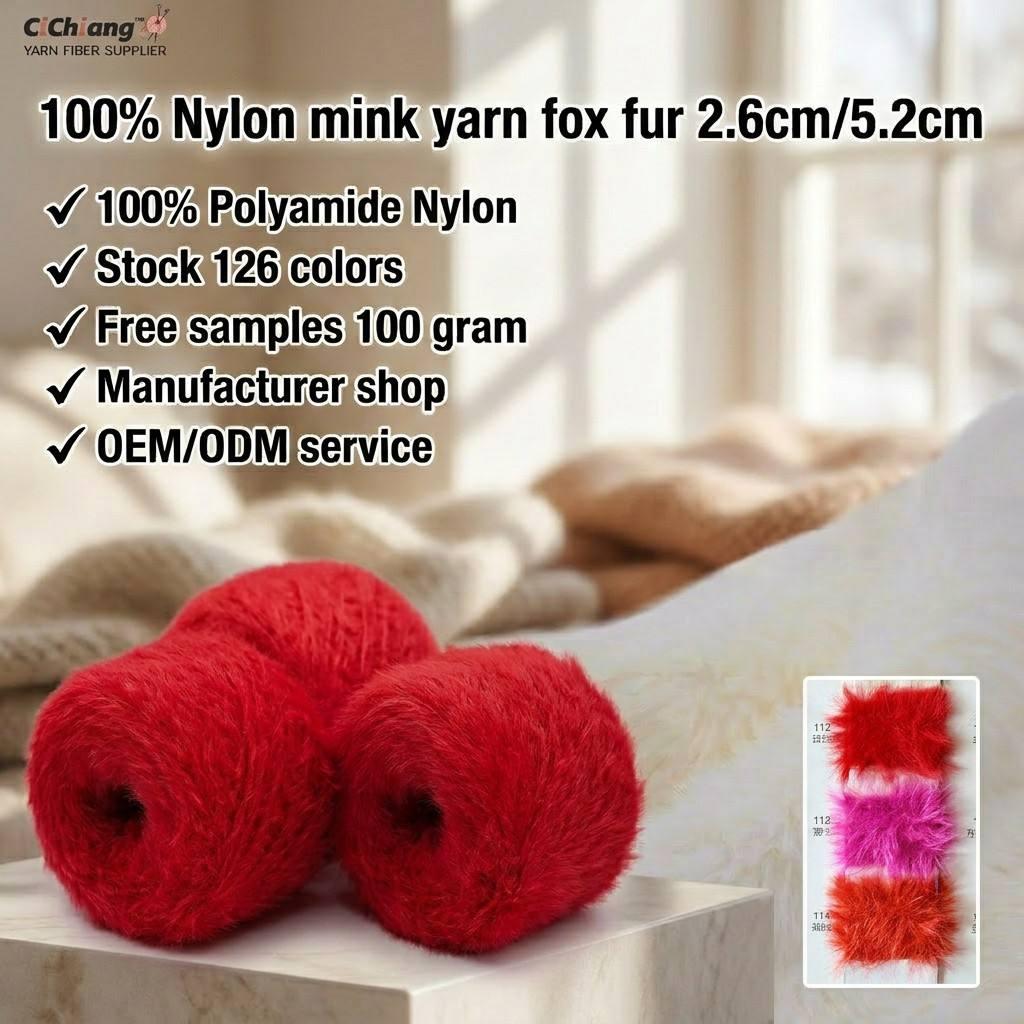
The supplier data describes a faux fur yarn made from 100% nylon, with stock in 126 colors and free samples at 100 g. The listing also mentions two pile-length figures, 2.6 cm / 5.2 cm, though the exact meaning of those numbers is not fully clear from the material provided. That is worth confirming before placing a production order, especially if pile height affects the final fabric hand or the knitting gauge.
Ningbo Sinopec Fiber Co., Ltd. is presented as a nylon fiber manufacturer founded in 1996. The company information also notes a 50,000 square meter factory, 20,000 square meters of production space, 150 employees, and a daily output of 100-150 tons, mainly in PA6 and PA66 polyamide nylon fibers. For buyers, those figures suggest a supplier with industrial scale, which can matter when matching color lots or planning repeat orders. Still, the product-level questions remain the same: fiber behavior, consistency, and fit for your process.
Choosing between faux fur yarn styles
Not every soft yarn behaves the same way. Some buyers want a mink feather yarn effect with a finer, smoother finish. Others want a fox fur style yarn with a longer, more dramatic pile. A plush yarn may be better for dense softness, while a decorative faux fur yarn may prioritize visual volume over technical performance.
That distinction matters because a yarn that looks perfect in a sample swatch may be less cooperative in mass production. Long pile can tangle, shed, or distort stitch definition if the machine settings are not dialed in. A softer texture yarn may feel luxurious, but it can also hide tension problems that only show up after finishing. This is one of those cases where a small trial run saves a lot of correction work later.
Practical selection criteria for sourcing teams
1. Confirm the intended end use
Is the yarn going into scarves, toys, costume trim, upholstery accents, or a decorative textile? The application changes what matters most. For a scarf, handfeel and drape may take priority. For a craft item, color range and visual effect may matter more.
2. Ask for the actual pile specification
The listing mentions two length figures, but buyers should confirm whether those numbers refer to pile length, yarn length, or another supplier-specific measurement. Do not assume. In fur-effect products, a few millimeters can change the final look quite a bit.
3. Review sample behavior in the real process
A 100 g sample is useful, but only if it is tested in the way the production line will actually use it. Hand-knitting, machine knitting, and cut-and-sew applications can expose different problems. Some yarns look excellent as a cone sample and become less cooperative once tension is introduced.
4. Treat color range as a production tool, not just a catalog feature
Having 126 colors in stock is valuable if your business works with seasonal collections or coordinated product lines. It reduces the need for custom dyeing in some cases, though color matching still needs normal factory discipline. A large shade library is helpful, but only if the same shade can be repeated when reordering.
Common mistakes when buying faux fur yarn
One common mistake is assuming all soft yarns are interchangeable. A second is overlooking how pile height affects stitch visibility and fabric stability. Another is buying on appearance alone without confirming whether the yarn is suitable for scarves, toys, or decorative panels. And, frankly, some teams get caught by vague descriptions like “mink” or “fox” and do not ask what those labels mean in the supplier’s own system.
Buyers should also be cautious about unverified claims. If the listing does not specify washability, shrinkage, abrasion behavior, or fiber blend details, those should not be assumed. In a finished consumer product, those omissions can turn into complaints later.
What to ask the supplier before placing an order
A practical RFQ for knitting yarn for scarves or other faux-fur uses should ask for fiber composition confirmation, pile specification, color availability, sample policy, packaging format, and the recommended process route. If you are planning OEM/ODM work, ask whether the supplier can support custom color matching or production consistency across batches.
Because Ningbo Sinopec Fiber Co., Ltd. is described as a nylon fiber manufacturer with PA6 and PA66 capability, it may be sensible to ask how this product fits within their broader fiber production line. That does not guarantee suitability, of course, but it gives buyers a clearer picture of the supplier’s core competence.
Next step for buyers
If your team is evaluating 100% nylon yarn for a plush or faux-fur project, the best next step is to request a sample, confirm the pile specification, and test it in the intended process before locking in a larger order. That is the fastest way to tell whether the yarn delivers the look you want without creating avoidable production surprises.