Top Insights on 28S Core Spun Yarn: A Guide for Textile Enthusiasts
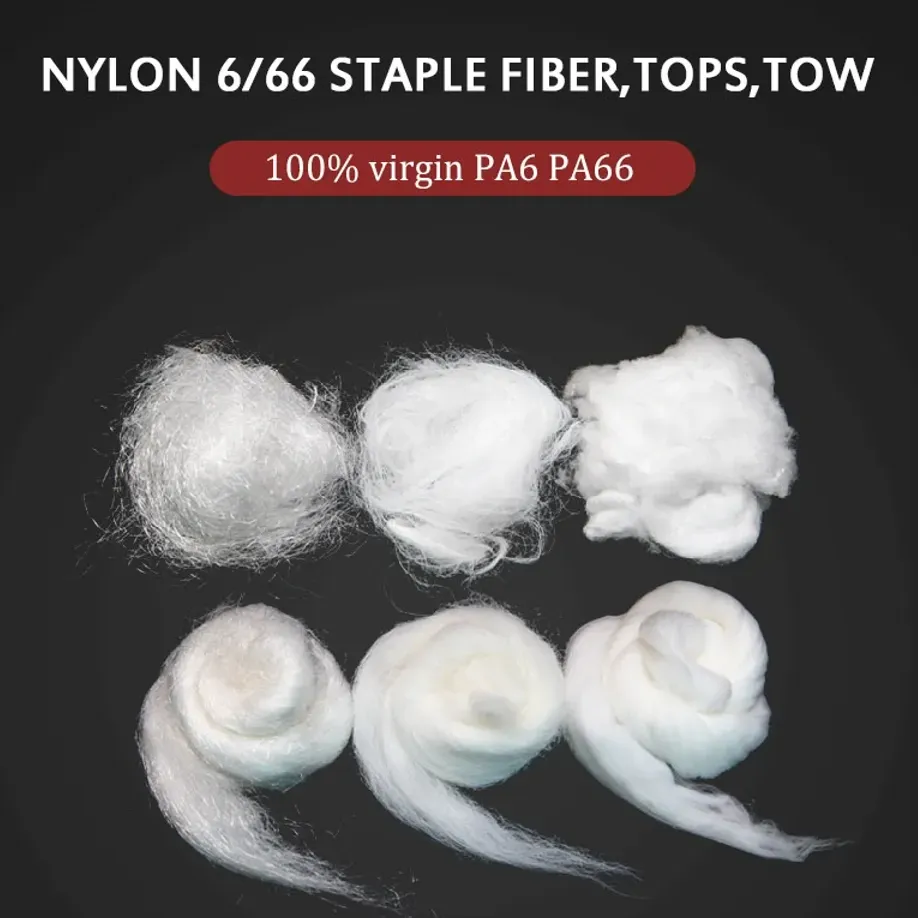
When it comes to versatile textile solutions, 28S core spun yarn stands out as a reliable choice for manufacturers and designers alike. This innovative yarn type combines strength and flexibility, making it ideal for a range of applications in the fashion and industrial sectors. At Ningbo Sinopec Fiber Co., Ltd., we've been pioneering nylon fiber manufacturing since 1996, producing high-quality PA6 and PA66 polyamide nylon fibers with a daily output of 100-150 tons. Our commitment to excellence ensures that products like 28S core spun yarn meet the demands of modern textile needs, blending durability with aesthetic appeal.
Understanding Core Spun Yarn Specifications
Core spun yarn specifications are crucial for selecting the right material for your projects. 28S core spun yarn, for instance, features a core of strong synthetic fibers like nylon surrounded by a sheath of natural or spun fibers, providing enhanced tensile strength without sacrificing comfort. This construction results in a yarn count of 28S, which translates to a balanced fineness suitable for medium-weight fabrics. Key specifications include high elasticity, abrasion resistance, and a smooth finish that prevents pilling. At our 50,000-square-meter facility in Ningbo, our team of 20 engineers meticulously controls these attributes during production, ensuring consistency across batches. Whether you're examining yarn twist levels or elongation properties, understanding these specs helps in optimizing performance for end-use applications.
Exploring Textile Yarn Types and 48Nm Core Spun Yarn
Among various textile yarn types, core spun variants like 48Nm core spun yarn offer finer denier options for delicate weaves. While 28S provides robustness for heavier knits, 48Nm excels in lightweight, intricate designs, boasting a higher count for smoother textures. Our nylon-based core spun yarns leverage PA66 for superior heat resistance and longevity. Other textile yarn types, such as ring-spun or open-end yarns, differ in structure, but core spun stands out for its hybrid benefits— the core delivers high strength yarn characteristics, while the outer layer ensures dyeability and softness. Ningbo Sinopec Fiber Co., Ltd. tailors these types to client specifications, supporting everything from apparel to technical textiles, all while maintaining our eco-friendly manufacturing ethos.
The Yarn Manufacturing Process Behind High-Quality Core Spun Yarn
The yarn manufacturing process for core spun yarn involves several precise stages to achieve its signature durability. It begins with drafting the core filament, typically nylon from our PA6 lines, followed by spinning the sheath fibers around it using advanced ring or rotor spinning machines. At our 20,000-square-meter production space, this process incorporates quality checks for evenness and strength, yielding yarns with up to 20% higher breaking tenacity than traditional types. Twisting and winding complete the cycle, ensuring the final product is ready for seamless integration into looms or knitting machines. This method not only enhances high strength yarn properties but also minimizes waste, aligning with sustainable practices that define our operations since founding in 1996.
Yarn for Knitting and Core Spun Yarn Applications
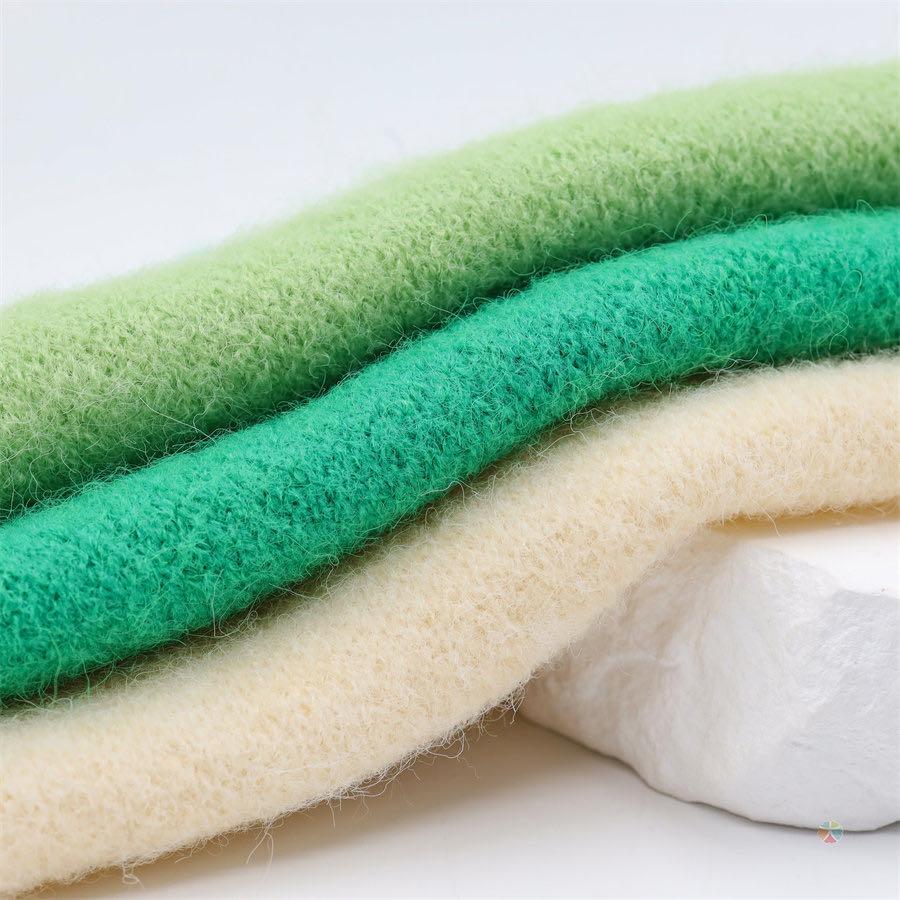
Yarn for knitting demands versatility, and 28S core spun yarn shines in this arena with its ability to withstand stretching and repeated use. Ideal for crafting cozy sweaters or durable socks, it offers a soft hand-feel that rivals natural fibers while providing industrial-grade resilience. Core spun yarn applications extend beyond fashion to upholstery, sportswear, and even medical textiles, where high strength yarn prevents wear and tear. For example, in knitting activewear, the nylon core ensures shape retention, making it perfect for vibrant green fabrics or luxury wool blends as highlighted in our innovative product lines. Designers appreciate how it pairs with other textile yarn types for mixed-gauge projects, fostering creativity without compromising quality.
Benefits of High Strength Yarn in Modern Applications
High strength yarn like 28S core spun elevates textile projects by offering unmatched performance in demanding environments. Its reinforced structure reduces breakage during weaving or knitting, leading to higher yields and cost savings for manufacturers. In applications ranging from automotive interiors to high-end fashion, this yarn maintains integrity under stress, thanks to the robust nylon core. At Ningbo Sinopec Fiber Co., Ltd., we invite partnerships to explore customized solutions, leveraging our 150-strong team to deliver tailored high strength yarn options. Whether for 48Nm variants or broader core spun specifications, investing in such yarns ensures longevity and style, making them a staple in contemporary textile innovation.
In summary, 28S core spun yarn and its related variants represent the pinnacle of yarn engineering, blending tradition with cutting-edge manufacturing. With our expertise at Ningbo Sinopec Fiber Co., Ltd., we're poised to support your next project—reach out for inquiries on long-term collaborations.