Introduction to Nylon 66 Fiber
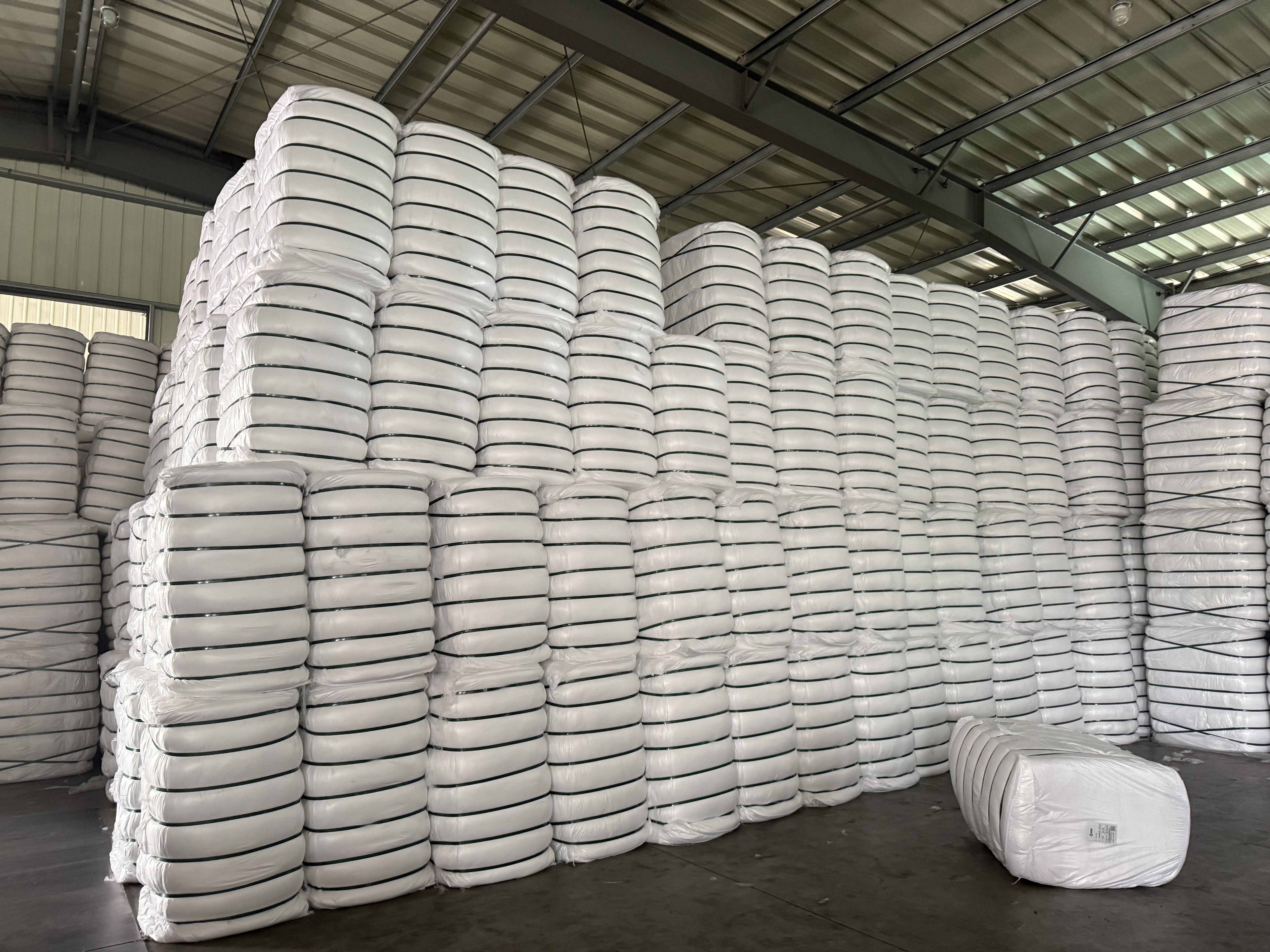
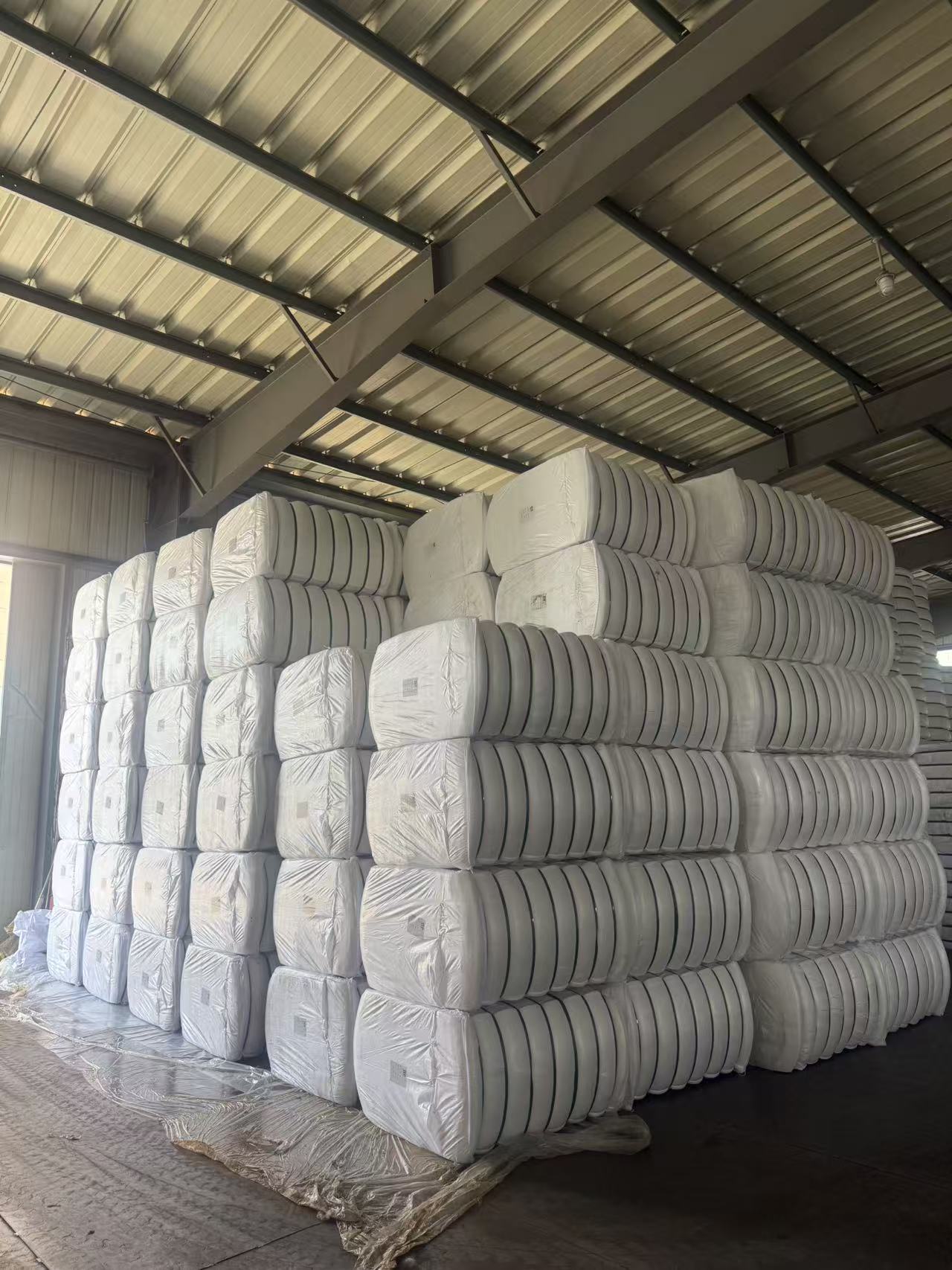
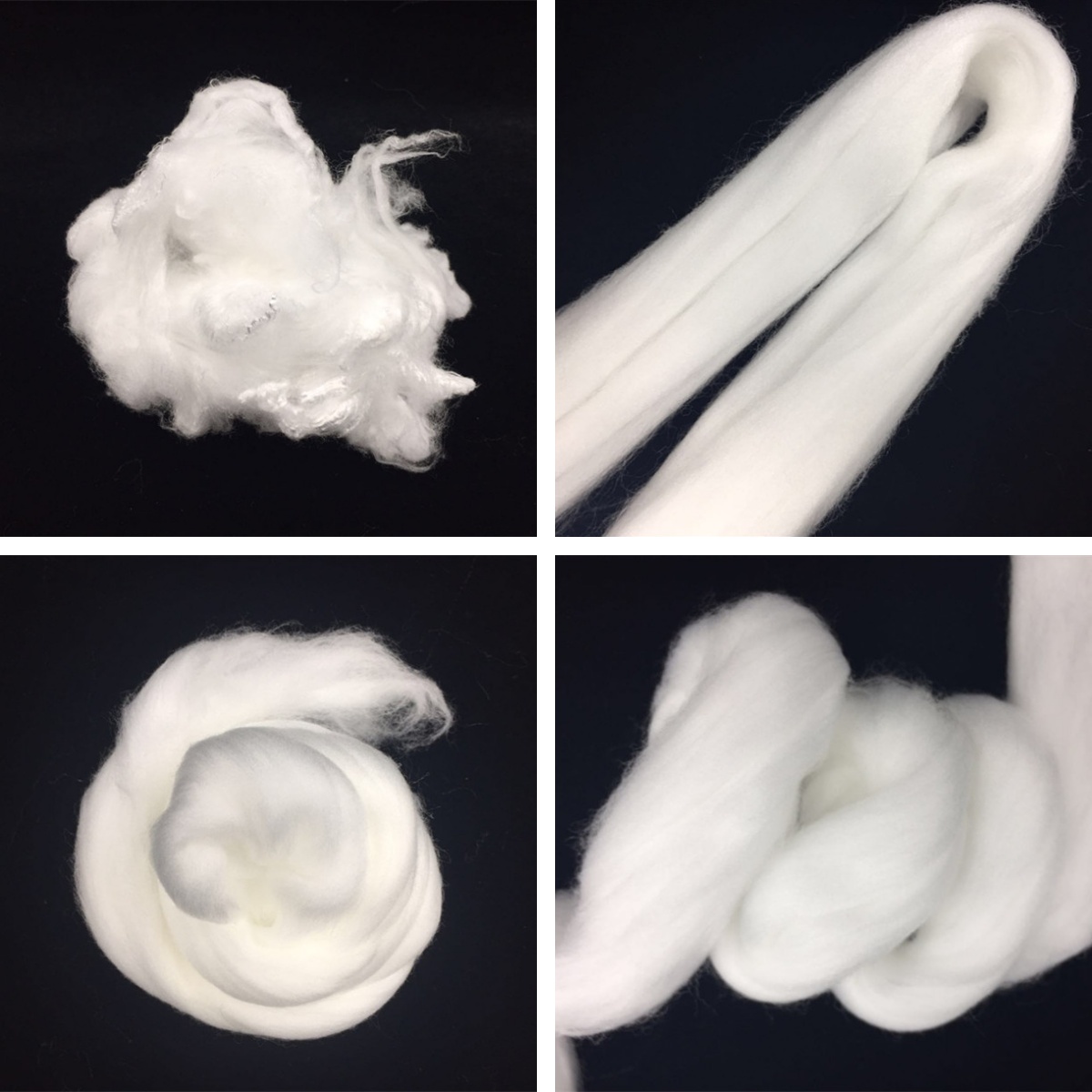
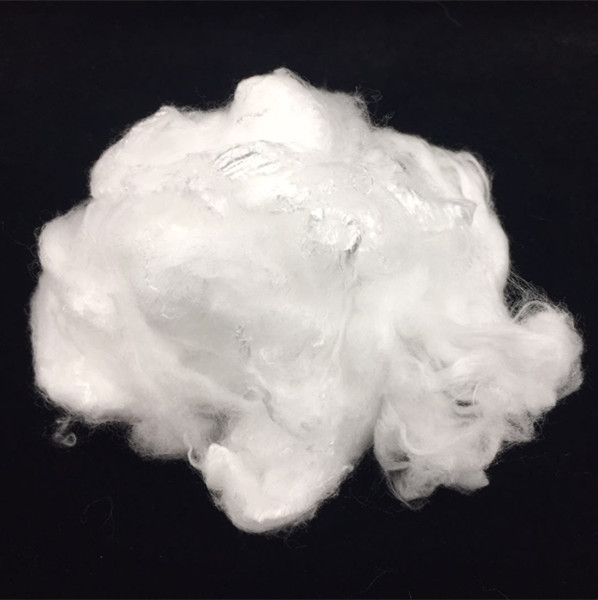
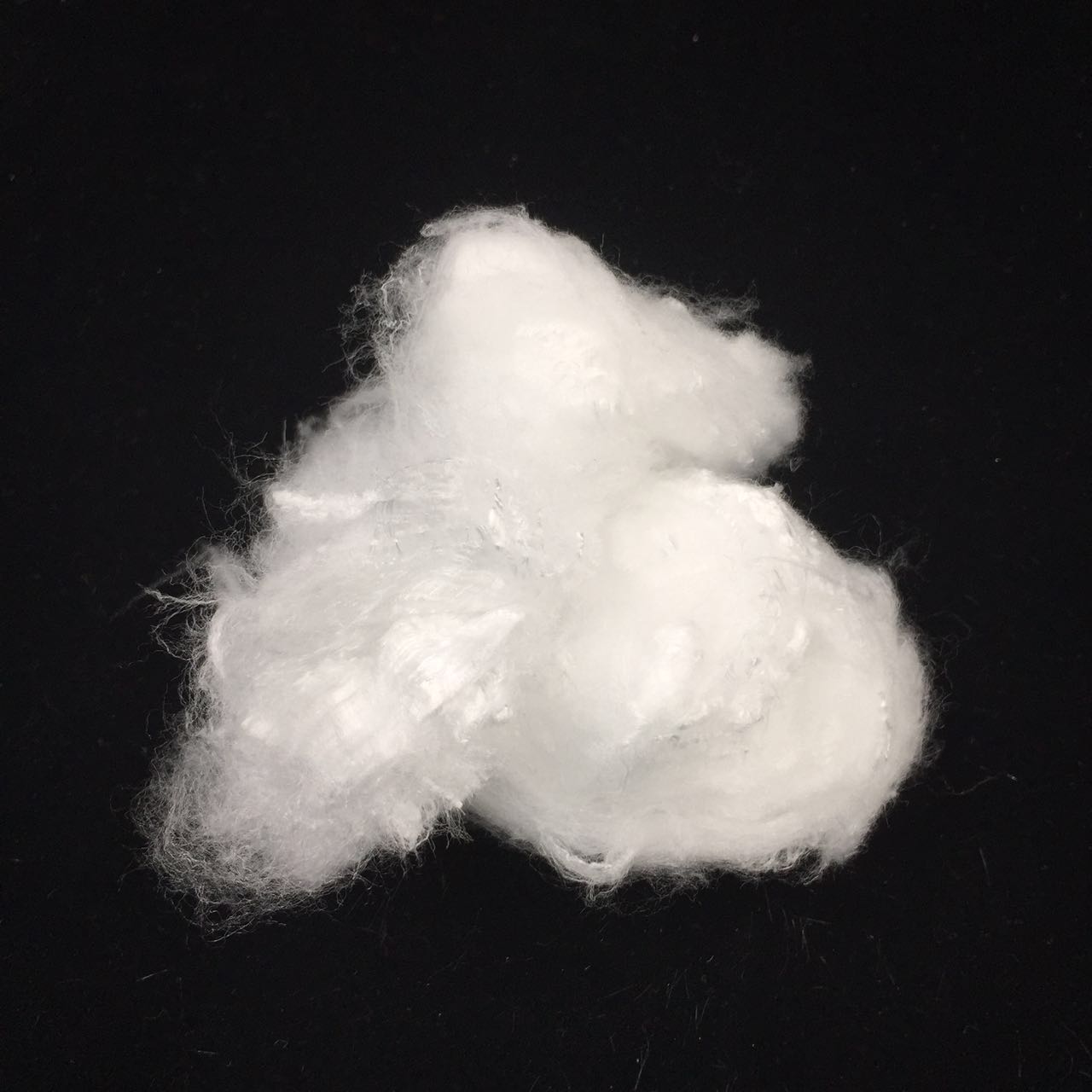
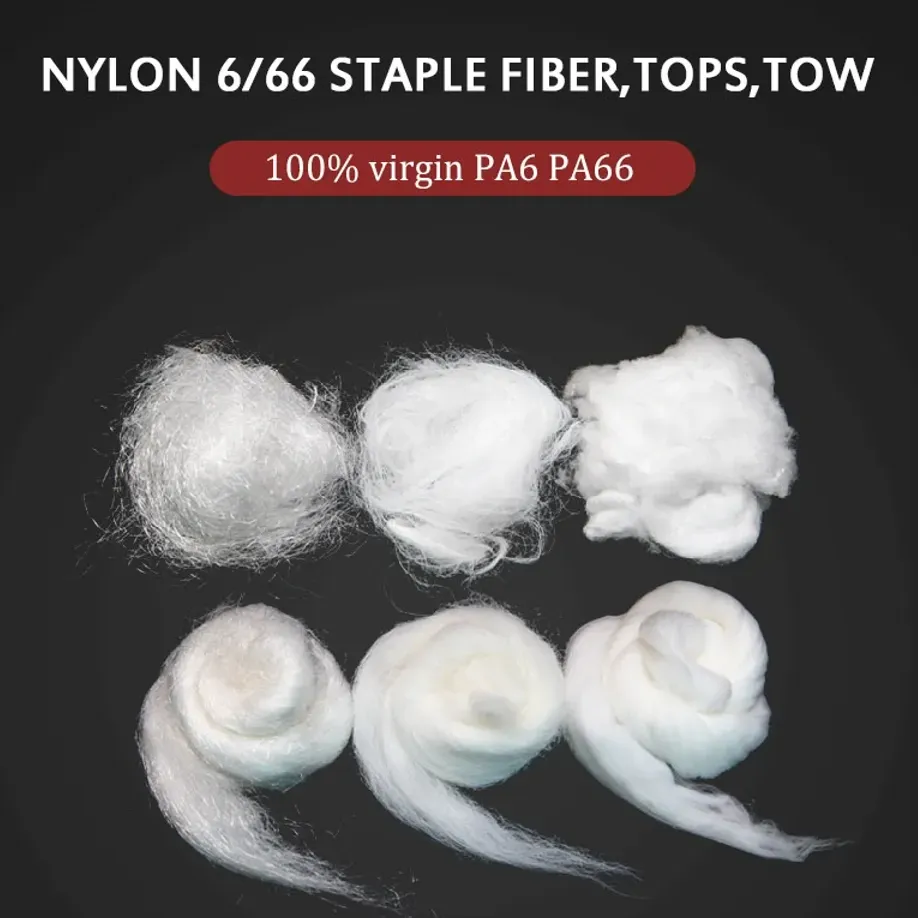
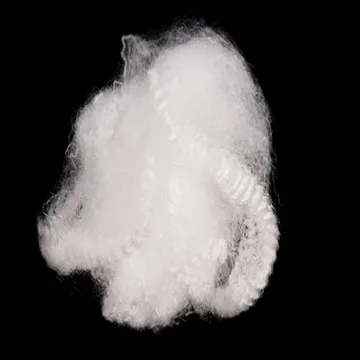
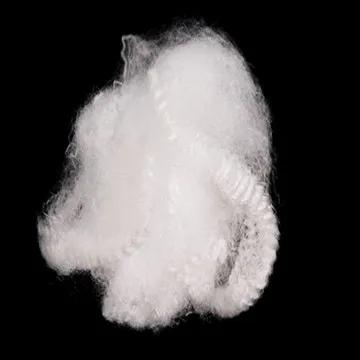
Nylon 66 fiber stands as a cornerstone in the world of synthetic textiles, renowned for its versatility and robustness. Developed from polyhexamethylene adipamide, this polymer excels in demanding applications where durability and performance are paramount. At Ningbo Sinopec Fiber Co., Ltd., we have honed our expertise in producing high-quality nylon 66 fiber since 1996, leveraging our expansive 50,000-square-meter facility to deliver up to 150 tons daily. Our commitment to innovation ensures that every strand meets rigorous standards, making it an ideal choice for industries seeking reliable materials.
Nylon 66 Properties
The inherent Nylon 66 properties make it a standout material in the textile landscape. This fiber boasts exceptional tensile strength, often exceeding 4.5 grams per denier, which allows it to withstand significant stress without deformation. Its high melting point, around 255 degrees Celsius, provides excellent thermal stability, resisting heat and abrasion better than many alternatives. Additionally, Nylon 66 properties include low moisture absorption, typically under 4%, ensuring dimensional stability in humid environments. Elastic recovery is another key attribute, enabling the fiber to bounce back after stretching, which enhances its longevity in dynamic uses. Our engineers at Ningbo Sinopec Fiber Co., Ltd. meticulously control these properties during production to guarantee consistency across batches, supporting applications from apparel to industrial reinforcements.
Nylon 66 Applications
Nylon 66 applications span a wide array of sectors, showcasing its adaptability. In the automotive industry, it's woven into seat belts and airbags for its impact resistance, while in fashion, it forms durable hosiery and activewear that maintain shape after repeated wear. The fiber also thrives in ropes, parachutes, and conveyor belts, where its toughness prevents fraying and failure under load. For technical textiles, Nylon 66 applications extend to filtration media and medical fabrics, benefiting from its chemical inertness and ease of sterilization. At our 20,000-square-meter production space, we tailor Nylon 66 applications to meet client specifications, whether for bulk orders or specialized needs, fostering partnerships that drive efficiency and innovation.
Nylon 66 Benefits
Among the Nylon 66 benefits, its superior durability reigns supreme, offering a lifespan that outpaces natural fibers in harsh conditions. This high-strength nylon variant reduces replacement frequency, translating to cost savings for manufacturers and end-users alike. Its lightweight nature, combined with impressive load-bearing capacity, makes it perfect for weight-sensitive products like sports gear. Furthermore, Nylon 66 benefits include environmental resilience; it resists UV degradation and microbial attack, ideal for outdoor applications. Dyeability adds aesthetic flexibility, allowing vibrant colors that endure washing cycles. Ningbo Sinopec Fiber Co., Ltd. emphasizes these Nylon 66 benefits in our PA66 offerings, supported by our team of 20 engineers who refine processes to enhance sustainability and performance, inviting long-term collaborations.
Nylon 66 vs Nylon 6
When comparing Nylon 66 vs Nylon 6, distinct differences emerge in structure and performance. Nylon 66, derived from hexamethylenediamine and adipic acid, features a more crystalline structure, yielding higher strength and better heat resistance than Nylon 6, which uses caprolactam. While both are polyamides, Nylon 66 vs Nylon 6 reveals the former's edge in elasticity and abrasion resistance, making it preferable for high-stress environments like tires and machinery parts. Nylon 6 may absorb more moisture, potentially affecting dimensional stability, whereas Nylon 66 maintains integrity across varied conditions. In our production at Ningbo Sinopec Fiber Co., Ltd., we focus on Nylon 66 for its balanced profile, producing both variants to offer clients informed choices based on specific Nylon 66 vs Nylon 6 needs.
Durable Nylon Fibers and High-Strength Nylon
Durable nylon fibers like Nylon 66 exemplify resilience in everyday and industrial contexts. As a form of high-strength nylon, it supports heavy-duty uses such as fishing lines and climbing ropes, where failure is not an option. Its molecular architecture imparts a toughness that endures mechanical wear, far surpassing lesser synthetics. High-strength nylon variants, including our premium lines, undergo rigorous testing to ensure they meet global standards, providing peace of mind for applications in aerospace and defense. Ningbo Sinopec Fiber Co., Ltd.'s dedication to durable nylon fibers shines through our efficient manufacturing, where 150 skilled employees transform raw materials into reliable high-strength nylon products.
Nylon 66 Manufacturing Process
The Nylon 66 manufacturing process begins with the polymerization of its monomers under controlled high-pressure conditions, forming a molten polymer that's extruded through spinnerets into fine filaments. These are then drawn and textured to enhance orientation and strength, followed by cooling and winding onto bobbins. Quality checks at each stage ensure uniformity, with our advanced equipment at Ningbo Sinopec Fiber Co., Ltd. optimizing energy use for eco-friendly output. This meticulous Nylon 66 manufacturing process results in fibers that embody purity and performance, ready for diverse transformations into yarns and fabrics. Our daily capacity underscores our ability to scale production while upholding the excellence that defines our brand.