Exploring Nylon 66 Fiber: A Cornerstone of Modern Manufacturing
Nylon 66 fiber stands as a pivotal material in the world of synthetic textiles and industrial applications, renowned for its robustness and versatility. At Ningbo Sinopec Fiber Co., Ltd., we have been at the forefront of producing high-quality nylon 66 fiber since our founding in 1996. With a dedicated team of 150 employees, including 20 skilled engineers, our 50,000-square-meter facility—boasting 20,000 square meters of production space—outputs 100-150 tons daily. Our commitment to excellence ensures that every strand of nylon 66 fiber meets stringent standards, making it ideal for partners seeking reliable, long-term collaborations. This article delves into the properties, applications, and advantages of nylon 66 fiber, highlighting why it remains a preferred choice in various industries.
Nylon 66 Properties: Strength and Resilience Defined
The Nylon 66 properties that set it apart include exceptional tensile strength, high melting point, and resistance to abrasion and chemicals. Derived from hexamethylenediamine and adipic acid, this polyamide polymer forms a crystalline structure that imparts durability, making it a type of high-strength nylon essential for demanding environments. Unlike natural fibers, nylon 66 fiber exhibits low moisture absorption, which maintains its performance in humid conditions. Its elasticity allows it to recover from stretching, ensuring longevity in products exposed to repeated stress. At our company, we refine these properties through advanced processing, resulting in fibers that are not only strong but also lightweight, facilitating easy handling in manufacturing lines. These attributes make nylon 66 fiber a go-to for creating durable nylon fibers that withstand wear and tear over time.
Nylon 66 Applications: From Textiles to Industrial Uses
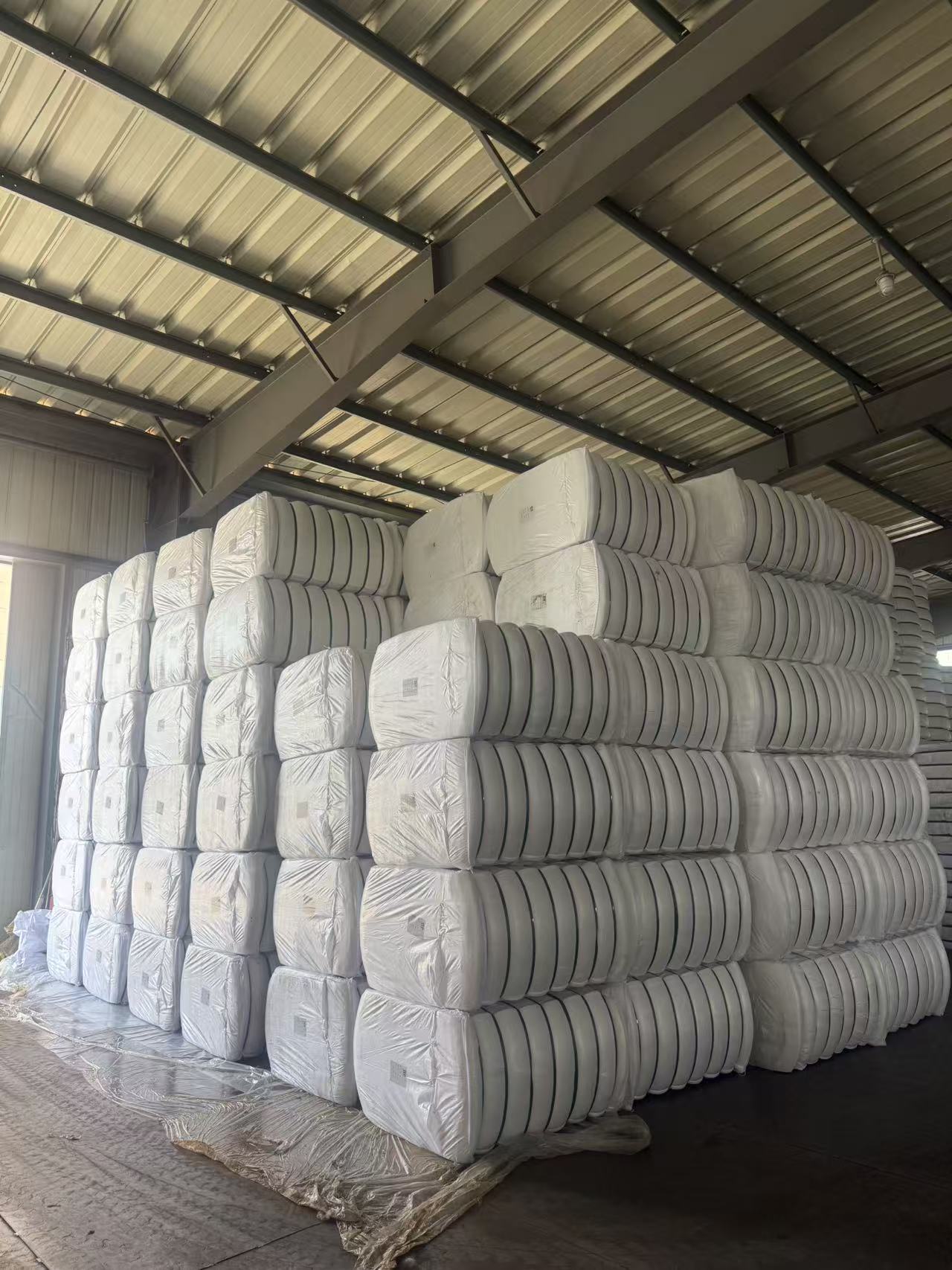
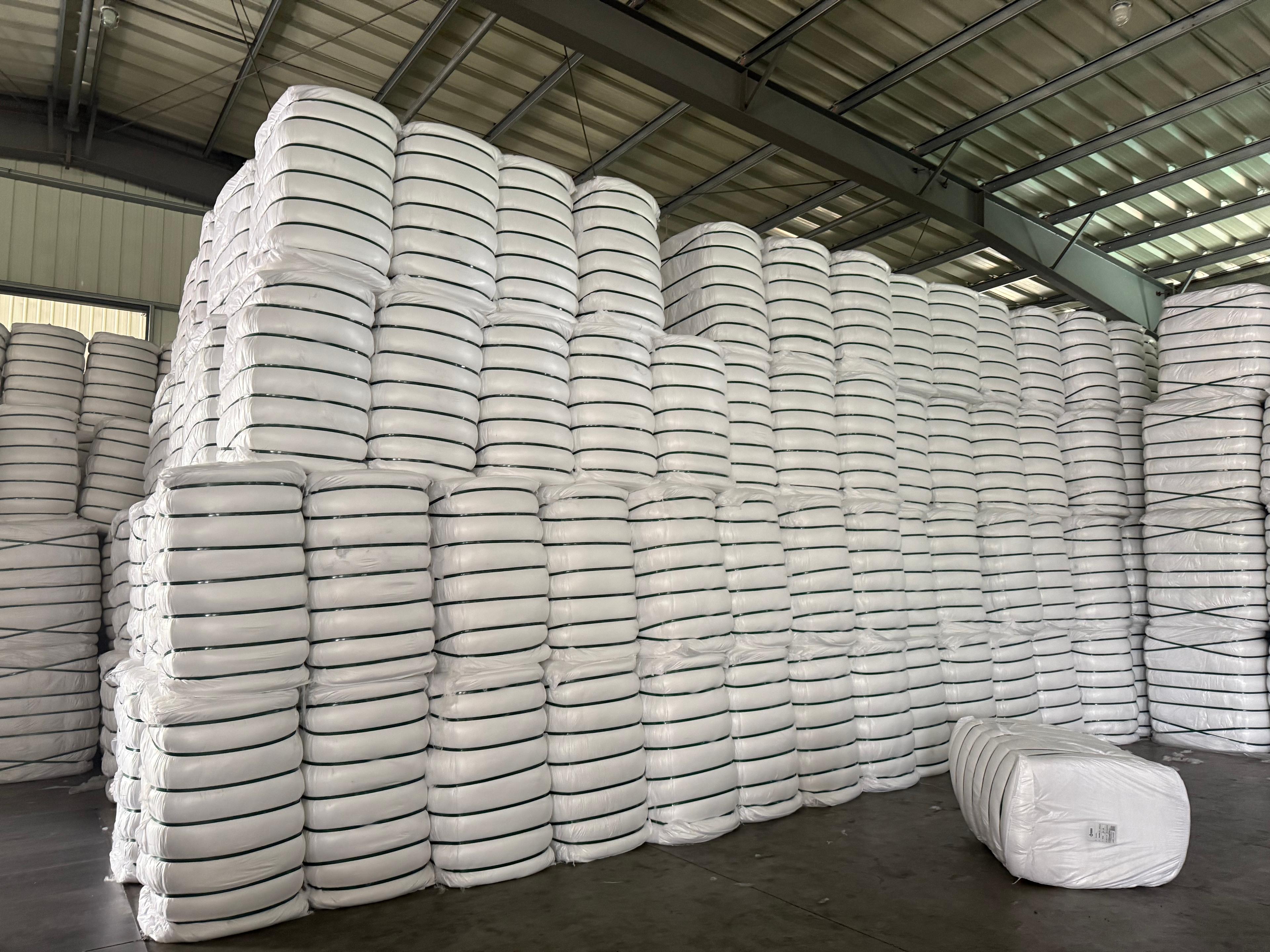
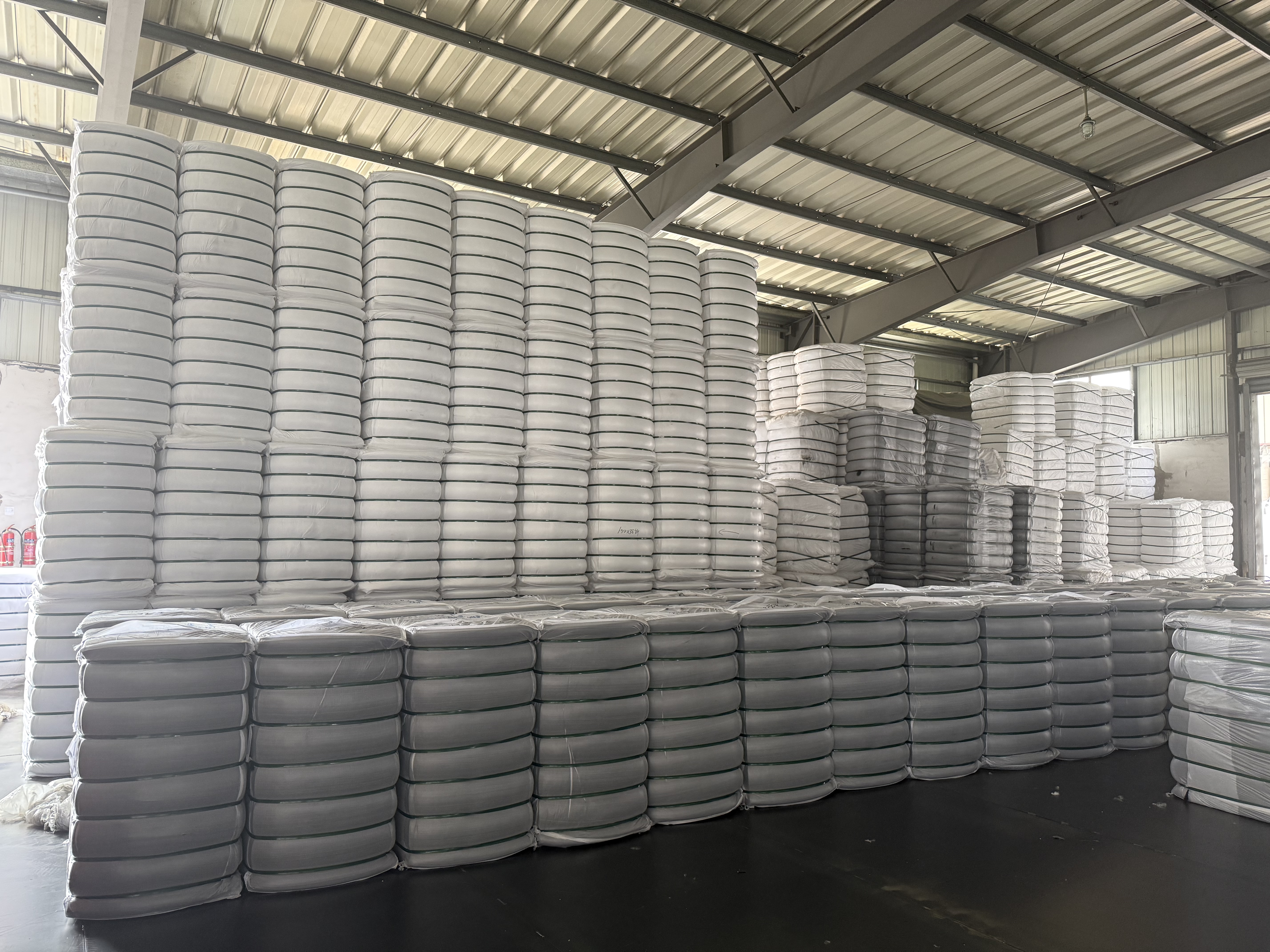
Nylon 66 applications span a wide array of sectors, showcasing its adaptability. In the textile industry, it's woven into fabrics for apparel, parachutes, and ropes, where its high-strength nylon qualities ensure safety and reliability. Automotive manufacturers utilize it for airbags, seat belts, and hoses, leveraging its impact resistance. In engineering, nylon 66 fiber reinforces composites for gears and bearings, benefiting from its self-lubricating nature. Our bulk-packaged nylon 66 fiber, neatly stacked in protective bales, supports these diverse needs, from home fixtures to commercial installations. Whether in fishing lines or conveyor belts, the applications of nylon 66 fiber demonstrate its role in enhancing product performance across residential and large-scale commercial settings.
Nylon 66 Benefits: Efficiency and Sustainability in Production
The Nylon 66 benefits are manifold, including cost-effectiveness due to its long lifespan and reduced need for replacements. Its thermal stability allows for high-speed processing, boosting productivity in manufacturing. Environmentally, while synthetic, our production at Ningbo Sinopec Fiber Co., Ltd. emphasizes sustainable practices, minimizing waste through efficient logistics in our warehouse setups. Nylon 66 fiber's resistance to UV light and chemicals extends the life of outdoor products, contributing to lower environmental impact over time. For businesses, these benefits translate to enhanced supply chain efficiency, with our premium, white-baled packaging ensuring pristine quality during transport. Overall, the advantages of nylon 66 fiber make it a smart investment for industries prioritizing durability and innovation.
Nylon 66 vs Nylon 6: Key Differences and Superiorities
When comparing Nylon 66 vs Nylon 6, distinct differences emerge in structure and performance. Nylon 66, with its two carbon groups per molecule, offers higher crystallinity and thus greater strength and heat resistance than Nylon 6, which has one. This makes nylon 66 fiber preferable for applications requiring superior mechanical properties, like tire cords or protective gear. While Nylon 6 excels in flexibility for films and packaging, nylon 66's abrasion resistance gives it an edge in high-wear scenarios. In our daily output of PA66 polyamide nylon fibers, we capitalize on these superiorities to deliver products that outperform alternatives, ensuring our clients receive the best in durable nylon fibers.
The Nylon 66 Manufacturing Process: Precision at Every Step
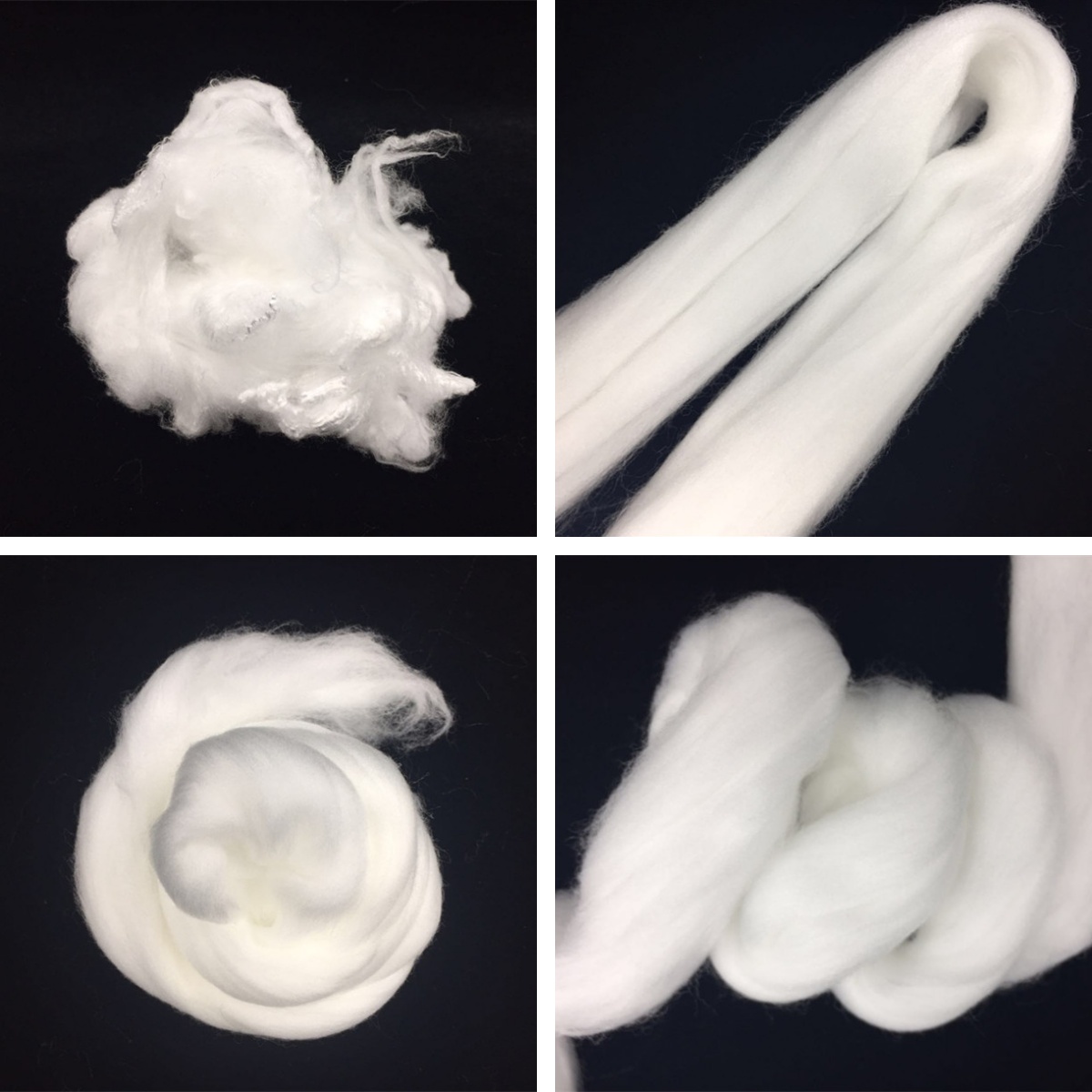
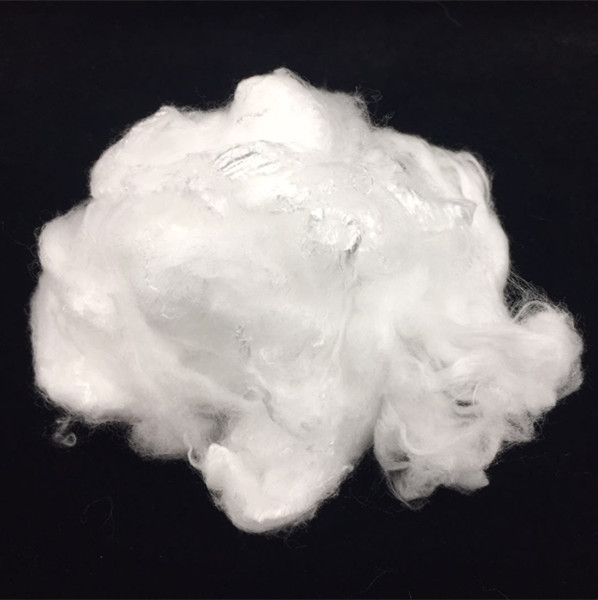
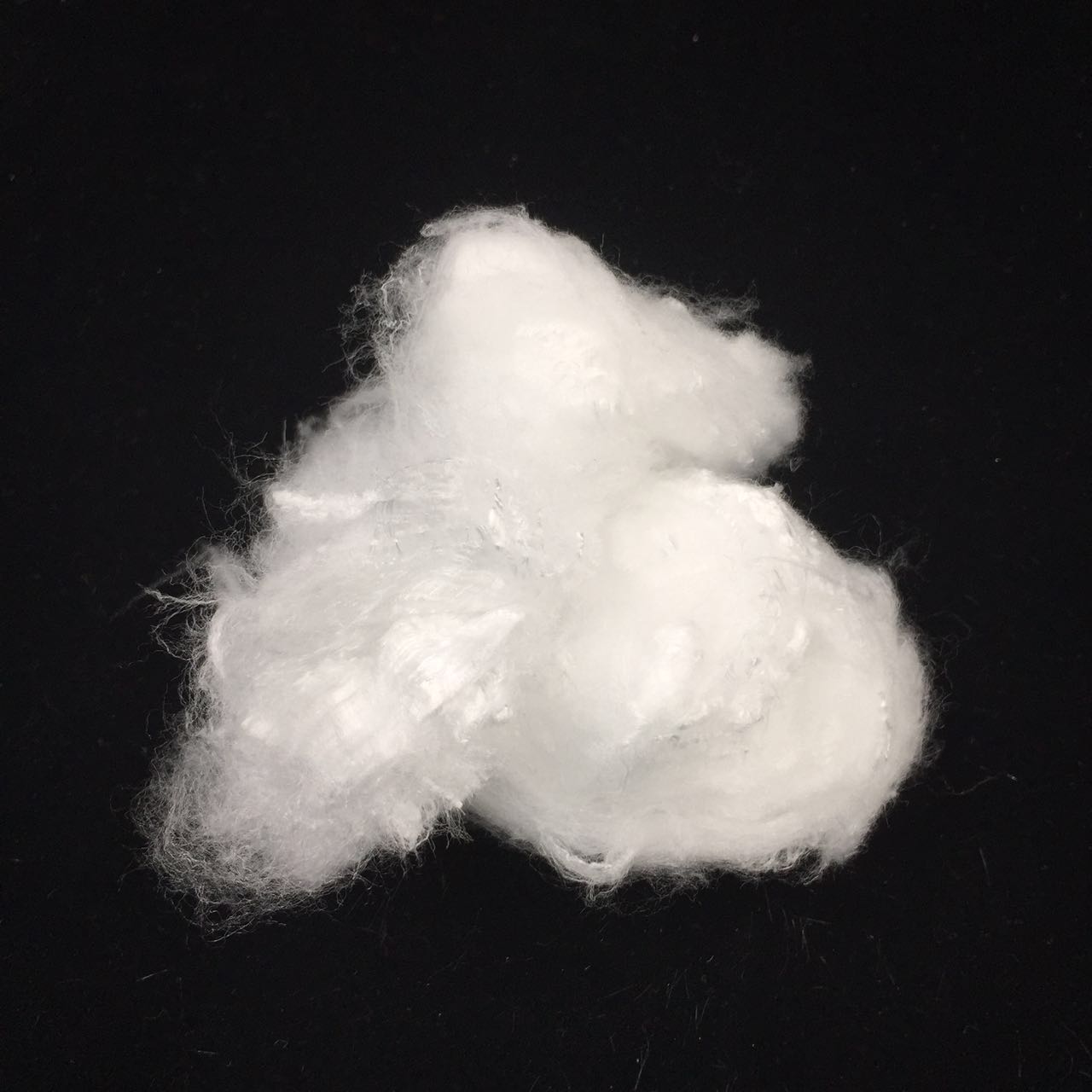
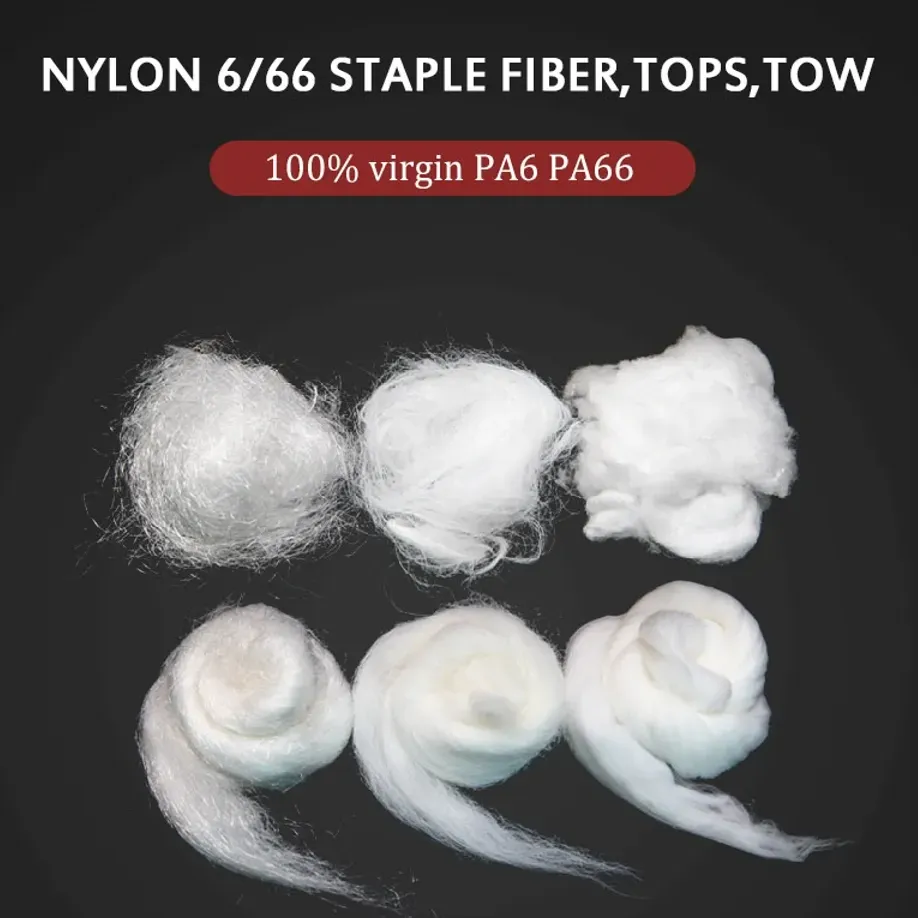
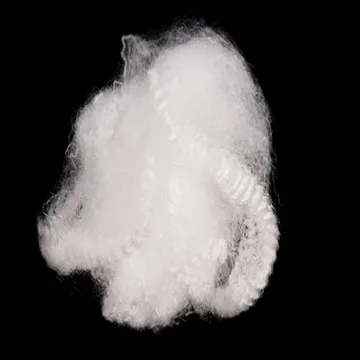
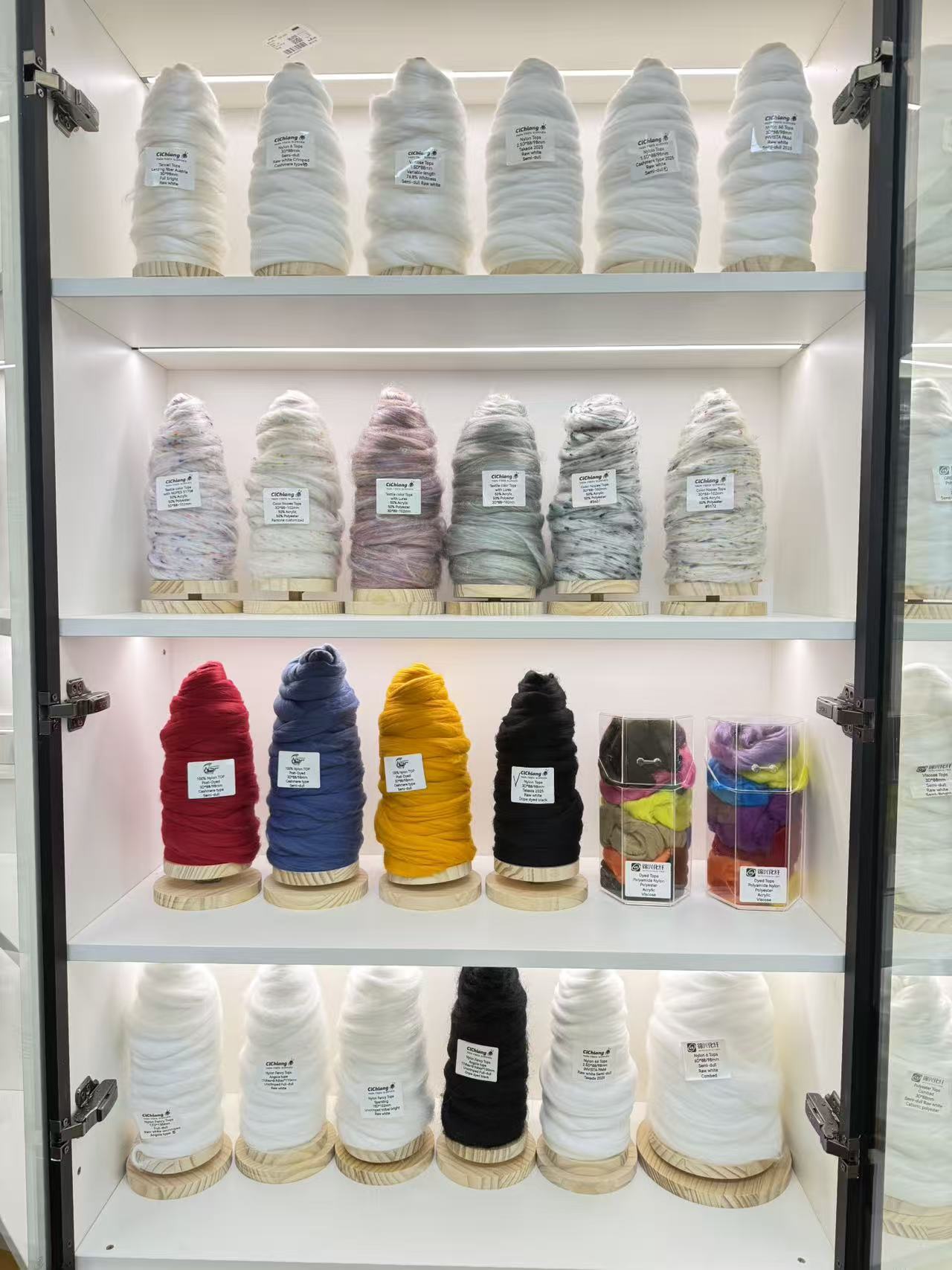
The Nylon 66 manufacturing process begins with polymerization of its monomers under controlled conditions, forming a molten polymer that's extruded through spinnerets to create filaments. These are then drawn and textured to enhance strength and softness, resulting in versatile forms—from fluffy raw fibers to smooth bundles ideal for spinning. At Ningbo Sinopec Fiber Co., Ltd., our engineers oversee this intricate process, achieving the silky luster and purity that define premium nylon 66 fiber. Quality checks ensure eco-friendly appeal, with sustainable sourcing reducing environmental footprint. This meticulous approach yields high-volume, protected packaging ready for global distribution, underscoring our dedication to innovation and reliability in every ton produced.