Exploring Nylon 66 Fiber: A Cornerstone of Modern Textiles
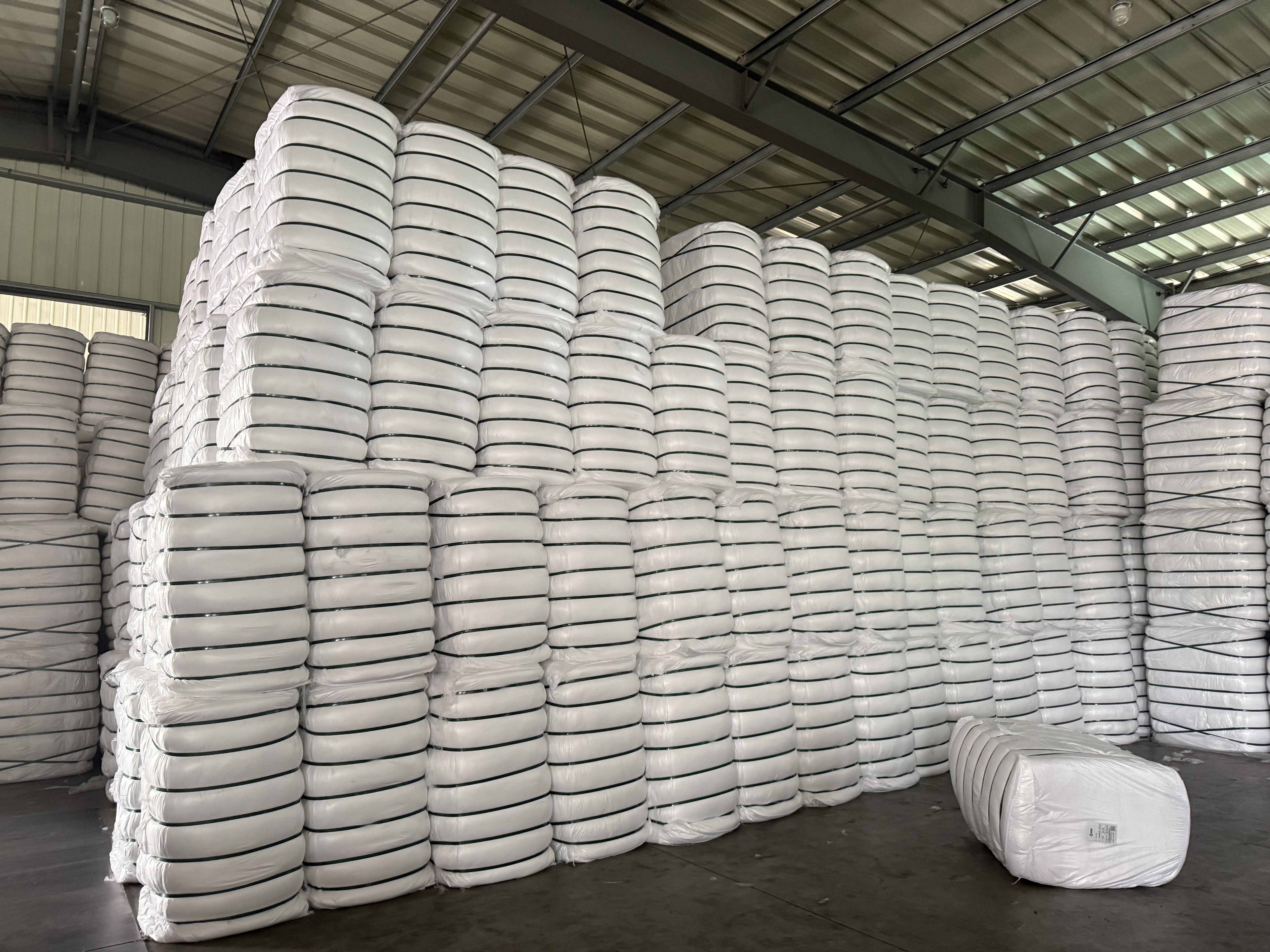
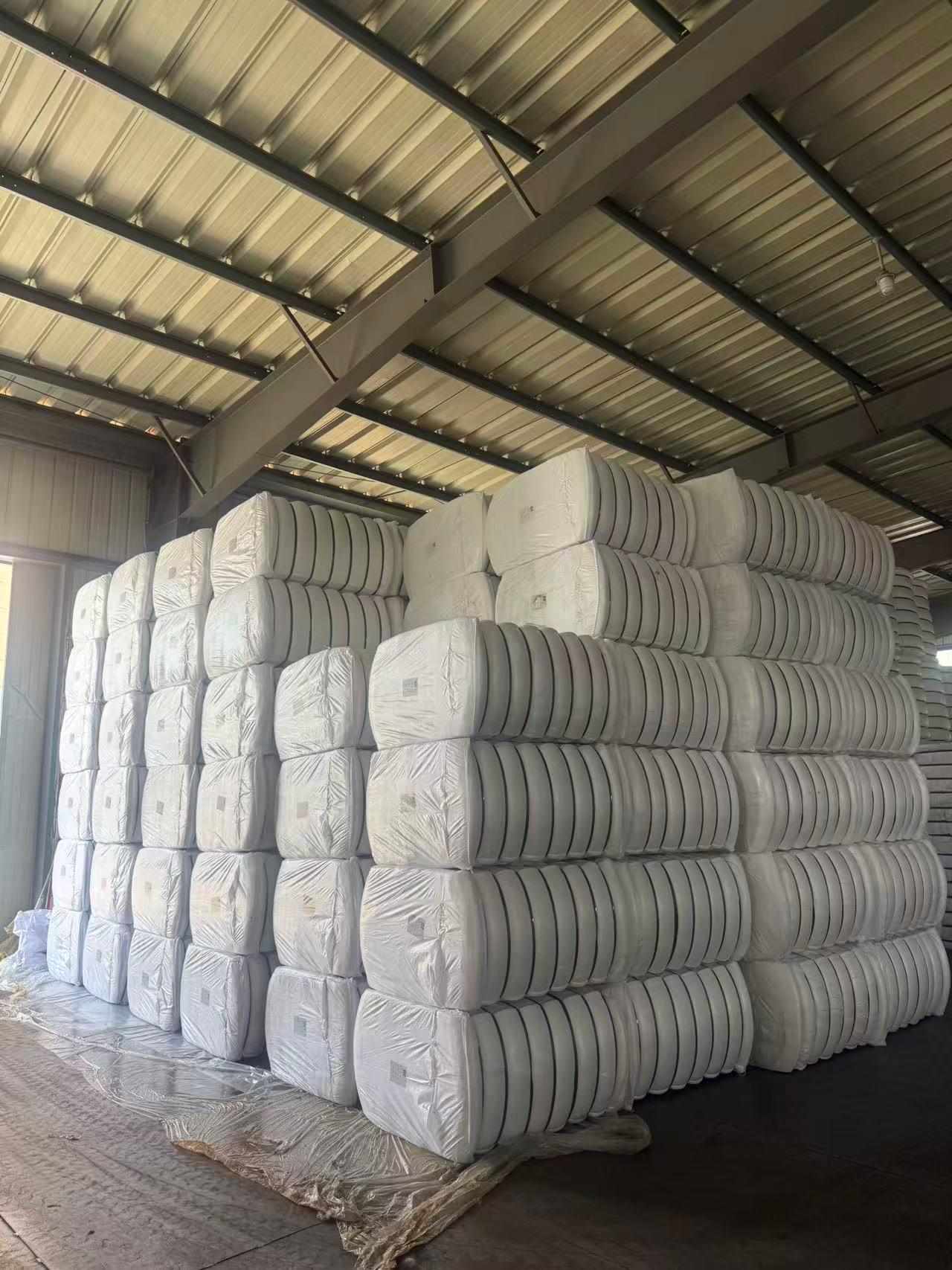
Nylon 66 fiber stands as a pivotal innovation in the synthetic polymer world, renowned for its versatility and strength in various industries. Developed through the polymerization of hexamethylenediamine and adipic acid, this polyamide material has become a staple for manufacturers seeking durable solutions. At Ningbo Sinopec Fiber Co., Ltd., we pride ourselves on producing high-quality nylon 66 fiber, leveraging our 50,000-square-meter facility to output 100-150 tons daily since our founding in 1996.
Nylon 66 Properties: Strength and Resilience Defined
The defining Nylon 66 properties lie in its exceptional tensile strength and elasticity, making it a preferred choice for demanding applications. This high-strength nylon exhibits remarkable resistance to abrasion, chemicals, and heat, with a melting point around 255°C that ensures stability under high temperatures. Unlike natural fibers, nylon 66 fiber maintains its integrity even after prolonged exposure to moisture, absorbing only about 4% water, which prevents significant dimensional changes. Our engineers at Ningbo Sinopec Fiber Co., Ltd. meticulously control these properties during production, ensuring consistency that meets global standards. Additionally, its low coefficient of friction contributes to smooth performance in dynamic uses, while the fiber's dyeability allows for vibrant, long-lasting colors.
Nylon 66 Applications: From Textiles to Industrial Uses
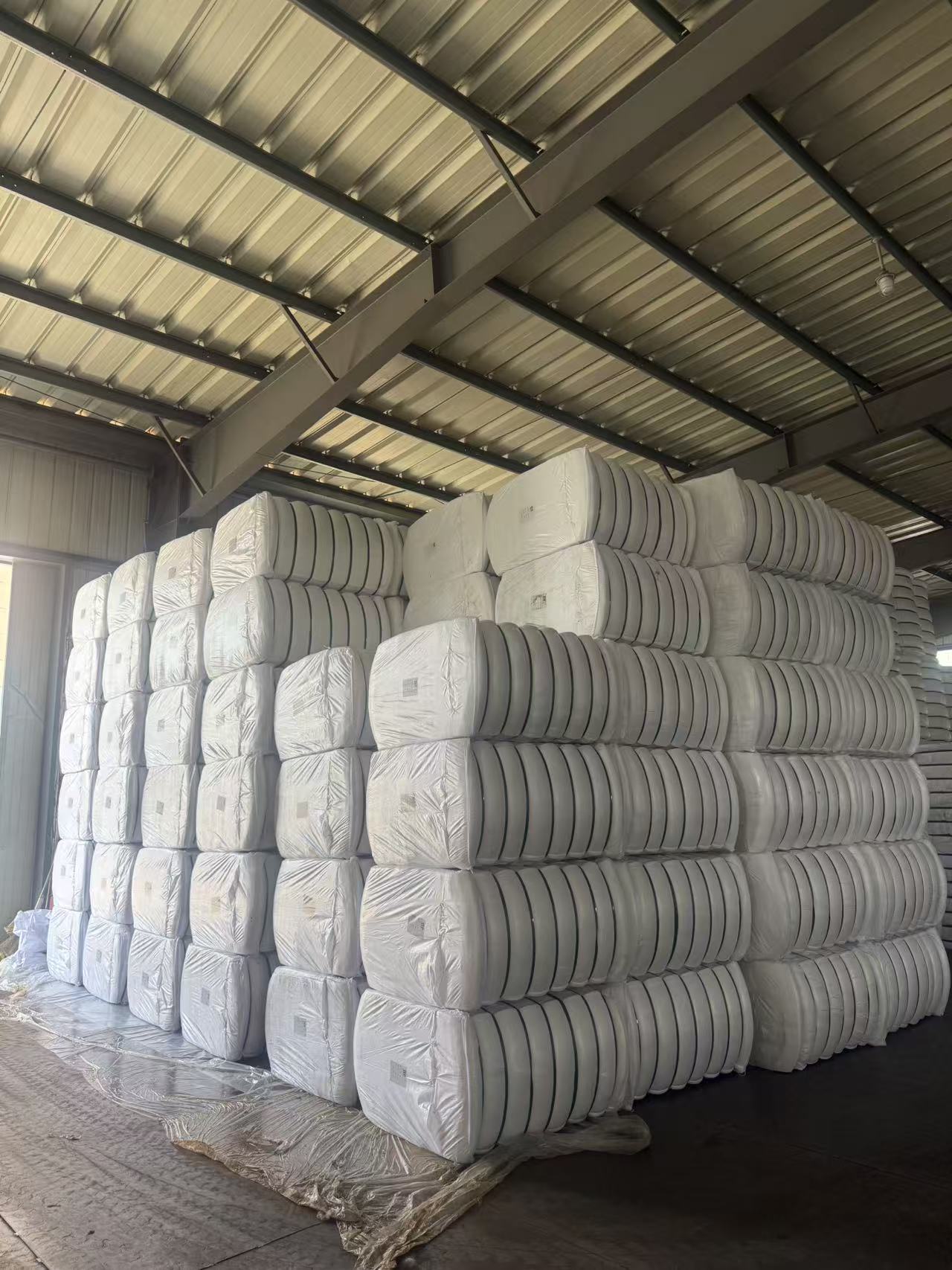
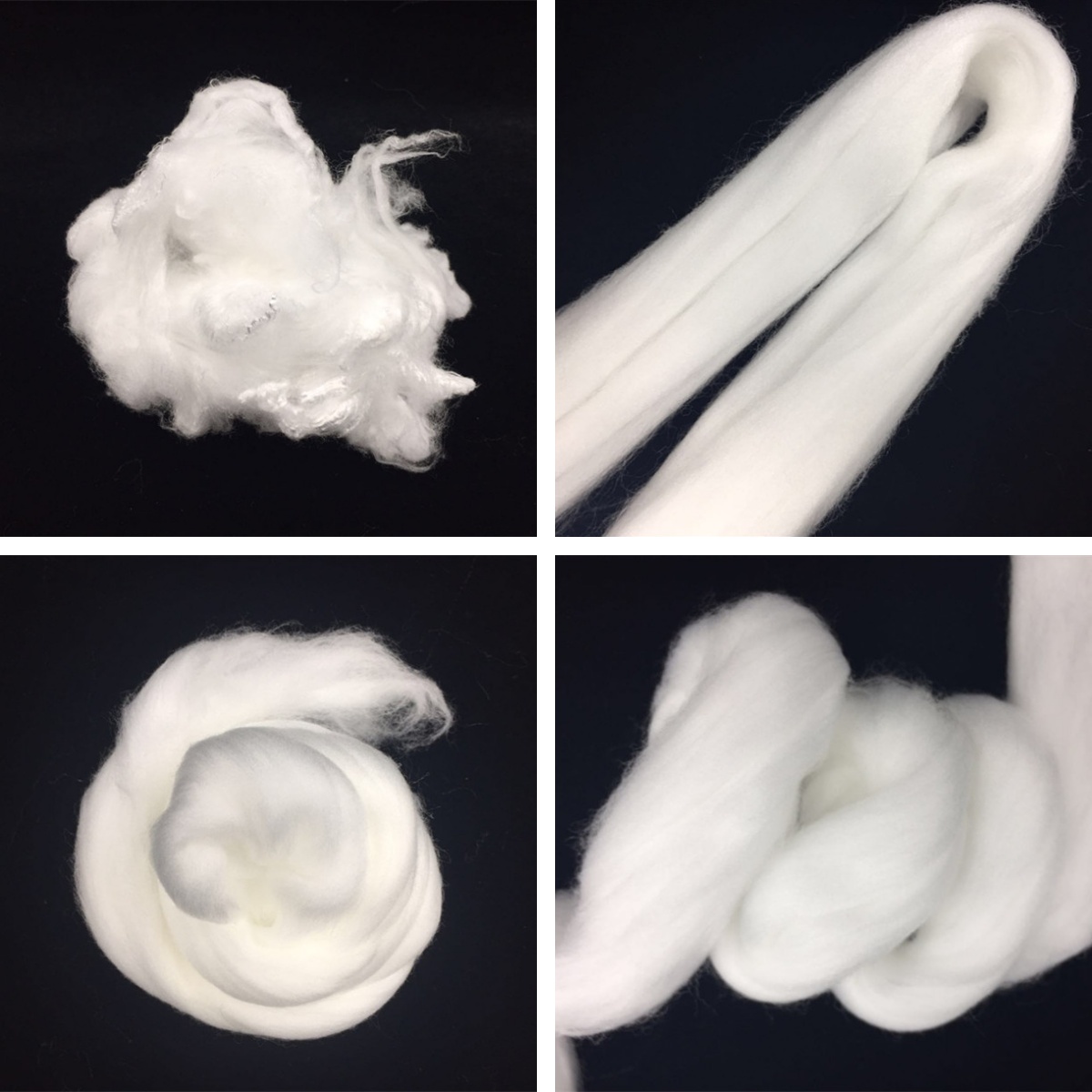
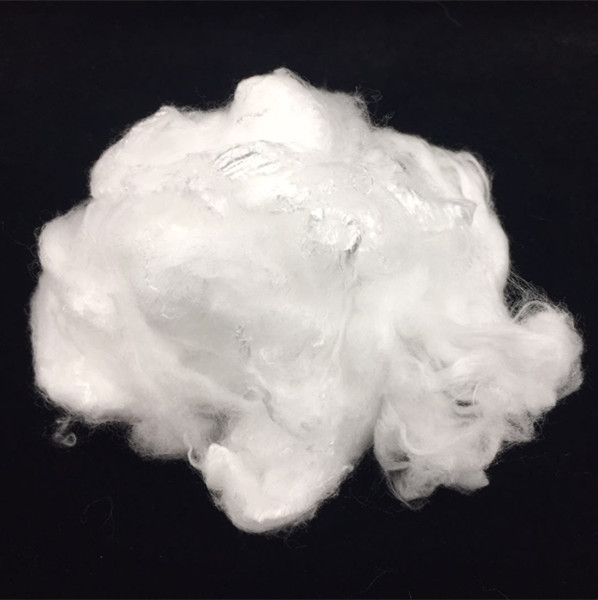
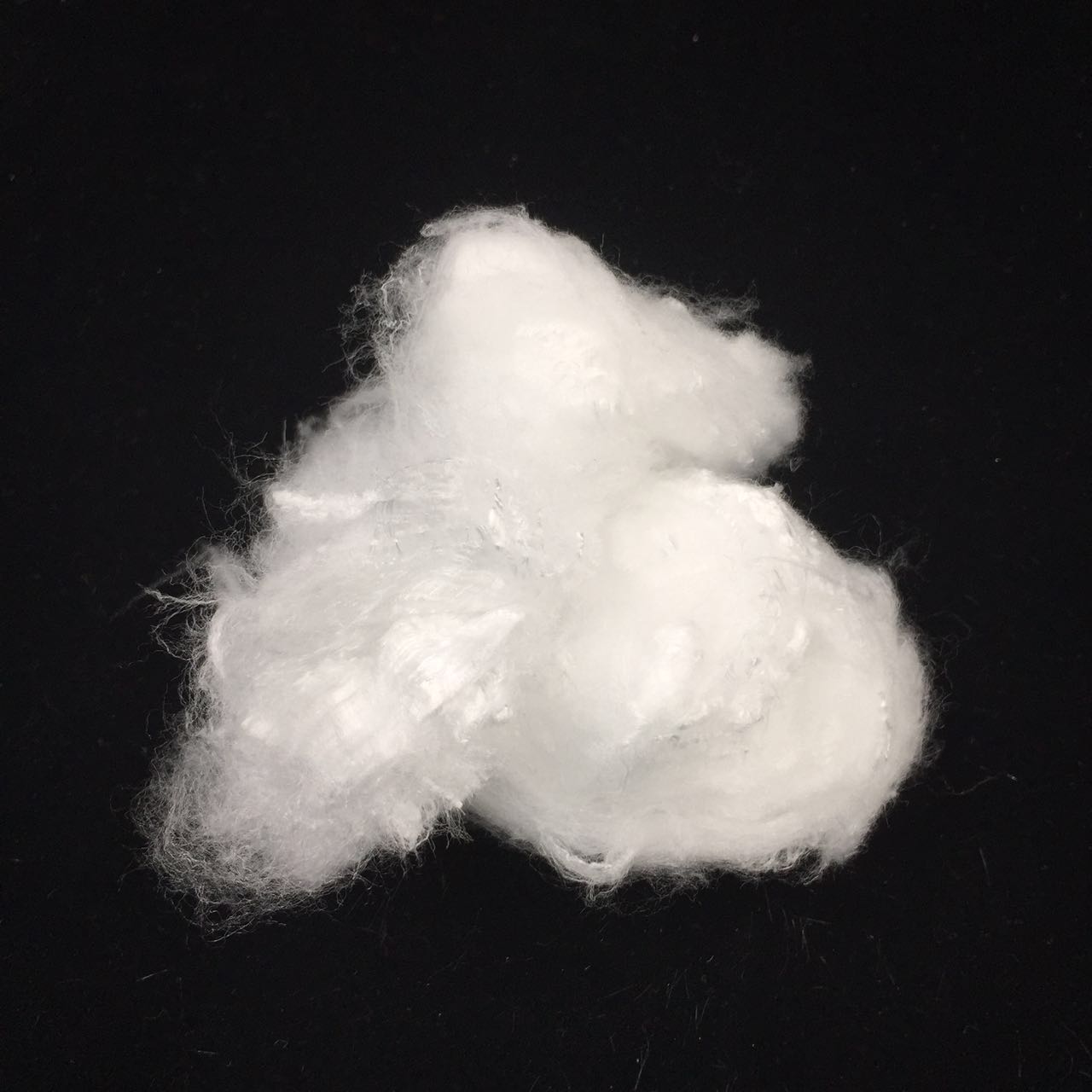
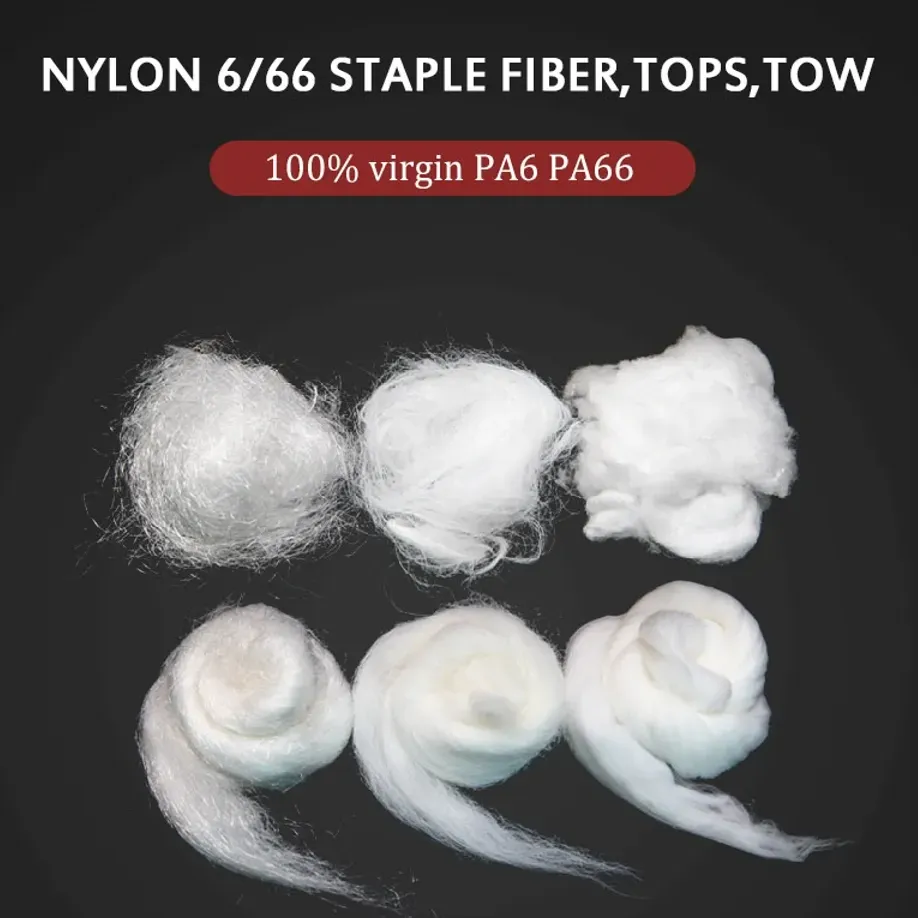
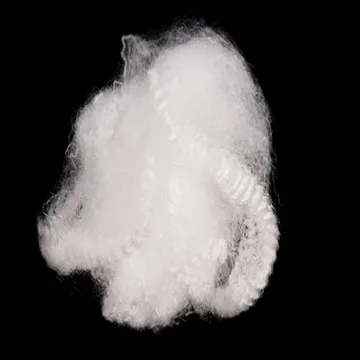
Nylon 66 applications span a wide array of sectors, showcasing its adaptability as durable nylon fibers. In the textile industry, it's woven into robust fabrics for upholstery, carpets, and apparel, where its toughness withstands daily wear. Automotive manufacturers utilize it for airbags, seat belts, and hoses, benefiting from its impact resistance and lightweight nature. In consumer goods, nylon 66 fiber enhances products like ropes, parachutes, and even components in our premium toilet seats, providing the ergonomic support and hygienic packaging described in our product lineup. For industrial settings, it's ideal for conveyor belts and filtration materials. At our 20,000-square-meter production space, we transform raw materials into these versatile forms, from fluffy raw fibers to twisted variants, ready for integration into your supply chain.
Nylon 66 Benefits: Why It Outshines Competitors
The Nylon 66 benefits are evident in its superior performance and cost-effectiveness, offering long-term value for manufacturers and end-users alike. Its high elasticity ensures products recover shape after stretching, reducing wear and tear, while the material's recyclability aligns with eco-friendly practices—key to our sustainable manufacturing at Ningbo Sinopec Fiber Co., Ltd. Compared to other synthetics, nylon 66 fiber provides better fatigue resistance, making it suitable for repetitive stress environments. These advantages translate to lower maintenance needs and extended product lifespans, whether in fashion or heavy-duty gear.
Nylon 66 vs Nylon 6: Key Differences in Performance
When comparing Nylon 66 vs Nylon 6, the former edges out in thermal stability and mechanical strength, with a higher melting point and greater crystallinity that enhances rigidity. Nylon 6, derived from caprolactam, absorbs more moisture (up to 9%), potentially affecting dimensions, whereas nylon 66 fiber remains more consistent. This makes high-strength nylon like ours preferable for precision applications such as engineering plastics and tire cords. Our 150-strong team, including 20 dedicated engineers, refines these distinctions in production, ensuring our PA66 output surpasses alternatives in durability and reliability.
The Nylon 66 Manufacturing Process: Precision and Innovation
The Nylon 66 manufacturing process begins with precise monomer synthesis, followed by polymerization in reactors to form the polymer melt. This is then extruded through spinnerets to create filaments, which are drawn and textured for desired properties. At Ningbo Sinopec Fiber Co., Ltd., we employ advanced melt-spinning techniques in our expansive facility, incorporating quality checks to yield pristine white fibers in forms like rovings and twisted strands. This controlled environment minimizes impurities, resulting in the versatile, bale-packaged materials that support industries from textiles to consumer products. Our commitment to innovation ensures each batch meets the rigorous demands of durable nylon fibers, fostering partnerships worldwide.
In summary, nylon 66 fiber continues to drive advancements across multiple fields, backed by the expertise of companies like ours dedicated to excellence and sustainability.