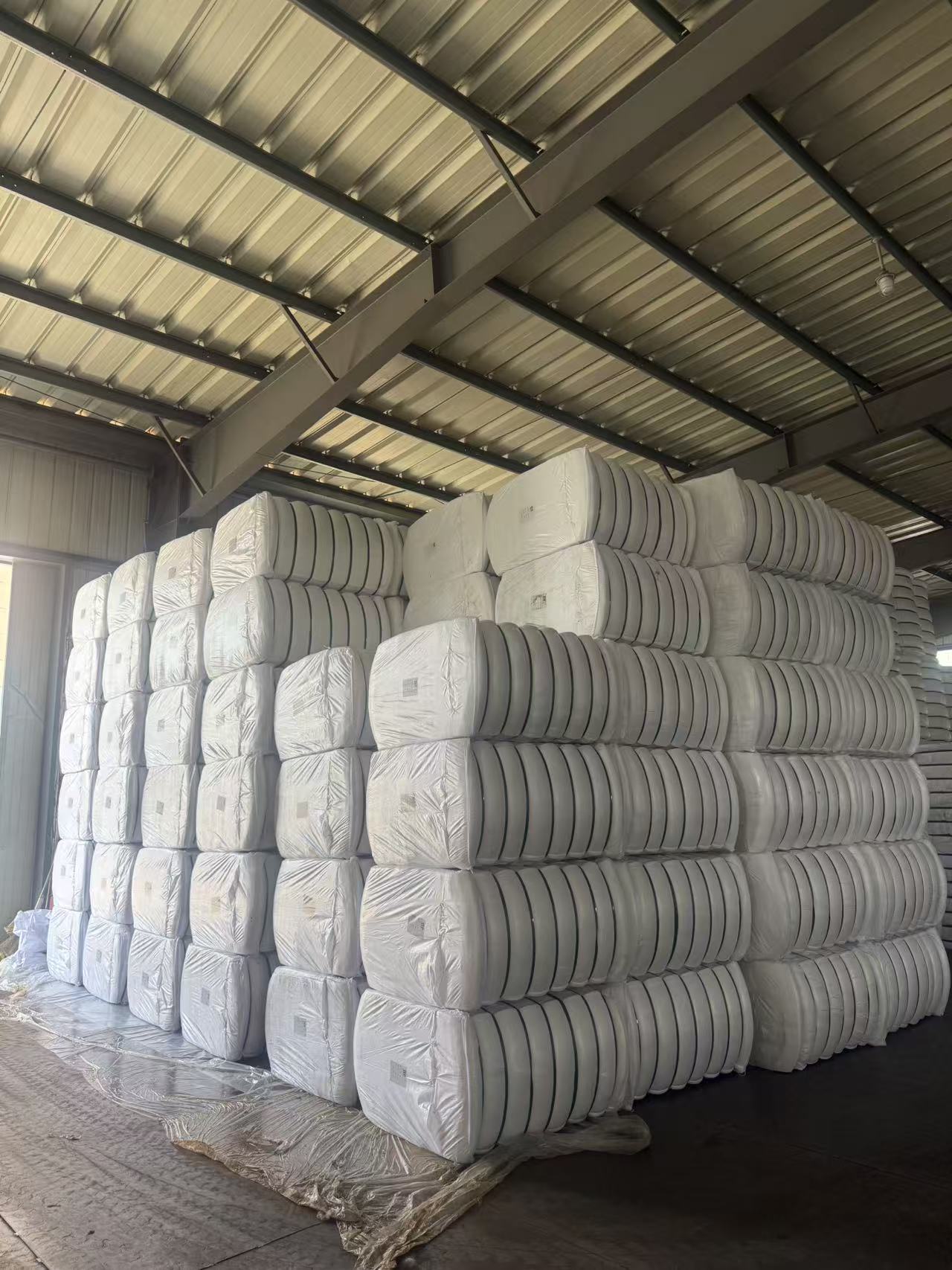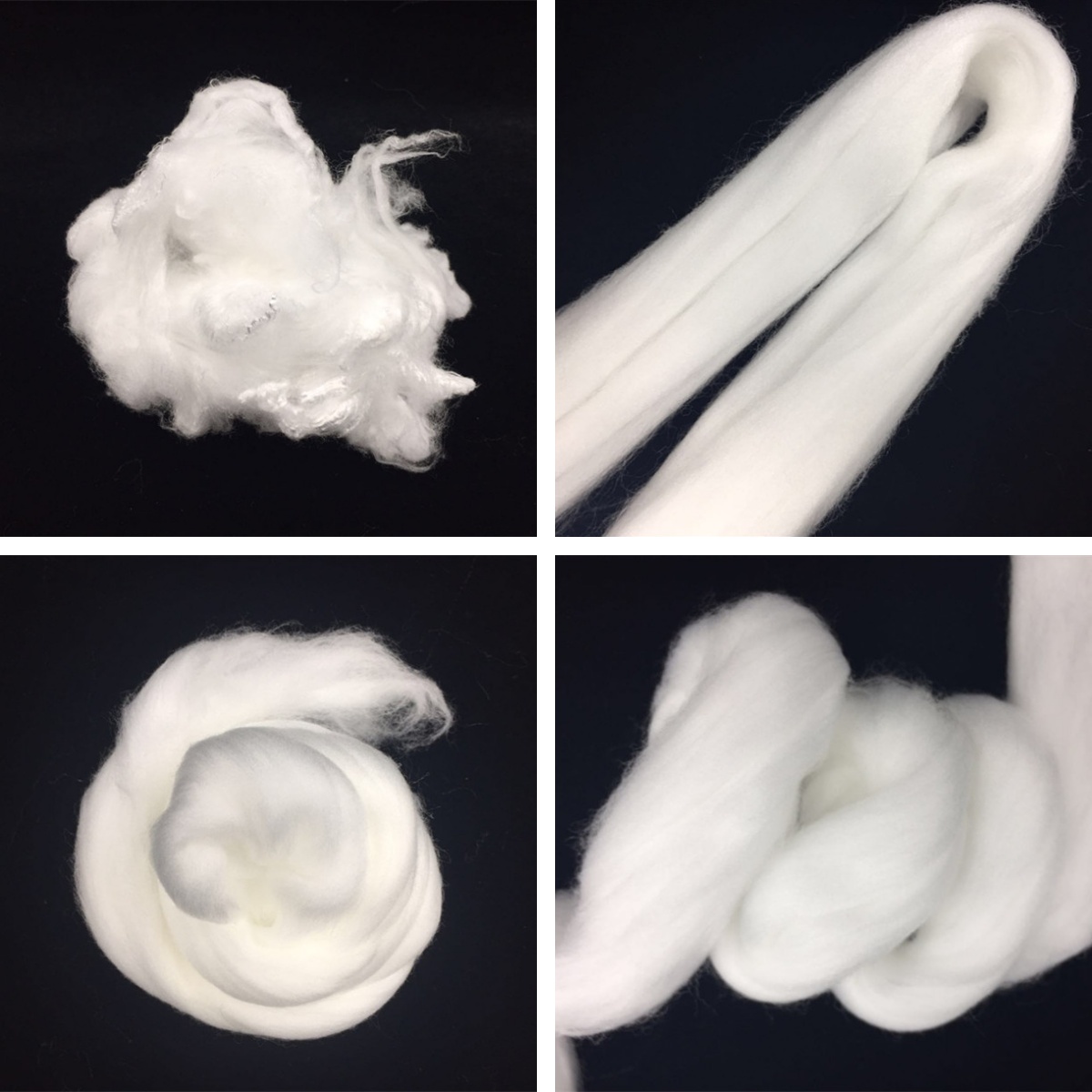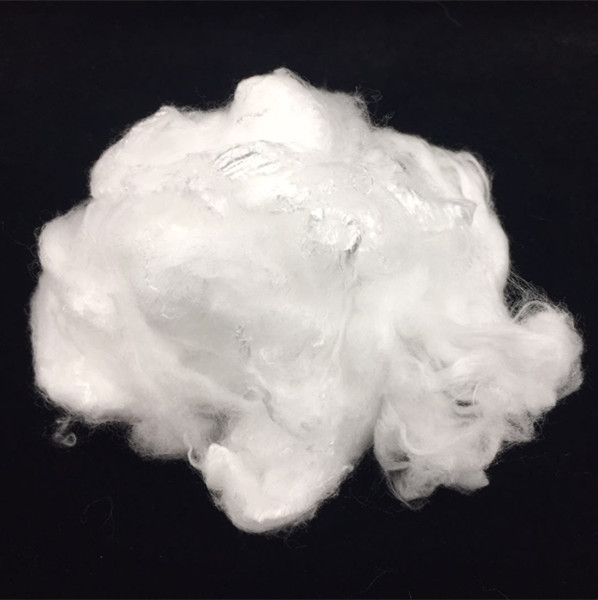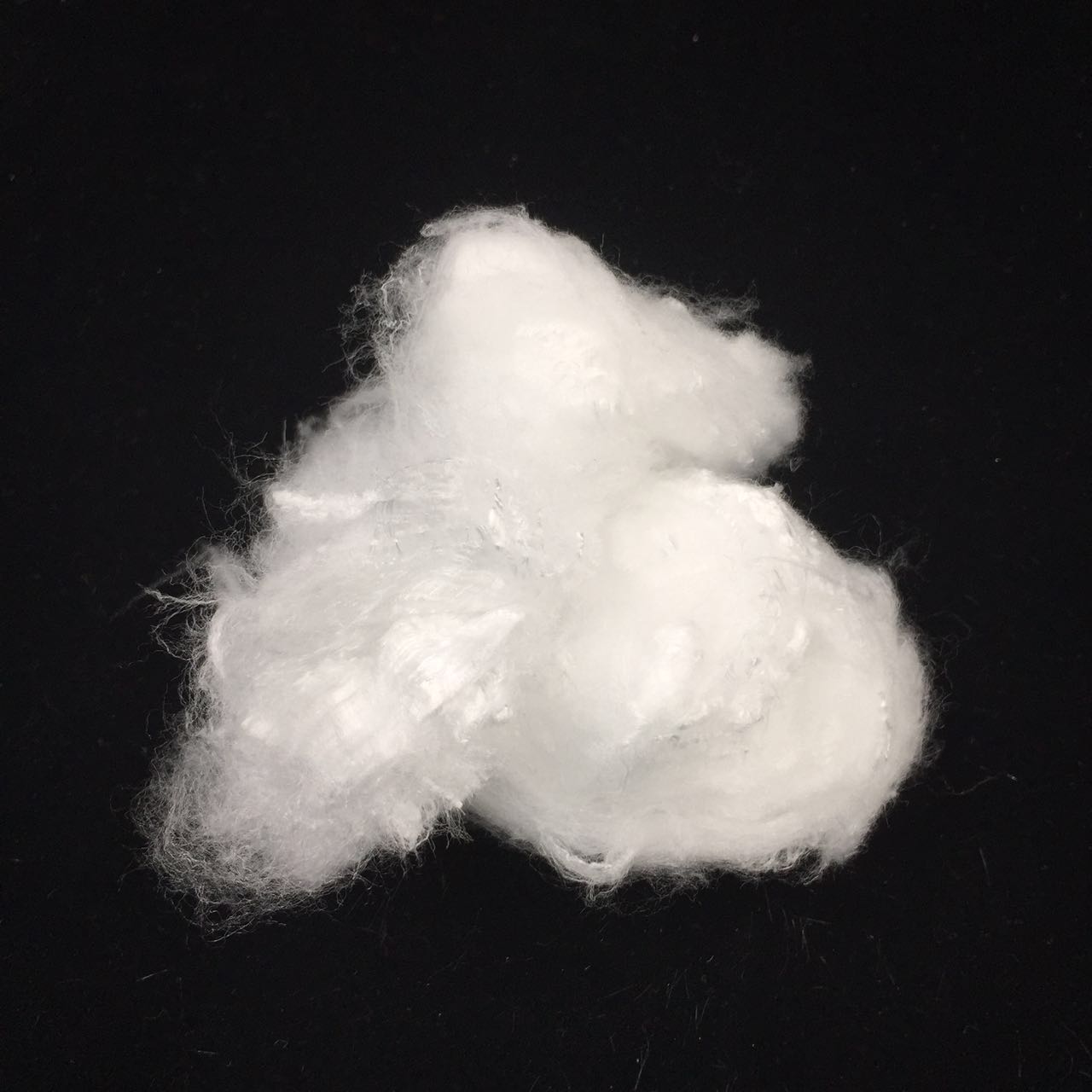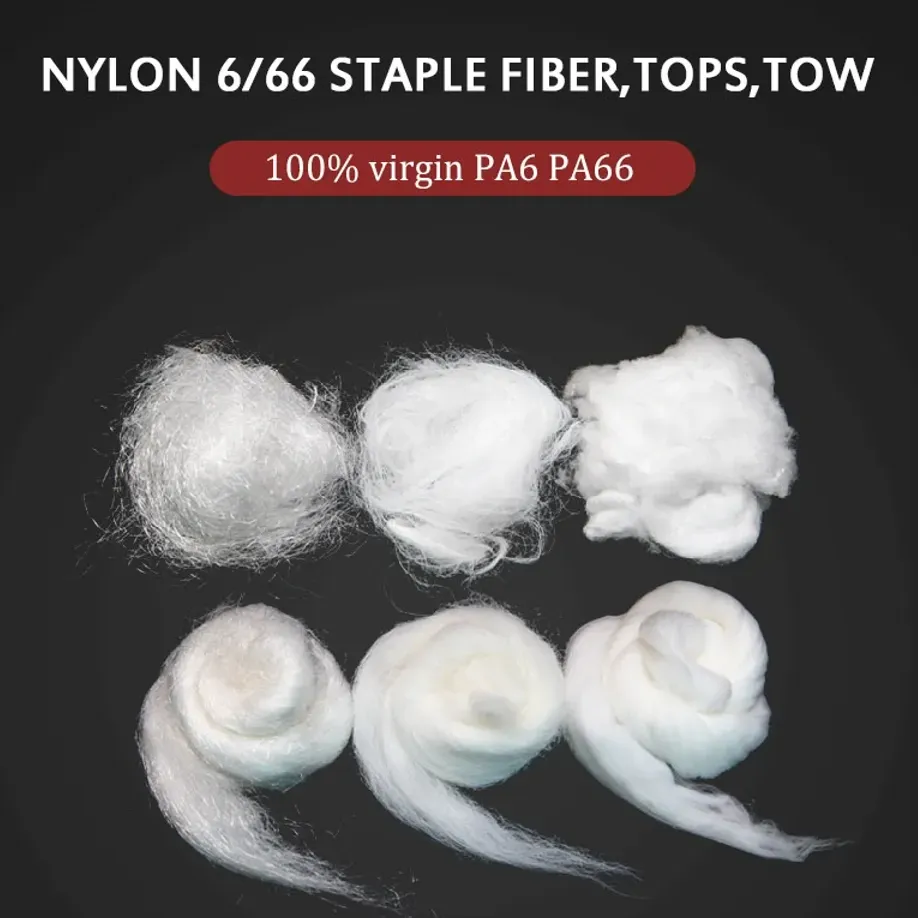
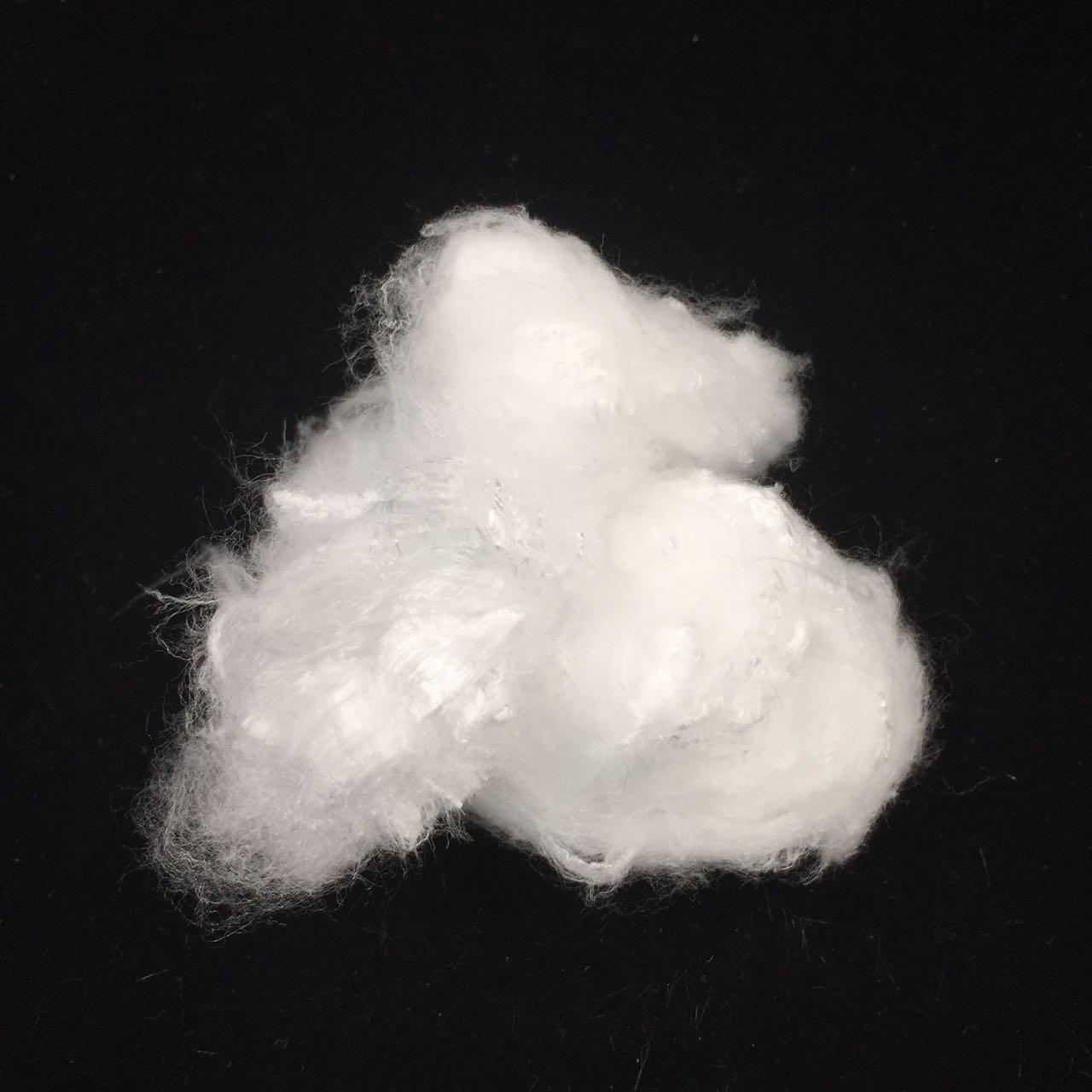
If you are delving into the world of high-performance materials, understanding the nylon 66 fiber is an essential first step for any engineer, designer, or manufacturer. This synthetic polymer, also known as PA66 fiber, stands as a cornerstone in numerous industries due to its exceptional combination of strength, durability, and versatility. From the clothes we wear to critical components in our vehicles, this remarkable material, championed by innovators like Invista, plays a pivotal role in modern technology and manufacturing. This guide will walk you through its core properties, production, and the vast applications that make it an indispensable resource.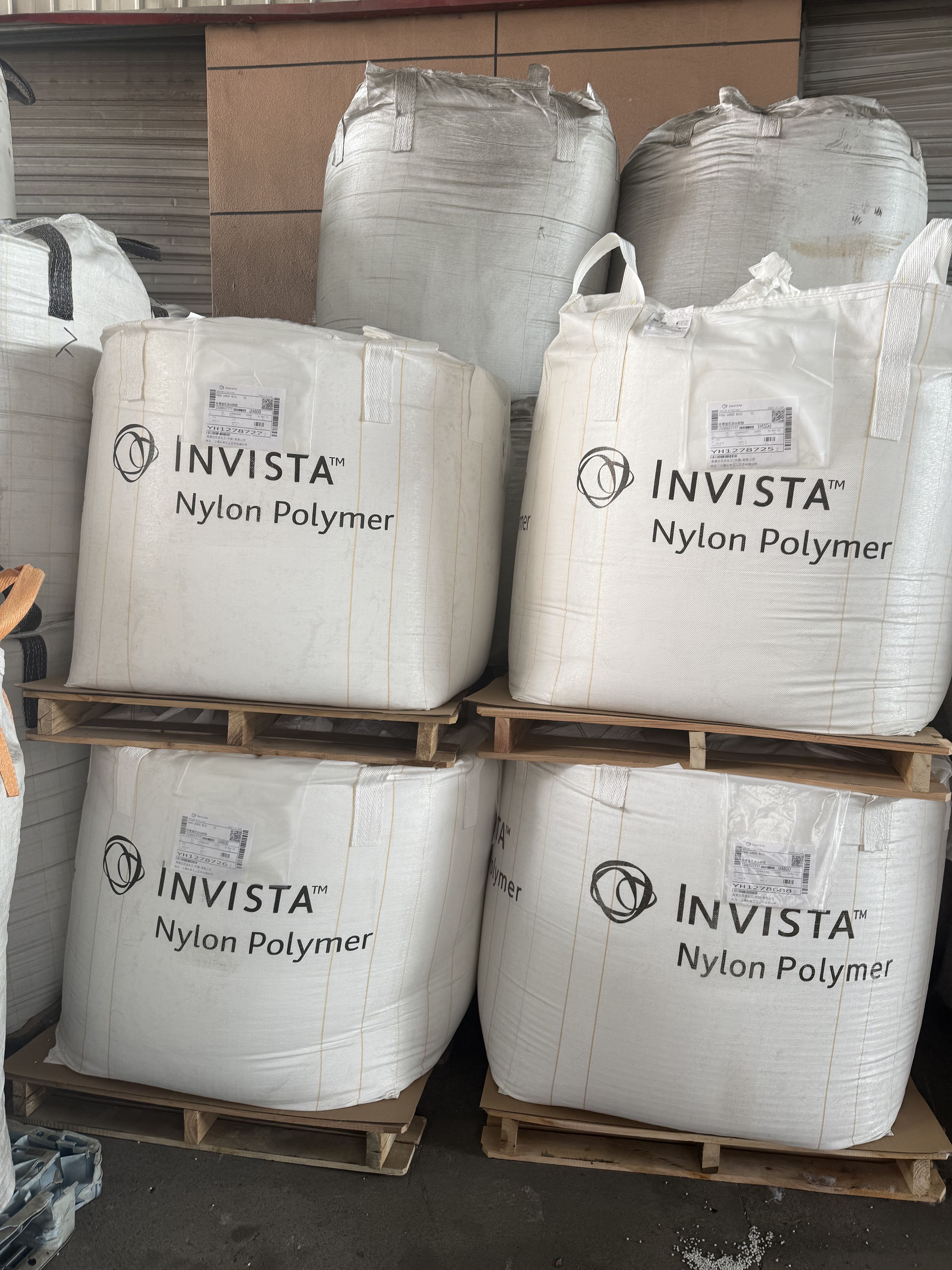
What are the Key Polyamide 66 Properties?
To appreciate the value of this material, it is crucial to examine its fundamental characteristics. The polyamide 66 properties are what set it apart from other polymers. It boasts high mechanical strength and stiffness, making it incredibly resilient against wear and abrasion. Furthermore, nylon 66 has excellent thermal stability, meaning it can maintain its structural integrity at high temperatures, a vital trait for automotive and industrial uses. Its resistance to chemicals, oils, and fuels further enhances its durability. This unique combination of toughness and resilience ensures that products made from this fiber are long-lasting and reliable, whether they are high-tenacity staple fibers for industrial textiles or precision-molded parts.
A Guide to Nylon 66 Production
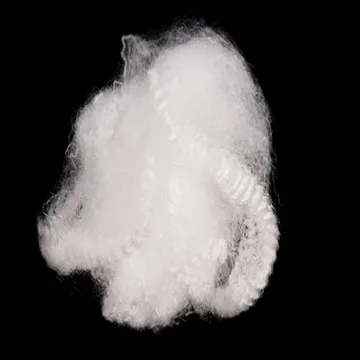
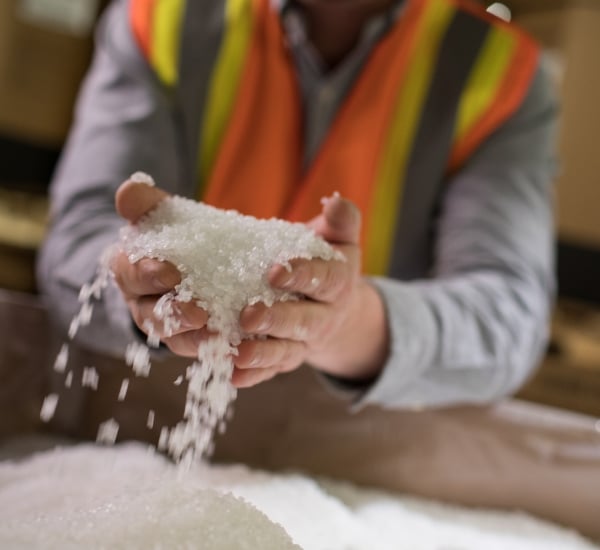
The journey of Nylon 66 production is a marvel of chemical engineering. It begins with the polymerization of two monomers: hexamethylenediamine and adipic acid. Each of these molecules contains six carbon atoms, which is where the '66' designation originates. This process, known as condensation polymerization, creates long, robust polymer chains that form the basis of the PA66 material. The resulting polymer is then melted, extruded through a spinneret to form continuous filaments, and cooled. These filaments can be wound into yarn or cut into staple fibers, ready for diverse manufacturing processes. Companies at the forefront of this process focus on creating highly pure and consistent polymers to ensure peak performance in every final application, emphasizing sustainable practices to reduce environmental impact.
Common Nylon 66 Applications Across Industries
The superior properties of nylon 66 lead to a vast array of practical nylon 66 applications. In the textile industry, it is used to create durable apparel, performance wear, and robust carpeting. Its high tensile strength makes it ideal for industrial products like ropes, conveyor belts, and tire cords. The automotive sector relies heavily on nylon 66 for components such as engine covers, air intake manifolds, and radiator fans due to its heat and chemical resistance. Furthermore, its versatility extends to consumer goods, including kitchen utensils, power tool housings, and electronic connectors. The adaptability of materials from producers of Invista textiles, for example, allows for innovations ranging from soft, comfortable fabrics to incredibly strong reinforcement materials.
Why Choose a Premium Supplier like Invista?
When sourcing this versatile polymer, the quality of the raw material is paramount to the success of the end product. This is where Invista nylon fibers set the industry standard. As a leading manufacturer, Invista provides high-quality nylon polymers that serve as the foundation for countless cutting-edge products. Their offerings, such as high-tenacity staple fibers, are engineered for exceptional durability, performance, and even softness, balancing comfort with structural integrity. Choosing a premium supplier ensures access to materials produced with a focus on sustainability, innovation, and consistency. This partnership empowers manufacturers to push boundaries, developing future-ready inventions that are both reliable and aligned with modern environmental standards.