Discovering Nylon 66 Fiber: A Pillar of Modern Textiles
Nylon 66 fiber stands as a cornerstone in the world of synthetic textiles, renowned for its reliability and versatility. Developed through a precise polycondensation process involving hexamethylenediamine and adipic acid, this polymer offers exceptional performance in demanding applications. At Ningbo Sinopec Fiber Co., Ltd., we have honed our expertise in nylon 66 fiber production since 1996, leveraging our 50,000-square-meter facility to deliver high-quality outputs of 100-150 tons daily. Our commitment to innovation ensures that every strand meets rigorous standards, making it a preferred choice for industries seeking durable solutions.
Nylon 66 Properties: Strength and Resilience Defined
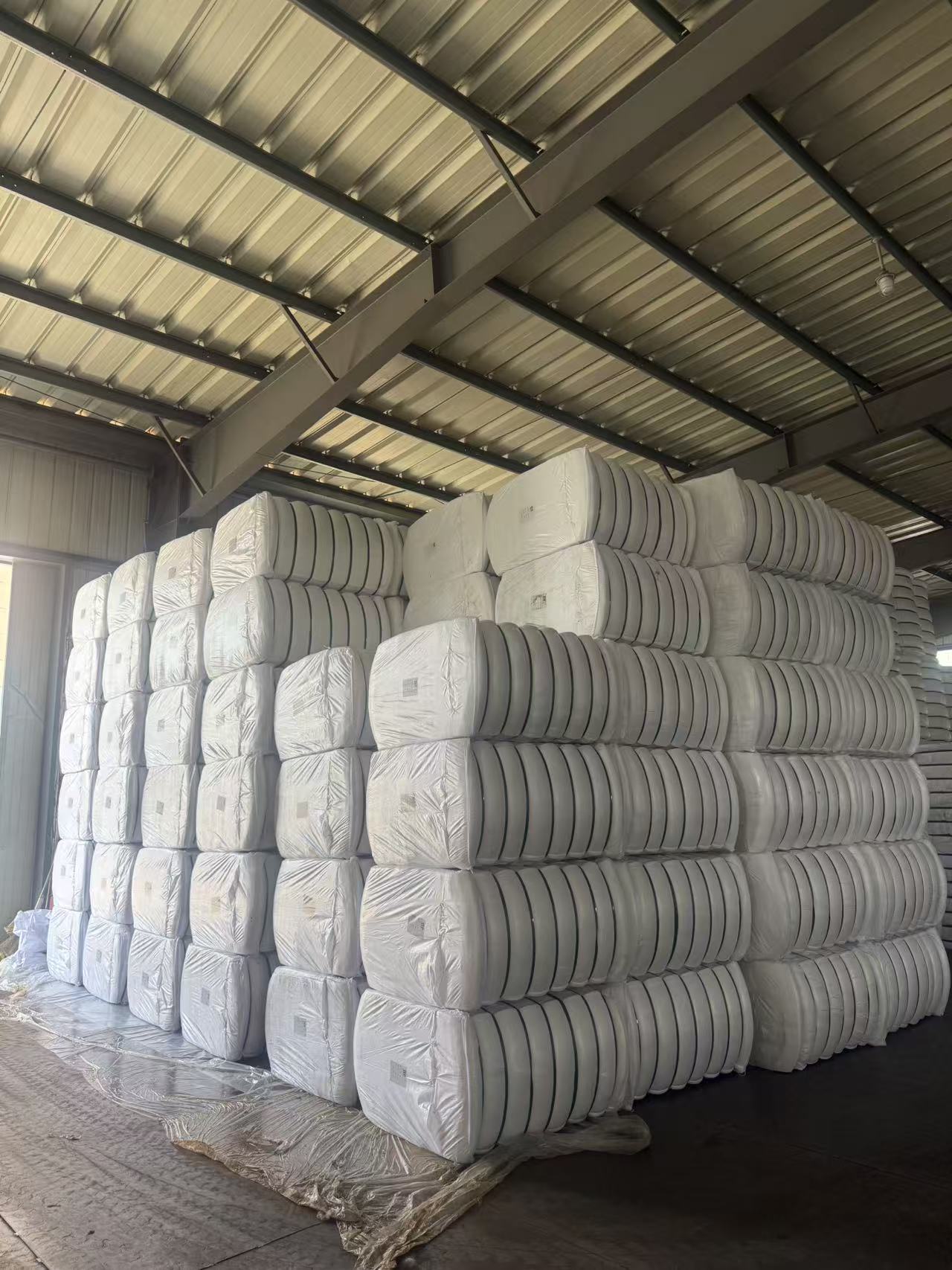
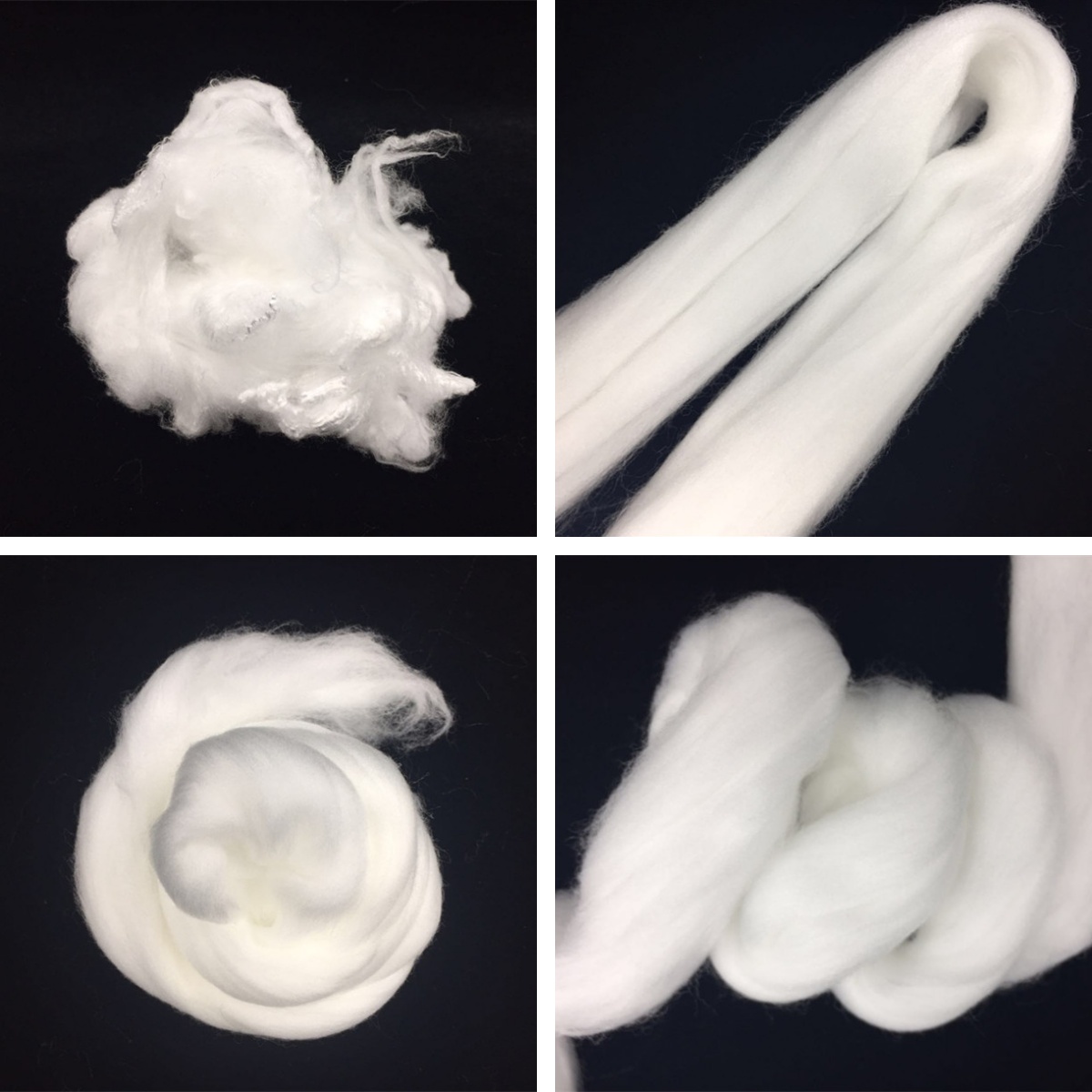
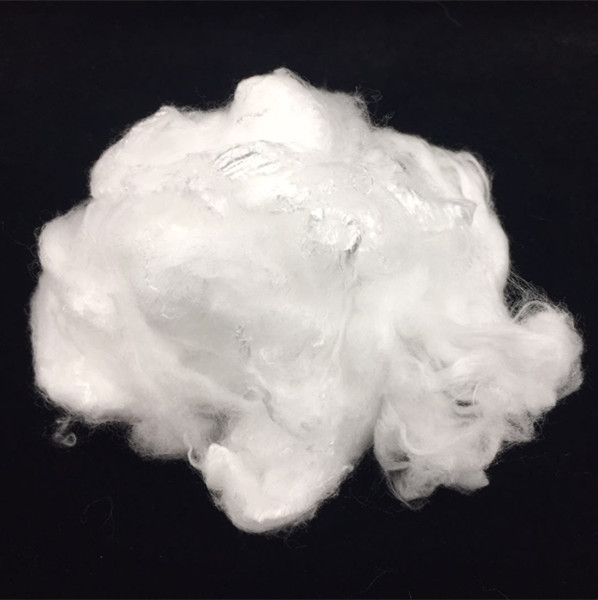
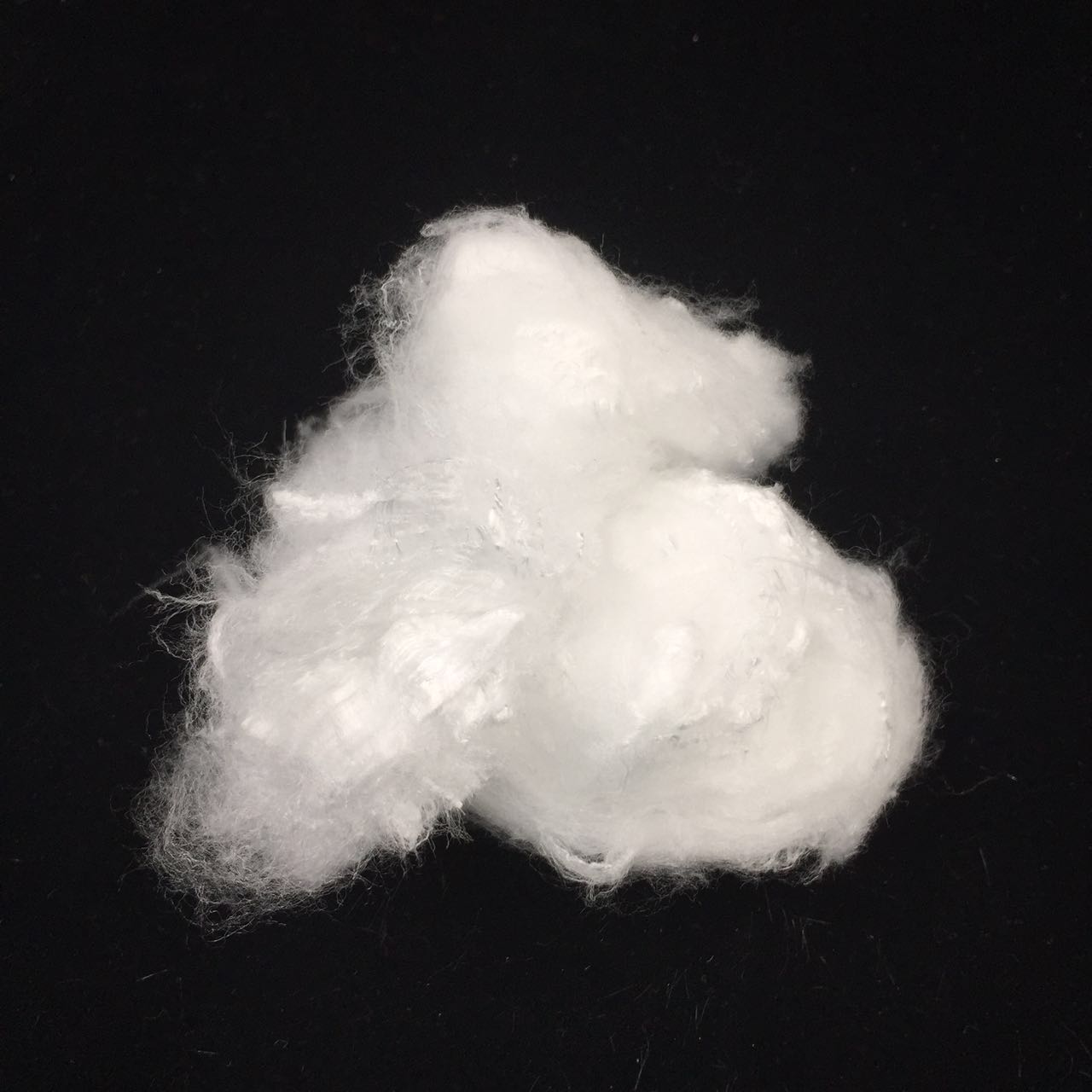
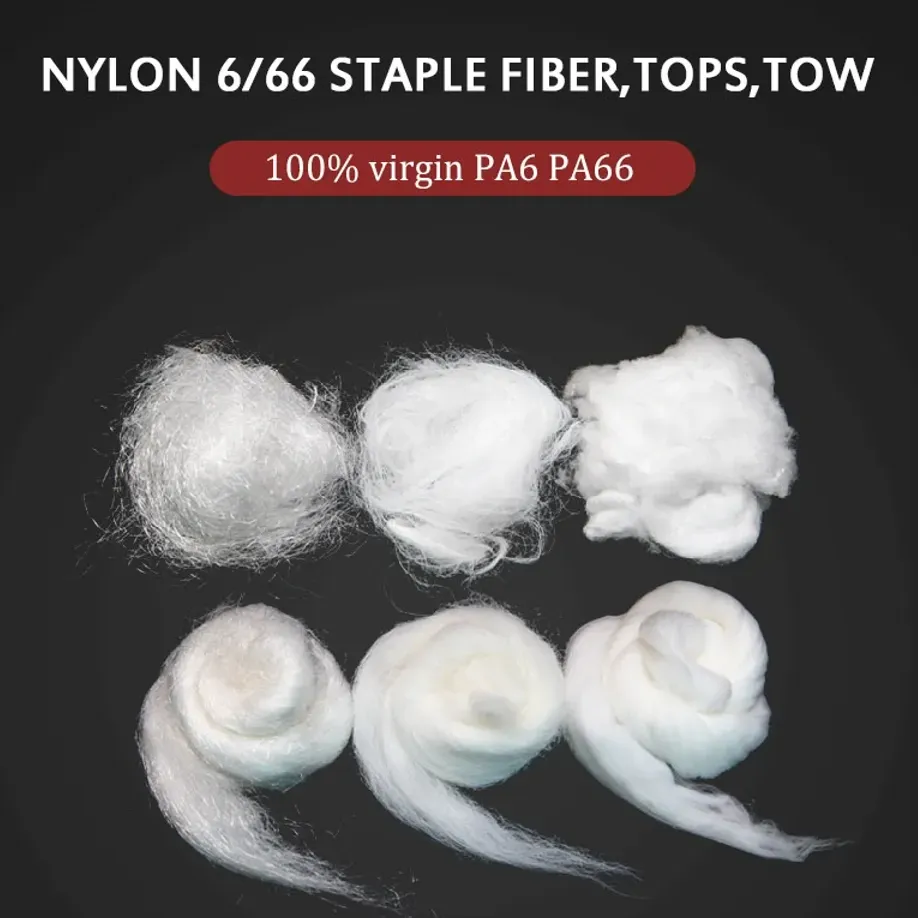
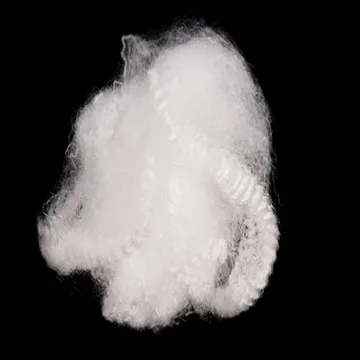
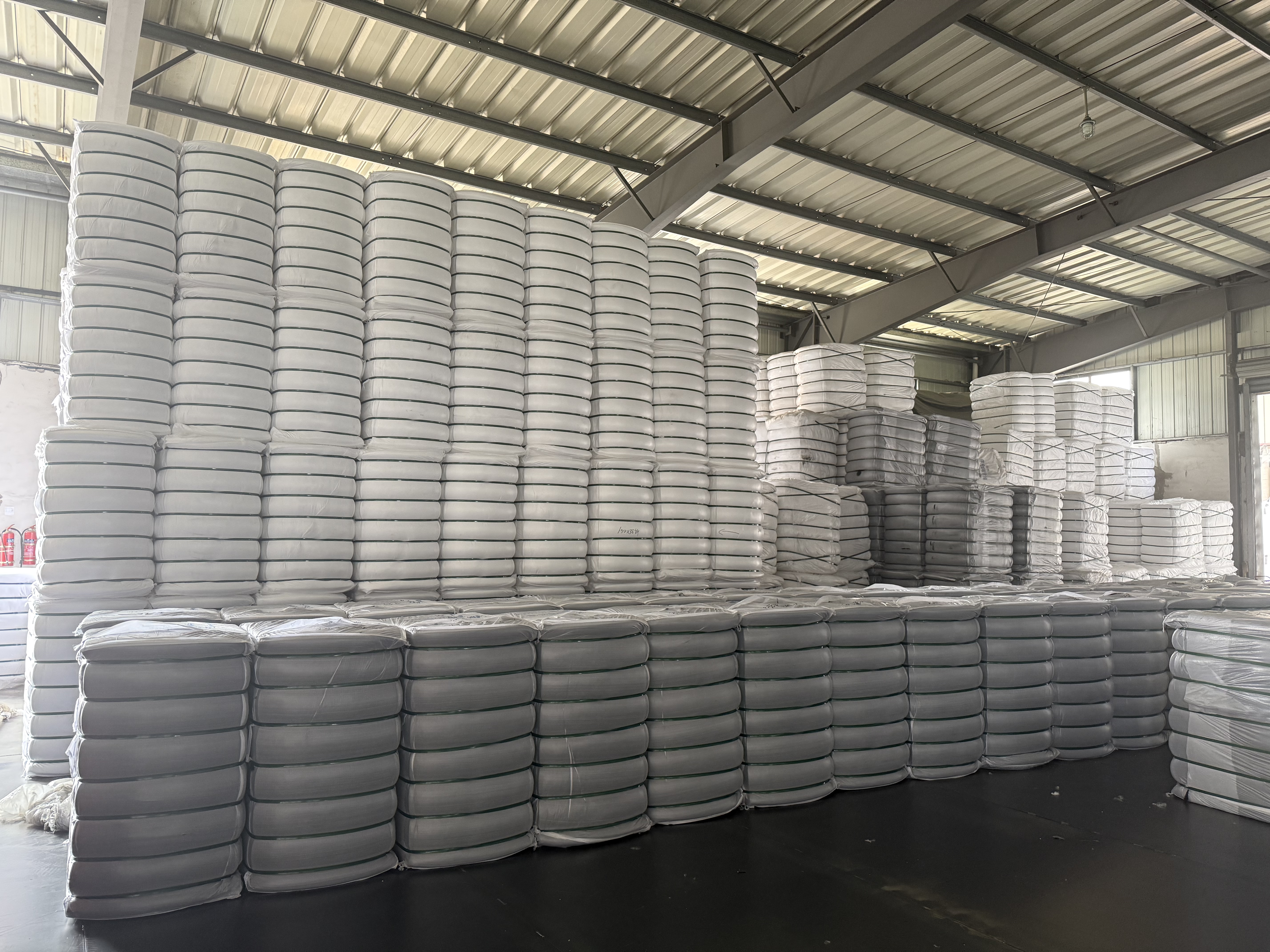
The Nylon 66 properties that set it apart include its high tensile strength and remarkable elasticity, allowing it to withstand significant stress without deformation. This high-strength nylon exhibits a melting point around 255°C, providing excellent thermal stability for processing into various forms like raw fiber, roving, or combed top. In our warehouse, we store these as neatly compressed bales, wrapped in protective film to shield against moisture and dust, preserving the material's inherent softness and purity. With a density of about 1.14 g/cm³, nylon 66 fiber remains lightweight yet robust, ideal for applications requiring both comfort and endurance. Our engineers at Ningbo Sinopec Fiber Co., Ltd. continually refine these properties to enhance dyeability and abrasion resistance, ensuring superior performance in end-use products.
Nylon 66 Applications: From Everyday Essentials to Industrial Powerhouses
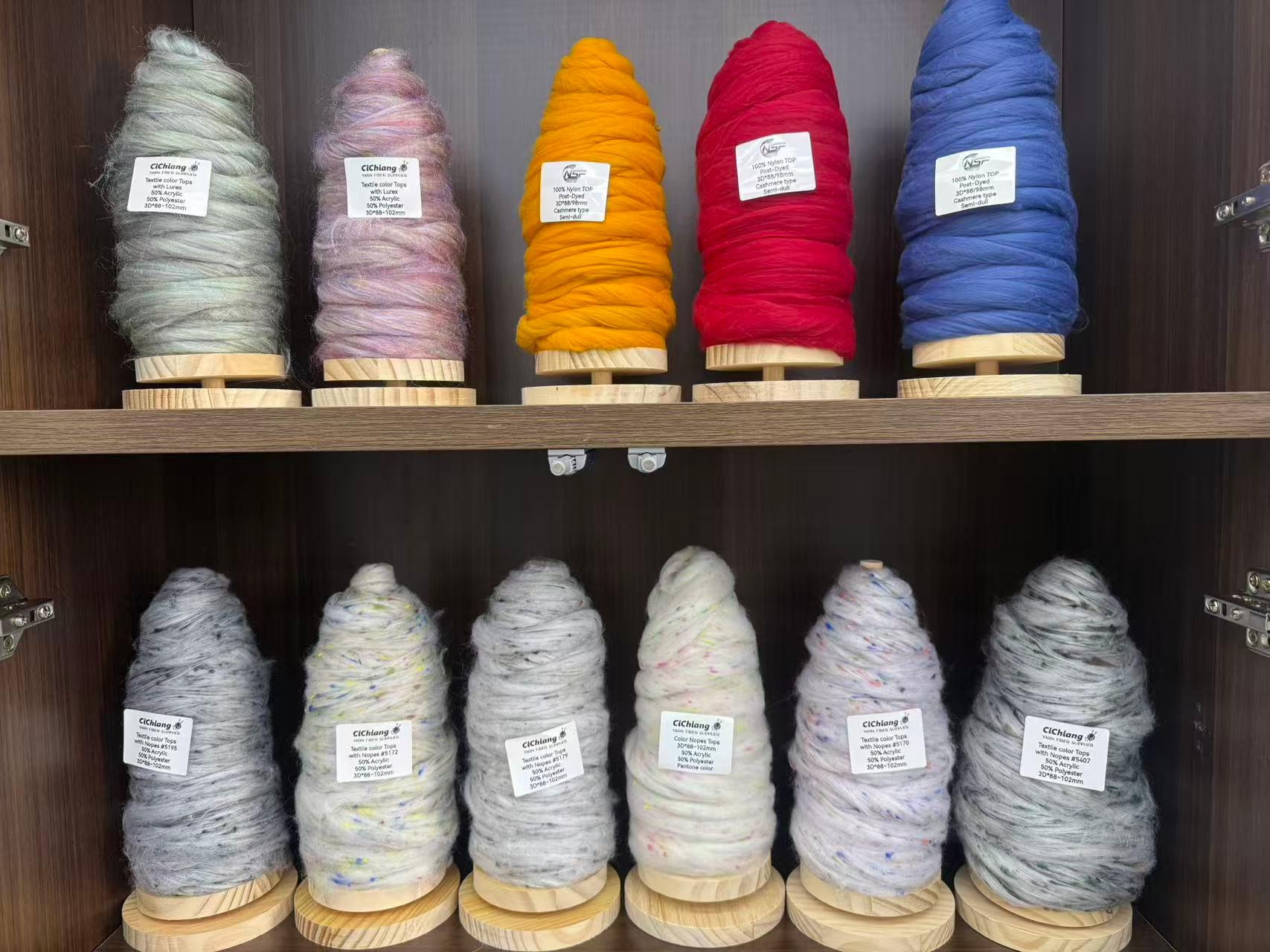
Nylon 66 applications span a broad spectrum, from apparel and upholstery to automotive components and industrial textiles. In the textile sector, durable nylon fibers like ours are spun into yarns for soft-touch garments such as scarves and innerwear, while braided presentations appeal to artisans for crafting. Our bulk-packed materials, resembling the compressed bales visible in our efficient storage setups, support large-scale distribution to hardware stores and manufacturing hubs. These fibers excel in high-performance settings, like conveyor belts and parachutes, where their resilience shines. Ningbo Sinopec Fiber Co., Ltd. tailors our nylon 66 fiber to fit versatile needs, from eco-friendly fashion to robust engineering solutions, backed by our 150 dedicated employees and 20 specialized engineers.
Nylon 66 Benefits: Why Choose This High-Performance Material
The Nylon 66 benefits are manifold, including outstanding durability that extends product lifespan and reduces replacement costs. Its low moisture absorption compared to natural fibers ensures consistent performance in humid environments, while the material's chemical resistance protects against oils and solvents. At our company, we emphasize sustainable production methods, aligning with eco-conscious demands without compromising on quality. These benefits translate to economic advantages for partners, as our high-strength nylon supports efficient logistics—think stable stacking in warehouses for seamless shipping. Whether for luxurious accessories or industrial raw materials, nylon 66 fiber delivers a blend of functionality and luxury that elevates end products.
Nylon 66 vs Nylon 6: Key Differences for Informed Selection
When comparing Nylon 66 vs Nylon 6, Nylon 66 fiber edges out with superior mechanical properties, boasting higher melting points and better creep resistance, making it suitable for heat-intensive applications. Nylon 6, derived from caprolactam, offers good flexibility but may underperform in extreme conditions where nylon 66 thrives. Our production at Ningbo Sinopec Fiber Co., Ltd. focuses on PA66 for its enhanced elasticity recovery, crucial for dynamic uses like sportswear. While both are polyamides, nylon 66's crystalline structure provides greater stiffness, ideal for durable nylon fibers in automotive parts or ropes. This distinction allows us to guide clients toward the optimal choice for their projects, fostering long-term partnerships.
Nylon 66 Manufacturing Process: Precision from Start to Finish
The Nylon 66 manufacturing process begins with the polymerization of its monomers under controlled conditions, followed by melt spinning to form continuous filaments. At our 20,000-square-meter production space, we draw and texturize the fibers to achieve desired properties, such as the fluffed texture of raw fiber or the smooth parallelism of combed top. Quality checks ensure uniformity, with our output packaged into protective bales for industrial use. This meticulous approach at Ningbo Sinopec Fiber Co., Ltd. not only maximizes efficiency but also upholds our dedication to excellence, inviting collaborations for customized nylon 66 solutions.