Discovering Nylon 66 Fiber: The Backbone of Modern Textiles
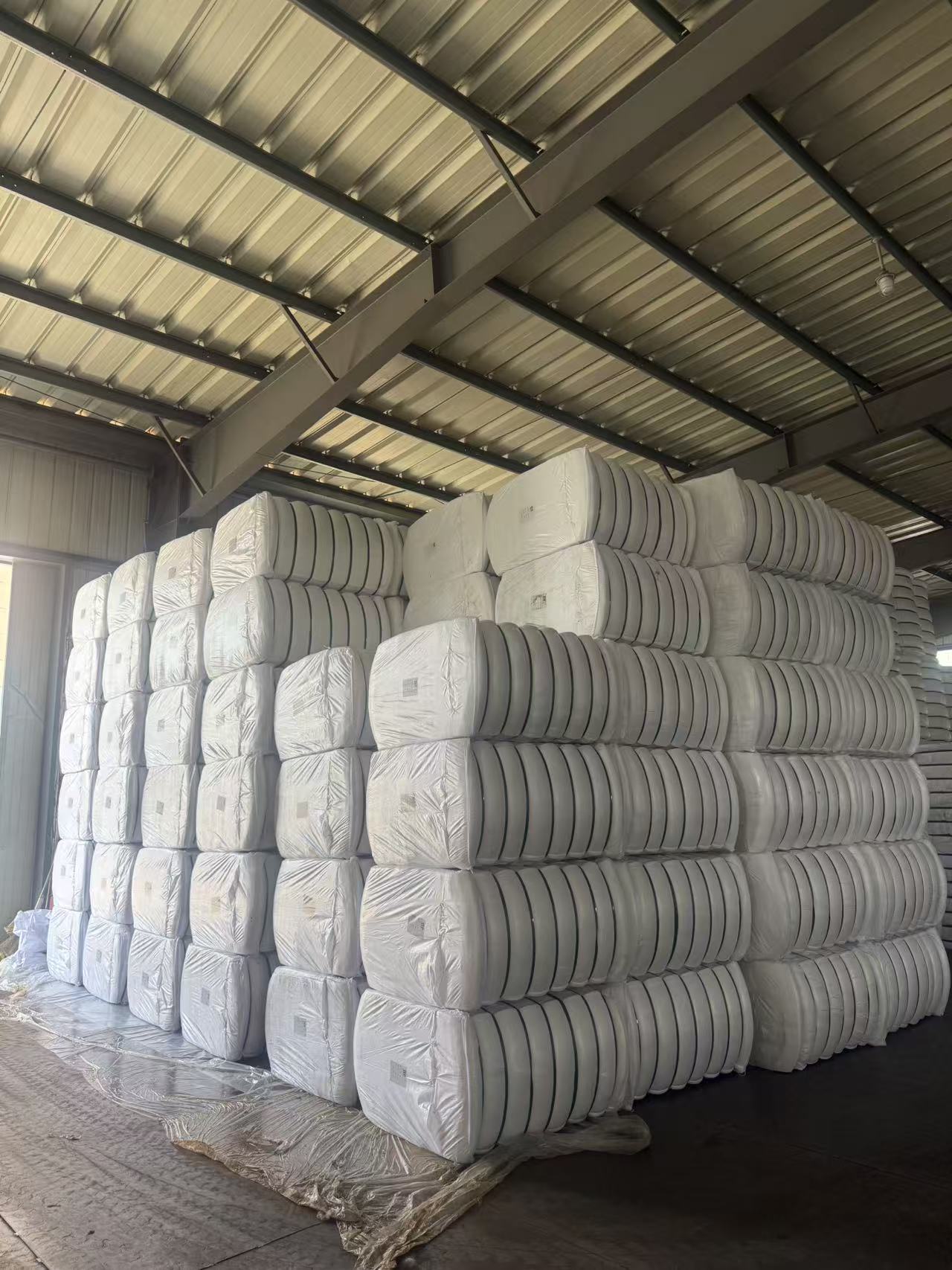
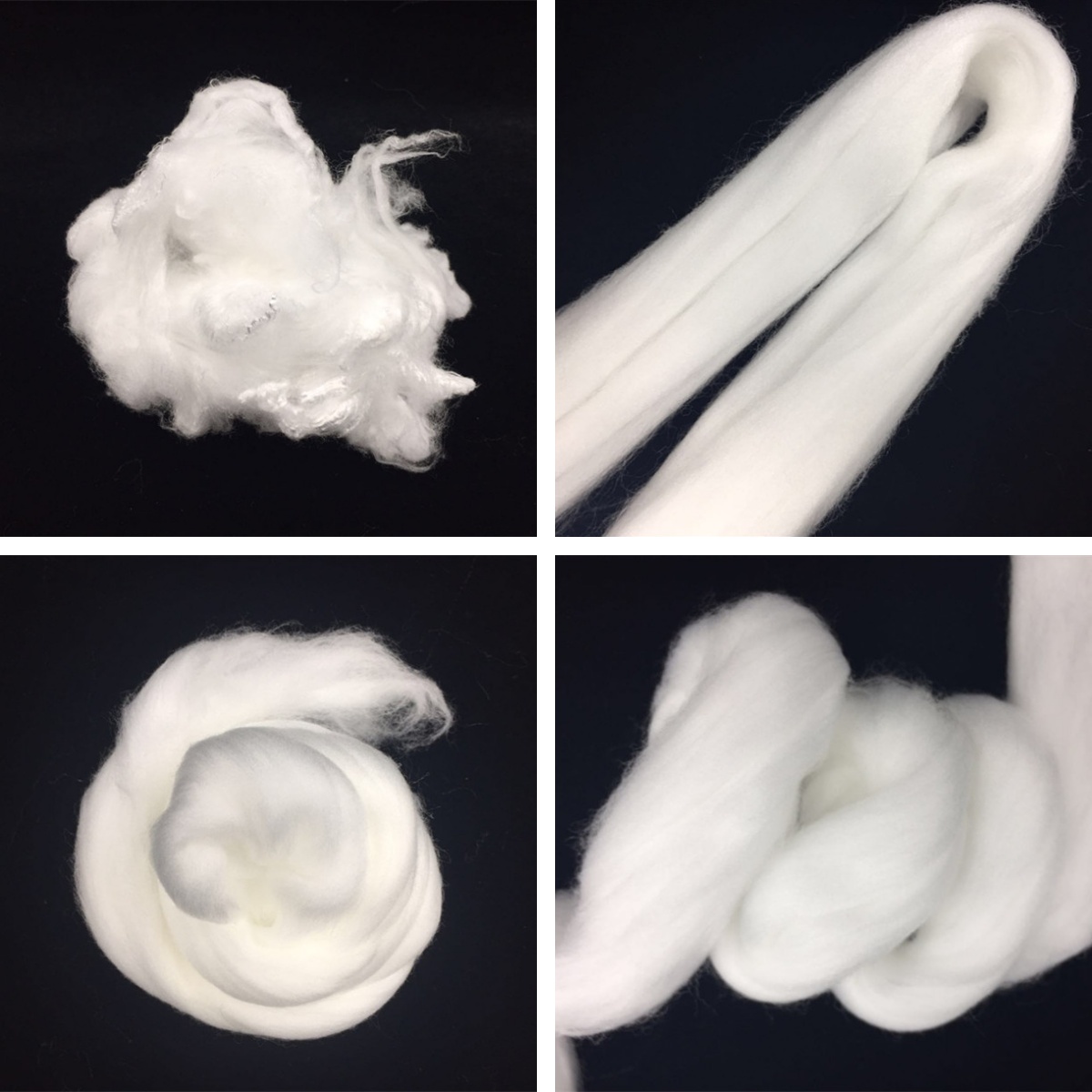
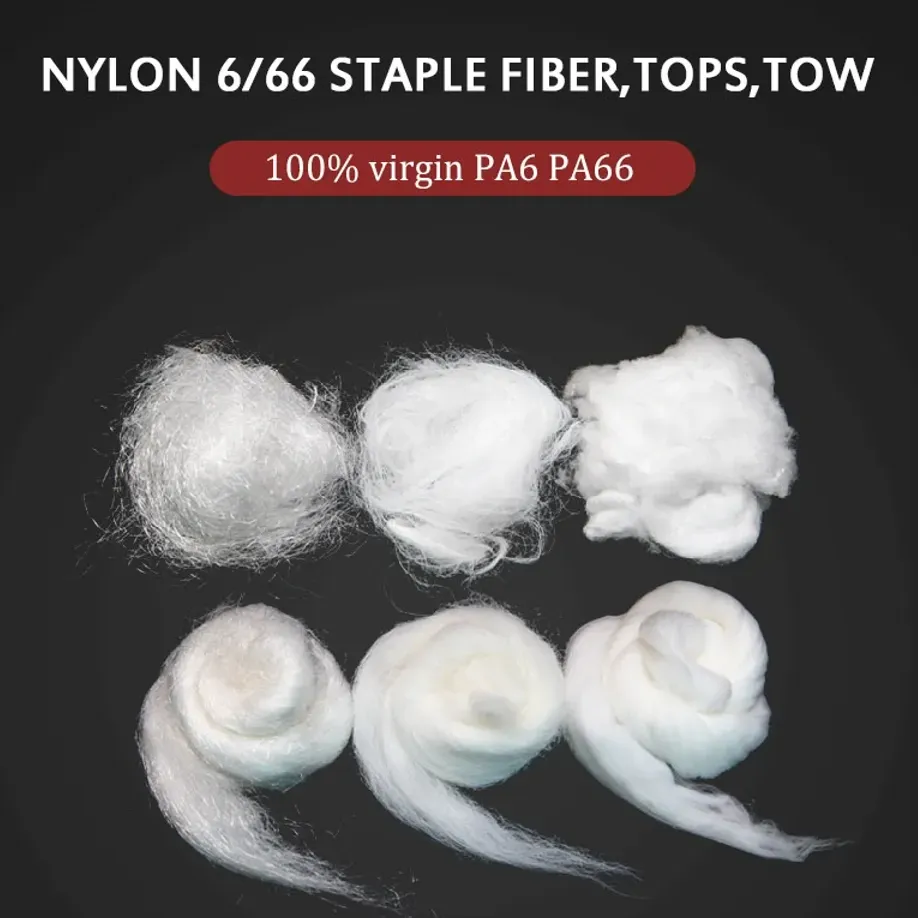
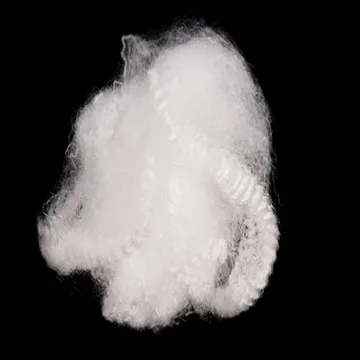
Nylon 66 fiber stands as a cornerstone in the world of synthetic textiles, renowned for its versatility and performance in various industries. Developed through the polymerization of hexamethylenediamine and adipic acid, this polyamide material offers exceptional strength and durability that sets it apart from natural fibers. At Ningbo Sinopec Fiber Co., Ltd., we have been at the forefront of nylon fiber manufacturing since 1996, producing high-quality PA66 fibers in our expansive 50,000-square-meter facility. Our commitment to innovation ensures that every strand meets rigorous standards, making nylon 66 fiber a preferred choice for demanding applications.
Nylon 66 Properties: What Makes It Exceptional
The nylon 66 properties that define its superiority include high tensile strength, excellent abrasion resistance, and remarkable elasticity. These attributes allow the fiber to withstand repeated stress without degrading, which is crucial for products exposed to heavy wear. Additionally, nylon 66 fiber exhibits low moisture absorption compared to other synthetics, maintaining its shape and performance in humid environments. Our engineers at Ningbo Sinopec Fiber Co., Ltd. fine-tune these properties during production to deliver consistent quality, with a daily output of 100-150 tons ensuring we meet global demands. The fiber's thermal stability further enhances its appeal, enabling use in environments from sub-zero temperatures to high-heat settings.
Nylon 66 Applications: Versatility Across Industries
Nylon 66 applications span a wide array of sectors, from automotive components to consumer goods. In the textile industry, it's woven into durable fabrics for upholstery, sportswear, and parachutes, where its lightweight yet robust nature shines. The fiber's use in ropes, conveyor belts, and fishing nets highlights its role in industrial settings, providing reliability under tension. At our 20,000-square-meter production space, we craft nylon 66 fibers tailored for these diverse needs, supporting everything from fashion to engineering. Its compatibility with dyeing processes also allows for vibrant, long-lasting colors in apparel and home furnishings, expanding its footprint in everyday life.
Nylon 66 Benefits: Why Choose This High-Performance Material
The nylon 66 benefits are multifaceted, offering cost-effectiveness alongside superior performance. Its resistance to chemicals and oils makes it ideal for protective gear in chemical plants or outdoor equipment. Environmentally, while synthetic, our manufacturing at Ningbo Sinopec Fiber Co., Ltd. emphasizes efficiency to minimize waste, contributing to sustainable practices. The fiber's longevity reduces replacement frequency, lowering overall costs for end-users. With 150 dedicated employees, including 20 specialized engineers, we ensure these benefits translate into products that enhance safety and functionality across applications.
Nylon 66 vs Nylon 6: A Comparative Insight
When comparing nylon 66 vs Nylon 6, the former edges out in melting point and crystallinity, providing better heat resistance and dimensional stability. Nylon 6, derived from caprolactam, offers good flexibility but may absorb more moisture, potentially affecting performance in wet conditions. Nylon 66 fiber, however, maintains its integrity longer under mechanical stress, making it preferable for high-strength applications like tire cords. Our expertise in both PA6 and PA66 at Ningbo Sinopec Fiber Co., Ltd. allows us to guide partners in selecting the optimal fiber, ensuring projects benefit from the right material match.
Durable Nylon Fibers and High-Strength Nylon in Action
Durable nylon fibers like nylon 66 excel in scenarios requiring resilience, such as reinforced composites in aerospace or medical textiles. As a type of high-strength nylon, it supports innovations in lightweight structures without compromising safety. The fiber's ability to be engineered for specific tenacities—up to 10 grams per denier—positions it as a leader in performance materials. In our state-of-the-art facility, we produce these durable nylon fibers with precision, inviting long-term partnerships for customized solutions that drive industry progress.
Nylon 66 Manufacturing Process: From Raw Materials to Finished Fiber
The nylon 66 manufacturing process begins with the precise reaction of its monomers under controlled conditions, forming a polymer melt that's extruded through spinnerets into fine filaments. This is followed by drawing and texturing to enhance the fiber's properties, ensuring uniformity and strength. At Ningbo Sinopec Fiber Co., Ltd., our process incorporates advanced quality controls, from polymerization to winding, resulting in fibers that meet international standards. This meticulous approach not only boosts efficiency but also guarantees the high-strength nylon output that our clients rely on for their operations.