Usage of Nylon Staple Fiber in Ring Spinning vs. Vortex Spinning
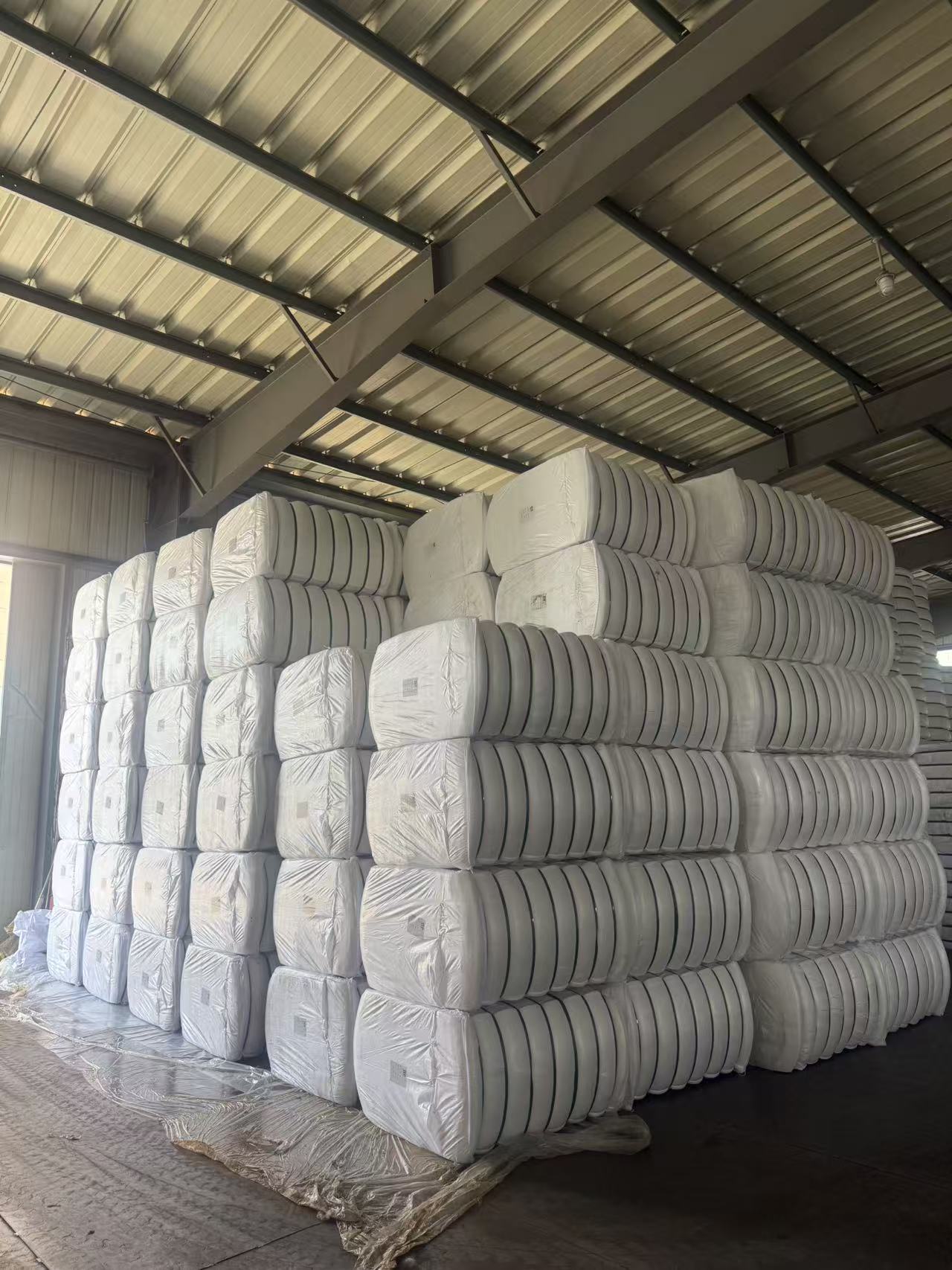
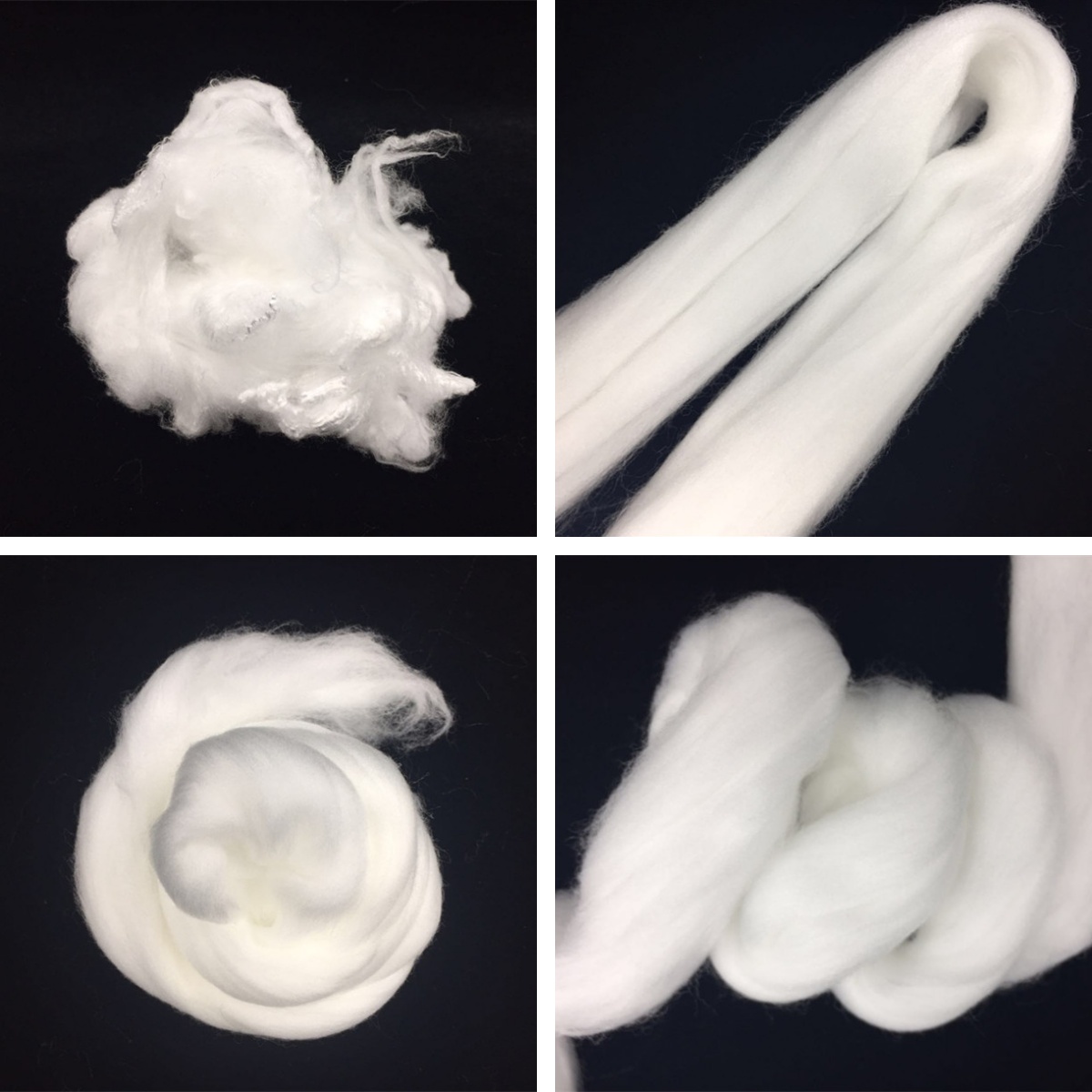
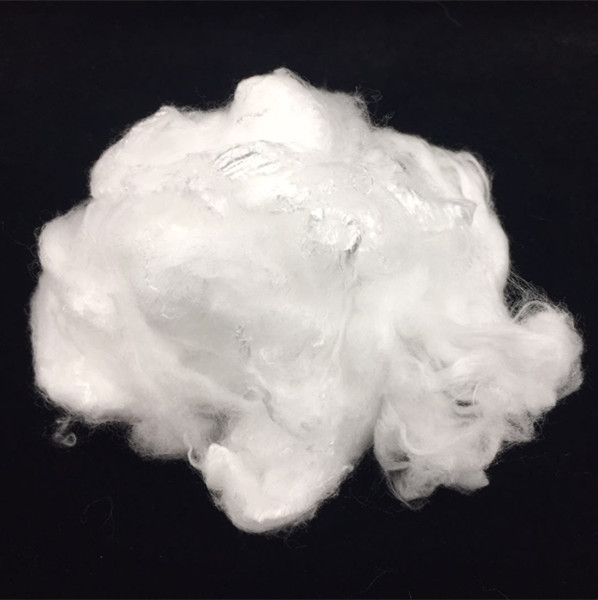
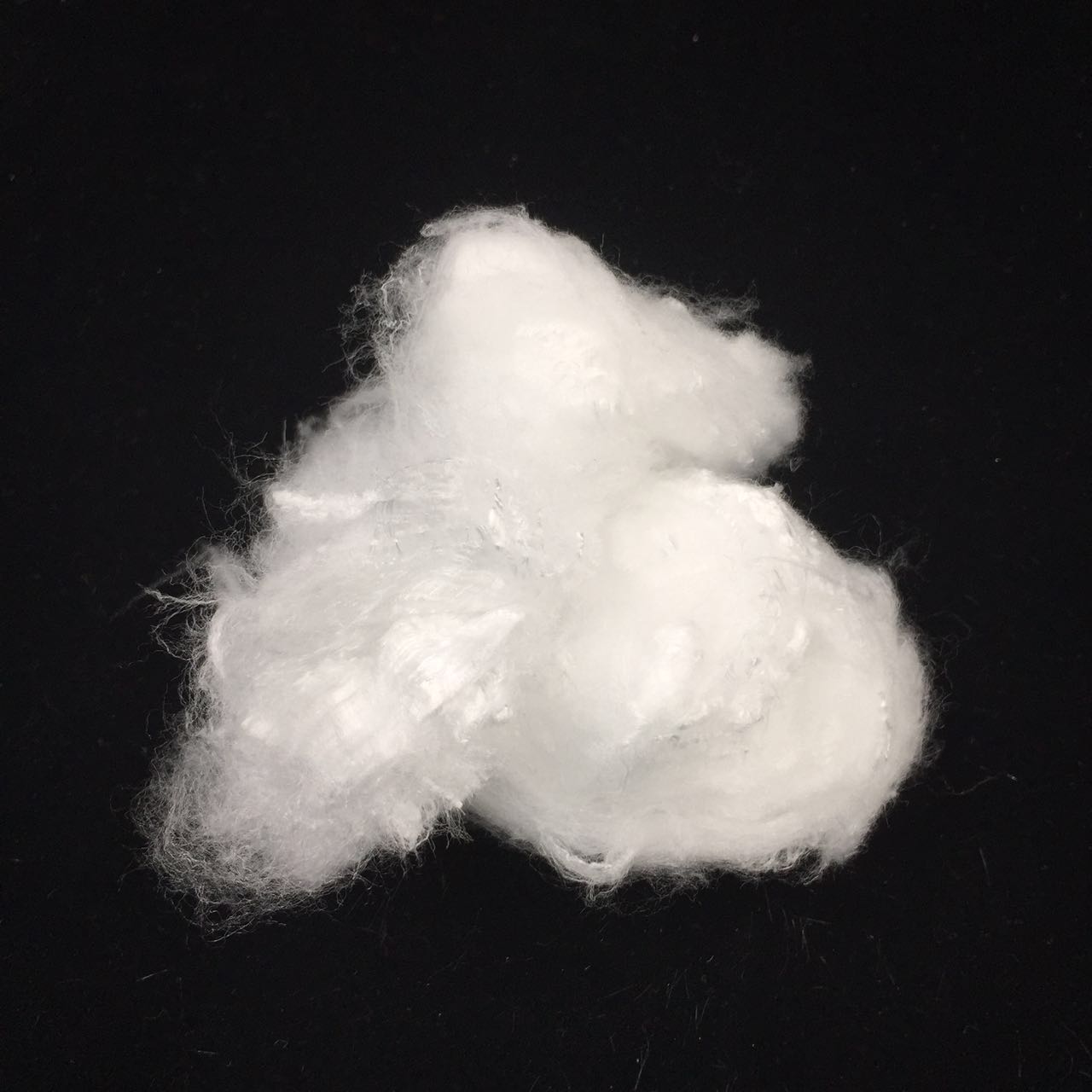
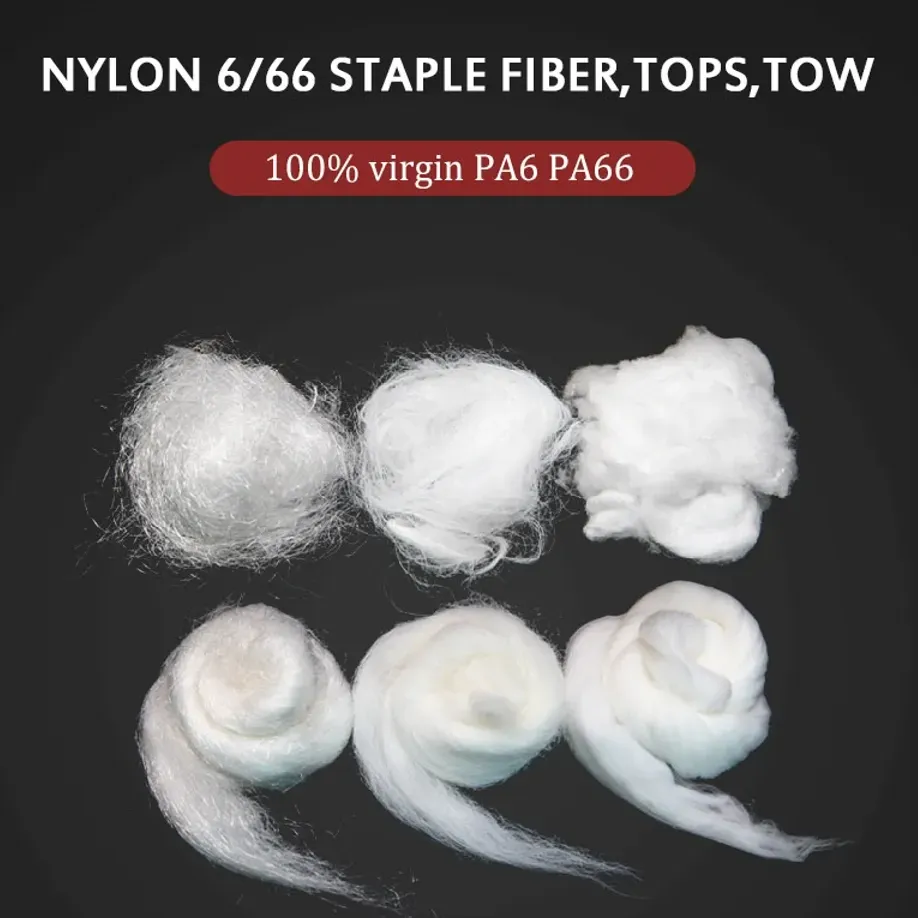
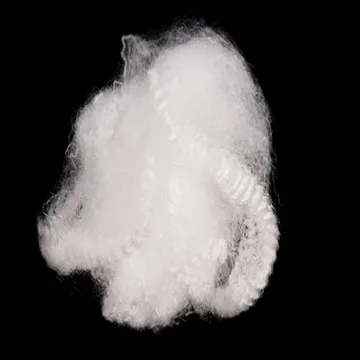
Nylon fiber
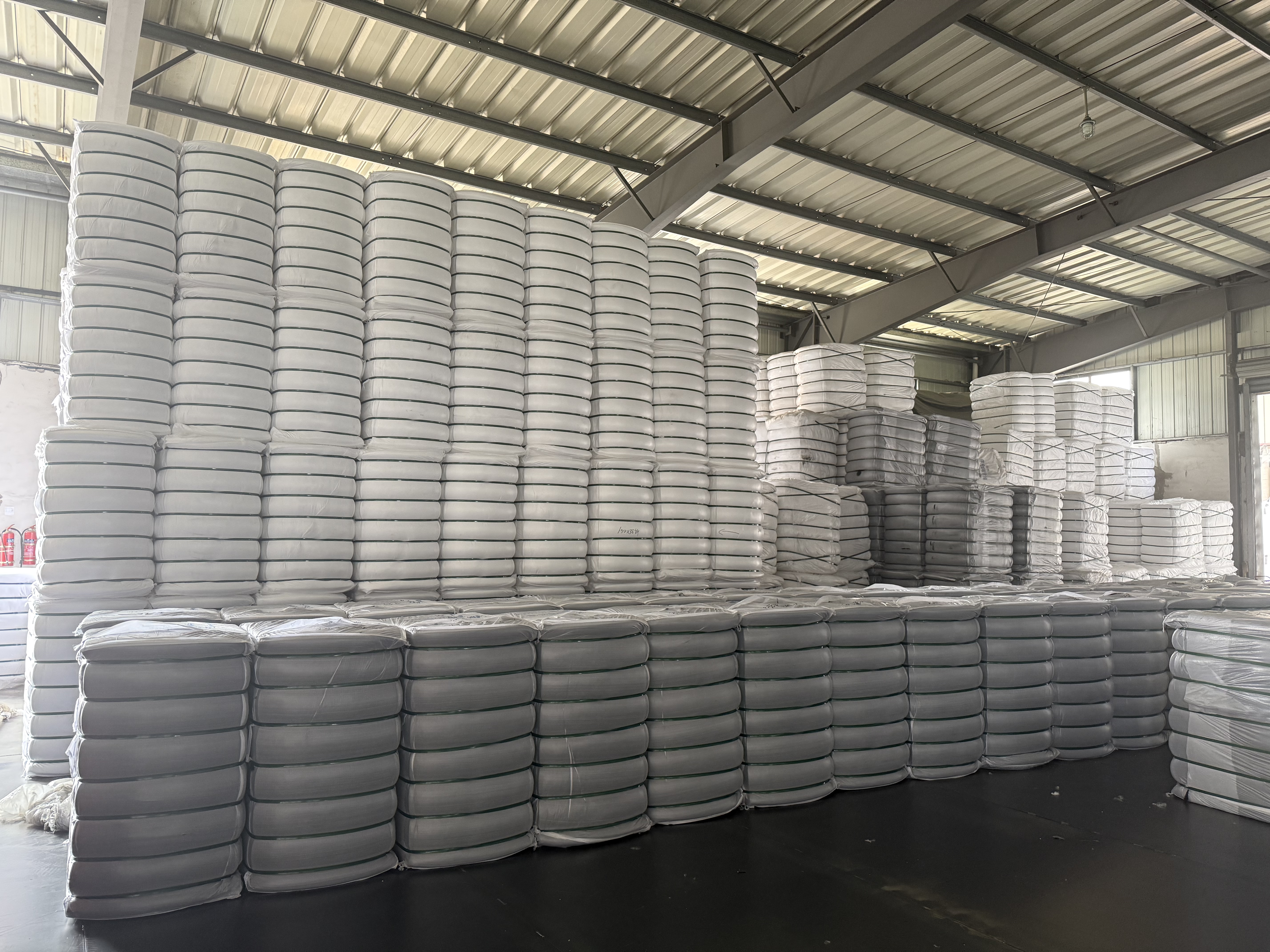
1. In Ring Spinning
Blending Method
- Mainly multi-route blending in drawing frame
- Cotton sliver + nylon sliver blended in drawing process (2–3 passages)
- Or pre-blended in blowroom & carding for small nylon ratios (<15%)
Spinning Features
- Higher twist factor than pure cotton to improve cohesion
- Larger roller gauge to suit nylon’s longer fiber length
- Lower spindle speed to reduce static and end breaks
- Antistatic rubber cots and aprons used to prevent wrapping
Suitable Ratios
- Cotton/Nylon: 90/10, 85/15, 80/20
- Can produce high-count yarns: 40S, 50S, 60S
Advantages
- High yarn strength
- Good evenness
- Suitable for woven warp yarns, shirts, denim
2. In Vortex Spinning
Blending Method
- Short-process blending
- Blend fully in blowroom and carding to form uniform slivers
- Only 1–2 drawing passages before vortex spinning
Spinning Features
- Nylon improves wrapping effect in vortex nozzle
- Lower hairiness, better anti-pilling performance
- Higher spinning speed, stable running
- Higher humidity required to control static
Suitable Ratios
- Cotton/Nylon: 90/10, 85/15
- Mostly medium-low counts: 21S, 32S, 40S
Advantages
- Smooth yarn surface
- Good anti-pilling
- Ideal for knitwear, loungewear, hoodies, home textiles
3. Key Differences Summary
| Item | Ring Spinning | Vortex Spinning |
|---|---|---|
| Blending route | Drawing frame blending dominant | Blowroom–carding blending dominant |
| Twist setting | Higher twist needed | Twist formed by air vortex |
| Static control | Medium | More critical, higher humidity required |
| Yarn structure | Compact twisted structure | Core-wrapped structure |
| Nylon function | Boost strength & wear resistance | Improve wrapping & anti-pilling |
| End use | Woven, high-end shirting, denim | Knits, loungewear, home textiles |