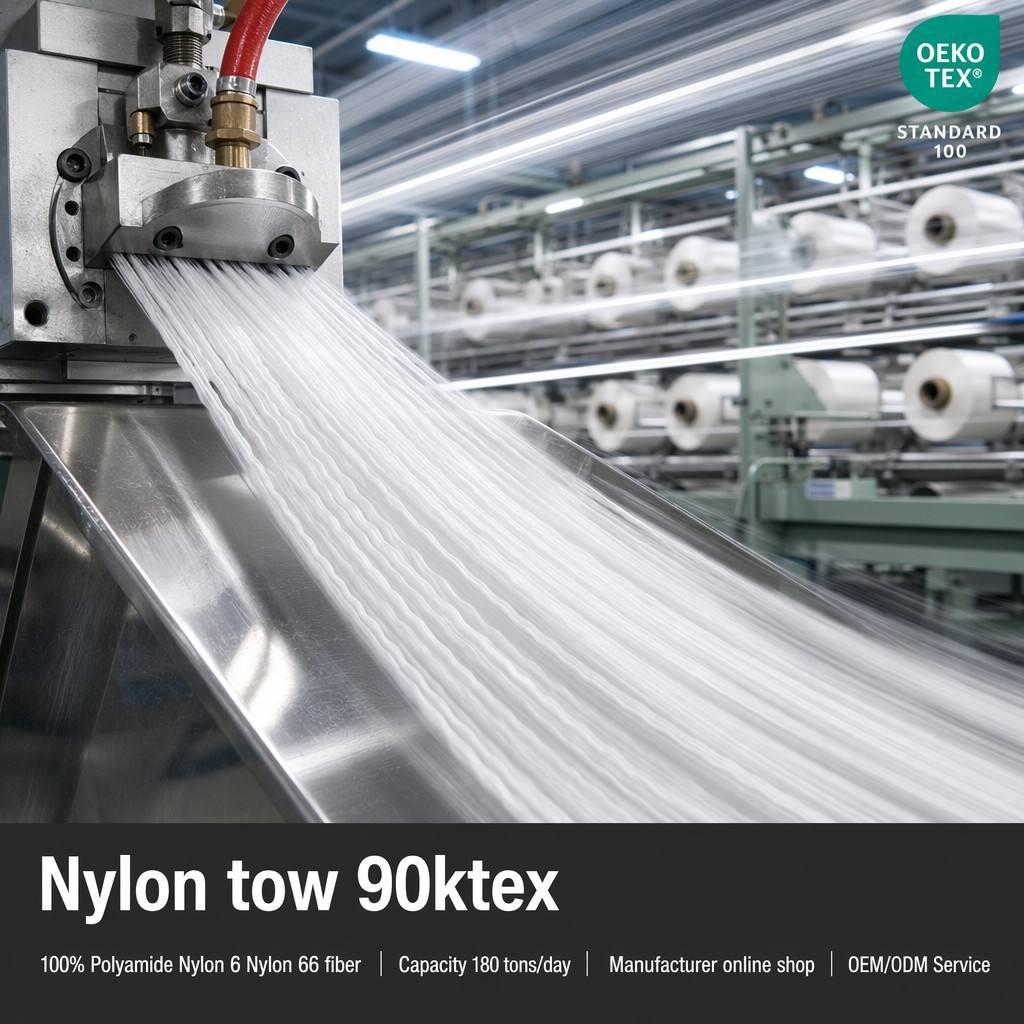
Why nylon tow tops 90ktex matters in production planning
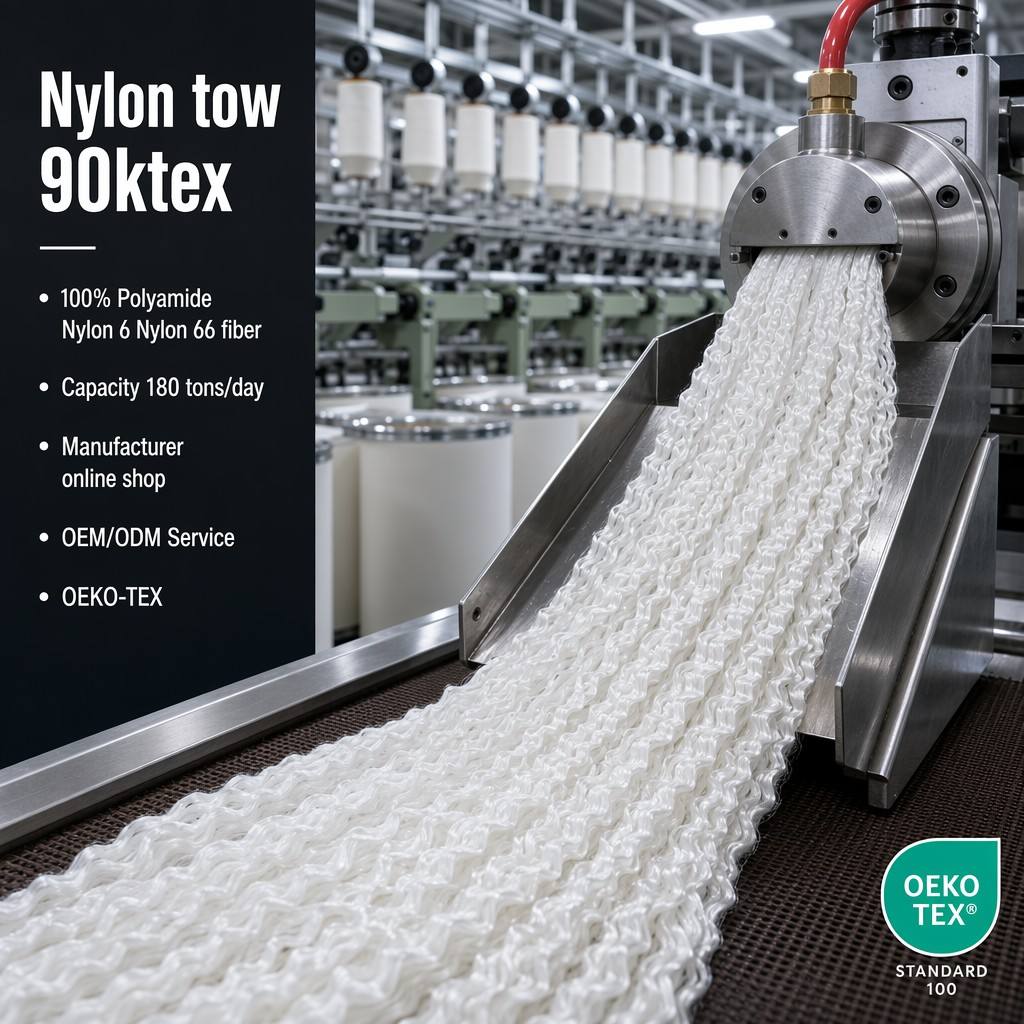
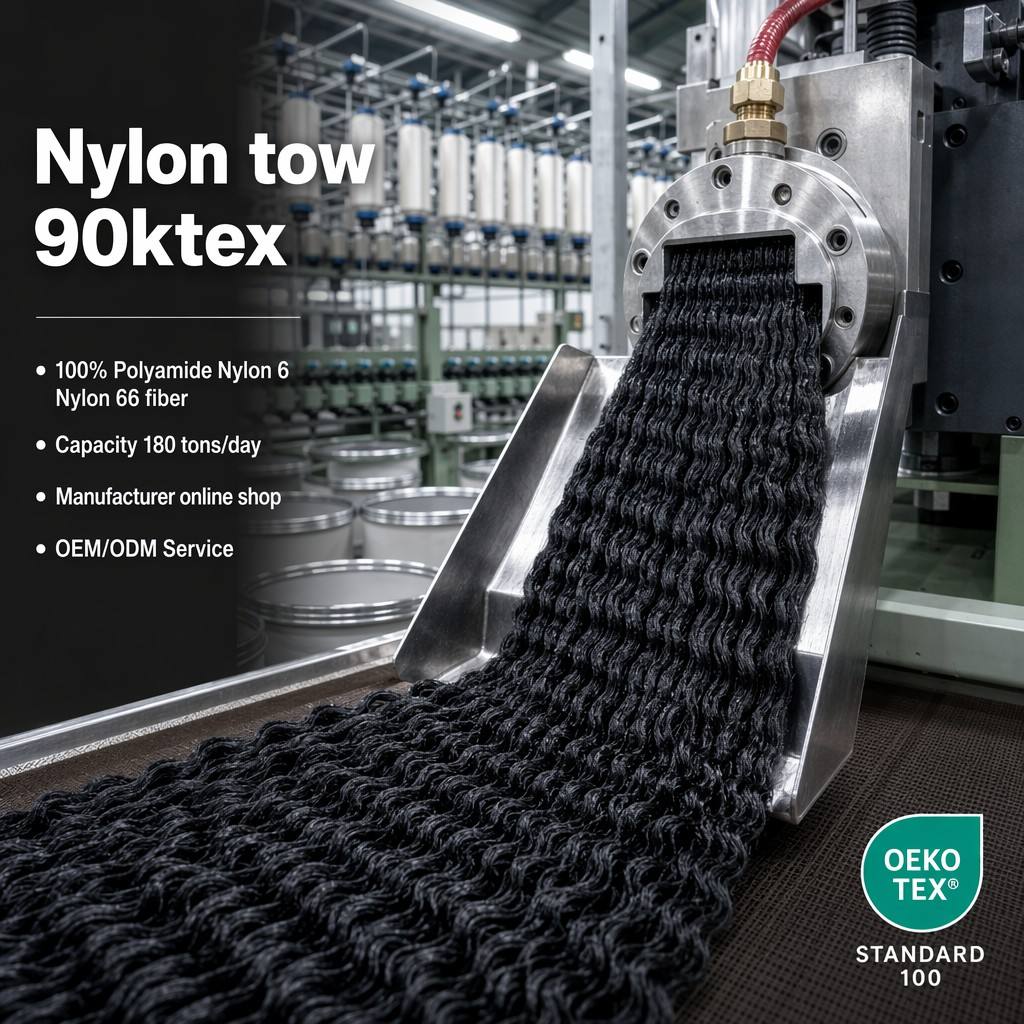
Nylon tow tops 90ktex sits in a very practical part of the nylon supply chain: it is not just a material specification, but a clue to how the fiber will run, open, dry, spread, and eventually convert into a usable product. For engineers and sourcing teams, the question is usually not “what is nylon?” but whether a given tow format can keep a line stable while meeting the target feel, bulk, strength, and downstream processing behavior. That is where 90ktex nylon tow becomes worth a closer look.
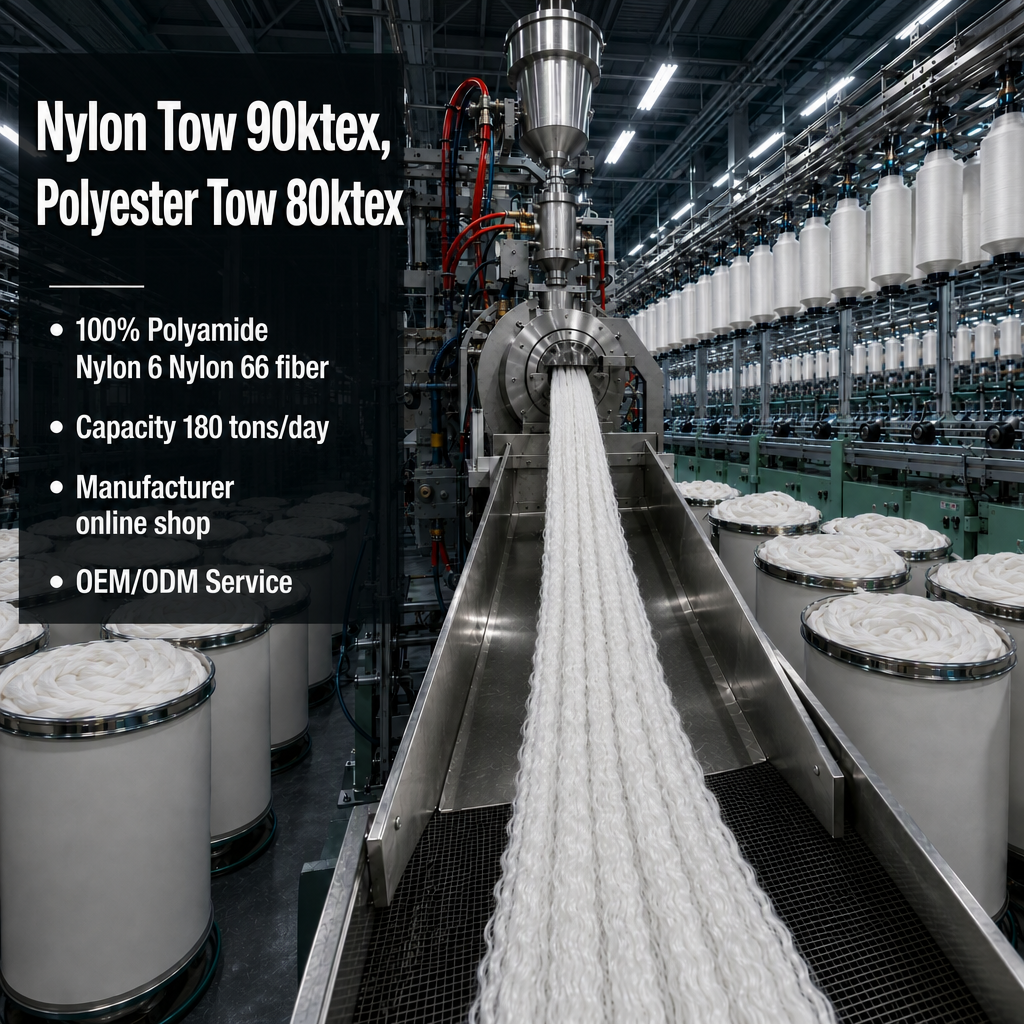
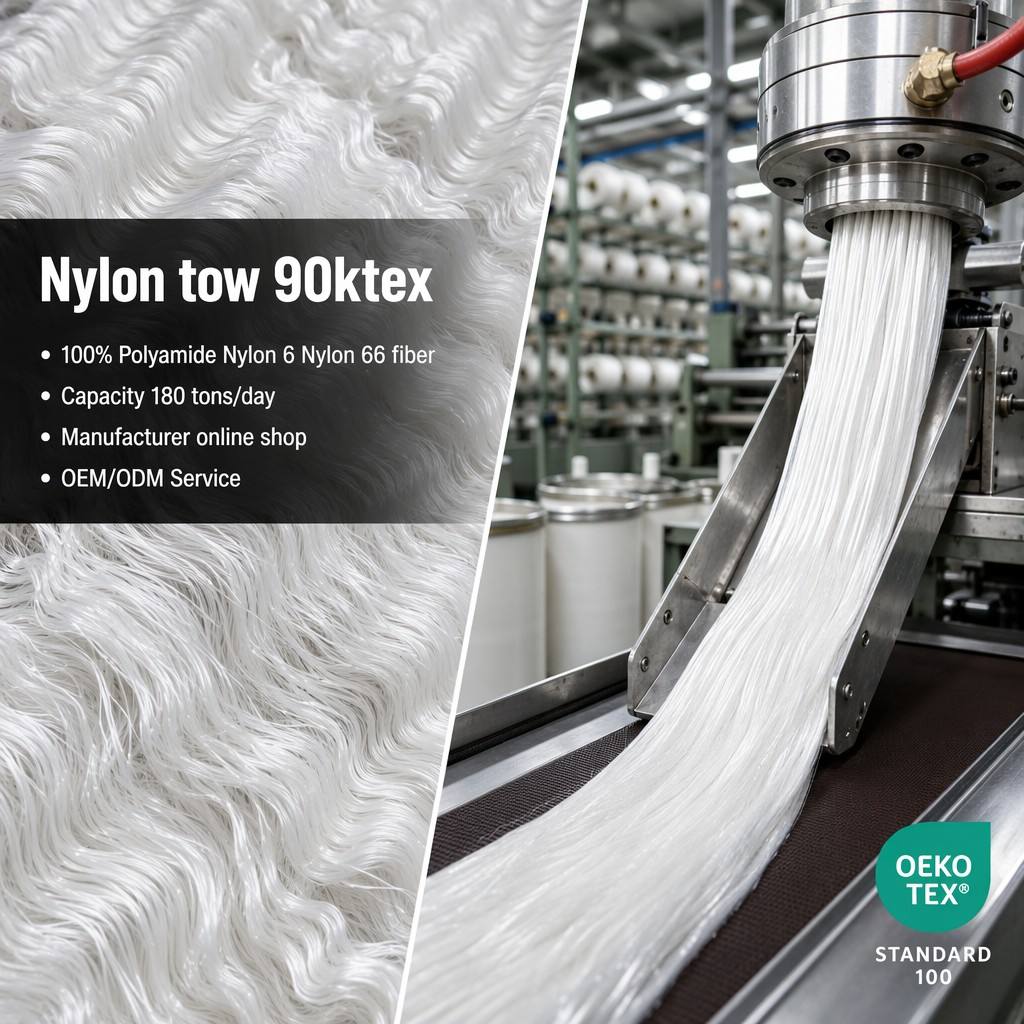
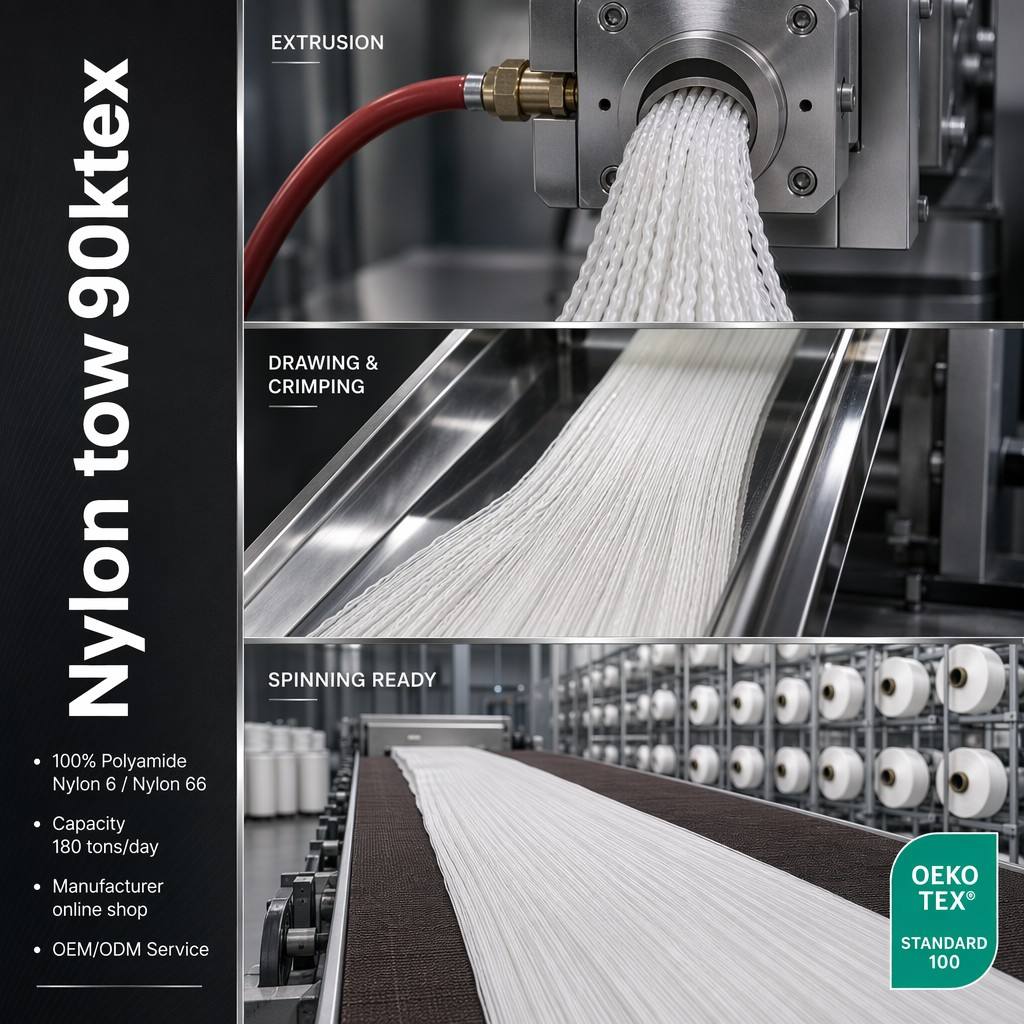
In broad terms, tow and tow tops are used when a producer wants continuous synthetic fiber in a form that can be handled in bulk, processed further, or opened into other structures. The visible industrial handling of white fibrous material on a conveyor is a reminder that these products are rarely sold as abstract specifications; they are moved, spread, cooled, dried, and cut or converted on real equipment. Small differences in tow formation can affect everything from feeding consistency to web quality.
What 90ktex means in practical terms
The “90ktex” reference points to a coarse, high-volume fiber bundle. In buyer language, that usually means a material designed for industrial processing rather than delicate textile finishing. A 90ktex nylon tow can offer a useful balance: substantial fiber mass for efficient throughput, but still enough flexibility to be opened and handled in textile or nonwoven operations.
For sourcing managers, the important part is not the number alone. It is the combination of linear density, filament behavior, and the downstream process window. A tow that looks acceptable on paper can still be troublesome if it feeds unevenly or does not match the opening equipment. That is why buyers often compare 90ktex nylon tow against alternative tow sizes before committing to a production run.
Nylon tow, nylon tow tops, and related formats
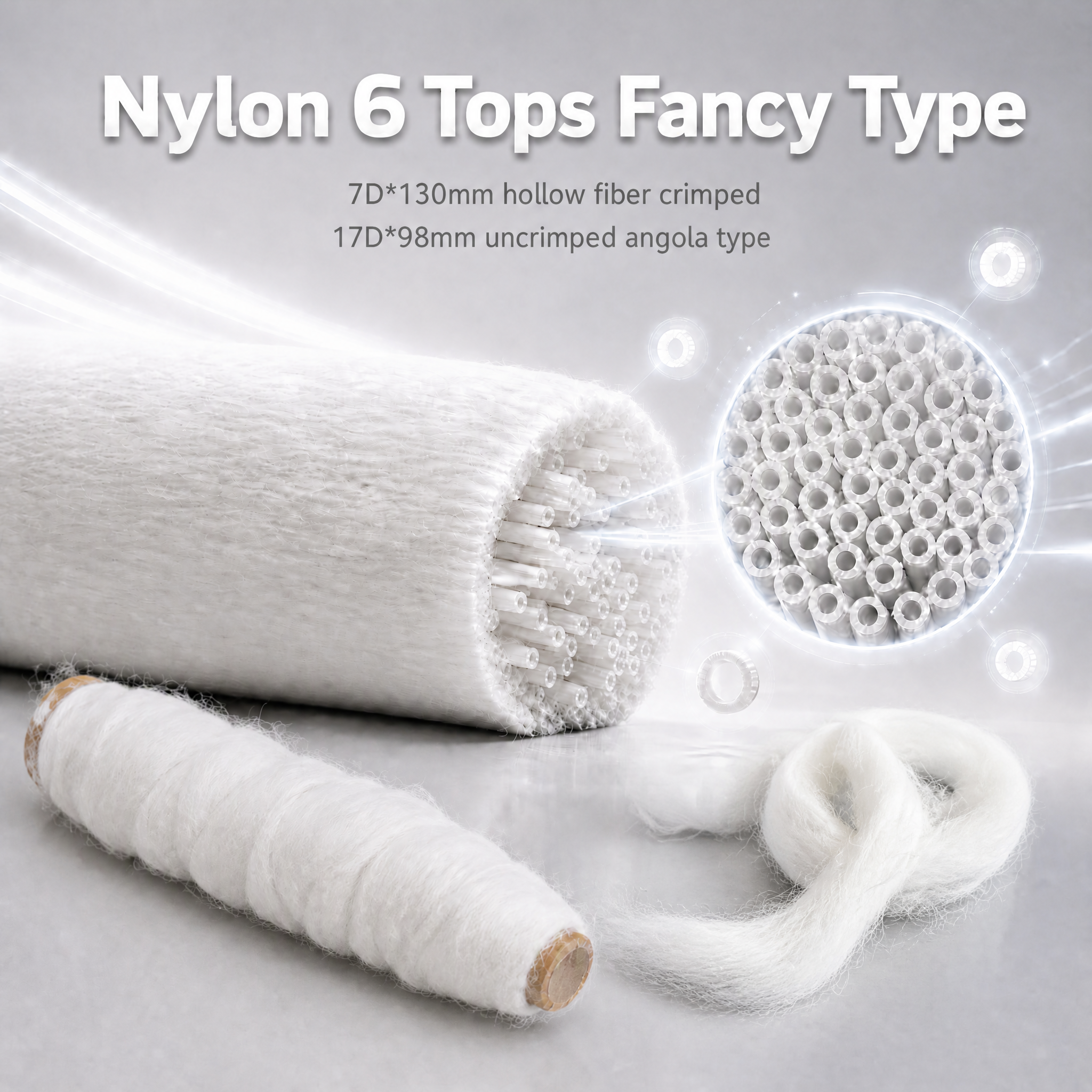
People use the terms nylon tow, nylon tows, and nylon tow tops a little loosely, but in buying discussions the distinction matters. Tow generally refers to the continuous bundle of filaments. Tow tops suggests a processed or top-form feedstock, often intended for additional opening, drafting, or conversion into a later-stage product. In some plants, the chosen format depends less on chemistry and more on how the material will behave on the line.
For this reason, a procurement team should ask how the material is supplied, packed, and intended to be processed. The same nylon fiber tow may be a straightforward input for one operation and a nuisance for another if the opening behavior or bale presentation is off.
Where high tenacity nylon fiber fits
High tenacity nylon fiber is commonly selected when the end use needs better strength retention during processing or use. That may matter in industrial textiles, reinforcement-related products, wiping materials, filtration media, or some nonwoven applications. It is also relevant when the material must survive mechanical stress during feeding and handling. Not every application needs the same strength level, though. Over-specifying tenacity can add cost without improving the final product.
That is one reason buyers should think in process terms. If the line includes a conveyor, web spreading section, or drying stage, the material must stay stable through transport before it reaches the next operation. A fiber bundle that bridges, clumps, or sheds inconsistently can slow everything down.
Selection points buyers should check before ordering
Start with the end process. Is the tow being opened into a web, cut into staple, or prepared for another conversion step? The answer changes what matters most. For example, a nonwoven line may care deeply about opening behavior and web uniformity, while another plant may focus on downstream strength and consistency.
Then look at the basics that actually affect production:
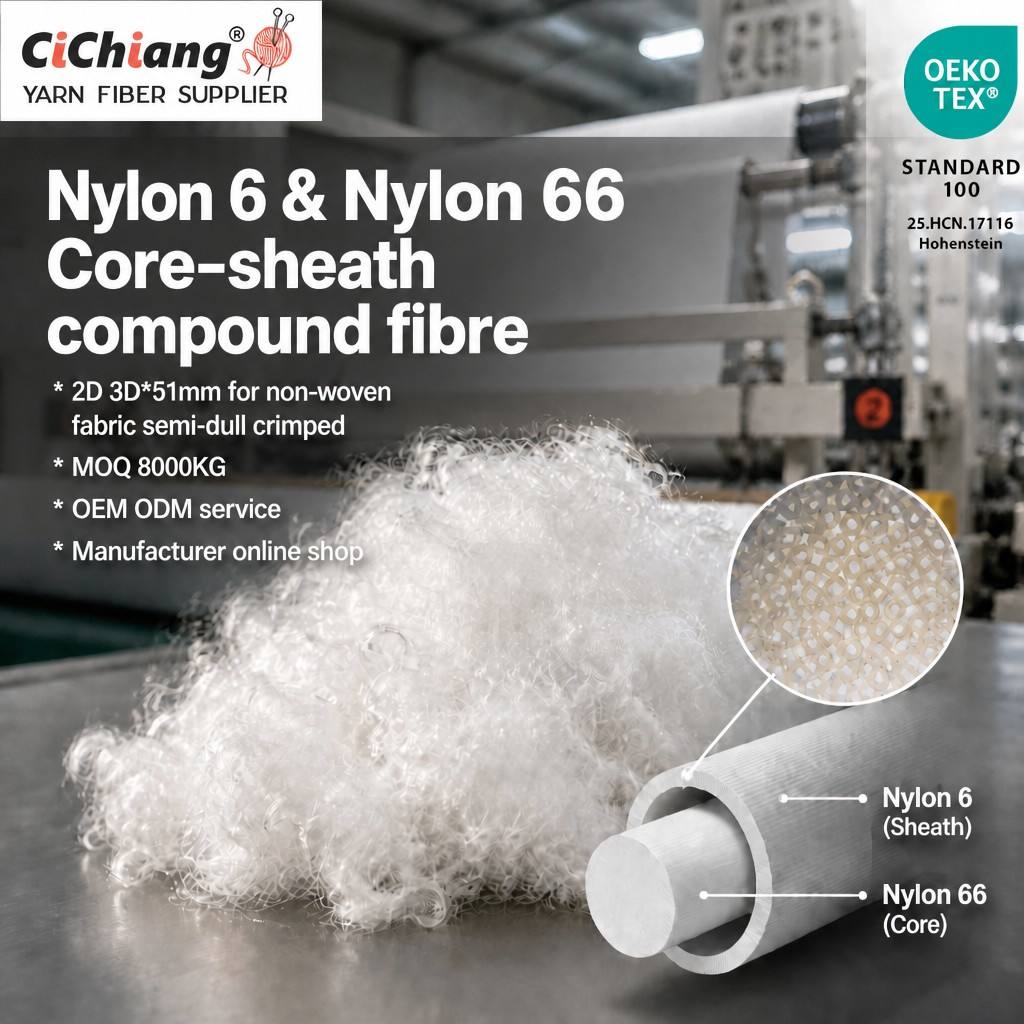
1. Fiber type and grade: PA6 or PA66 nylon behave differently, and the choice should match the application.
2. Tow presentation: bundle tightness, uniformity, and handling form can influence feeding stability.
3. Process compatibility: the tow must fit the opening, spreading, or drying equipment already in place.
4. End-use requirements: packaging fill, insulation-related products, filtration media, or other industrial fiber products may need different characteristics.
Common mistakes when sourcing nylon fiber tow
A common mistake is buying by headline specification alone. Another is assuming one supplier’s tow will behave the same as another’s because the nominal tex looks close. In practice, the material’s behavior on the machine can matter more than the brochure description.
There is also a tendency to overlook the physical handling stage. If the line uses a wide conveyor or perforated belt for spreading, cooling, or drying, the material may need to stay open and mobile rather than pack into dense clumps. That sounds obvious, but plants still discover it only after the first trial run.
What a capable nylon fiber supplier should be able to discuss
Ningbo Sinopec Fiber Co., Ltd., founded in 1996, focuses on nylon fiber manufacturing and produces mainly PA6 and PA66 polyamide nylon fibers. The company reports 150 employees, including 20 engineers, with a 50,000-square-meter factory and 20,000 square meters of production space, plus a daily output of 100-150 tons. Those details do not replace a technical review, but they do indicate scale and a manufacturing base that can support ongoing industrial demand.
When talking with any supplier, ask them to explain how their nylon tow behaves in your process, not just what it is made of. A good discussion should cover feed consistency, intended conversion route, and whether the material suits your existing handling line. For buyers, that is often where the real decision is made.
Quick buyer checklist
Before you place a repeat order, confirm the tow size, nylon grade, intended conversion method, packaging format, and any process constraints from your line. If possible, trial the material under real operating conditions. That may sound cautious, but in fiber processing it is usually cheaper than discovering a mismatch after production starts.
Next step
If you are comparing nylon tow tops 90ktex with other fiber inputs, start by matching the material to the machine, not just the spec sheet. Ask for details on PA6 or PA66 supply, tow format, and downstream suitability, then run a sample through your actual process. That is the clearest way to separate a workable industrial fiber from a merely acceptable one.