Why buyers still ask about nylon tow tops 90ktex
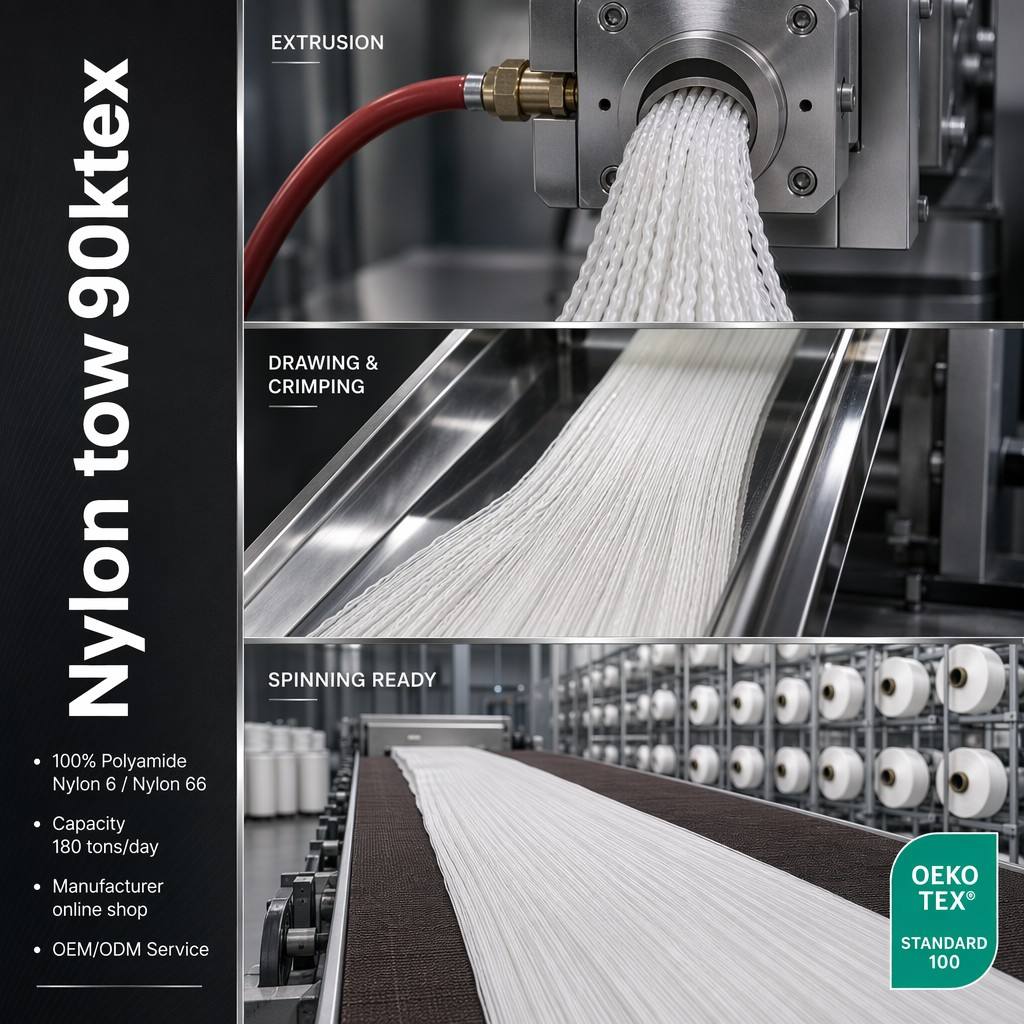
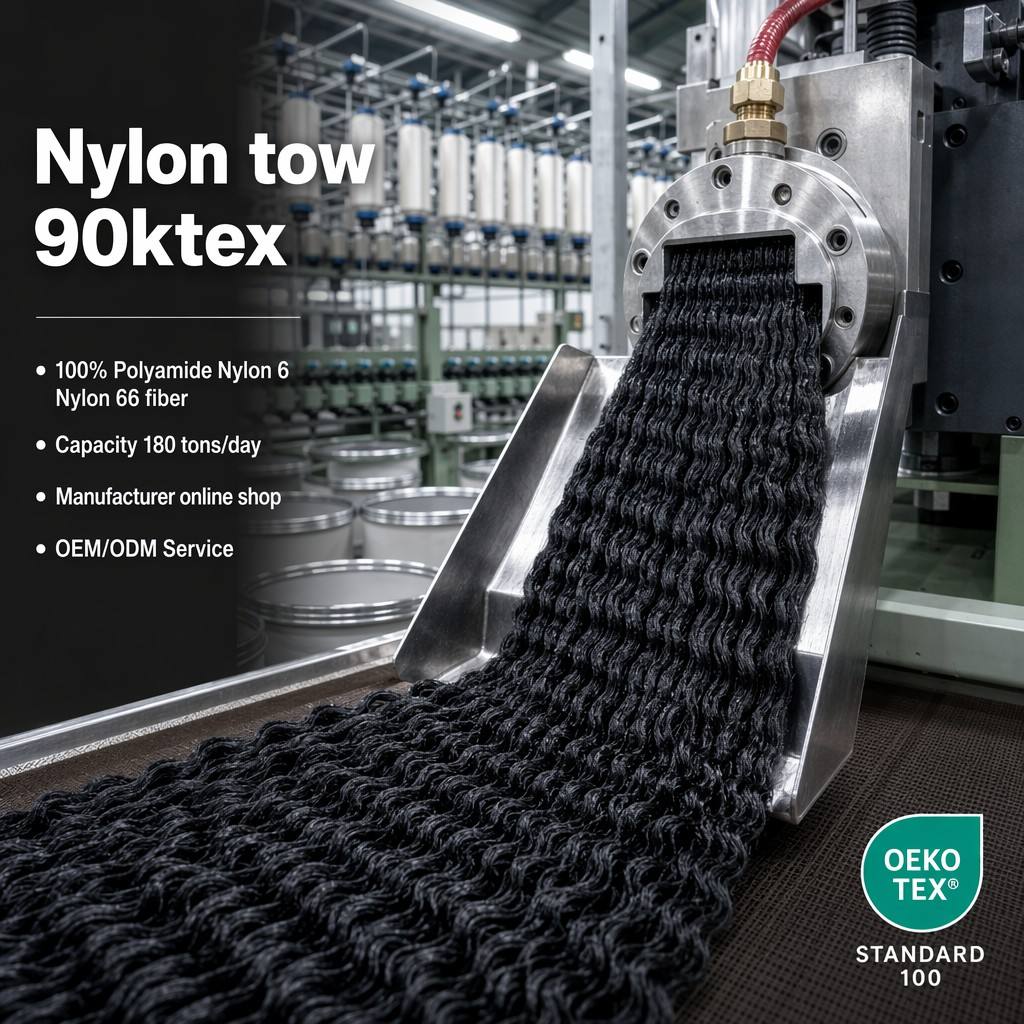
When sourcing nylon tow tops 90ktex, the real question is usually not the number itself. It is whether the tow structure, tenacity, and processing behavior fit the next manufacturing step without creating waste, breakage, or inconsistent downstream performance. For engineers and sourcing teams, that matters because tow is rarely bought as a decorative commodity; it is a feedstock, and feedstock problems tend to show up later in the line, when they are more expensive to fix.
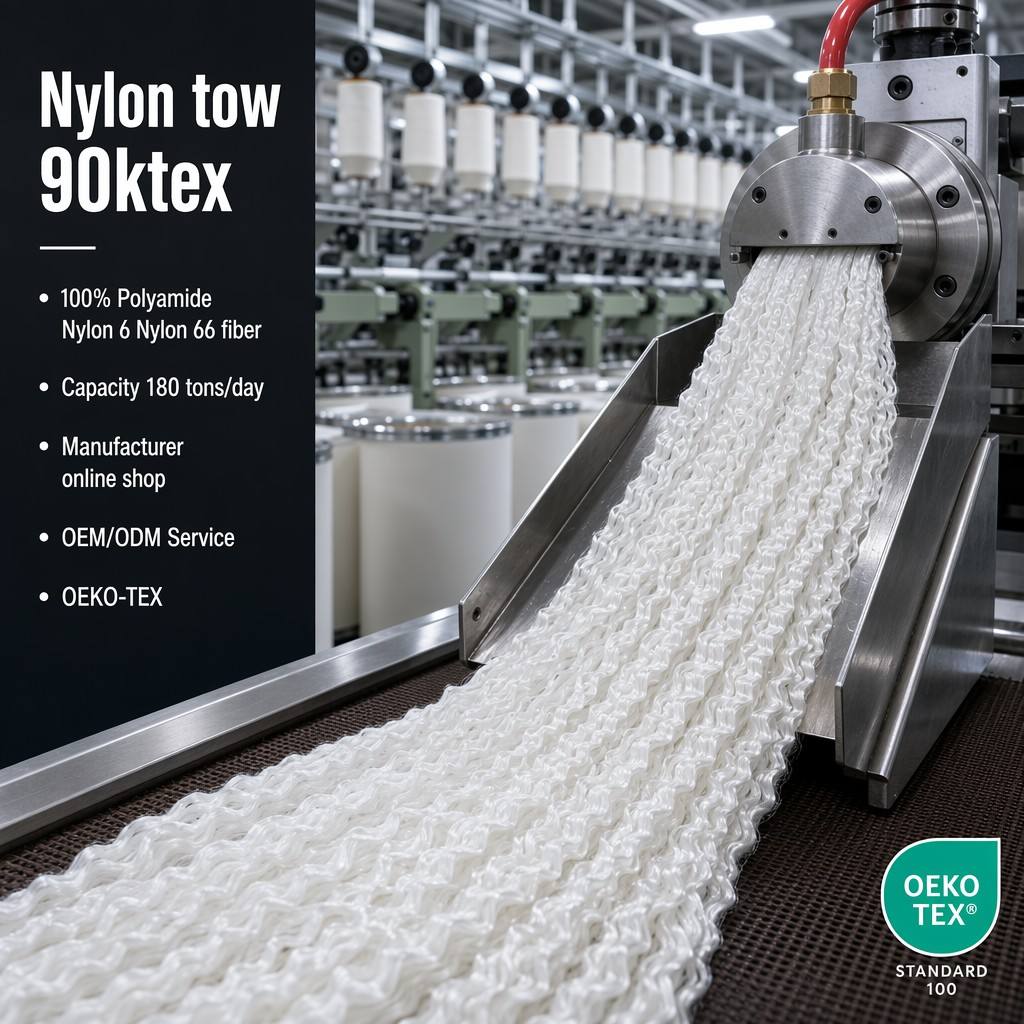
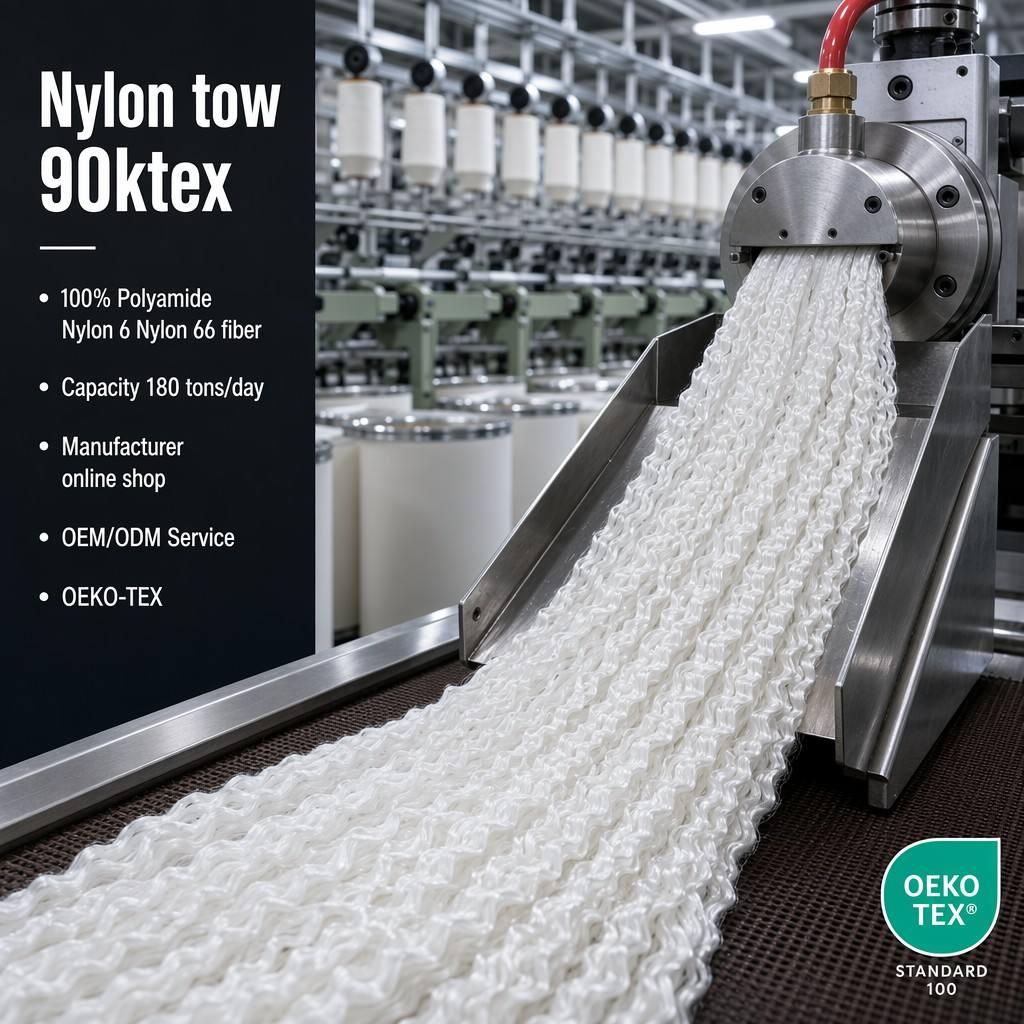
In practice, buyers comparing 90ktex nylon tow, nylon fiber tow, or other nylon tows need to understand how the product behaves as a continuous filament bundle. Tow count, filament layout, handling stability, and cleanliness can affect everything from opening and cutting to carding, crimping, or further web formation. If the material is going into a process where consistency matters, a seemingly small mismatch can become a production nuisance.
What 90ktex usually tells you
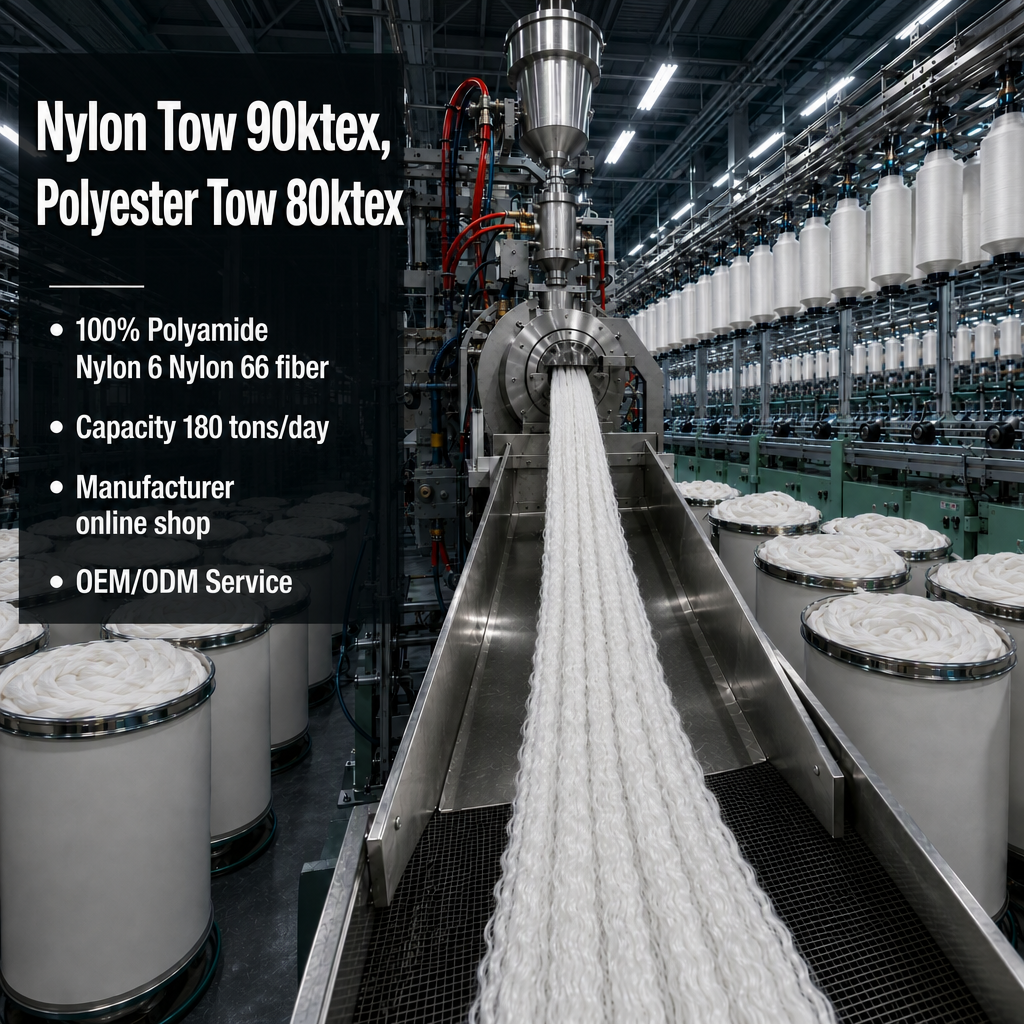
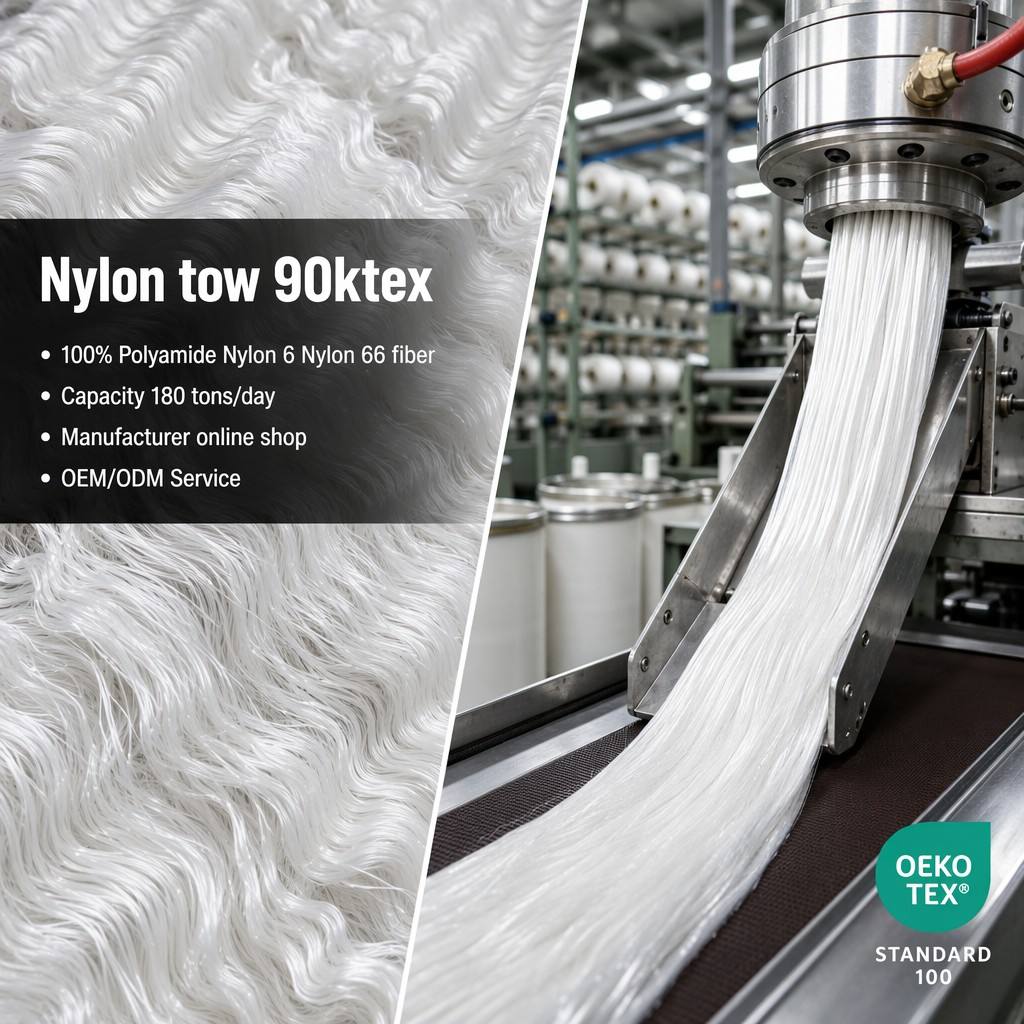
Tex is a linear density measure, so a 90ktex designation points to a fairly substantial tow package rather than a small, delicate feedstock. The actual meaning in production depends on the broader specification: filament fineness, bundle integrity, moisture behavior, and whether the nylon is PA6 or PA66. Ningbo Sinopec Fiber Co., Ltd. says it specializes in nylon fiber manufacturing, with primary production in PA6 and PA66 polyamide nylon fibers. That is useful context, because the polymer family often influences heat response, toughness, and downstream processing choices.
What the number does not tell you on its own is whether the tow is suited to a particular process step. A buyer still needs to confirm the bundle form, the opening behavior, and whether the tow is intended for conversion into a fiber top, further drawing, or some other industrial path. That is especially true when the end use is not a finished textile but an intermediate input.
How nylon tow tops are typically judged in sourcing
1. Bundle stability
A tow that looks uniform on paper can still behave unevenly on line if filament cohesion is poor. Buyers should ask how the bundle is packed, handled, and protected from contamination or moisture pickup. Nylon is practical and widely used, but it still needs sensible storage and transport.
2. Processing compatibility
If you are feeding the material into opening, cutting, nonwoven formation, or another conversion stage, the right answer is not only “can it run?” but “can it run repeatably?” High tenacity nylon fiber can be attractive for demanding applications, but higher strength is only helpful if the line can control it cleanly.
3. Downstream end use
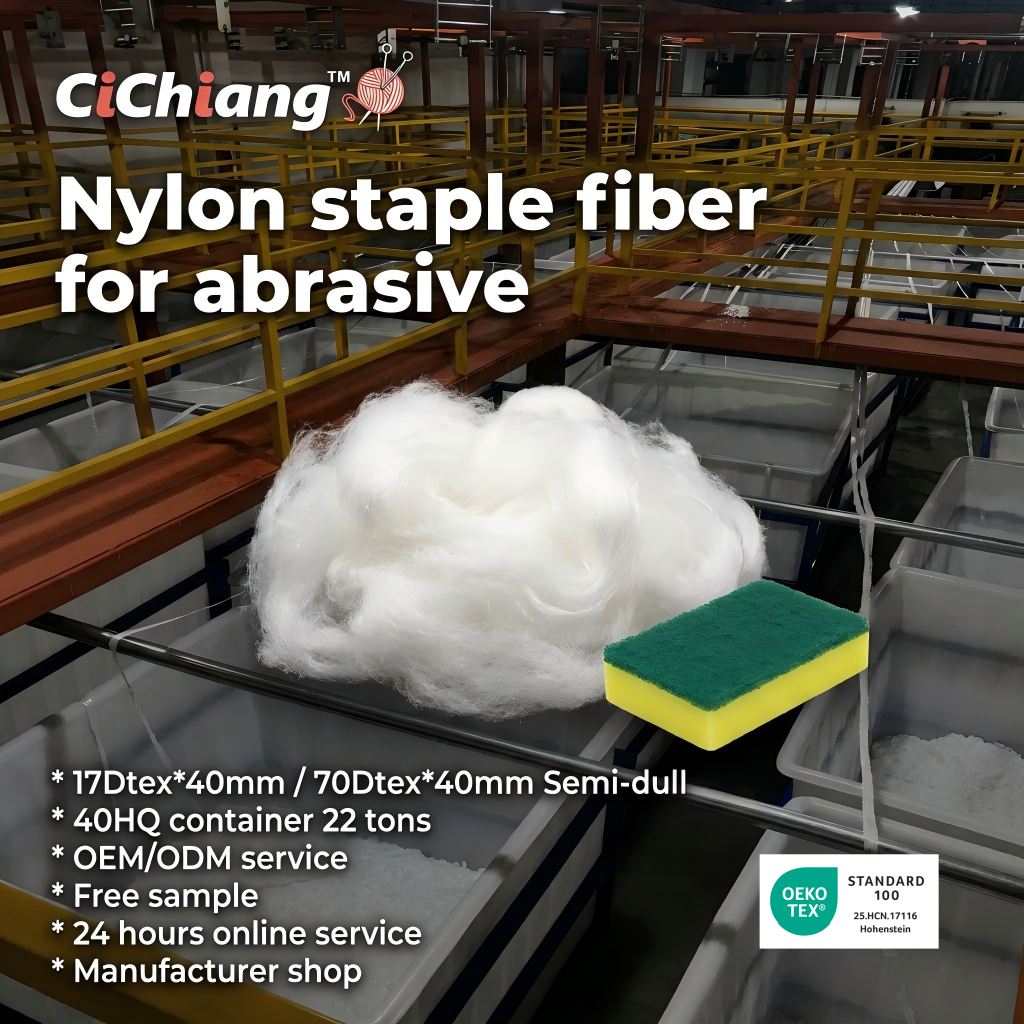
Different buyers use nylon fiber top or nylon fiber tow for different reasons: filtration media, reinforcement, wiping materials, padding, insulation-related products, or intermediate textile processing. The same tow may perform well in one plant and frustrate another, simply because the equipment and forming logic differ.
A quick comparison for practical buyers
If you are narrowing options, this shorthand helps:
90ktex nylon tow: useful when you want a robust continuous feedstock with substantial linear density.
90k tex fiber: often discussed when linear density and bundle size are central to process planning.
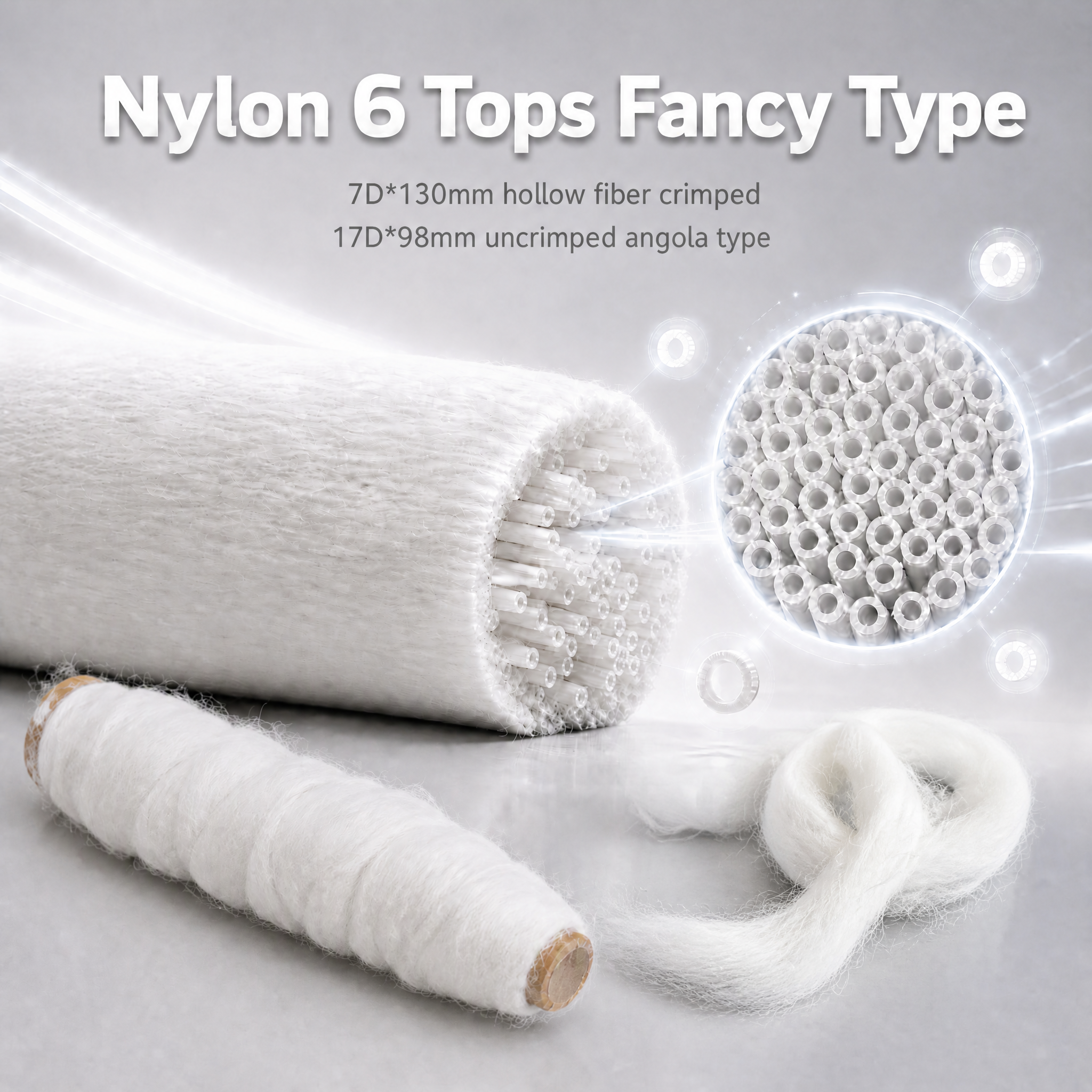
nylon tow tops: a phrase buyers may use when they are looking at the upper or prepared portion of tow for further fiber handling.
nylon tows: a broad buying term, but too broad to replace an actual technical discussion.
Why manufacturing background matters
Company capability is not the whole story, but it is not trivial either. Ningbo Sinopec Fiber Co., Ltd. reports a factory founded in 1996, with 150 employees including 20 engineers, a 50,000-square-meter site, and 20,000 square meters of production space. It also states a daily output of 100-150 tons. For buyers, this suggests a manufacturer accustomed to industrial-scale nylon fiber production rather than one-off trial supply. That can matter when you need repeat lots, steadier planning, or a longer-term partner.
Still, scale alone does not replace sample validation. A buyer should ask for the exact product designation, the applicable polymer grade, and the handling instructions for the line. The point is to reduce surprises later, not to collect impressive numbers.
Common sourcing mistakes
The most common mistake is treating tow as if it were a standard commodity with one universal definition. It is not. Another is assuming that all nylon behaves similarly in conversion. PA6 and PA66 can both be useful, but they are not identical in process feel or performance profile. A third mistake is skipping the practical questions: how is the tow packed, how is moisture controlled, and what does the supplier recommend for opening or further processing?
Buyers also sometimes focus only on the headline density and ignore the line they actually own. If the equipment is designed around a certain feed geometry or opening method, the wrong tow form can slow the whole operation down.
What to ask before you place an order
Before committing to a purchase of nylon tow tops 90ktex or a related nylon tow specification, ask for the following: polymer type, bundle form, intended downstream use, packing method, and any handling notes relevant to your process. If your application is sensitive, request a sample and run it through your own line conditions. That is often the fastest way to separate a workable material from a theoretically suitable one.
Practical next step
If your team is evaluating high tenacity nylon fiber or a 90ktex tow format for production use, start with the process, not the brochure. Define the conversion step, confirm the polymer family, and match the material to the equipment you already run. Then speak with the supplier about the exact tow structure and commercial supply plan. For a manufacturer like Ningbo Sinopec Fiber Co., Ltd., that is the kind of conversation likely to get you to a real answer faster than asking for a generic catalog response.