Decoding the Terminology: Polyamide vs Nylon
In the world of textiles and manufacturing, terminology can often be confusing, leading to common questions such as the difference between polyamide vs nylon. The simple answer is that nylon is a specific type of synthetic polyamide. Polyamide is the broader chemical family name for polymers containing repeating amide linkages. This family includes both naturally occurring materials, like wool and silk, and synthetically produced fibers. Therefore, all nylon is a polyamide, but not all polyamide is nylon. Understanding this distinction is the first step in appreciating the vast utility and specific characteristics of these remarkable materials that have revolutionized countless industries, especially fashion and apparel.

The Broader Polyamide Family
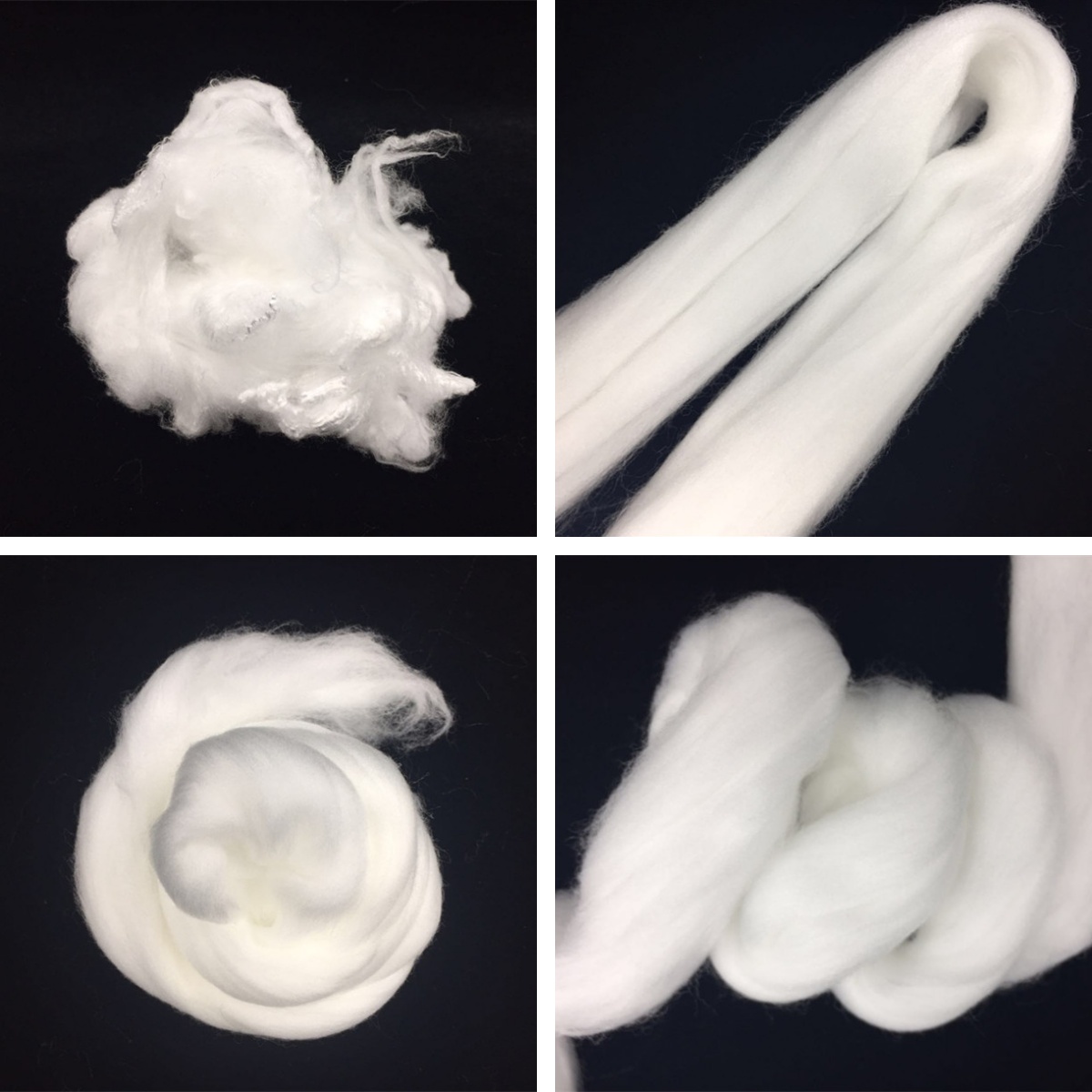
Polyamides are characterized by their exceptional strength, durability, and resistance to abrasion. While natural polyamides have been used for centuries, the development of synthetic versions in the 20th century marked a significant turning point. Synthetic polyamides, such as nylon and aramids, are engineered for specific performance traits. These materials can be molded into solid shapes for mechanical parts or, more commonly, drawn into fibers for creating fabrics. This versatility has made polyamide yarn a cornerstone of the modern textile industry, offering properties that natural fibers alone cannot provide. From high-performance sportswear to durable everyday clothing, the influence of polyamides is undeniable.
The Specific Excellence of Nylon Fiber
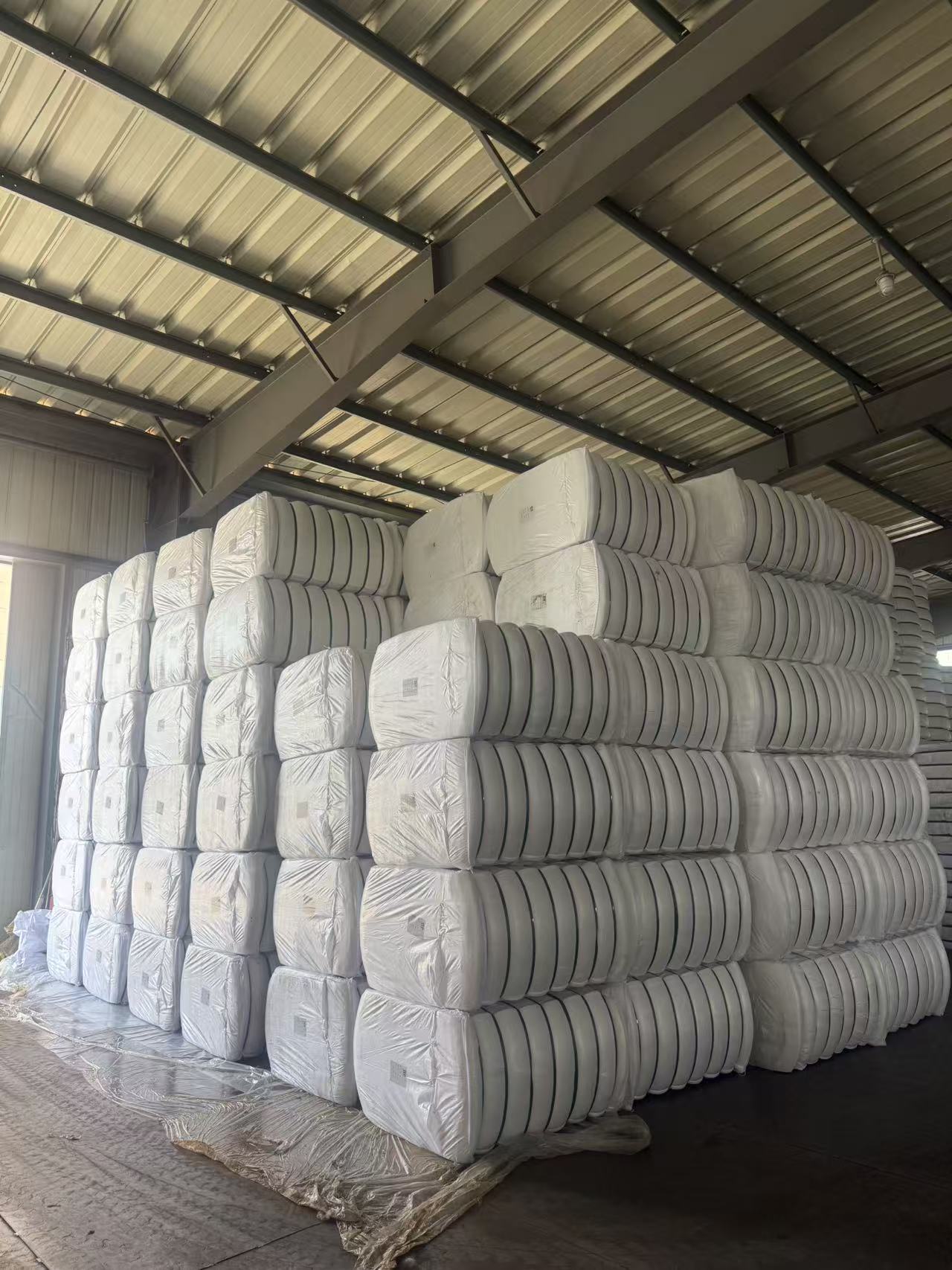
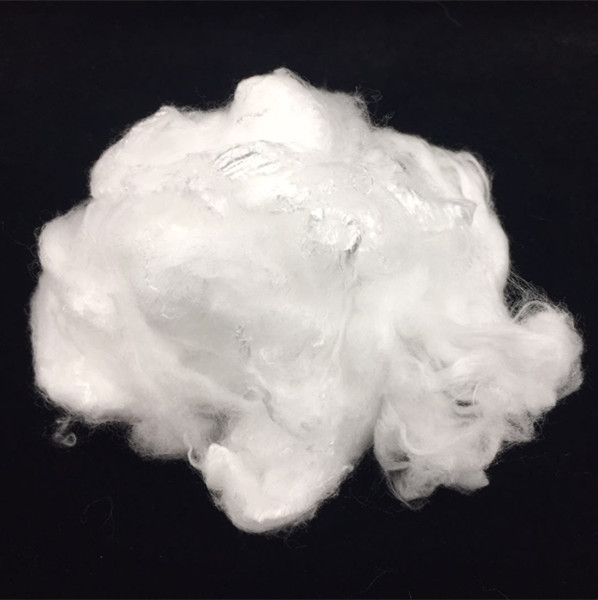
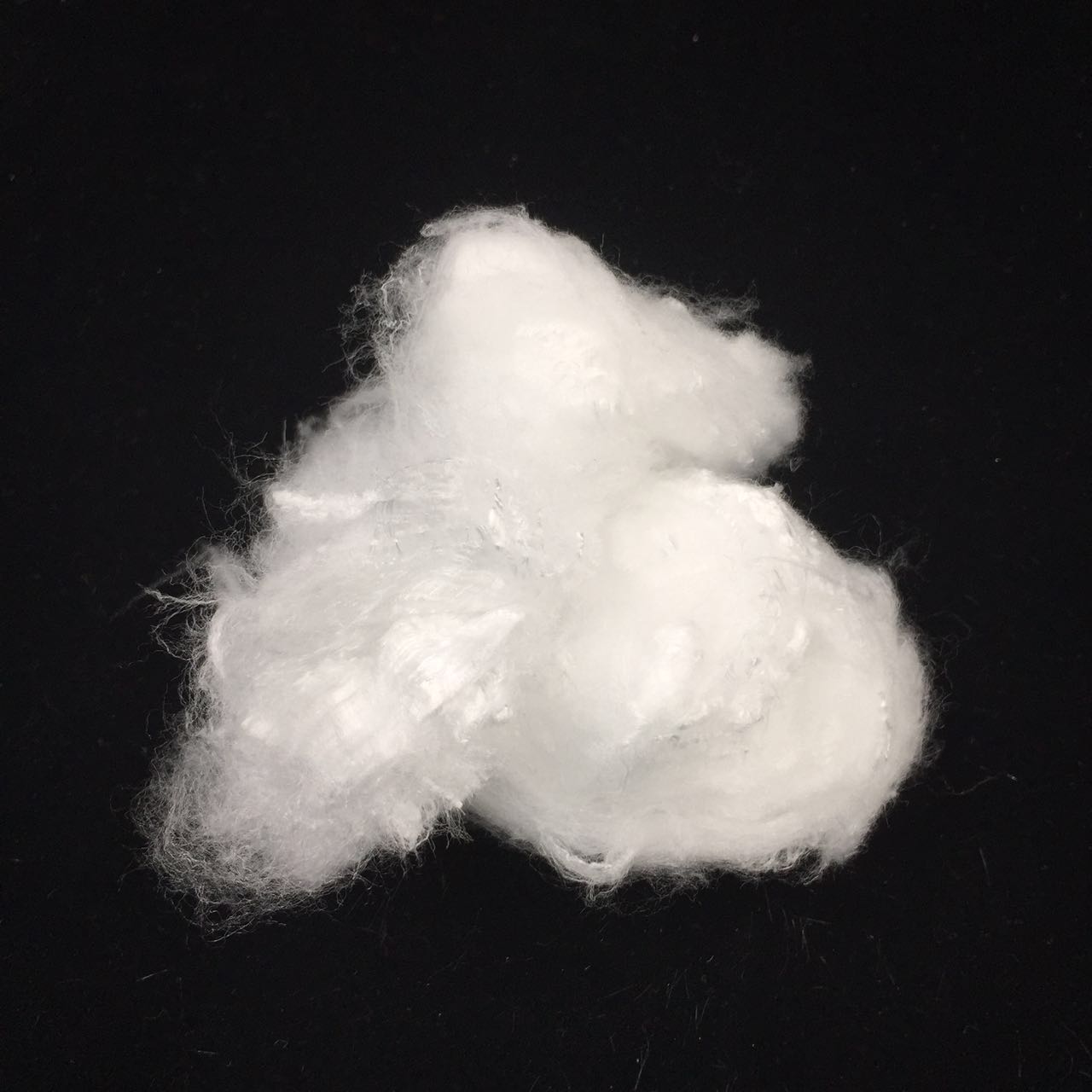
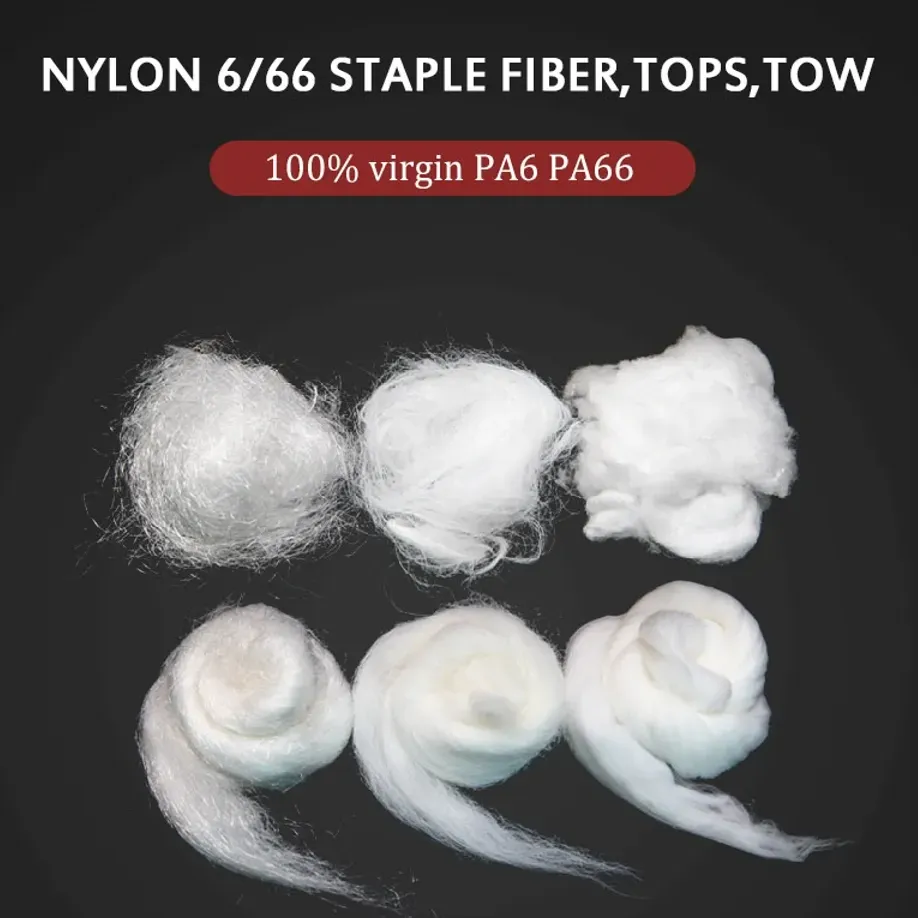
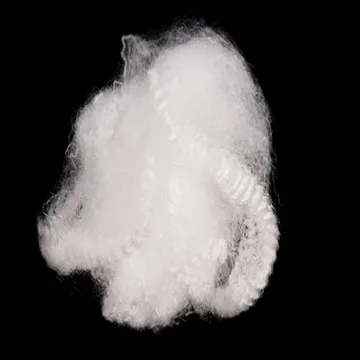
Nylon was the first commercially successful synthetic thermoplastic polymer, and its introduction changed the textile landscape forever. As a leading manufacturer since 1996, Ningbo Sinopec Fiber Co., Ltd. specializes in producing high-quality PA6 and PA66, which are specific types of nylon fiber. This material is celebrated for its high tensile strength, elasticity, and lustrous finish. It's lightweight yet incredibly resilient, resisting damage from oil, chemicals, and moisture. These qualities make nylon fiber an ideal choice for a wide array of applications, from delicate hosiery and activewear to robust carpets and industrial components. The consistent quality of the fiber is crucial for creating reliable and long-lasting end products.
Creating Luxury with Innovative Cashmere Blends
One of the most exciting applications of modern synthetic fibers is their ability to enhance natural materials. While the top cashmere type provides an unparalleled sense of luxury, it can be delicate and expensive. By creating cashmere blends with high-quality polyamide yarn, manufacturers can produce fabrics that offer a wonderfully soft cashmere feel while gaining significant benefits in durability, shape retention, and affordability. These blended textiles are less prone to pilling and can withstand more frequent wear and washing, making them a practical choice for everyday luxury. This intelligent combination of natural comfort and synthetic performance allows designers to create beautiful, resilient garments that are accessible to a wider audience.