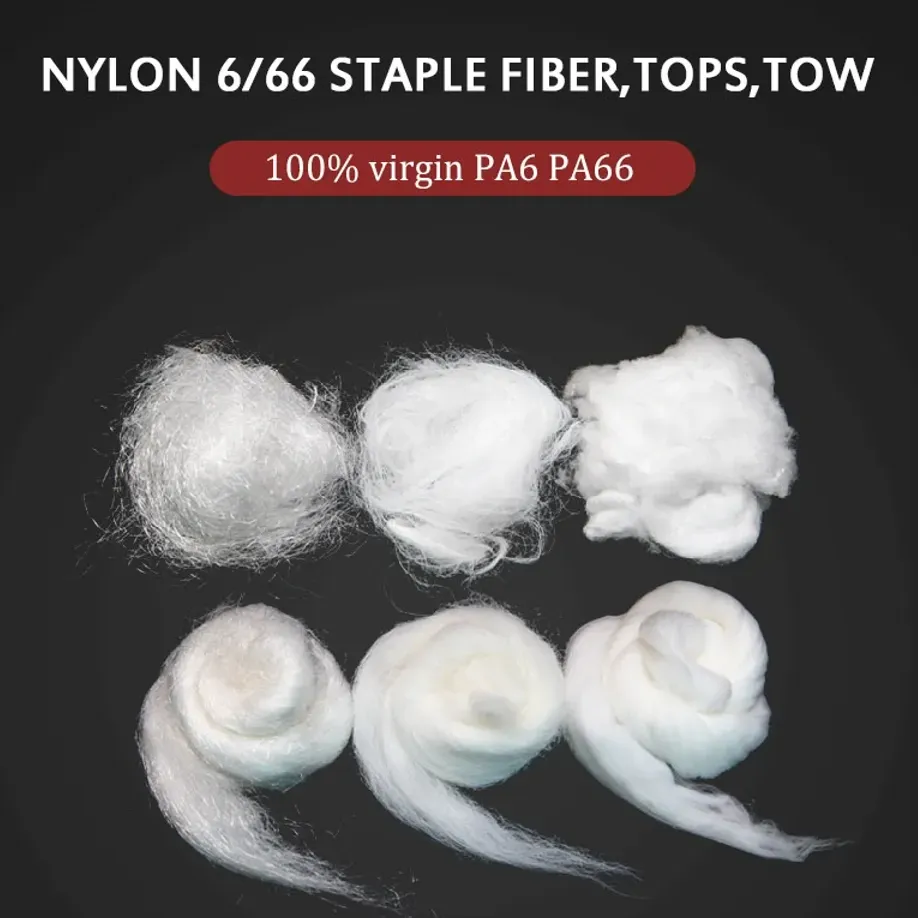
When exploring the world of textiles, a common point of confusion arises in the polyamide vs nylon debate. Many wonder if there is a significant difference between these two materials, especially when seeking specific qualities like durability or a luxurious texture. The simple answer is that nylon is a type of polyamide. Understanding this relationship is key to appreciating the versatility of these synthetic fibers, which have evolved to offer not just strength and resilience, but also a remarkably soft cashmere feel that rivals some of the finest natural materials available.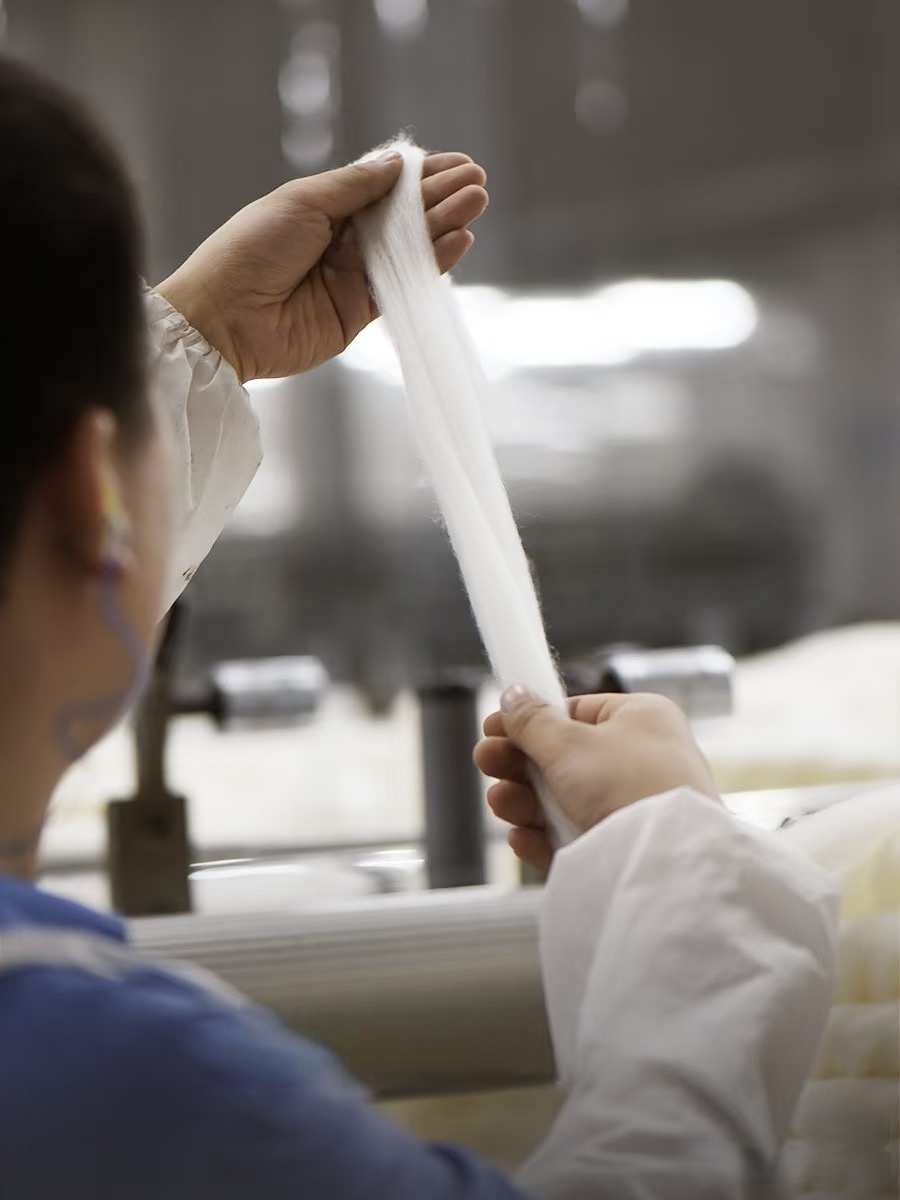

Understanding Polyamide and Nylon
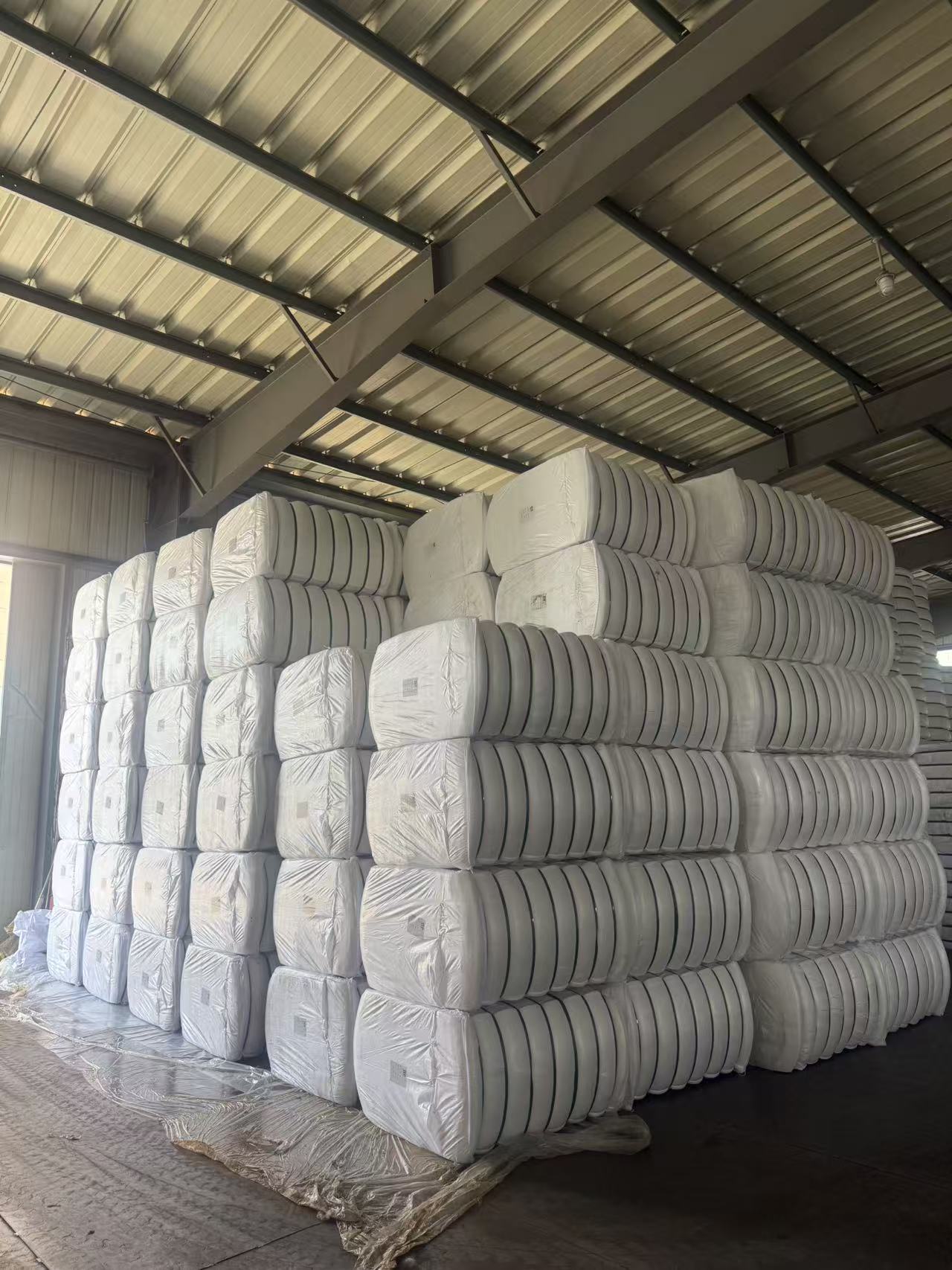
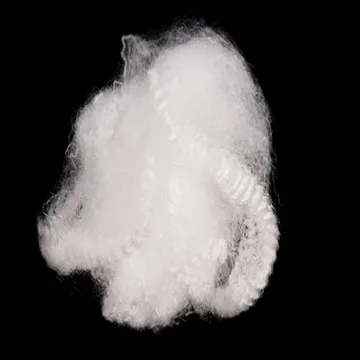
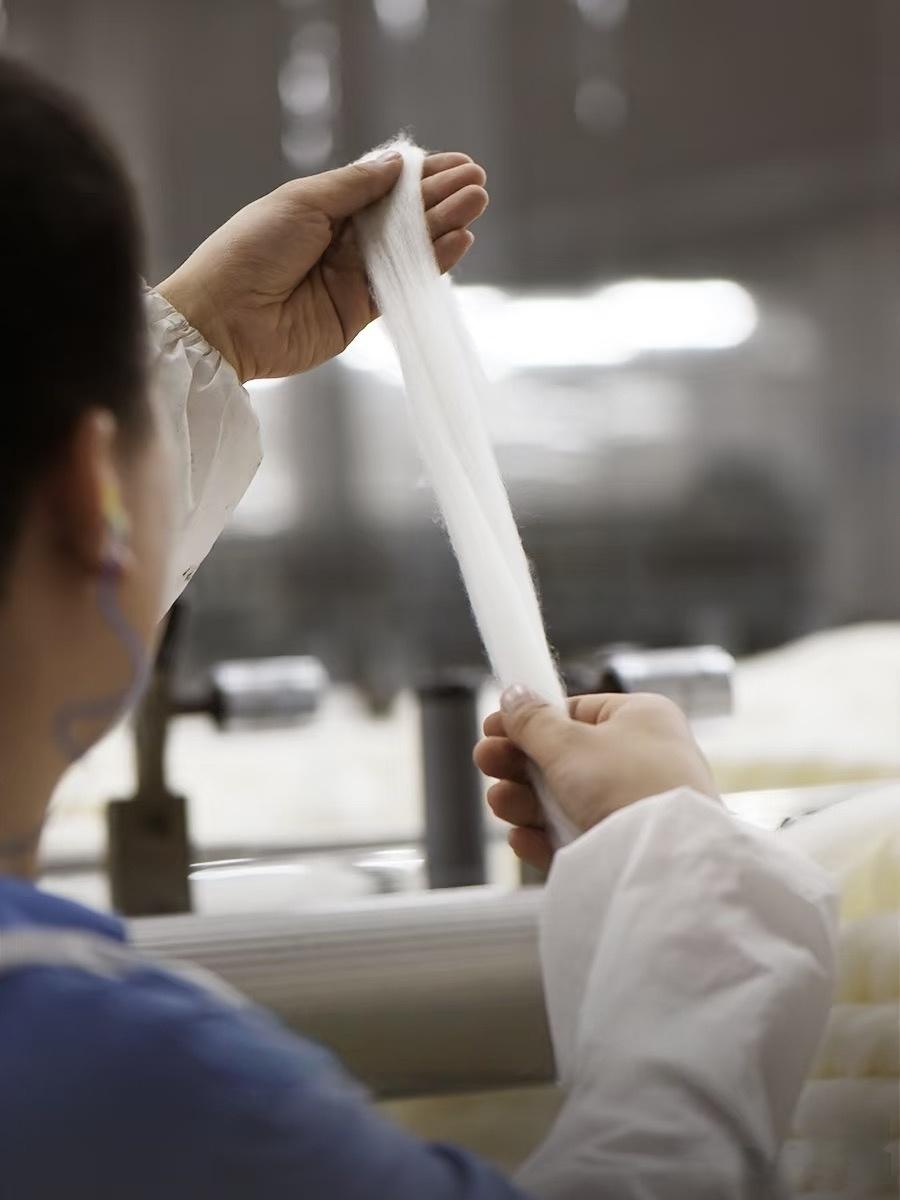
Polyamide is the broad chemical term for a polymer linked by amide bonds. This family includes both naturally occurring materials like wool and silk, as well as synthetically produced fibers. Nylon, a name originally trademarked by DuPont, refers specifically to a group of synthetic polyamides. Therefore, all nylon is polyamide, but not all polyamide is nylon. As specialists in the field since 1996, we at Ningbo Sinopec Fiber Co., Ltd. focus on manufacturing leading synthetic polyamide nylon fibers like PA6 and PA66. This nylon fiber is celebrated for its exceptional strength, elasticity, and resistance to abrasion and chemicals, making it a foundational material in industries ranging from apparel to automotive parts.
The Quest for a Soft Cashmere Feel in Synthetics
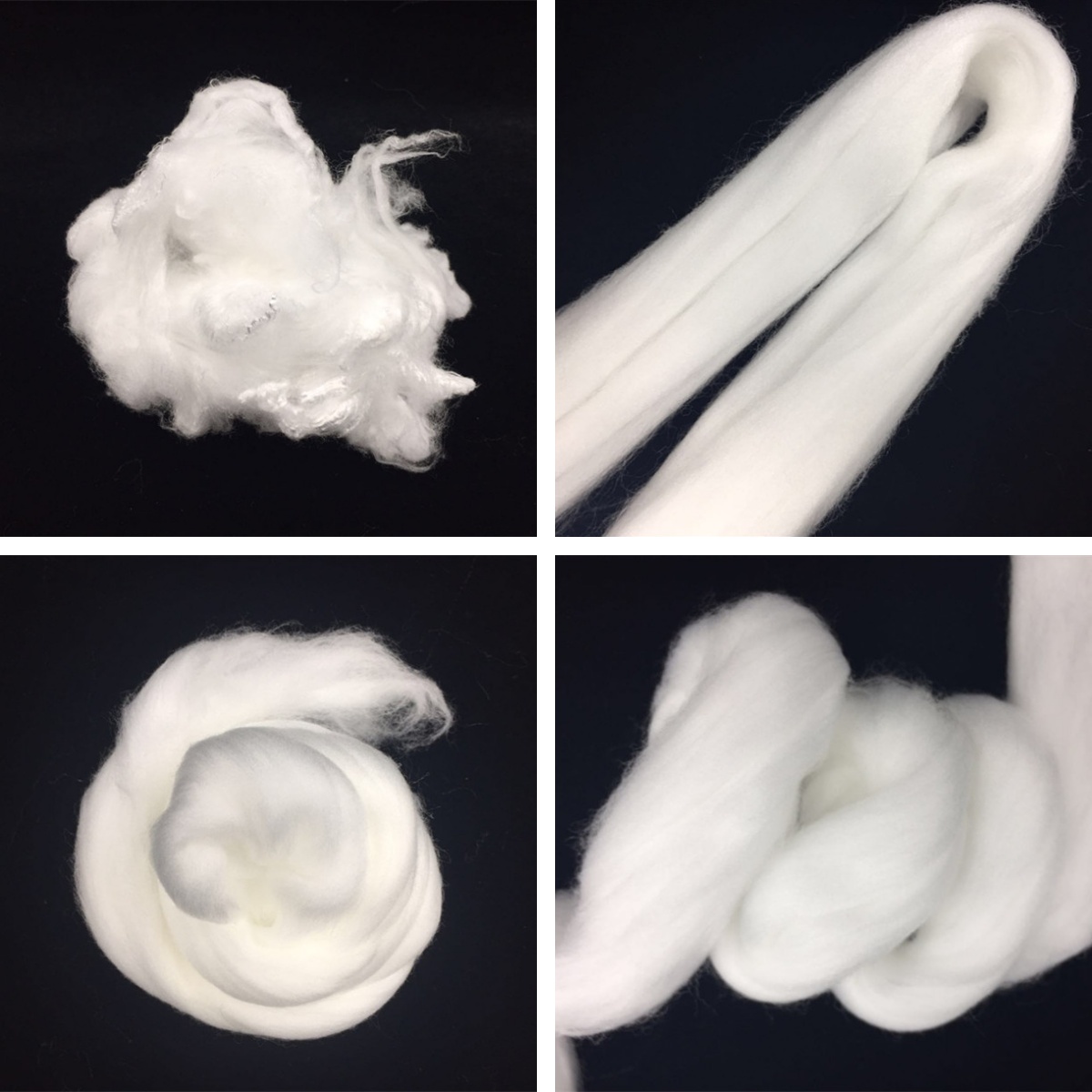
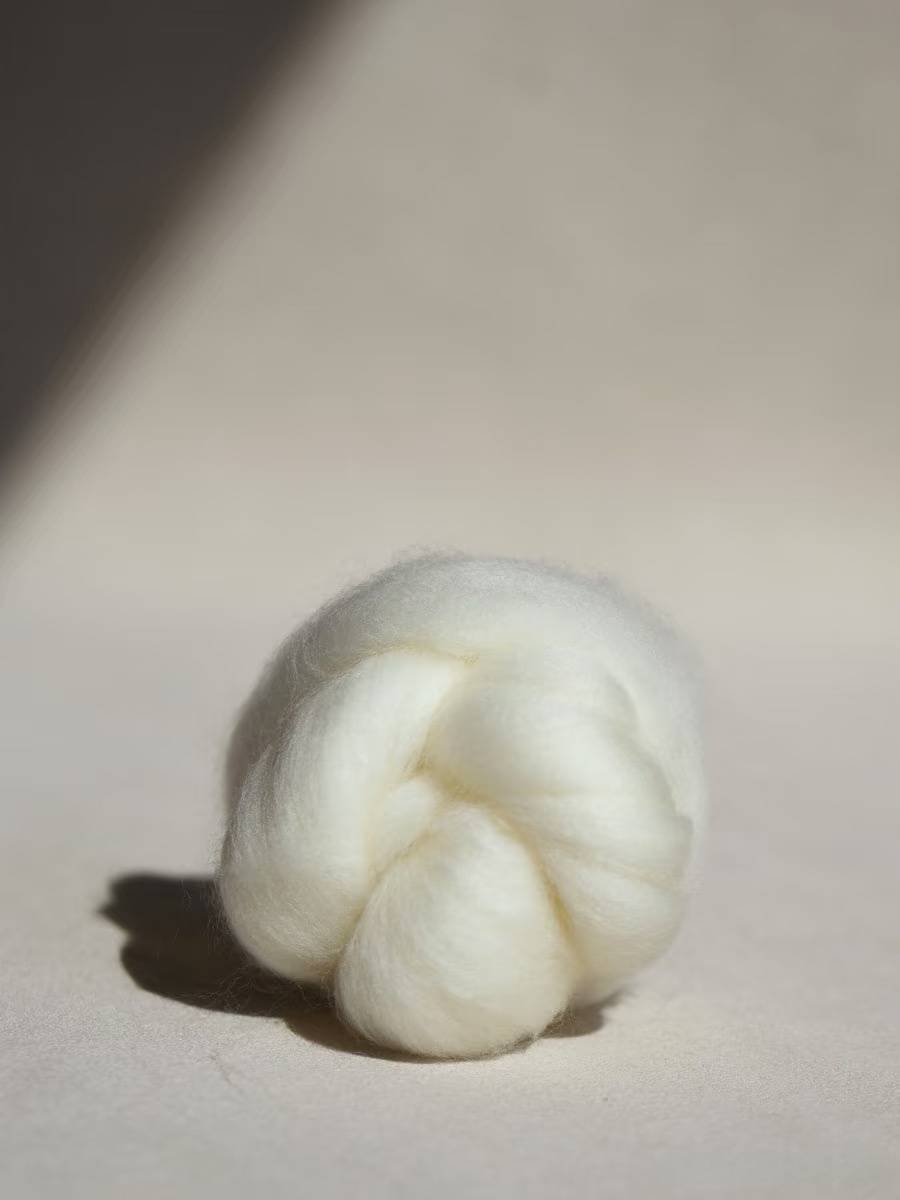
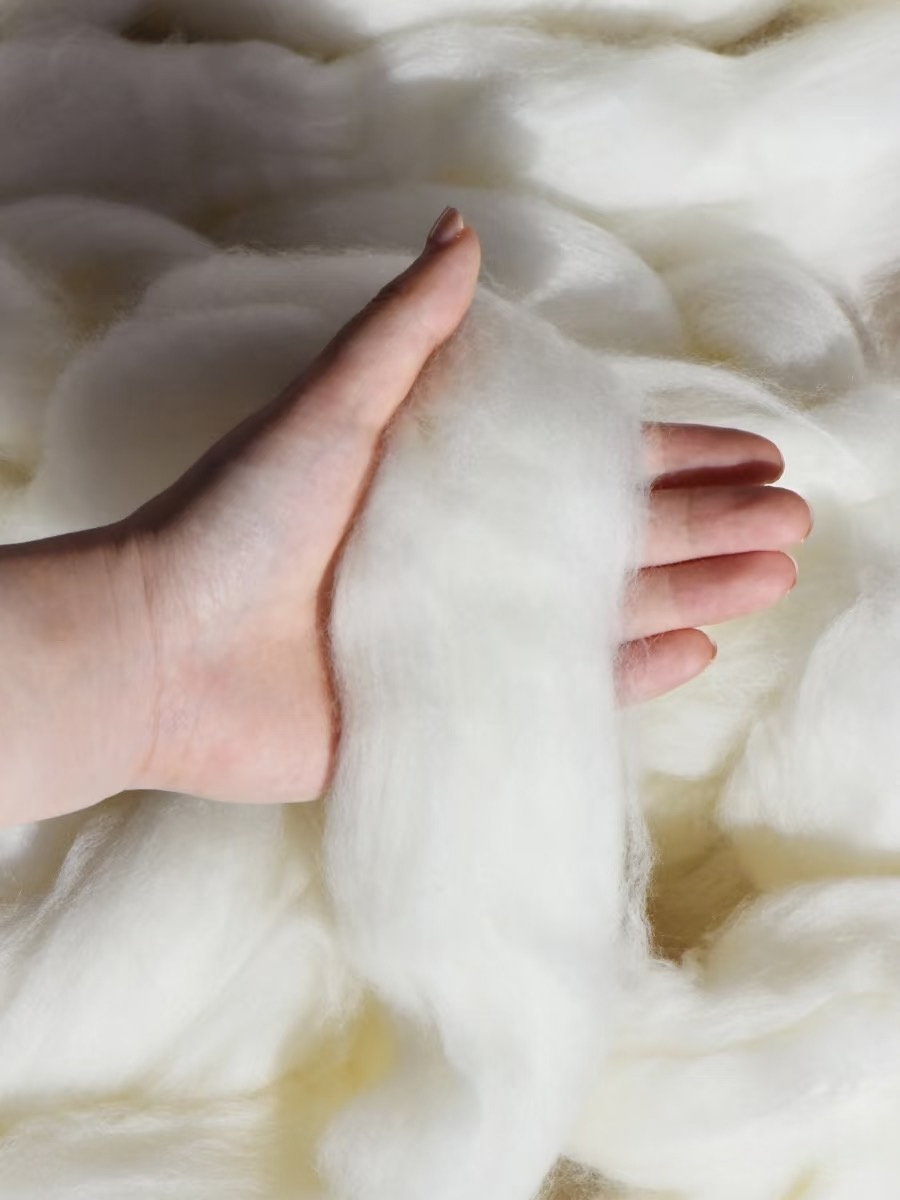
The textile industry has long sought to replicate the luxurious qualities of natural fibers. The goal has often been to match the softness of the top cashmere type, a material renowned for its incredible warmth and delicate touch. Initially, this led to the popularity of cashmere blends, where cashmere was mixed with wool or synthetic fibers to enhance durability and reduce cost. However, modern advancements in polymer science have enabled the production of polyamide yarn that can stand on its own, engineered to deliver an incredibly soft and smooth texture. This innovation allows designers to create garments that offer the sensory pleasure of cashmere with the high-performance benefits of a synthetic material.
The Advantages of Advanced Polyamide Yarn
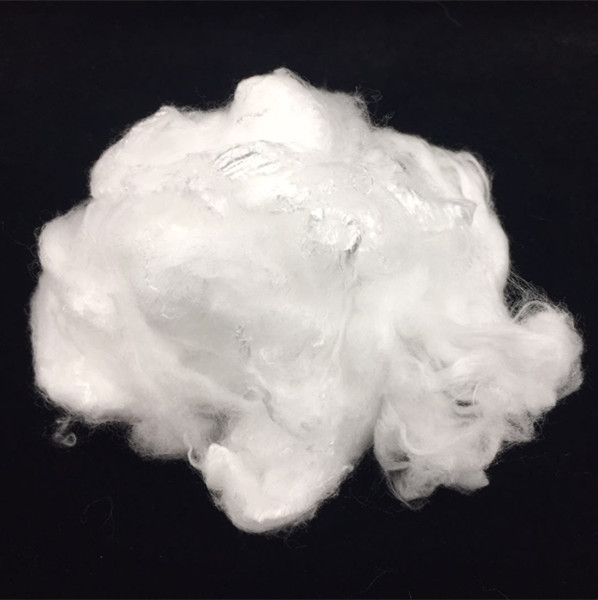
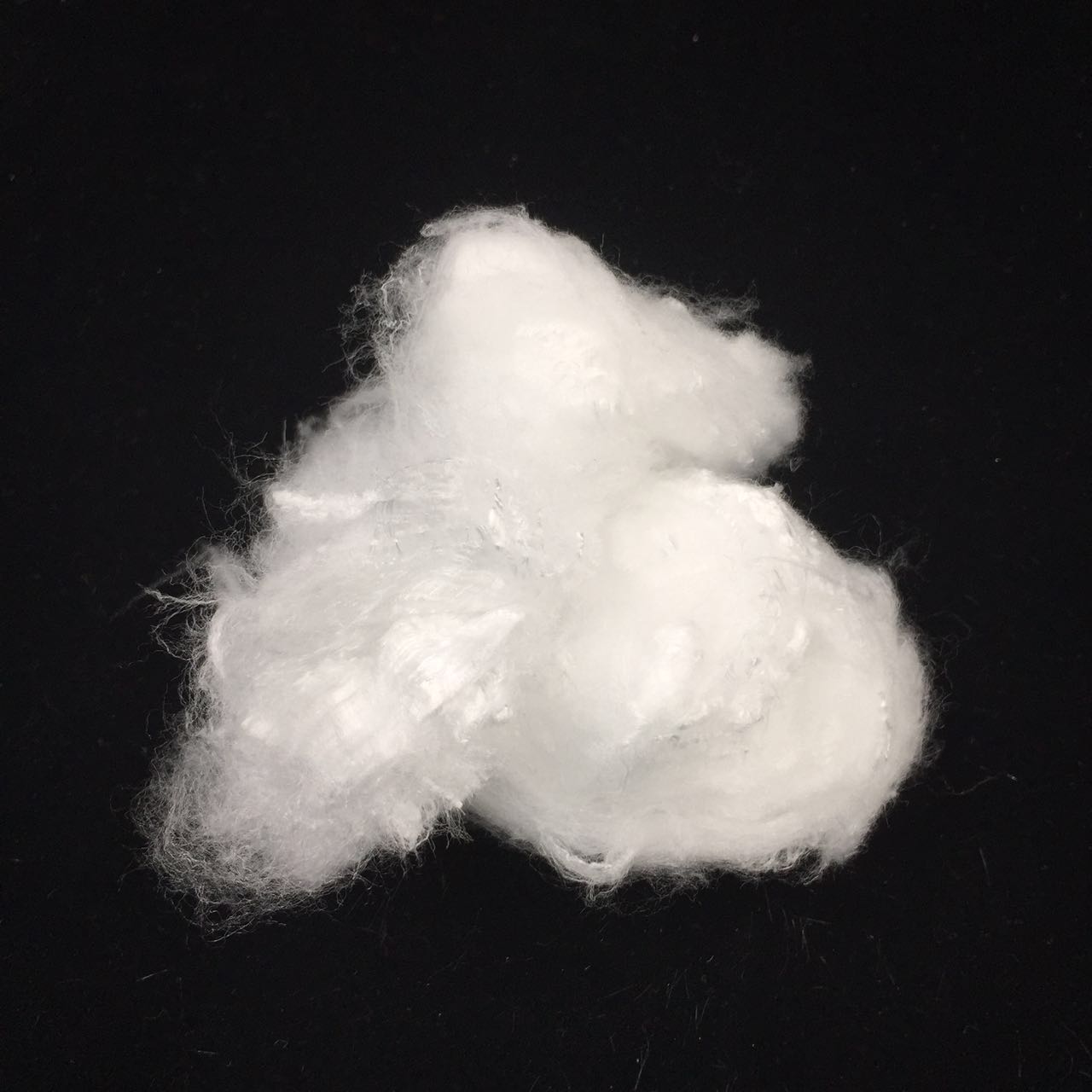
The versatility of modern polyamide yarn cannot be overstated. Through precise manufacturing processes, the characteristics of the fiber can be finely tuned. This means a nylon fiber can be created to be ultra-fine, lightweight, and breathable, making it perfect for activewear and intimate apparel. Simultaneously, it can be textured to have more volume and a warmer, softer hand-feel suitable for sweaters and outerwear. Unlike delicate natural fibers, polyamide offers superior durability, colorfastness, and ease of care. This combination of comfort and practicality is why advanced polyamide has become a cornerstone of contemporary fashion, providing a reliable and sophisticated alternative to traditional materials.
Choosing the Right Fiber for Your Needs
Ultimately, the polyamide vs nylon question simplifies to a matter of specific terminology. The more important consideration is the quality and type of the fiber being used. Whether you are developing performance apparel or luxury fashion, the right material can make all the difference. High-quality polyamide yarn offers a unique blend of strength, longevity, and a sophisticated aesthetic. With the ability to mimic a soft cashmere feel while providing superior performance, this engineered fiber represents the pinnacle of modern textile innovation, offering endless possibilities for creative and functional design. For businesses looking for a reliable supply of premium PA6 and PA66 fibers, partnering with an experienced manufacturer like Ningbo Sinopec Fiber Co., Ltd. ensures access to materials that meet the highest standards of quality and performance.