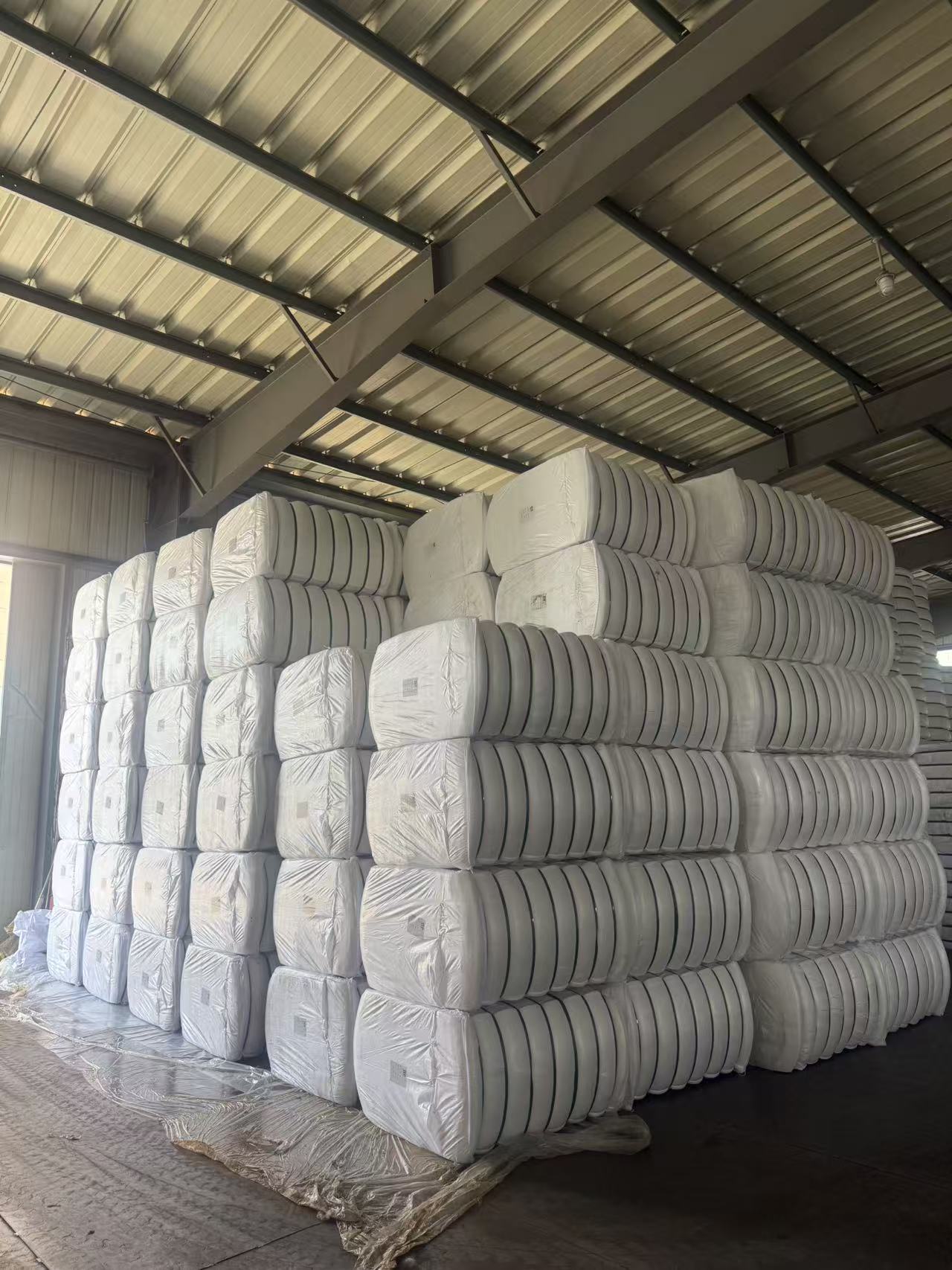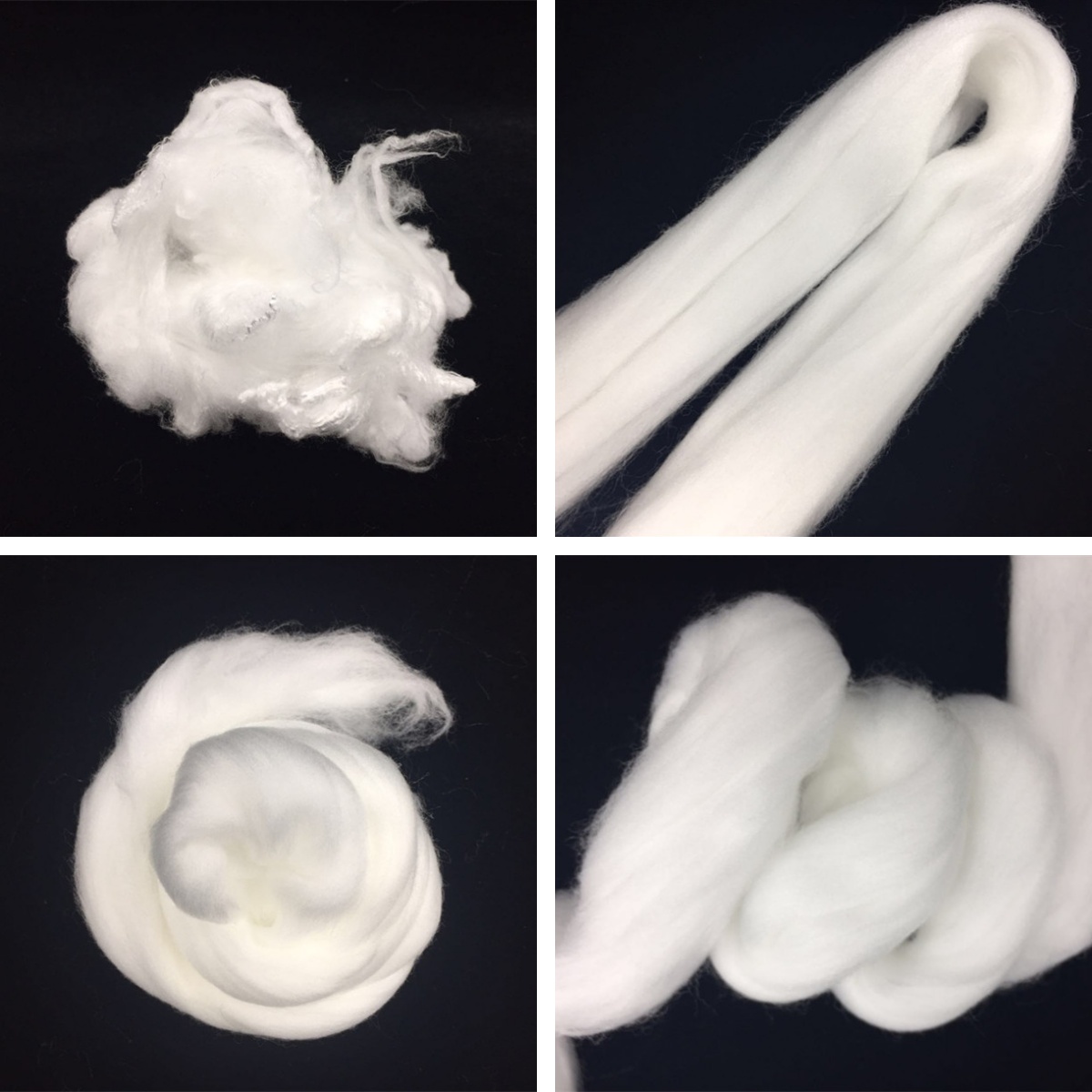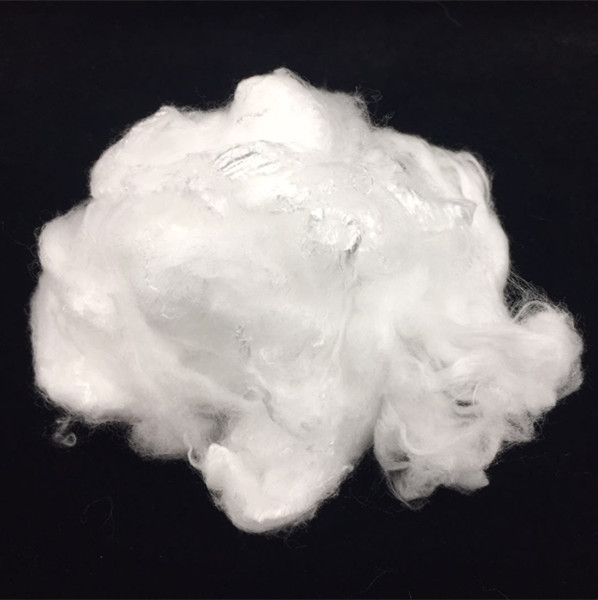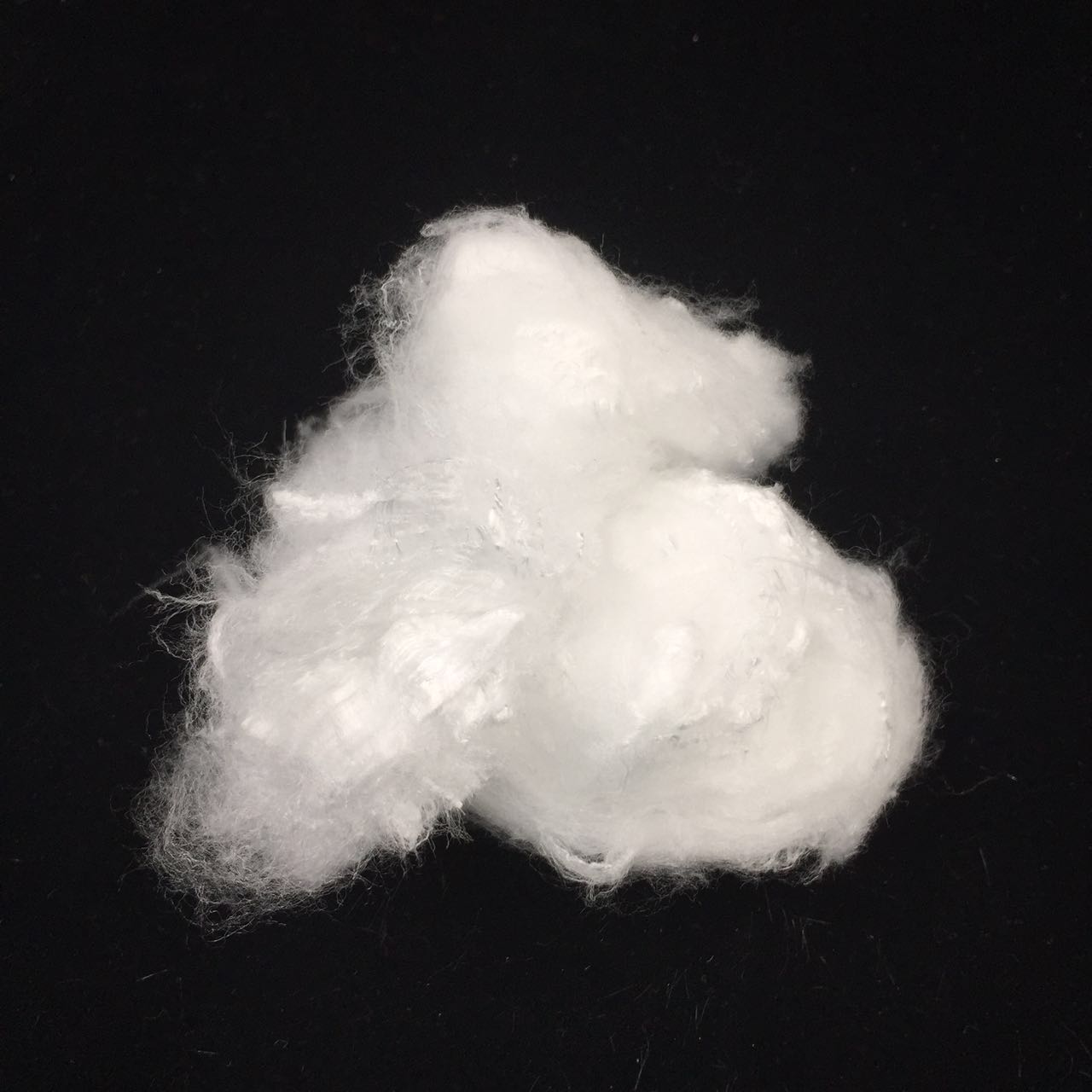
The modern textile industry is in a constant state of evolution, driven by the dual demands for high-performance functionality and environmental sustainability. In this quest for innovation, a groundbreaking category of materials has emerged to redefine fabric engineering: the water-soluble fiber. These advanced synthetic fibers are not just a novelty; they represent a significant leap forward, enabling the creation of fabrics that are more luxurious, functional, and eco-conscious than ever before. By harnessing a unique chemical property, these fibers open up a new world of design possibilities.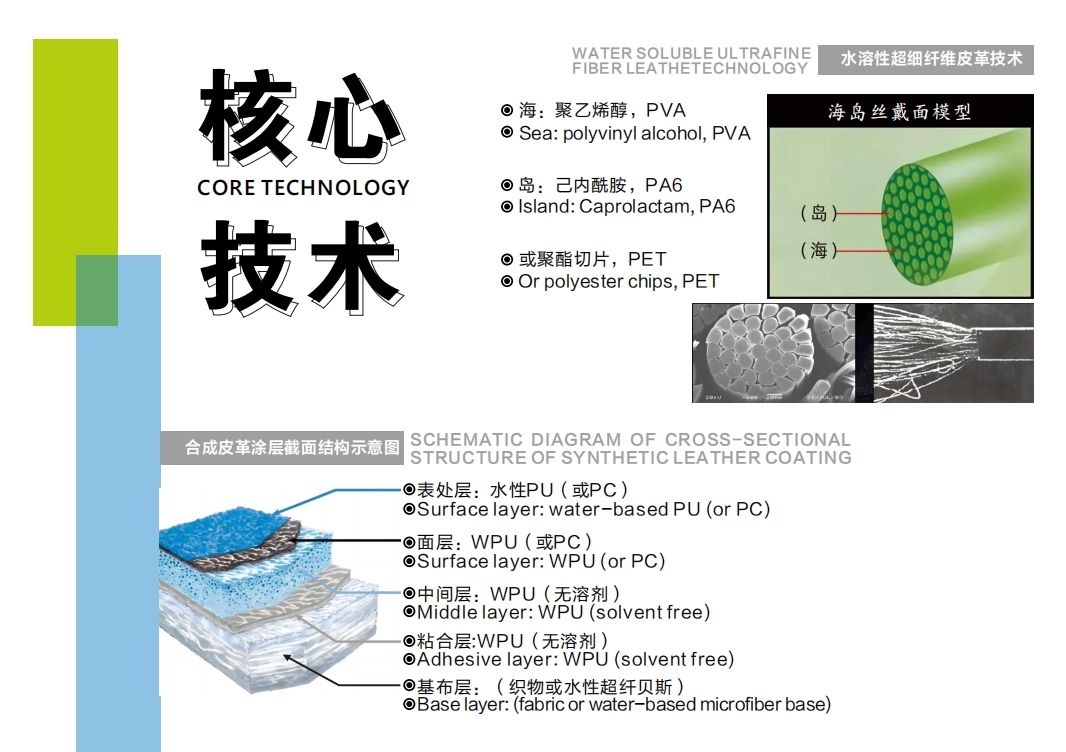
The Science Behind Water-Soluble Materials
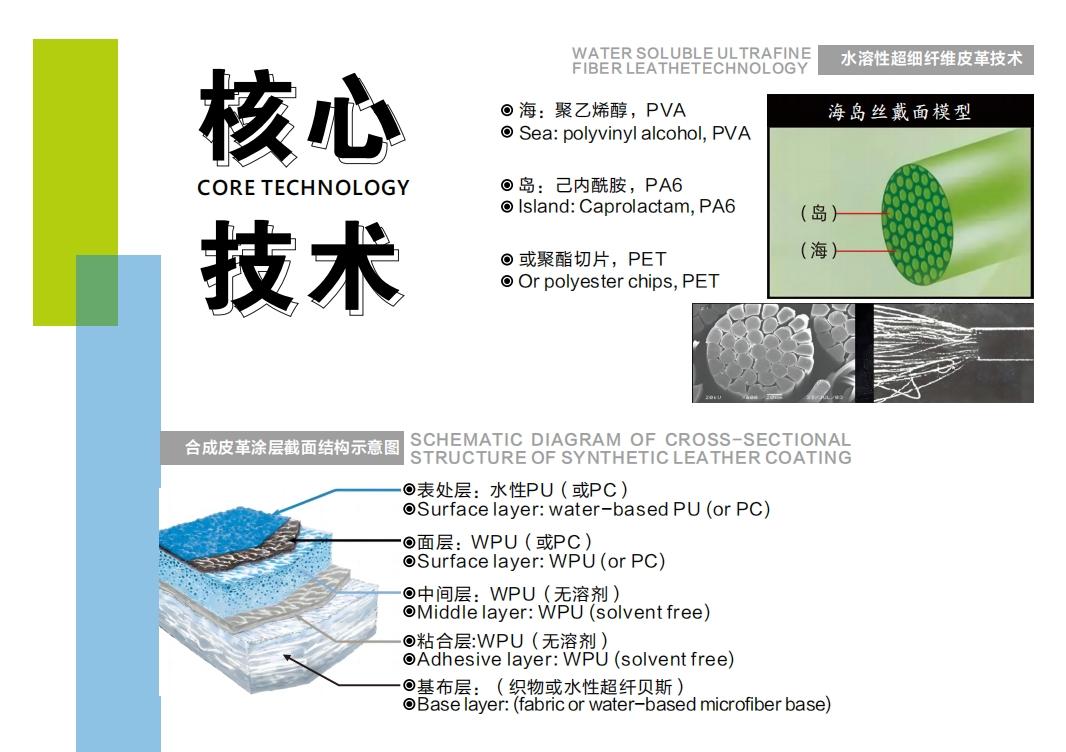
At its core, the technology relies on polymers that can dissolve in water under specific temperature and pH conditions. These water-soluble materials act as a temporary scaffold or support structure during the manufacturing process. One of the most common materials used for this purpose is polyvinyl alcohol, often referred to as PVA fiber. In textile production, it can be spun alongside other fibers to provide strength and stability during weaving or knitting, only to be washed away in a later finishing stage, leaving behind a fabric with unique properties that would be impossible to create otherwise. This sacrificial component is the key to unlocking new textures and performance characteristics.
Introducing Revolutionary Island Fiber
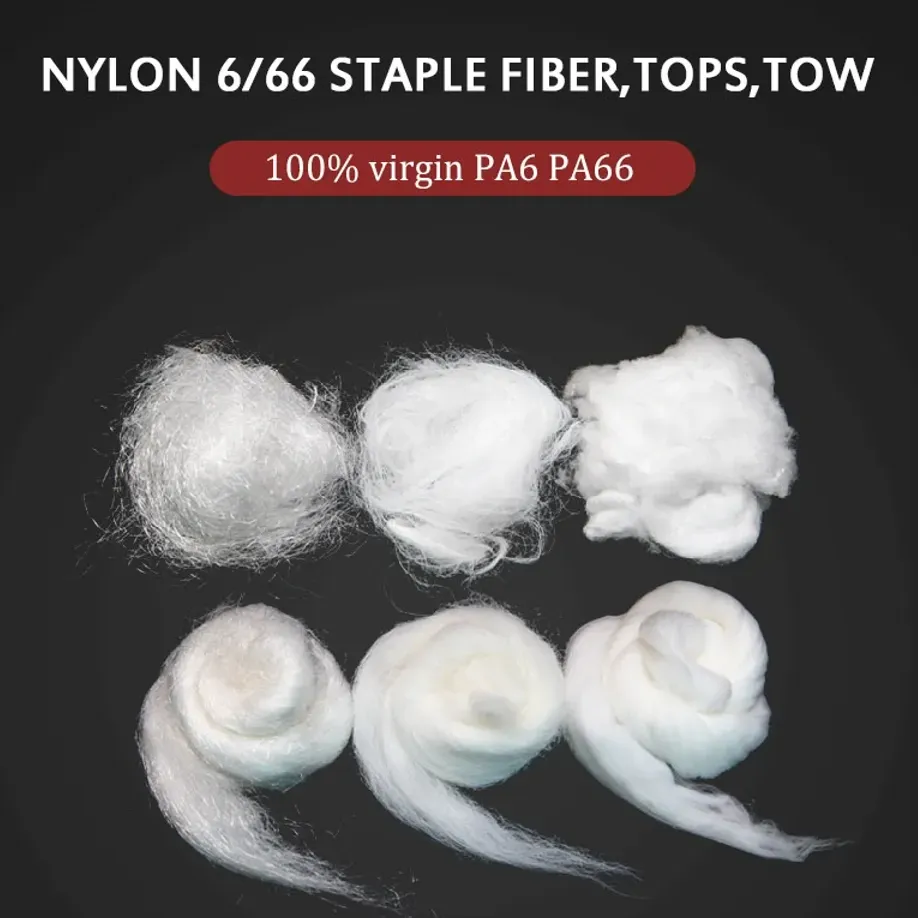
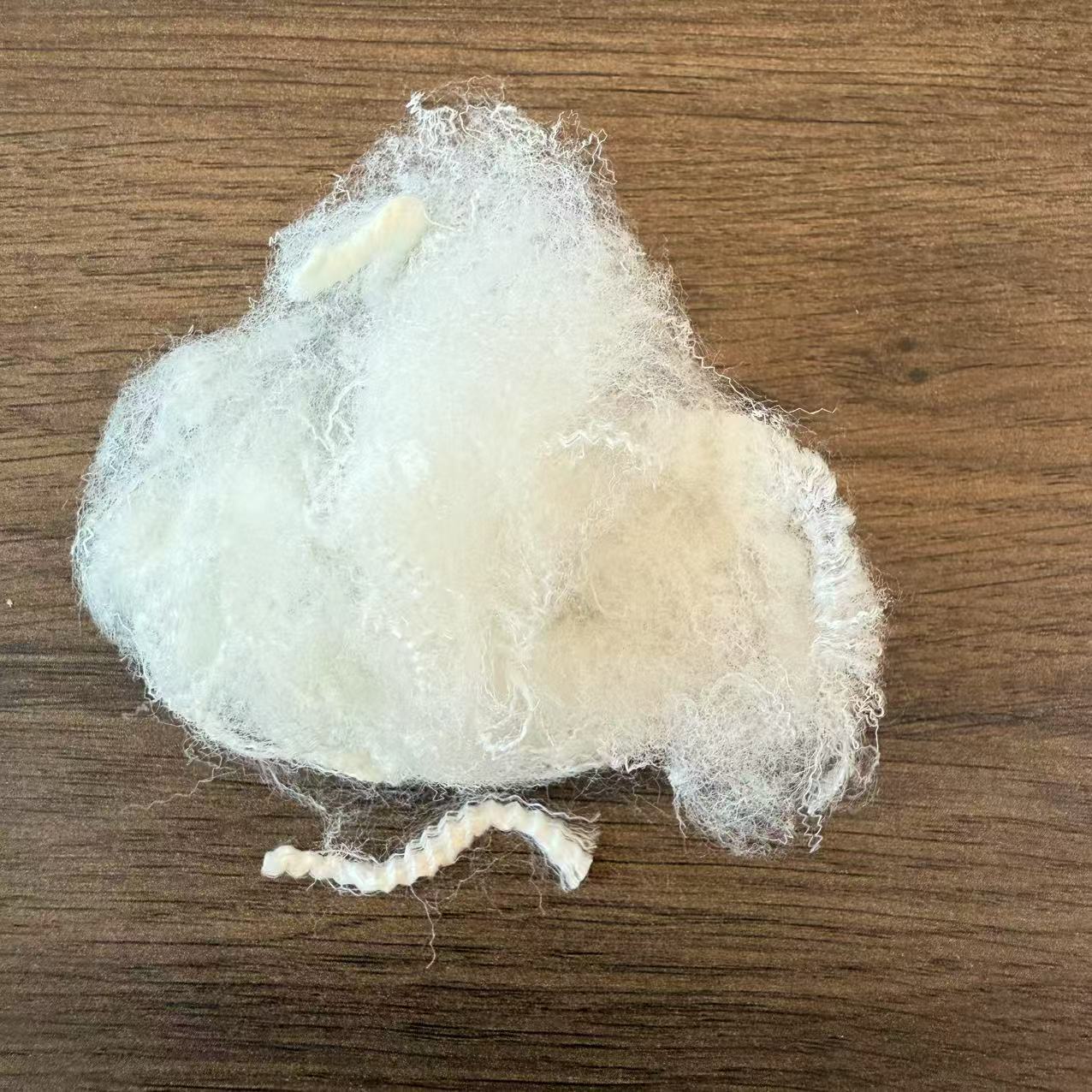
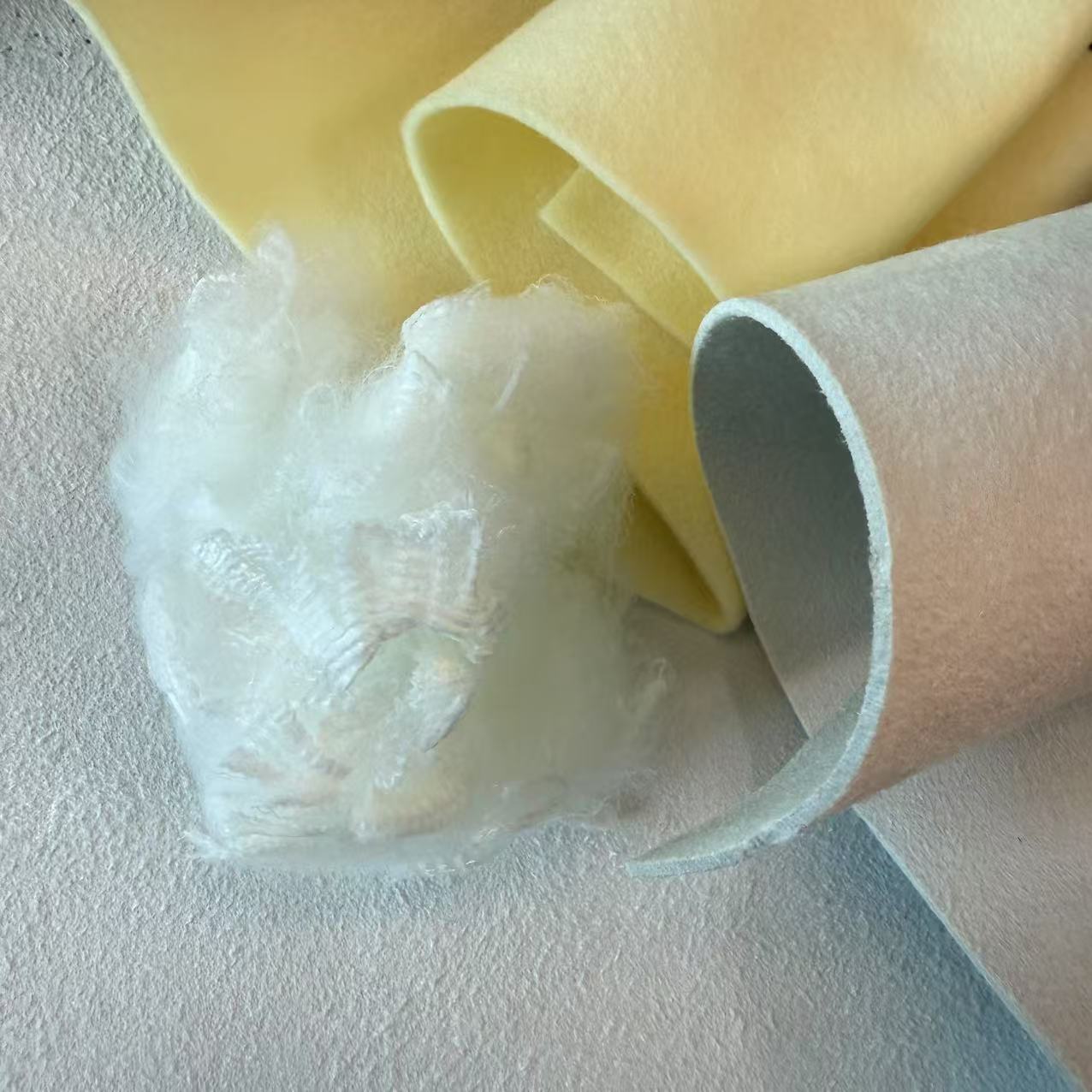
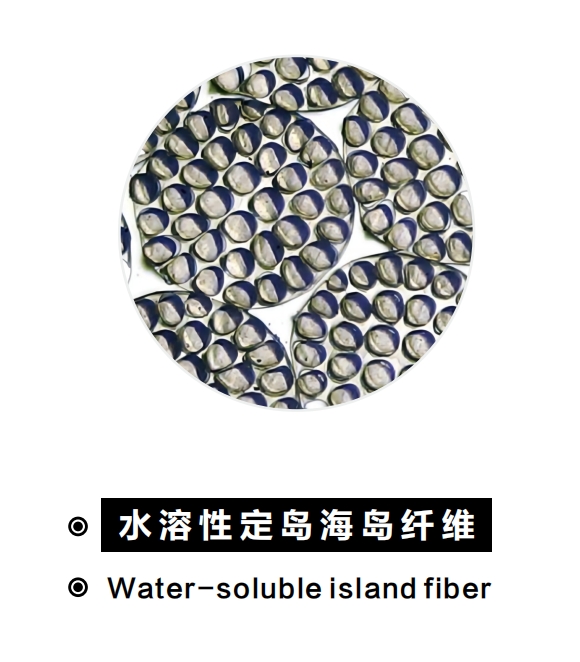
A remarkable application of this technology is the creation of what is known as island fiber. This innovative composite material features a unique “island-in-the-sea” cross-section. In this structure, multiple filaments of a primary material (the “islands”) are embedded within a matrix of a secondary, water-soluble polymer (the “sea”). During production, this composite fiber is handled as a single thread. However, after the fabric is constructed, it is washed. The water dissolves the “sea” component, leaving behind a multitude of ultra-fine microfibers. High-performance polymers like PA6 fiber are often used for the “islands” due to their strength, softness, and durability, resulting in a final material of exceptional quality.
Unlocking Unmatched Softness and Luxury
The primary benefit of using the island fiber method is the ability to produce fabrics with unparalleled softness and a luxurious handle. The resulting microfibers are significantly finer than even silk, creating a textile that is incredibly lightweight, dense, and breathable. This process gives designers access to materials that combine a delicate, cloud-like feel with robust performance. The uniform distribution of the microfibers also ensures consistency and high quality, making it ideal for premium applications where tactile experience is paramount. This technology elevates the standard for what is considered a luxury textile.
Versatility in Modern Applications
The applications for textiles made with water-soluble fiber technology are vast and varied. In the fashion world, they are used to create high-end apparel that drapes beautifully and feels exquisite against the skin. In home goods, they produce ultra-soft towels, plush upholstery, and high-density bedding. Beyond consumer goods, these materials are also finding use in technical fabrics for sportswear, offering a unique combination of breathability and lightweight performance, as well as in advanced nonwovens for industrial and medical applications.
A Commitment to Sustainable Manufacturing
Beyond performance, this technology offers significant environmental advantages. By dissolving the carrier fiber, the process can reduce waste and streamline manufacturing. Furthermore, it can be more energy-efficient compared to traditional mechanical methods of producing microfibers. This aligns with the growing global movement towards more responsible production cycles. As the industry continues to prioritize sustainability, innovations like these, along with the development of biodegradable fibers, are paving the way for a future where high-tech textiles and ecological responsibility go hand in hand, leaving a lighter footprint on the planet.