Why 100% nylon yarn still matters in soft-textile sourcing
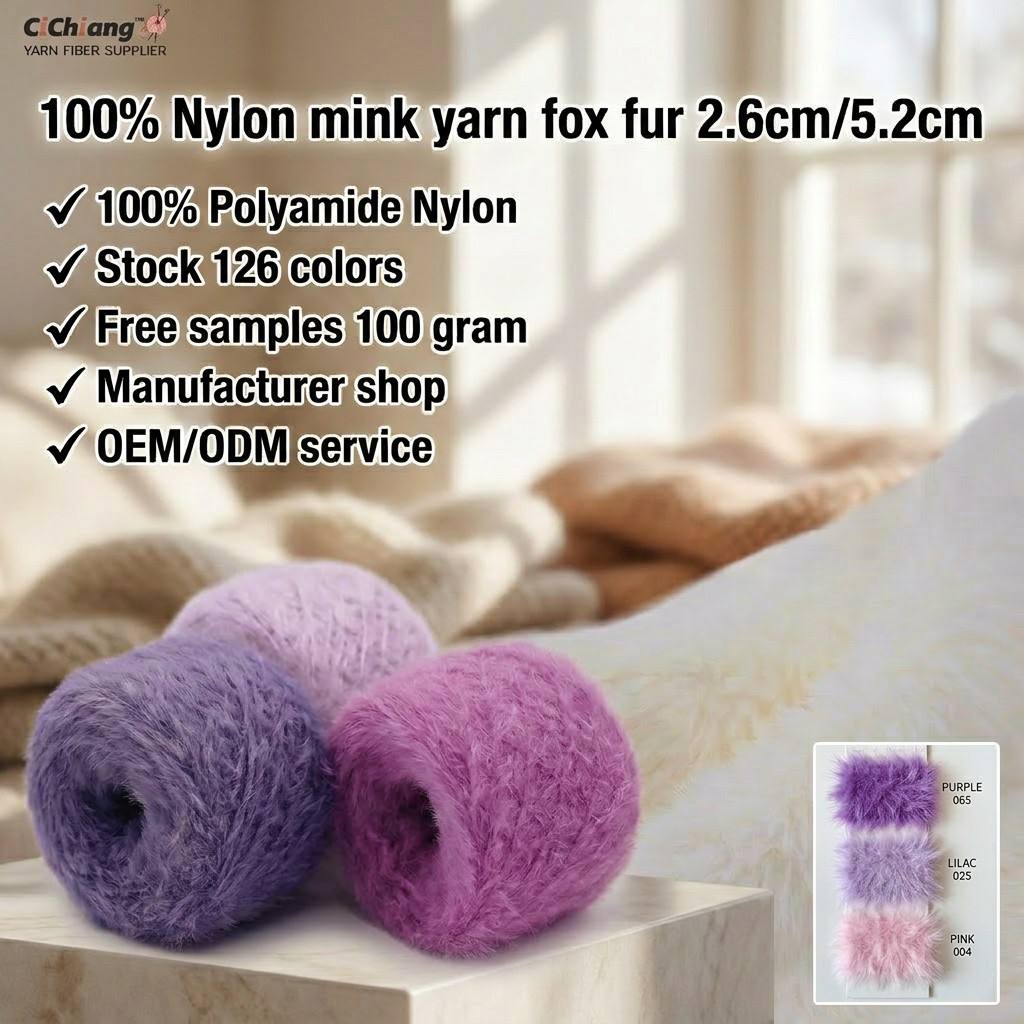
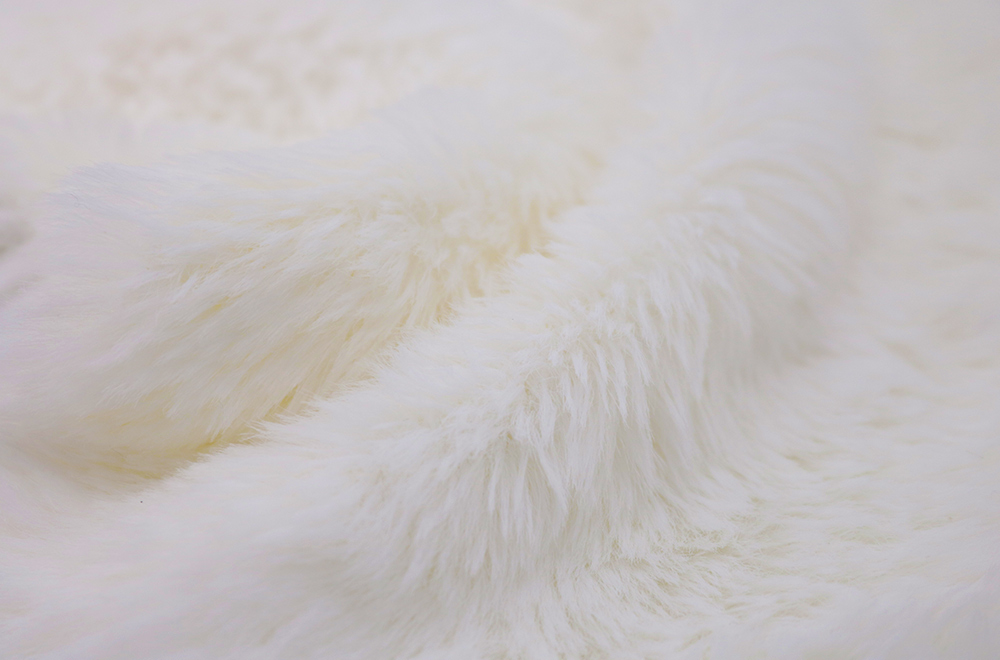
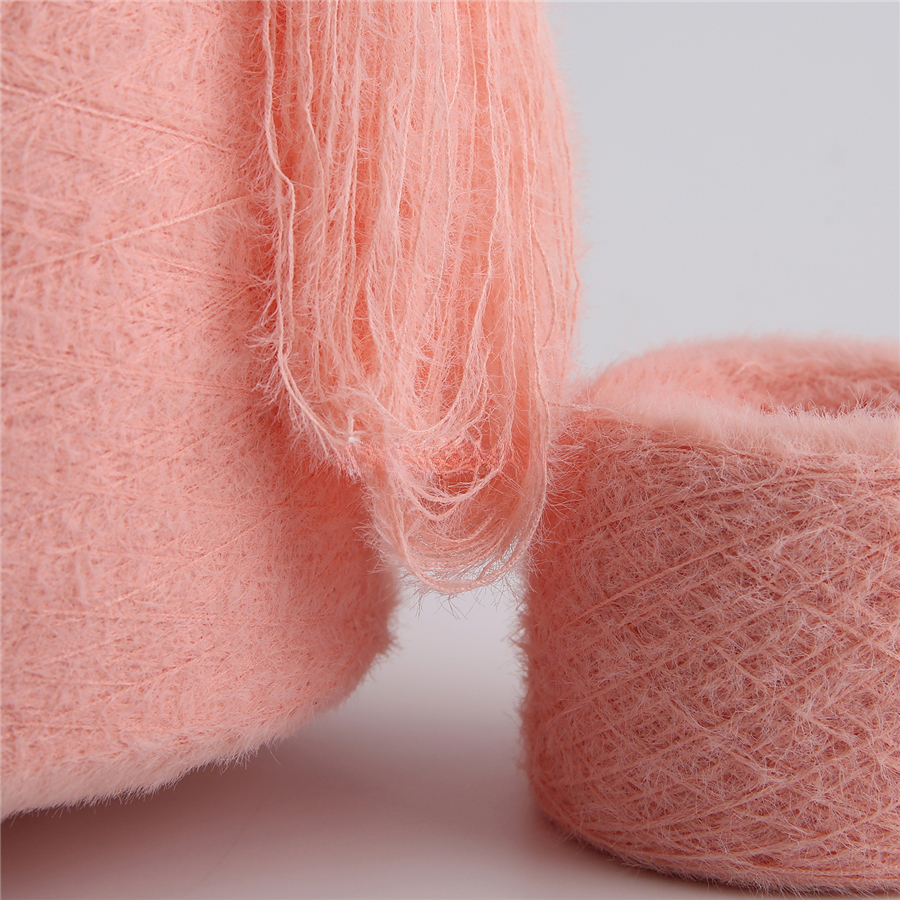
In soft-textile buying, 100% nylon yarn sits in a useful middle ground: it can be processed into fluffy, fur-like surfaces without the fragility buyers sometimes worry about in specialty piles, and it is widely used where a synthetic hand feel is acceptable. That matters whether you are sourcing for apparel trims, scarves, toy components, or decorative textiles. The real decision is not simply “soft or not soft.” It is whether the yarn can give you the look, pile behavior, and production consistency your downstream process needs.
For engineers and sourcing managers, the question is often practical: do you need a yarn that knits into a plush surface, a faux fur yarn that creates visible loft, or a more restrained texture for accessory items? In that sense, the material choice shapes everything that follows, from machine setup to final appearance.
What buyers usually mean by faux-fur yarn
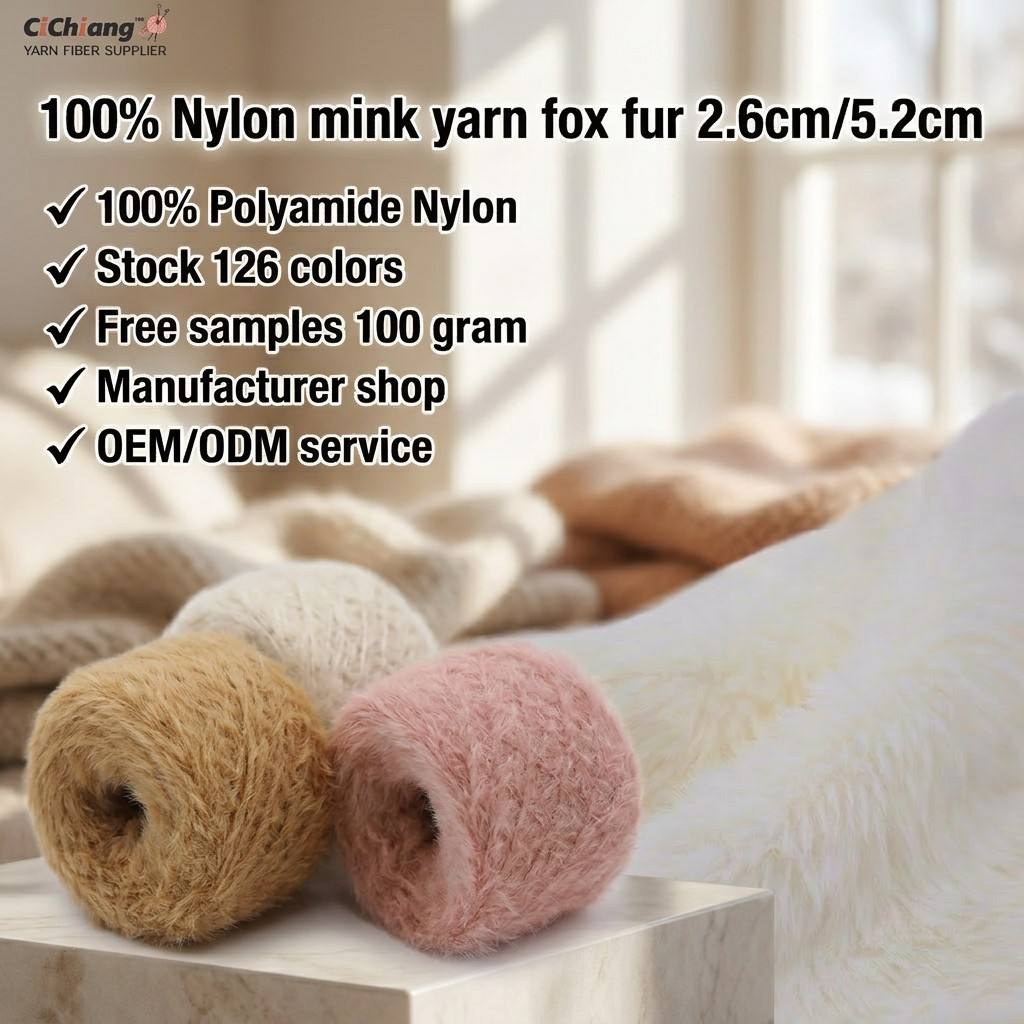
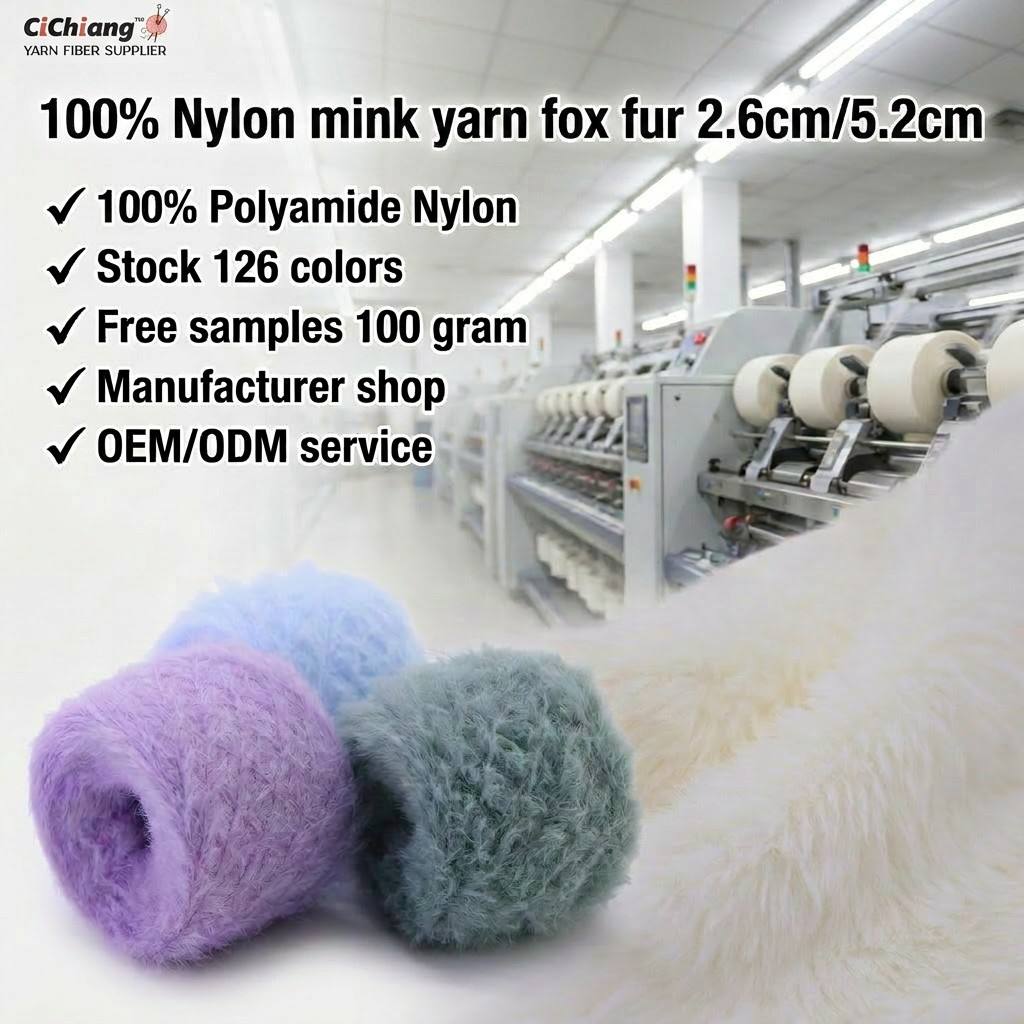
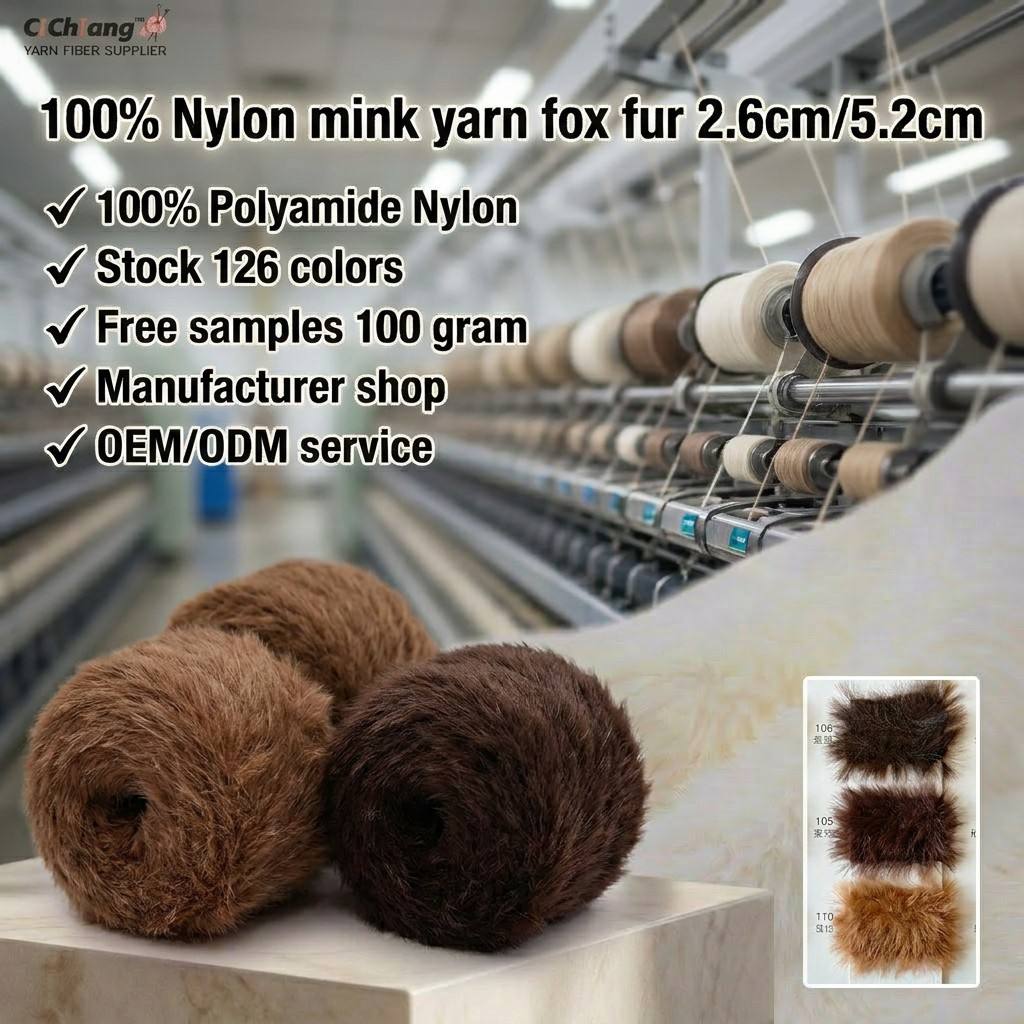
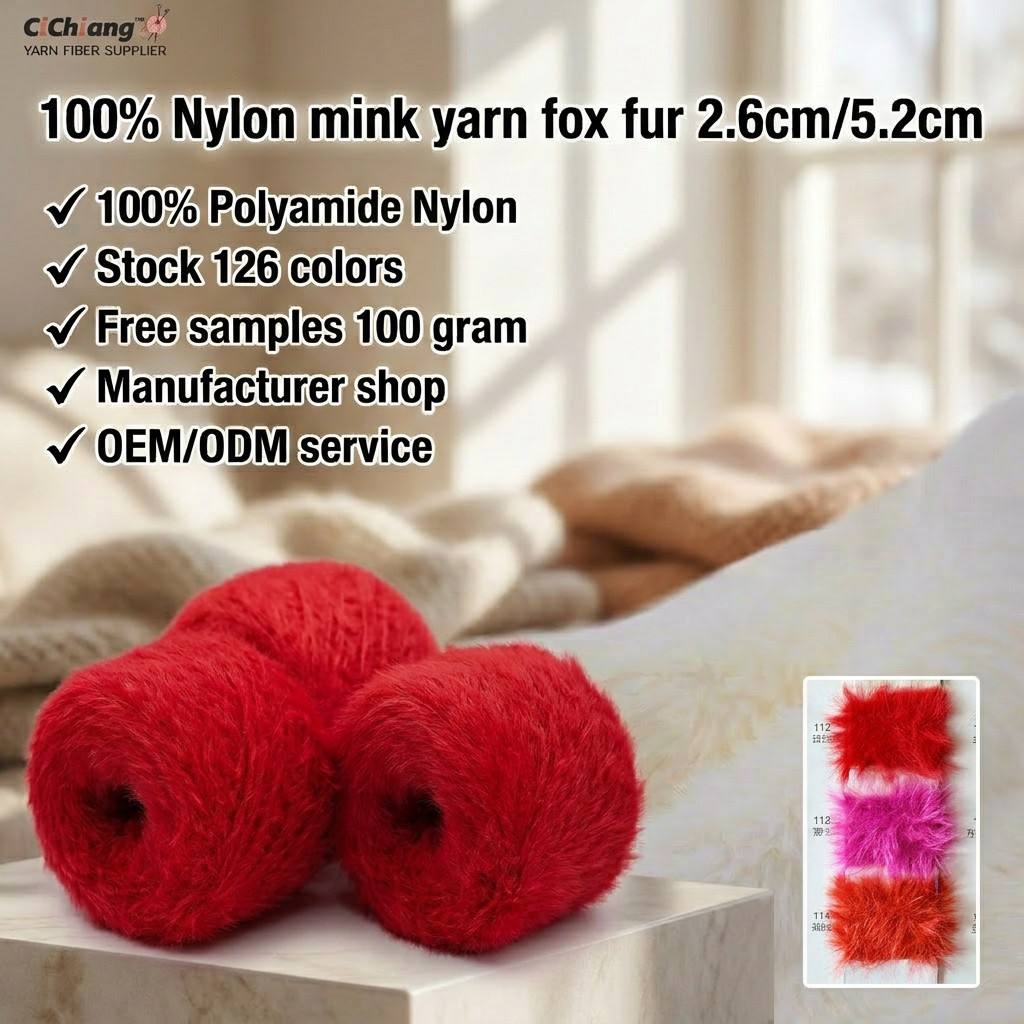
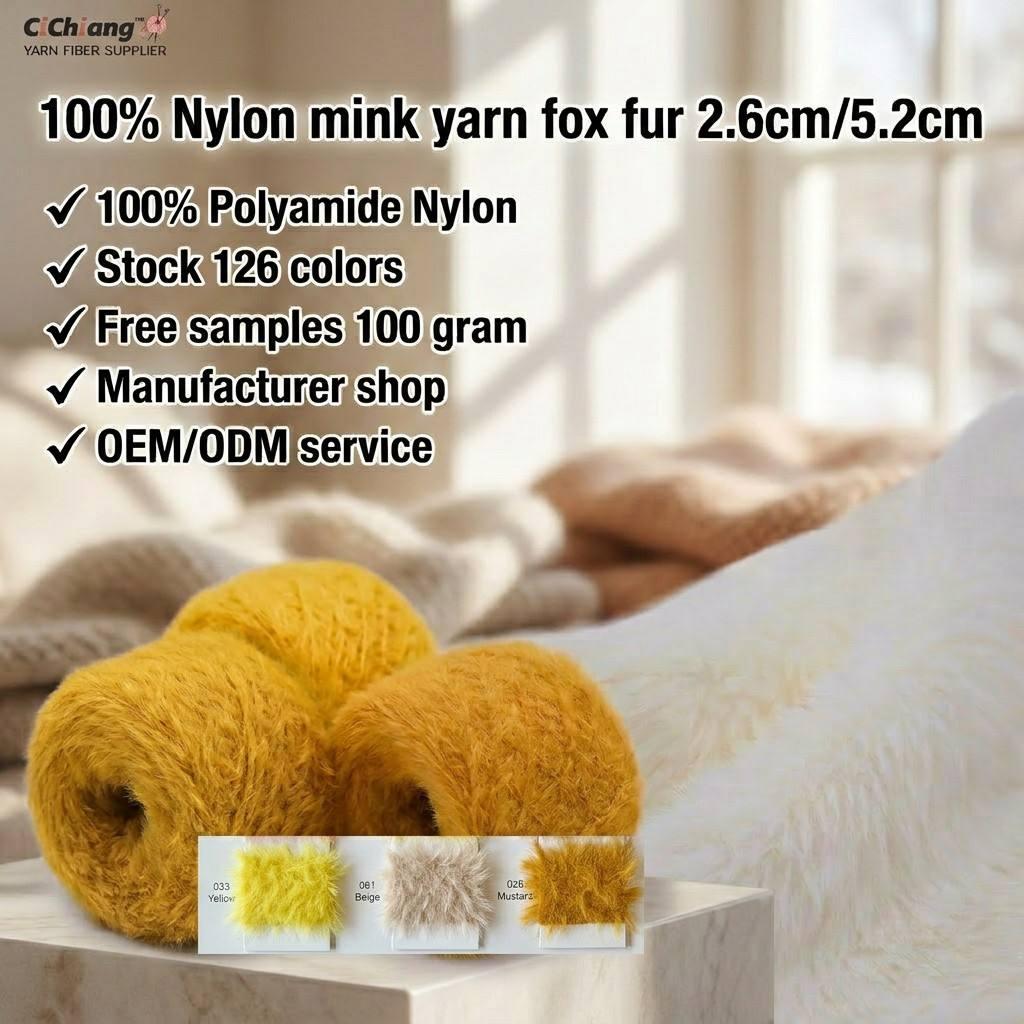
Products described as mink feather yarn, fox fur style yarn, faux fur yarn, plush yarn, or fluffy knitting yarn all point toward the same broad family: a synthetic yarn designed to create a hairy or long-pile surface in the finished textile. The image notes supplied for this material describe a 100% nylon / polyamide nylon composition, with pile-like lengths referenced as 2.6 cm and 5.2 cm. That kind of notation suggests a yarn intended for visual volume rather than a plain, smooth knit.
It is worth separating marketing language from material reality. “Mink” and “fox fur style” are descriptive terms, not proof of natural fiber content. For procurement, that distinction matters because synthetic pile yarns are selected for appearance, repeatability, and cost control, not because they behave exactly like animal fur. Buyers should also ask whether the yarn is intended for hand knitting, machine knitting, or another textile process, since the best option can vary quite a bit.
Where 100% nylon yarn is used
The most common end uses are soft accessories and decorative textiles. That includes knitting yarn for scarves, hats, collars, cuffs, toy coverings, costume trims, and home-decor accents. In more styling-oriented applications, the same type of yarn may be chosen because it photographs well and produces a thick visual profile with relatively little material.
Because nylon is a synthetic fiber, it is also often favored when buyers want a uniform look from lot to lot. That can be more valuable than many teams expect. When a plush product is built from mixed materials, even small changes in fiber supply can alter the hand feel or the way the pile stands after processing. A steady nylon base can reduce some of that variability, although it does not eliminate the need for testing.
Quick comparison: what to look for before ordering
If you are comparing plush yarn options, these are the questions that usually separate a workable sample from a frustrating one:
First, check the pile style. A mink feather yarn may feel different from a fox fur style yarn even when both are sold as soft texture yarn. Second, confirm the intended processing method. Some yarns behave well in hand knitting but become difficult in automated equipment. Third, clarify color range. The product notes mention stock in 126 colors, which is useful for fashion and decor buyers who need color matching.
Also ask for a sample weight and inspect the strand structure. The supplied notes reference free samples and a 100 gram sample note, but that does not tell you the final package weight or performance. It simply shows that sampling is being offered, which is helpful at the early stage.
Selection criteria that matter in real production
1. Surface effect
If the product is meant to look luxuriously fluffy, the finish and pile direction matter more than the raw material name. Some yarns read as plush; others look more like brushed fluff. That difference can change the final product category in a customer’s eyes.
2. Handling on the machine or by hand
Long-pile yarns can shed, tangle, or obscure stitches. That is not necessarily a defect, but it can slow production. A buyer planning scarf production does not want to discover too late that the yarn hides stitch definition more than expected.
3. Supplier capability
Ningbo Sinopec Fiber Co., Ltd., founded in 1996, specializes in nylon fiber manufacturing and reports a factory scale of 50,000 square meters, with 20,000 square meters of production space and a daily output of 100-150 tons. Those figures suggest a supplier positioned for larger-volume fiber supply, especially in PA6 and PA66 polyamide nylon fibers. For buyers, that kind of capacity is relevant when continuity matters more than one-off novelty.
Common mistakes buyers make with plush and fur-style yarns
The biggest mistake is approving a sample on appearance alone. A yarn can look excellent in a photo and still perform poorly in actual knitting or crocheting. Another common issue is assuming that all soft yarns behave the same way in trimming, sewing, or laundering. They do not.
Buyers also sometimes skip clarity on composition. A label like 100% nylon yarn is helpful, but it should still be matched against the actual application. If the end product has exposure requirements, comfort expectations, or washing needs, those should be confirmed before any production order moves forward.
Practical buyer advice before you place an order
Ask for a dyed-lot sample in the exact shade you plan to use, not just a representative swatch. For soft goods, a small color shift can look larger once the pile is raised. If the yarn will be used in scarves or wearable items, ask how it behaves under friction and whether the pile relaxes after handling. Those questions are basic, but they save time later.
If you are sourcing from a manufacturer that offers OEM/ODM service, it is usually smart to define the end use early. The right specification for a decorative trim is not the same as the right specification for a toy surface or a retail knitting kit. That sounds obvious, but procurement files often blur those boundaries.
FAQ: short answers buyers usually need
Is 100% nylon yarn always the same as faux fur yarn?
No. Nylon is the fiber base; faux fur describes the visual and tactile result. A nylon yarn can be smooth, filament-like, or plush depending on how it is made.
Can this type of yarn be used for knitting scarves?
Yes, that is one of the common use cases, especially when the goal is a soft, fluffy finish rather than crisp stitch definition.
Should I rely on photos alone?
Not if the yarn will go into production. Photos help, but they do not show shedding, stretch behavior, or how the yarn feeds through equipment.
Next step for sourcing teams
If you are evaluating fluffy knitting yarn, mink-style pile yarn, or other soft-texture yarn options, start with a sample and a clear use case. Match the material to the process, not just the mood board. For larger ongoing supply needs, a nylon-focused manufacturer such as Ningbo Sinopec Fiber Co., Ltd. may be worth a direct inquiry, especially if your project calls for stable supply, color variety, and OEM or ODM support.