Why buyers look at 100% nylon yarn when they need a fur-like finish
When sourcing 100% nylon yarn, most buyers are not chasing fiber content for its own sake. They are trying to solve a surface problem: how to get a soft, fluffy, visually rich textile effect without relying on natural fur or a fragile decorative yarn. That is where mink feather yarn, fox fur style yarn, faux fur yarn, and other novelty constructions tend to enter the conversation. The appeal is obvious enough, but the decision is less simple than it looks. The right yarn has to be soft enough for a scarf, dense enough for a trim, and stable enough that the pile does not shed itself into the next room.
Ningbo Sinopec Fiber Co., Ltd. is a nylon fiber manufacturer founded in 1996, with a factory footprint of 50,000 square meters and a stated daily output of 100-150 tons, mainly in PA6 and PA66 polyamide nylon fibers. That background matters because a buyer comparing decorative yarn options is not only comparing feel and color. They are also comparing supply capacity, consistency, and whether a producer understands the fiber side of the business rather than just the appearance of a finished skein.
What this type of yarn is typically used for
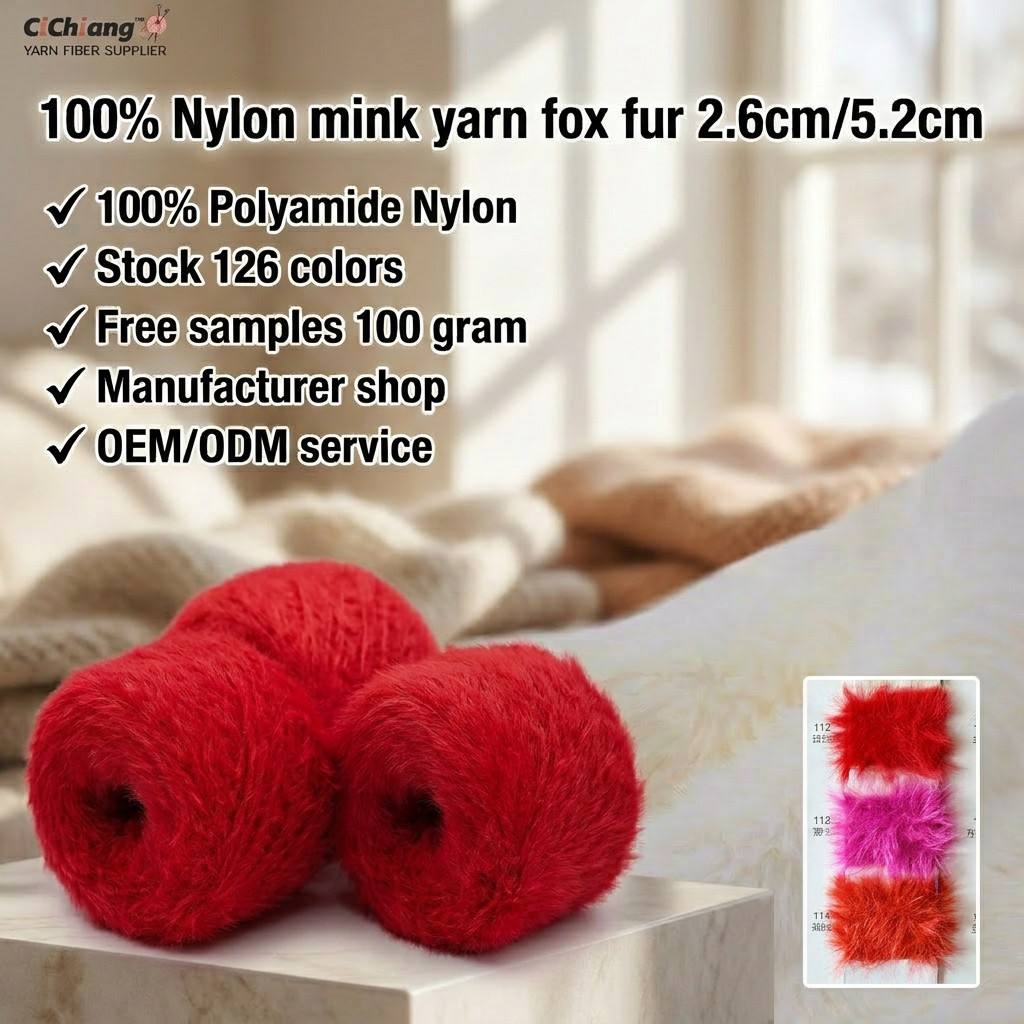
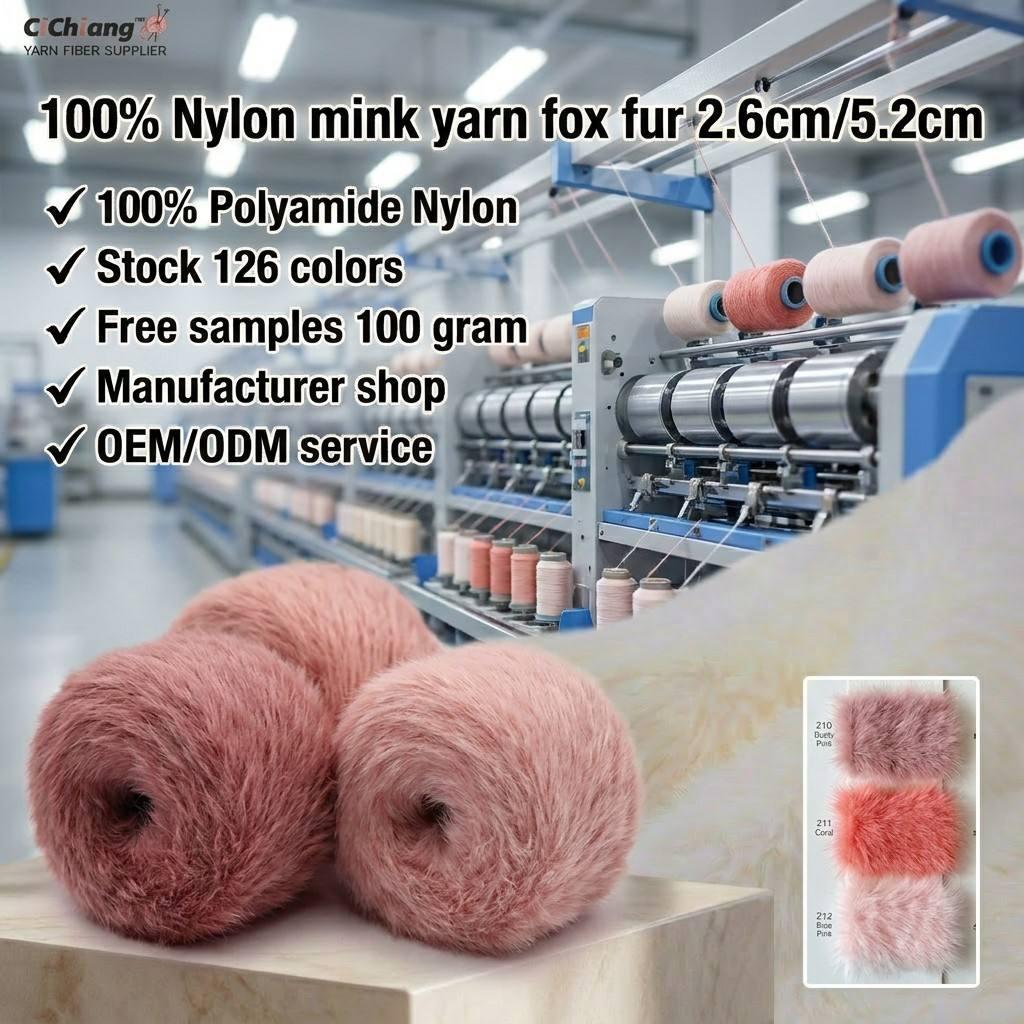
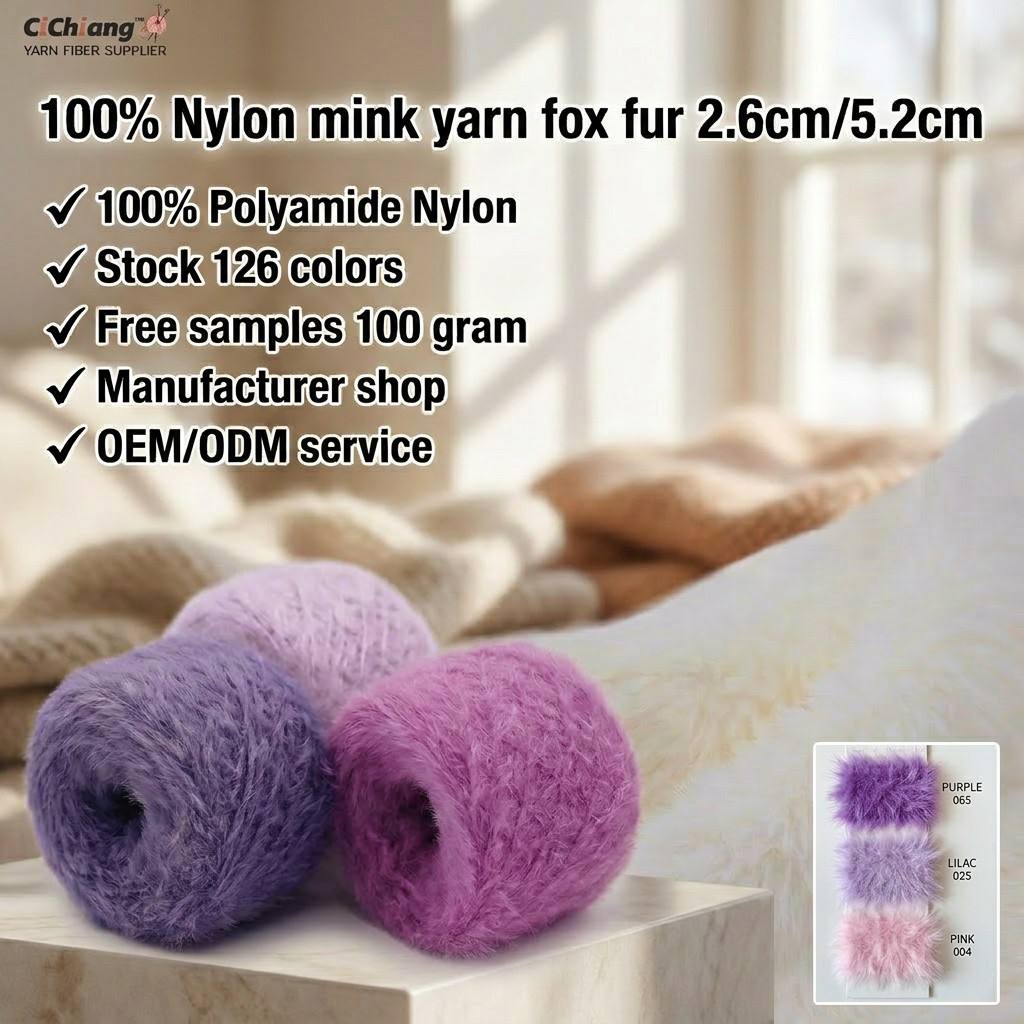
From the product details provided, the material is positioned as a mink-style faux fur yarn for knitting, crochet, and textile decoration. In practical terms, that puts it in the category of soft texture yarn that aims to create a plush surface rather than a smooth, tightly defined stitch structure. It is used where visual warmth matters: scarves, hats, trims, toys, blankets, cushions, and display pieces. For buyers in craft supply, knitwear, or home textile channels, this is often a “feel and effect” purchase first, and a technical purchase second.
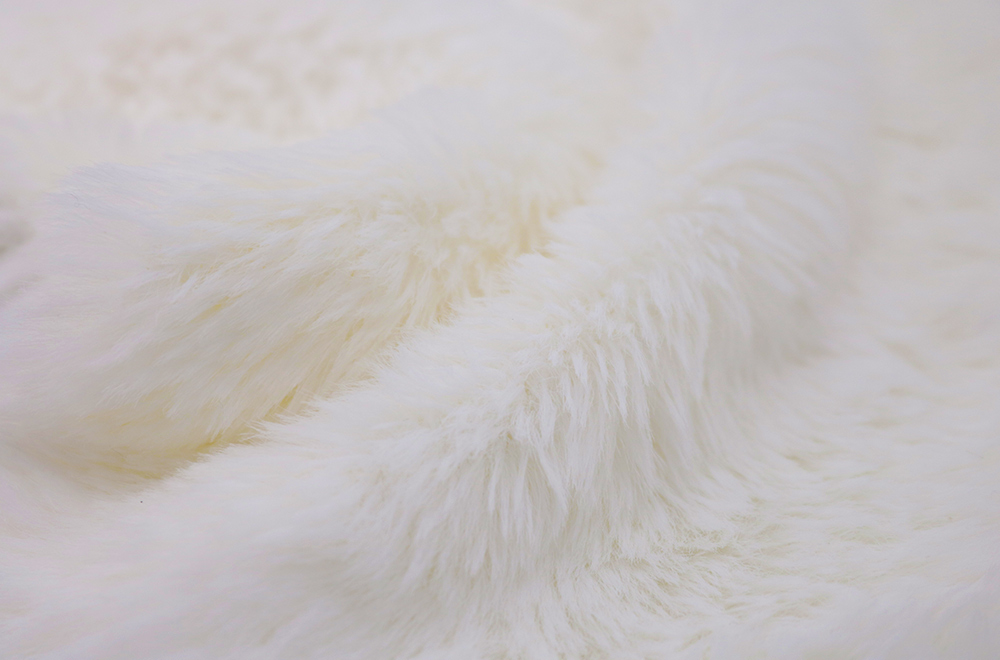
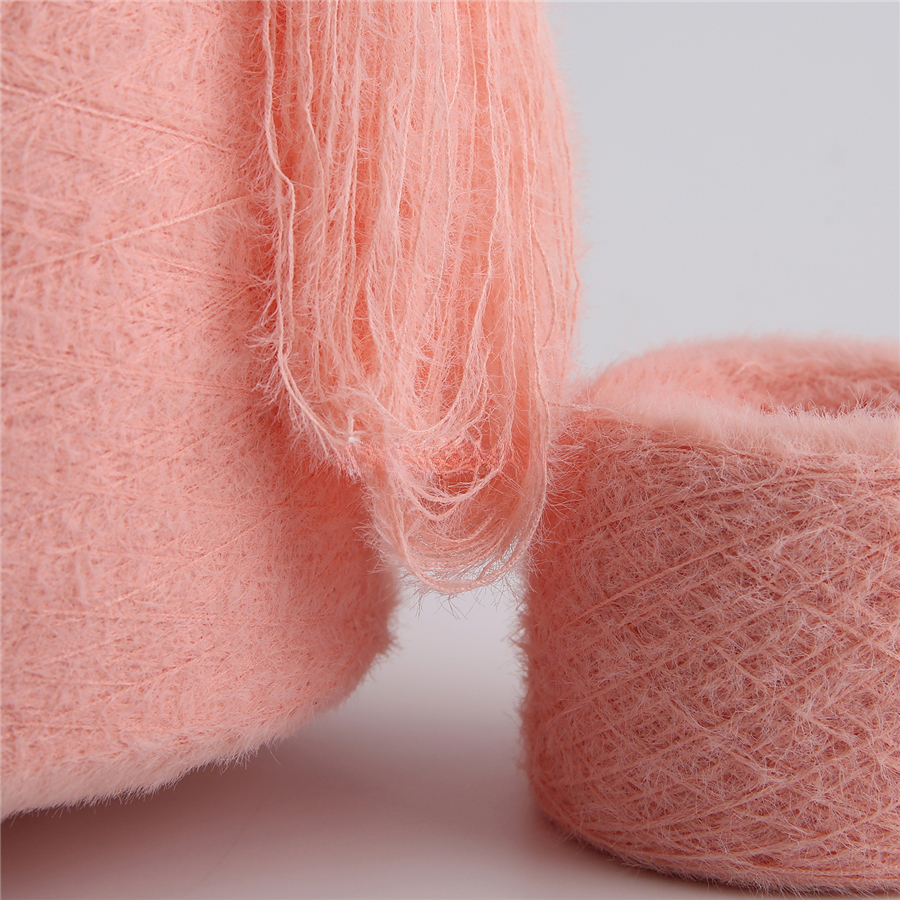
The same logic applies to softer decorative fiber materials more broadly. A pale pink fuzzy roll, a white fluffy synthetic textile, or a brushed pile sample may all look similar at first glance, but the end use can differ sharply. One may suit product photography styling. Another may be better for costume trim or a lining accent. A third may be intended for wrapping or nonwoven decoration. The surface tells you a lot; the backing, density, and fiber makeup tell you the rest.
Quick buyer comparison: what to look at before you order
Appearance
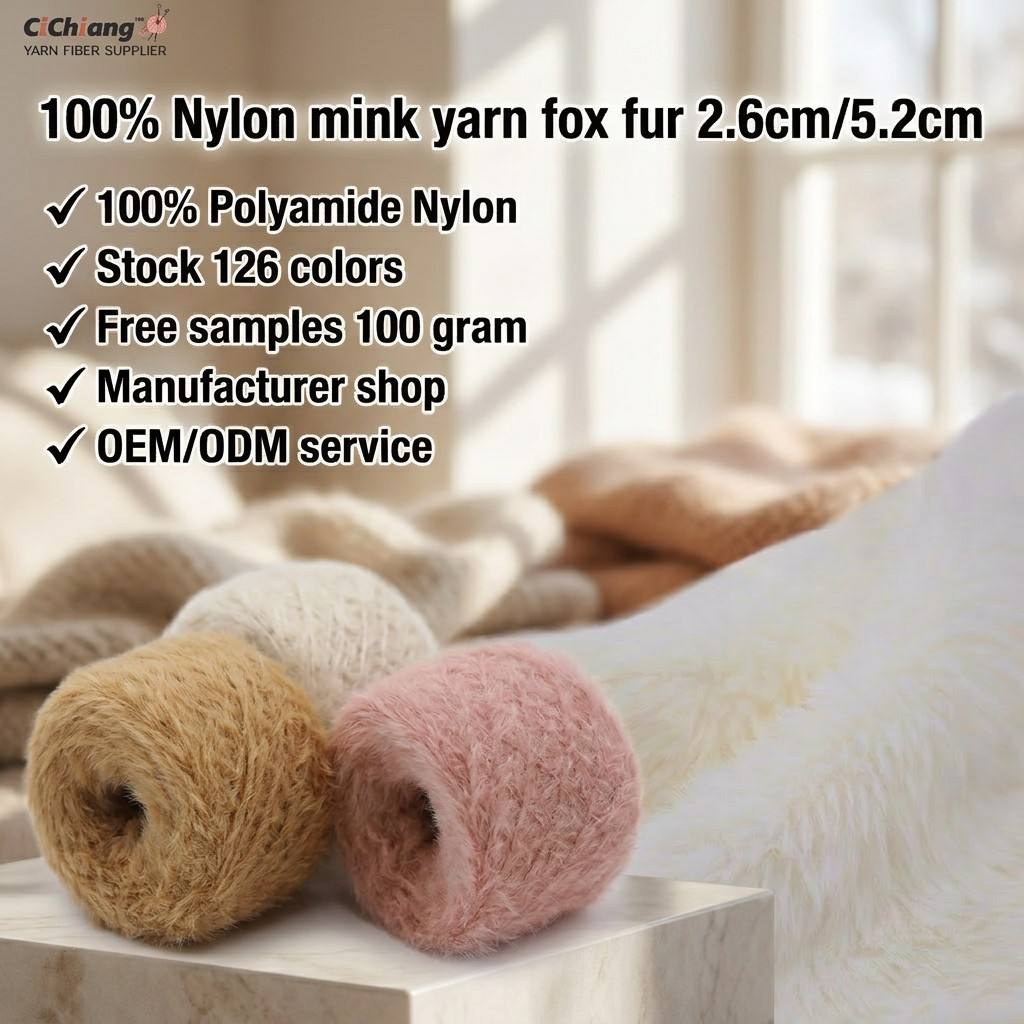
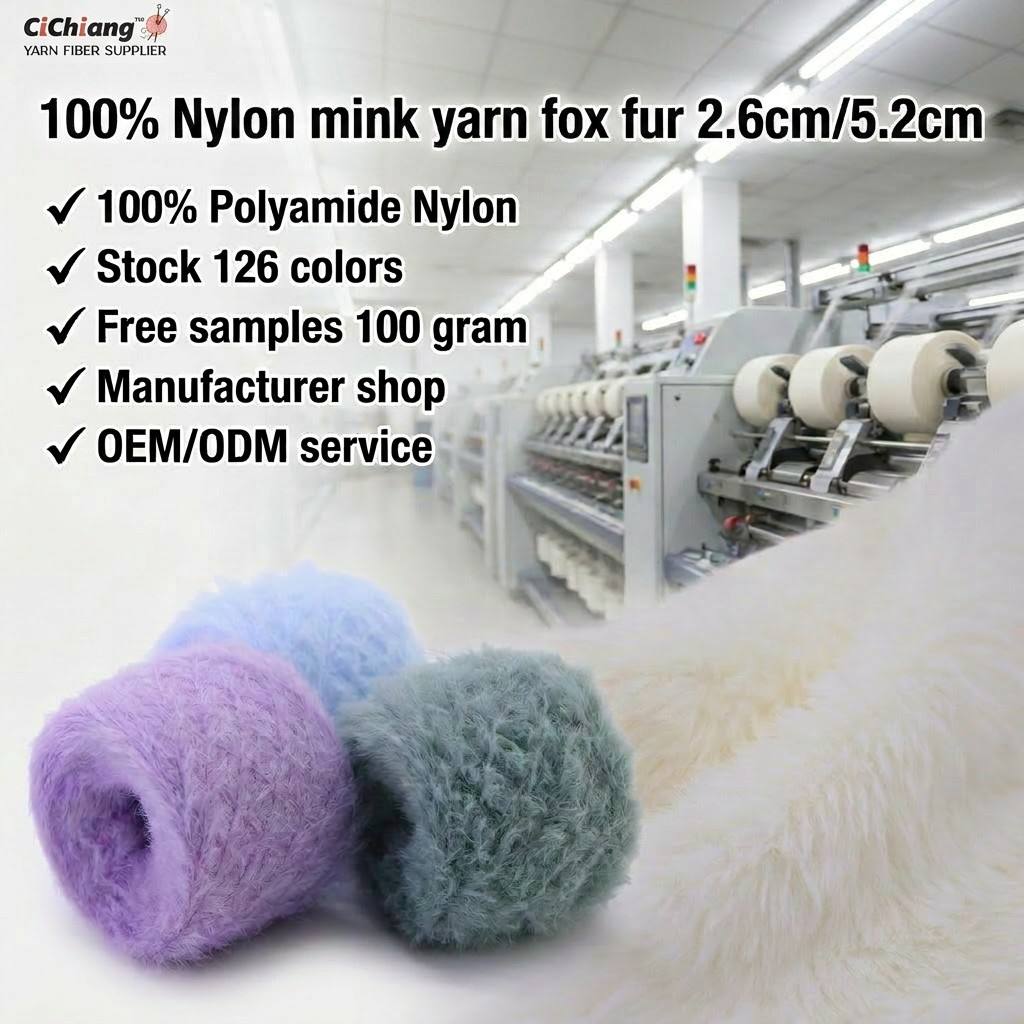
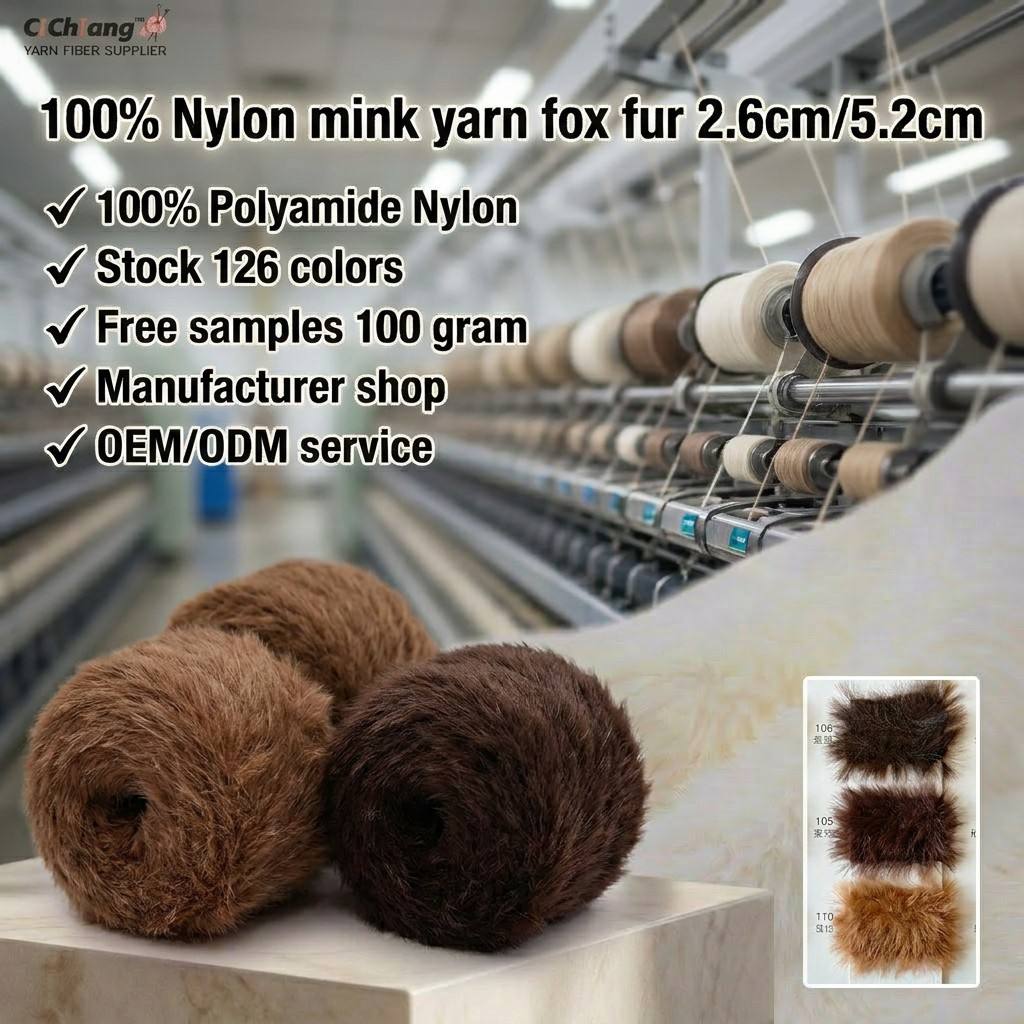
For fur-style yarn, the visual hand is the first filter. Long pile, dense coverage, and even color distribution usually matter more than a perfectly tidy twist. The image data suggests multiple shades, including purple, lilac, and pink, plus a listed stock range of 126 colors. That is useful for buyers assembling seasonal assortments or matching a fashion line.
Fiber content
The supplied yarn information identifies the material as 100% nylon, also described as polyamide nylon. That is a meaningful distinction. Nylon is widely used in synthetic textile applications where a soft, brushed, or fluffy effect is needed. Still, buyers should not assume all 100% nylon yarns behave the same way. Construction, pile style, and finishing can change the result just as much as base fiber content.
Process and service scope
The manufacturer information suggests a firm built around nylon fiber production, with engineering support and long-term partnership in mind. For sourcing teams, that usually signals a better chance of repeatable supply and color matching than a one-off trading listing. OEM/ODM service is mentioned in the product data, which may matter if you need private-label development or a custom color program.
Where buyers can go wrong
The most common mistake is treating faux fur yarn like ordinary knitting yarn. It is not. The pile can hide stitch definition, the final fabric can be bulkier than expected, and gauge assumptions are often optimistic. Another easy miss is buying on softness alone. A yarn can feel pleasant in a small sample and still prove awkward in production if it sheds excessively, tangles during knitting, or creates uneven edges. None of those issues can be ruled out from a photo, so the cautious buyer asks for a sample, then tests it in the actual process route.
Also, do not assume that a fluffy sample card tells you everything. The provided material notes mention a 2.6 cm / 5.2 cm reference, which may relate to pile length or a sizing specification, but the exact meaning is not fully clear. That is the kind of detail worth confirming before you commit to bulk purchasing.
Practical sourcing advice for engineers and product teams
If you are buying for scarves, fashion accessories, or decorative home goods, ask for a real sample and inspect three things: consistency of pile, color stability across dye lots, and how the yarn behaves after handling. If you are developing a trim or a costume component, check whether the yarn can be integrated cleanly with your base fabric. If you are sourcing for toys or giftware, confirm the safety and compliance requirements separately rather than assuming the yarn specification covers them.
For wholesale buyers, the stronger supplier is often the one that can speak clearly about fiber base, production scale, and color availability without overpromising on performance claims. Ningbo Sinopec Fiber Co., Ltd. positions itself as a nylon fiber specialist with established production capacity, which is a useful starting point when you need long-term supply rather than a one-time novelty purchase.
FAQ
Is 100% nylon yarn the same as faux fur yarn?
Not always. Faux fur yarn is a product style; 100% nylon describes the fiber content. Many fur-style yarns use nylon, but the construction and finish still define the final effect.
Can this type of yarn be used for scarves?
Yes, knitting yarn for scarves is one of the common use cases for fluffy novelty yarn, provided the pattern and user expectations fit the bulky, plush look.
Can you identify the exact backing or pile structure from the image?
No. The visible data suggests a fluffy, long-pile synthetic textile, but the base construction is not confirmed.
What to request next
If you are evaluating a supplier for mink feather yarn or other faux fur yarn programs, ask for samples, available color cards, and clarification on the 100% nylon specification before discussing bulk orders. For development work, it is better to align on appearance, application, and production route early than to discover later that the yarn’s softness was never the only issue.