Top 10 Insights into 28S Core Spun Yarn and Its Textile Applications
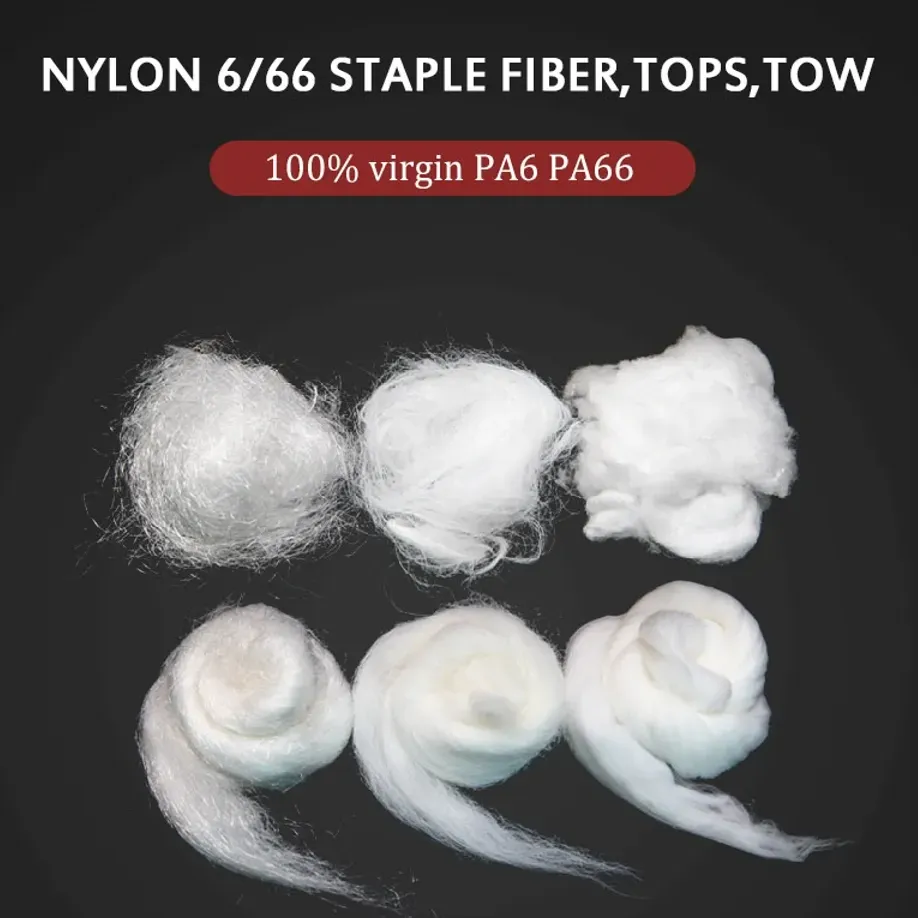
Discover the versatility of 28S core spun yarn, a staple in modern textile production that blends strength and comfort seamlessly. At Ningbo Sinopec Fiber Co., Ltd., we specialize in high-quality nylon fibers like PA6 and PA66, which form the backbone of innovative yarns such as this. Founded in 1996, our company has grown to employ 150 dedicated professionals, including 20 skilled engineers, operating from a 50,000 square meter facility with 20,000 square meters of cutting-edge production space. With a daily output of 100-150 tons, we're committed to delivering premium materials that meet global standards. This listicle explores key aspects of 28S core spun yarn, drawing from our expertise in nylon fiber manufacturing to help you understand its value in knitting and beyond.
1. Understanding 28S Core Spun Yarn Basics
Core spun yarn features a central core wrapped by outer fibers, providing exceptional durability. The 28S designation refers to its fineness, with 28 hanks per pound, making 28S core spun yarn ideal for medium-weight fabrics. In our production process at Ningbo Sinopec Fiber Co., Ltd., we use high-strength nylon cores to ensure the yarn withstands rigorous use while maintaining a soft hand-feel. This construction prevents breakage during weaving or knitting, offering a reliable option for textile enthusiasts and manufacturers alike.
2. Exploring 48Nm Core Spun Yarn Variations
While 28S core spun yarn suits broader applications, 48Nm core spun yarn offers finer counts for delicate work. Nm metrics measure metric hanks, so 48Nm is thinner than 28S equivalents, perfect for lightweight garments. Our nylon fibers enhance 48Nm core spun yarn's tensile strength, allowing it to be used in high-end fashion without compromising quality. This variation highlights how count specifications adapt to specific needs, from apparel to technical textiles.
3. Key Core Spun Yarn Specifications to Know
Core spun yarn specifications include twist levels, core material, and sheath composition. For 28S core spun yarn, typical specs involve a nylon or polyester core wrapped in cotton or wool for aesthetics. At our facility, we adhere to strict standards ensuring elongation under 20% and breaking strength above 15 cN/tex. Understanding these core spun yarn specifications helps buyers select yarns that align with their project's durability and comfort requirements, much like our premium PA6 fibers.
4. Common Textile Yarn Types and Their Roles
Textile yarn types range from ring-spun to open-end, but core spun stands out for its hybrid strength. Unlike single-ply yarns, 28S core spun yarn combines the resilience of synthetics with natural fiber appeal. In our lineup at Ningbo Sinopec Fiber Co., Ltd., we produce fibers that integrate into various textile yarn types, supporting everything from casual wear to industrial uses. This diversity makes core spun a go-to for versatile manufacturing.
5. Ideal Yarn for Knitting Projects
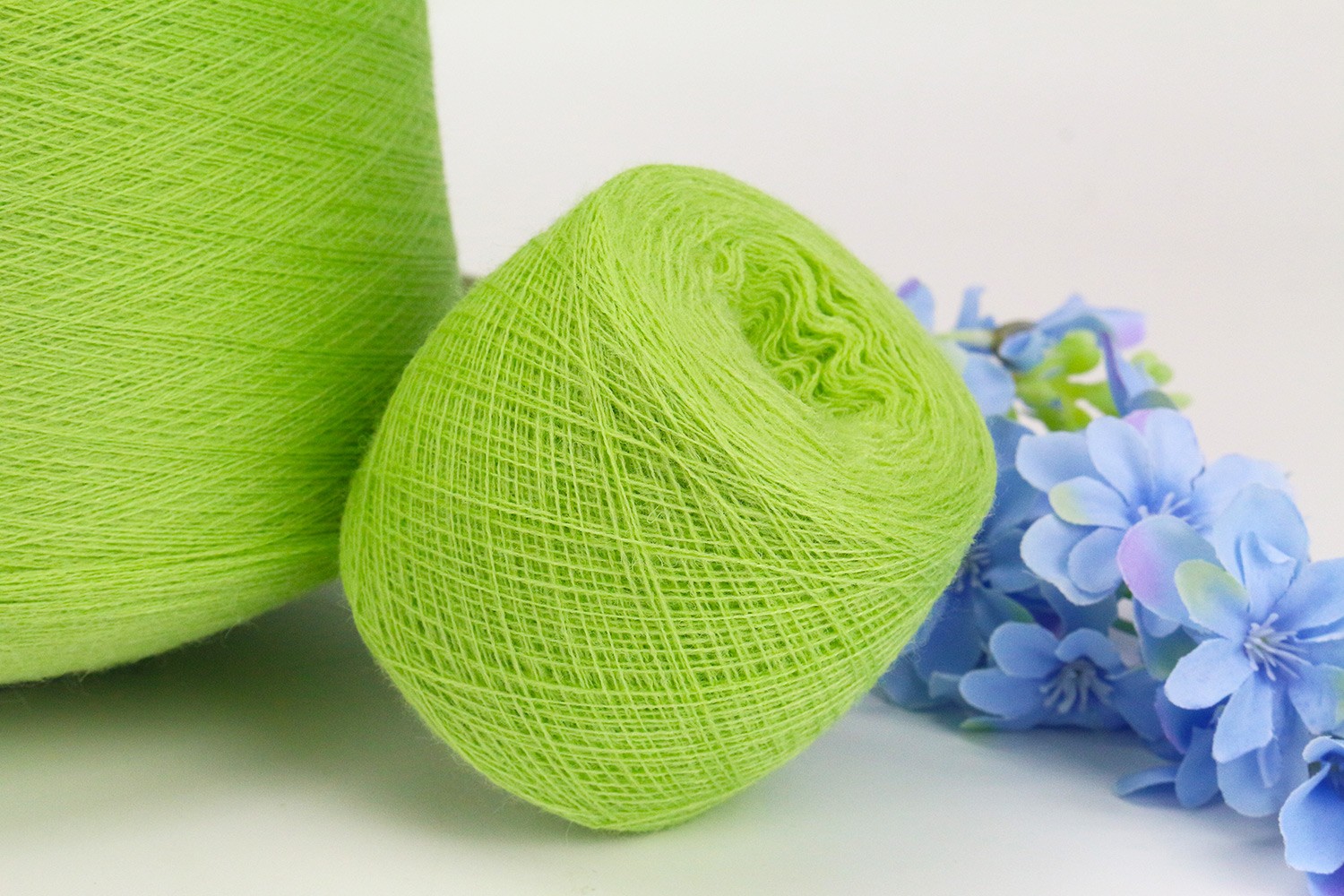
Yarn for knitting demands flexibility and even tension, where 28S core spun yarn excels. Its balanced thickness prevents snagging on needles, ideal for sweaters or scarves. Drawing from our green-hued yarn innovations, this type adds vibrant color retention during knitting. Knitters appreciate how our nylon-based cores ensure the yarn for knitting holds shape after multiple washes, enhancing longevity in handmade pieces.
6. The Yarn Manufacturing Process Unveiled
The yarn manufacturing process for 28S core spun yarn starts with core fiber extrusion, followed by sheath fiber drafting and twisting. At Ningbo Sinopec Fiber Co., Ltd., our 20 engineers oversee advanced machinery that achieves precise 28S counts daily. This process includes drawing, spinning, and winding, resulting in uniform yarns with high strength. Mastering the yarn manufacturing process is key to producing reliable core spun products that meet international demands.
7. Diverse Core Spun Yarn Applications
Core spun yarn applications span fashion and functionality, from denim reinforcement to sock production. 28S core spun yarn's applications include upholstery and activewear, where its durability shines. Our company's focus on polyamide fibers makes it perfect for technical core spun yarn applications like protective gear. This versatility underscores why it's a favorite in global textile markets.
8. Benefits of High Strength Yarn in Production
High strength yarn like 28S core spun yarn reduces waste and boosts efficiency in weaving. With nylon cores from our production, it offers superior abrasion resistance compared to traditional yarns. This high strength yarn property is crucial for demanding environments, ensuring products last longer. At Ningbo Sinopec Fiber Co., Ltd., we invite partnerships to leverage this strength for your custom needs.
9. Comparing Counts: 28S vs. Finer Options
In the world of core spun yarns, 28S strikes a balance between heft and finesse, differing from finer 48Nm variants. While finer yarns suit lingerie, 28S core spun yarn powers robust knits. Our expertise in fiber blending allows customization across counts, enhancing textile yarn types for specific core spun yarn applications.
10. Why Choose 28S Core Spun Yarn for Your Next Project
Ultimately, 28S core spun yarn represents innovation in textiles, backed by companies like ours at Ningbo Sinopec Fiber Co., Ltd. Its integration of high strength yarn qualities with user-friendly yarn for knitting makes it indispensable. Whether exploring core spun yarn specifications or yarn manufacturing process details, this yarn elevates designs. Contact us for samples and long-term collaborations to bring your visions to life with quality nylon fibers.