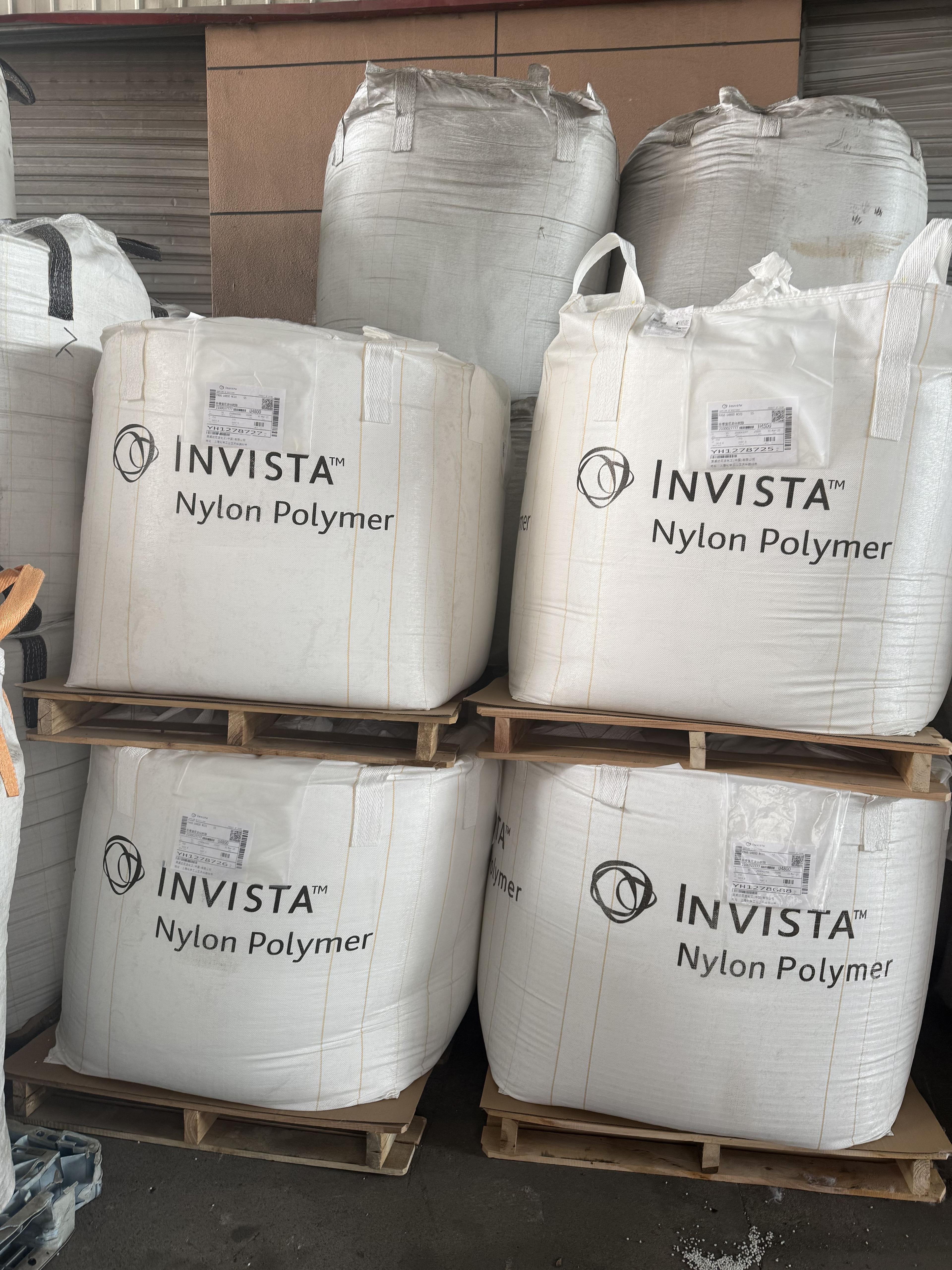
When it comes to high-performance synthetic materials, nylon 66 fiber is the real industry leader. Known for its special strength, durability and versatility, the material is also known as PA66 fiber, and is the cornerstone of countless products in various departments. Whether you are developing advanced textiles or engineering powerful industrial components, understanding the fundamentals of this polymer is key to unlocking its full potential. This guide will take you through its properties, production, and a wide range of applications it excels at.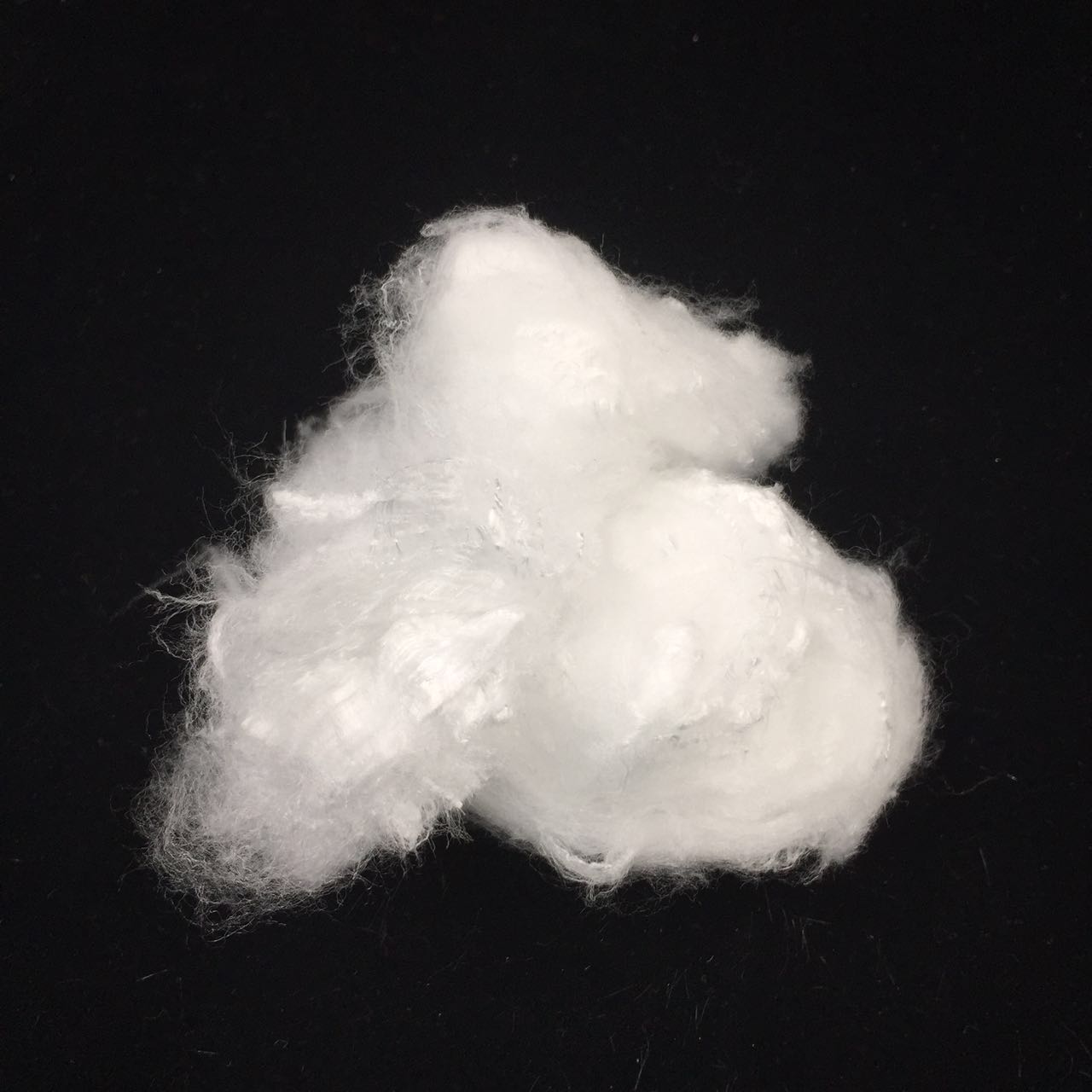
Careful observation of polyamide 66 properties
To appreciate why nylon 66 is so widely used, it is necessary to understand its core features. The unique chemical structure of PA66 material provides it with a range of advantages. Among the 66 most valuable polyamide properties, its high tensile strength and excellent wear resistance make it extremely durable for applications that are durable and significantly worn. Furthermore, it has impressive thermal stability and maintains its structural integrity at high temperatures. It also shows good resistance to a variety of chemicals, oils and solvents, ensuring life and reliability in harsh environments. These powerful polyamide 66 properties make it the first choice for manufacturers seeking reliable performance.
How is nylon 66 produced?
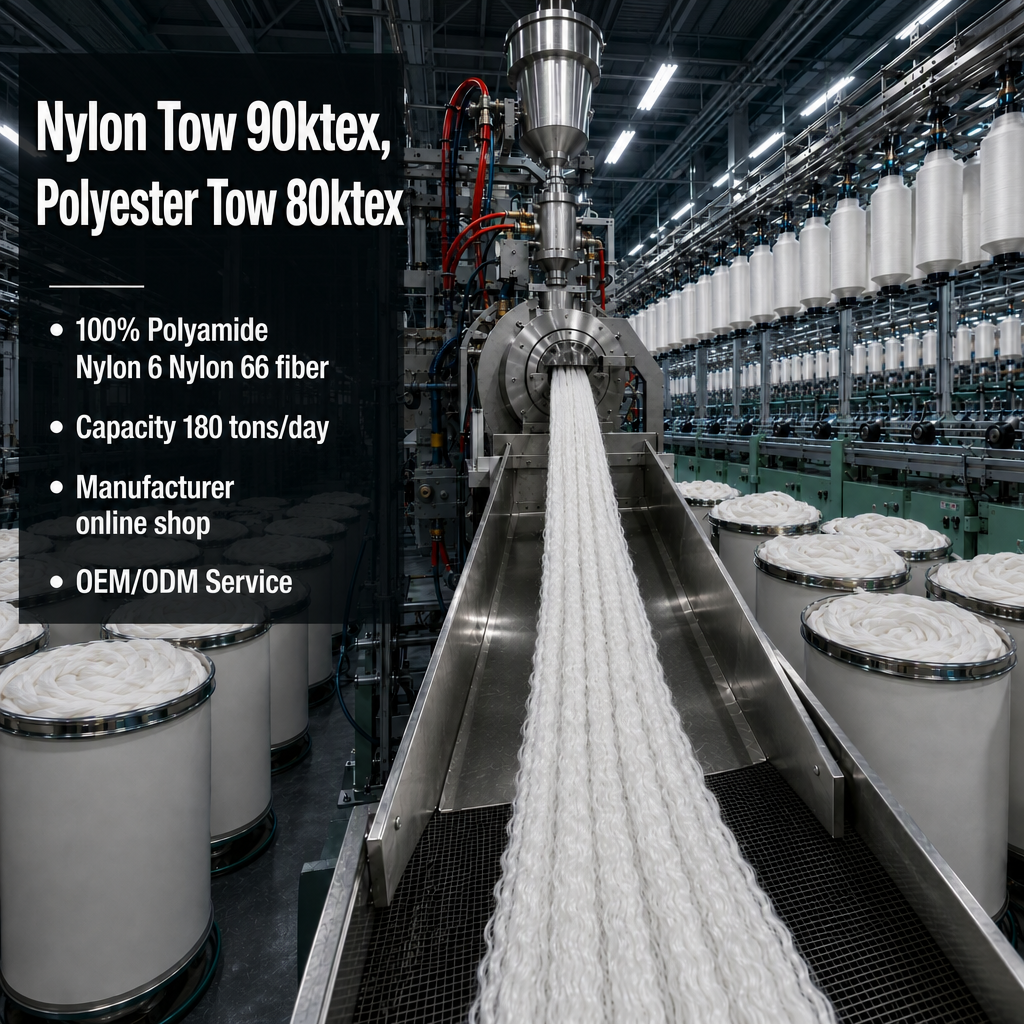
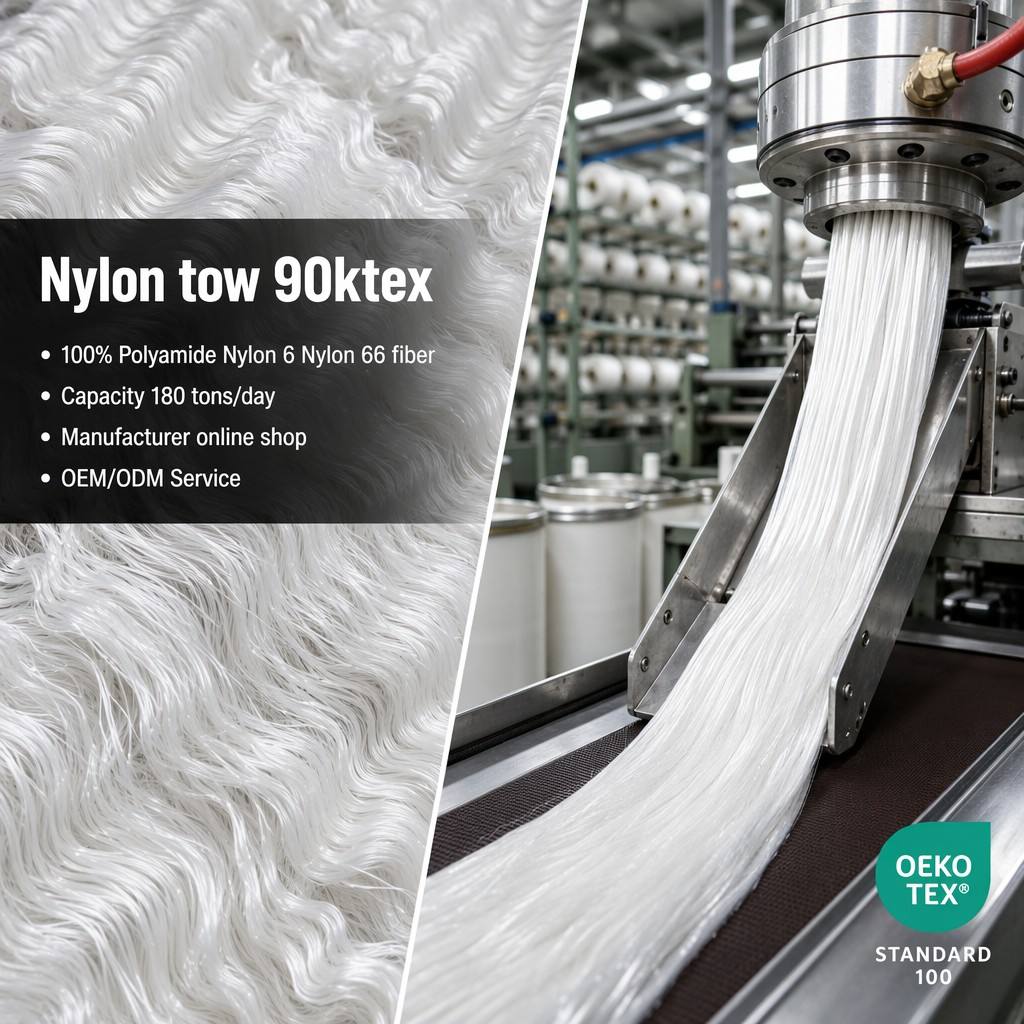
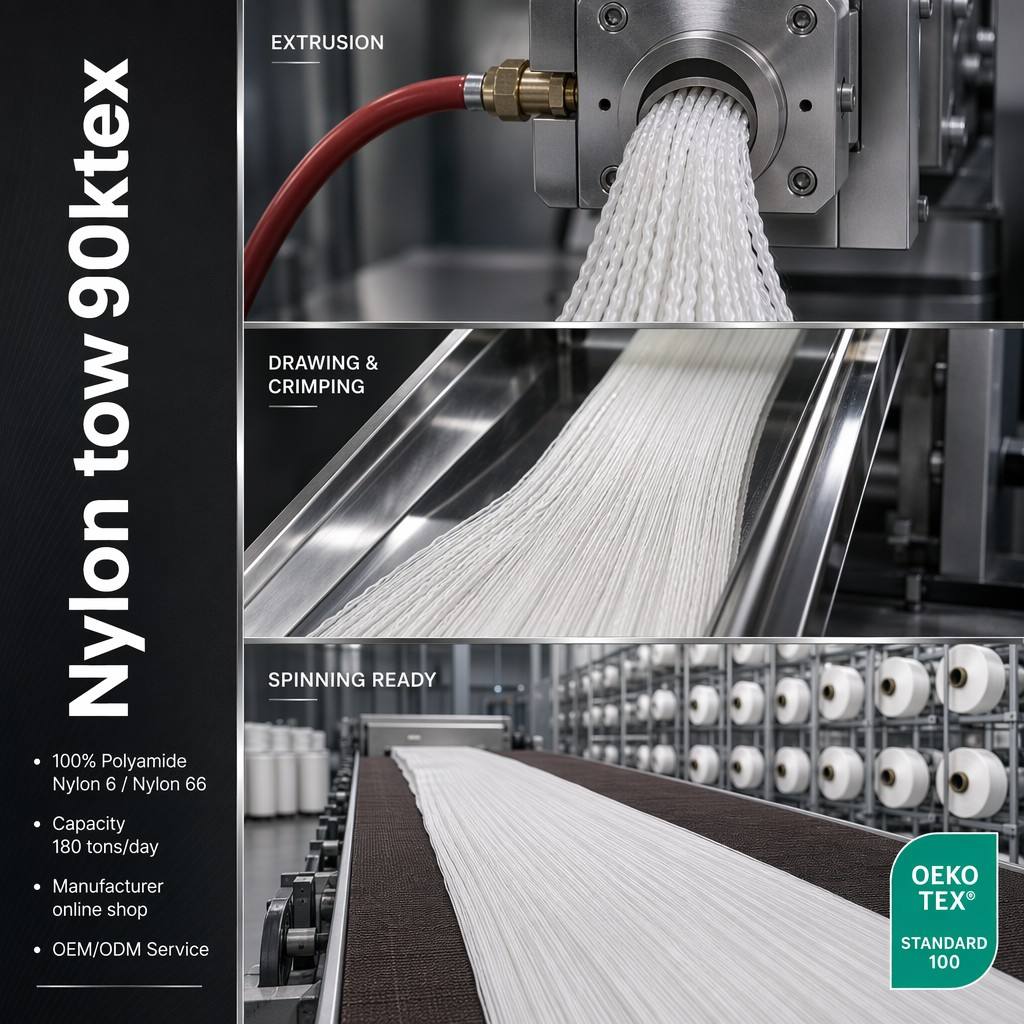
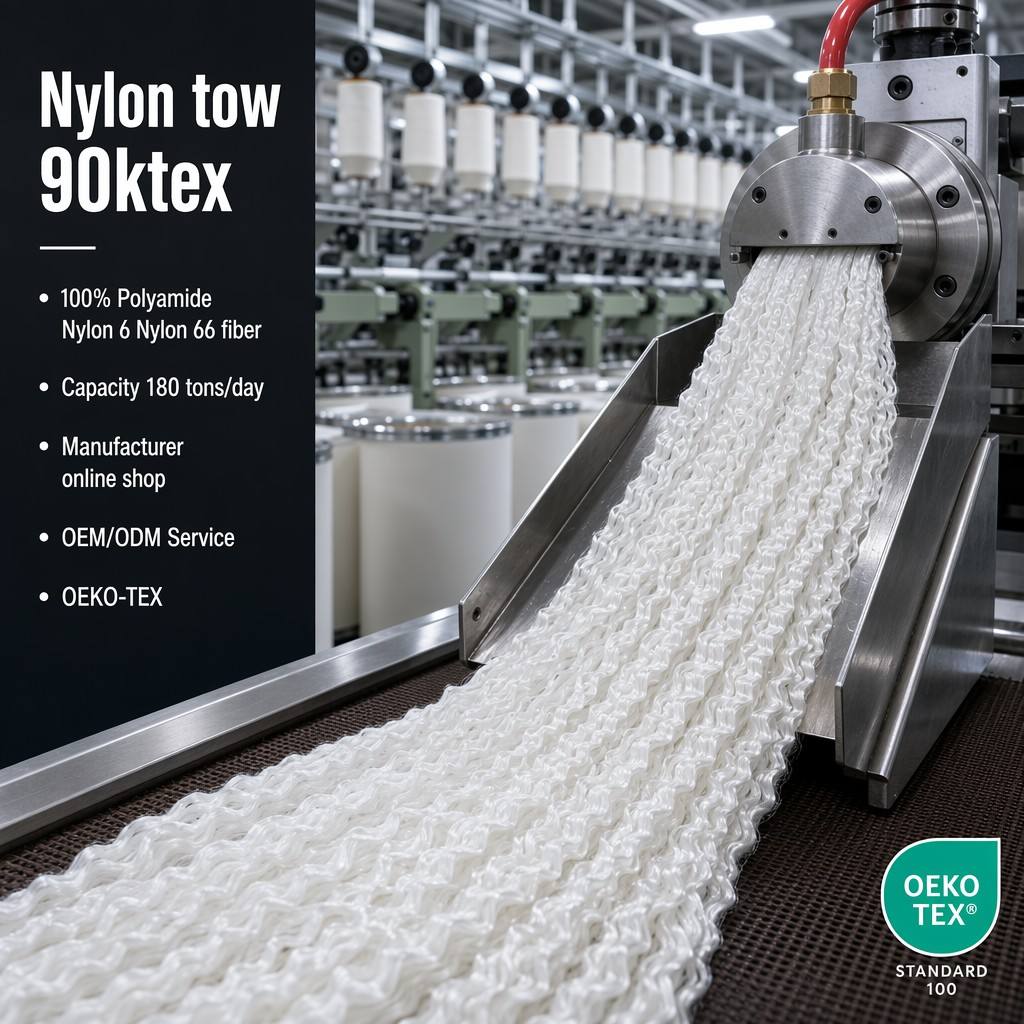
The process of nylon 66 production is a miracle of polymer chemistry, which converts simple raw materials into highly engineered fibers. It begins with multiple concentrations of two monomers: hexamethyldiamine and fatty acids. When they are combined under heat and pressure, they form molten polymer salts which are then polymerized to produce long chains of nylon 66. This produced polymer is usually extruded into small particles or chips. To produce fibers, these particles are melted and then forced to form a continuous wire by rotating the strand (a device with fine pores). These filaments are then stretched or drawn to align the polymer chains, thereby significantly increasing their strength and elasticity, resulting in the final high static nylon 66 fiber.
Invista: A leader in high-performance textiles
Invista nylon fibers are often at the forefront of conversations when discussing excellent quality. As a leading innovator, Invista has refined the production process of Nylon 66 to create materials that drive the boundaries of performance. Their high fixation fibers are carefully designed to provide unparalleled elasticity while remaining lightweight to suit the industry from aerospace to outdoor gearing. Invista textiles are not only about strength. They also embody a commitment to sustainability. The company's commitment to minimizing environmental impacts in manufacturing processes and ensuring that its products are both functionally superior and responsible, setting a high standard for the entire industry.
Ordinary Nylon 66 Application Guide
The versatility of the polymer is best illustrated by the vast landscape of the application of nylon 66. In the automotive industry, its strength and heat resistance make it ideal for engine components, airbags and tire lines. In industrial environments, PA66 materials are used to manufacture gears, bearings and conveyor belts. Besides heavy-duty use, its fine and strong fibers are the basis in consumer products. It is woven into durable carpets, long-lasting clothing, and elastic outdoor equipment such as backpacks and tents. These diverse nylon 66 applications show their excellent ability to adapt to different performance requirements, from industrial gravel to stylish and avant-garde textiles.
Choose the right PA66 material for your needs
Ultimately, choosing nylon 66 fiber means choosing a material to provide consistent advanced performance. Its combination of strength, durability and resistance makes it a reliable foundation for innovation. Whether you are purchasing Invista Nylon fibers for a specific textile project or leveraging the basic polyamide 66 properties as new industrial parts, this polymer offers a trusted solution. Its continued development continues to open doors to new possibilities, cementing its position as an essential material for the future.