logoNingbo Sinopec Fiber Co.,Ltd

Nylon Fiber Manufacturing: Production, Suppliers

  • blog
Posted by Ningbo Sinopec Fiber Co.,Ltd On May 20 2025
title

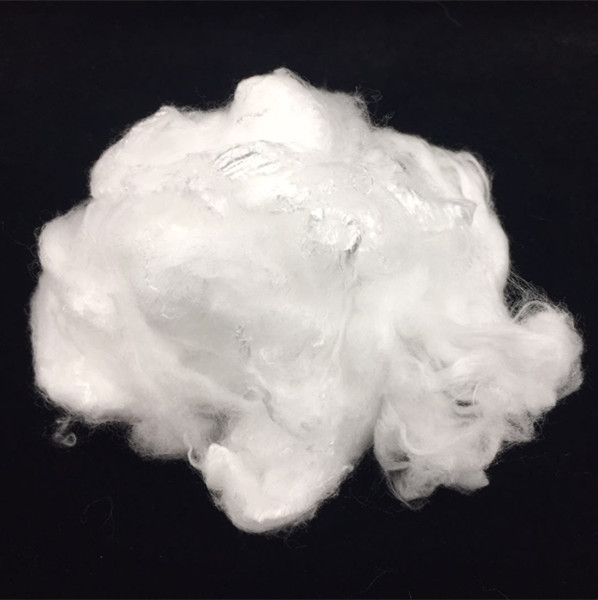
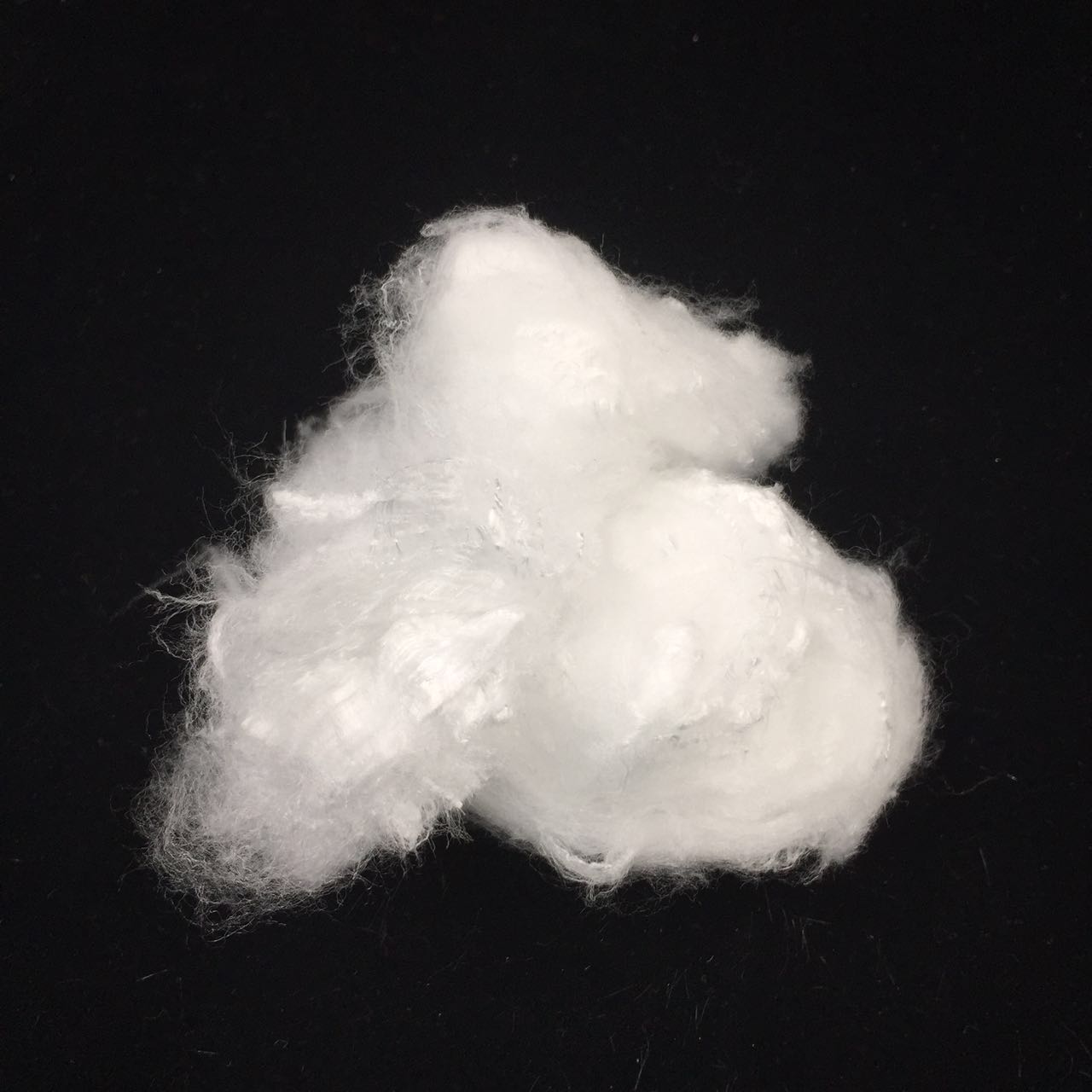
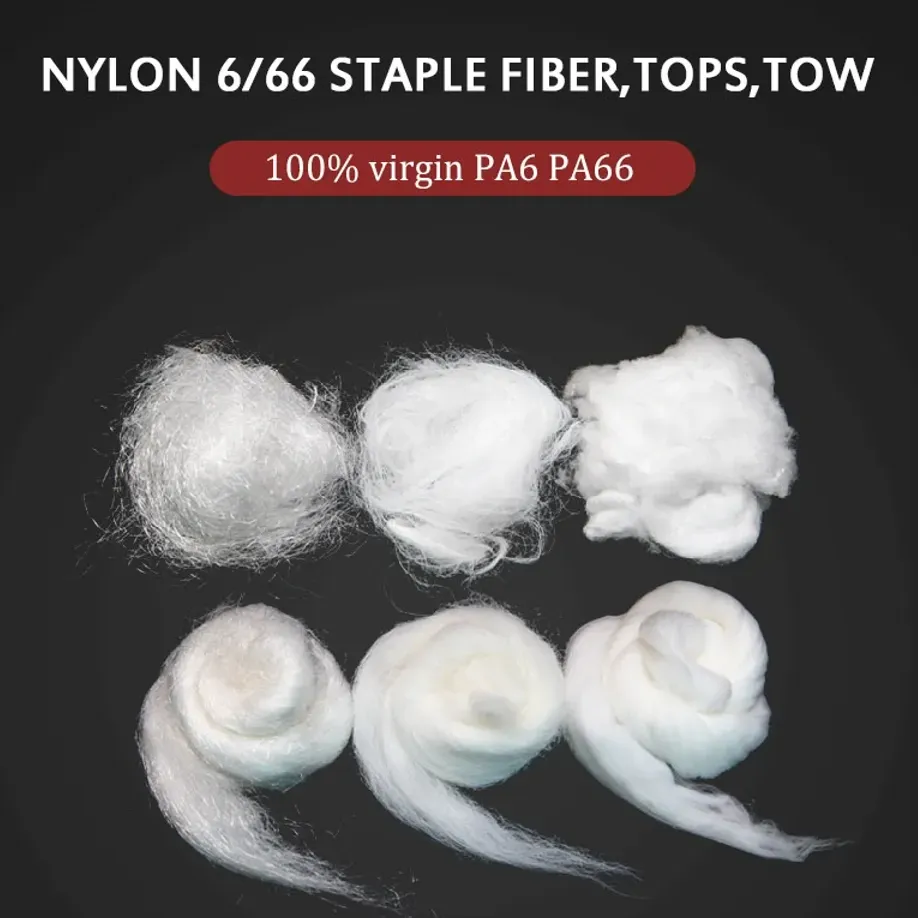
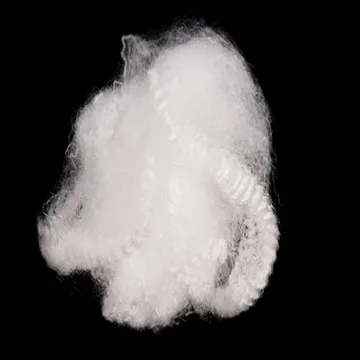
Nylon fiber manufacturing is a complex process that plays a crucial role in the textile industry. The production of nylon fibers involves several stages, each ensuring the fiber's strength and durability. In this article, we will explore how nylon fiber is made, the properties that make it so valuable, and the role of nylon fiber suppliers in the industry. By understanding the nylon fiber production process, you can appreciate the technology and expertise required to create high-quality synthetic textiles.
Nylon Fiber Production Process


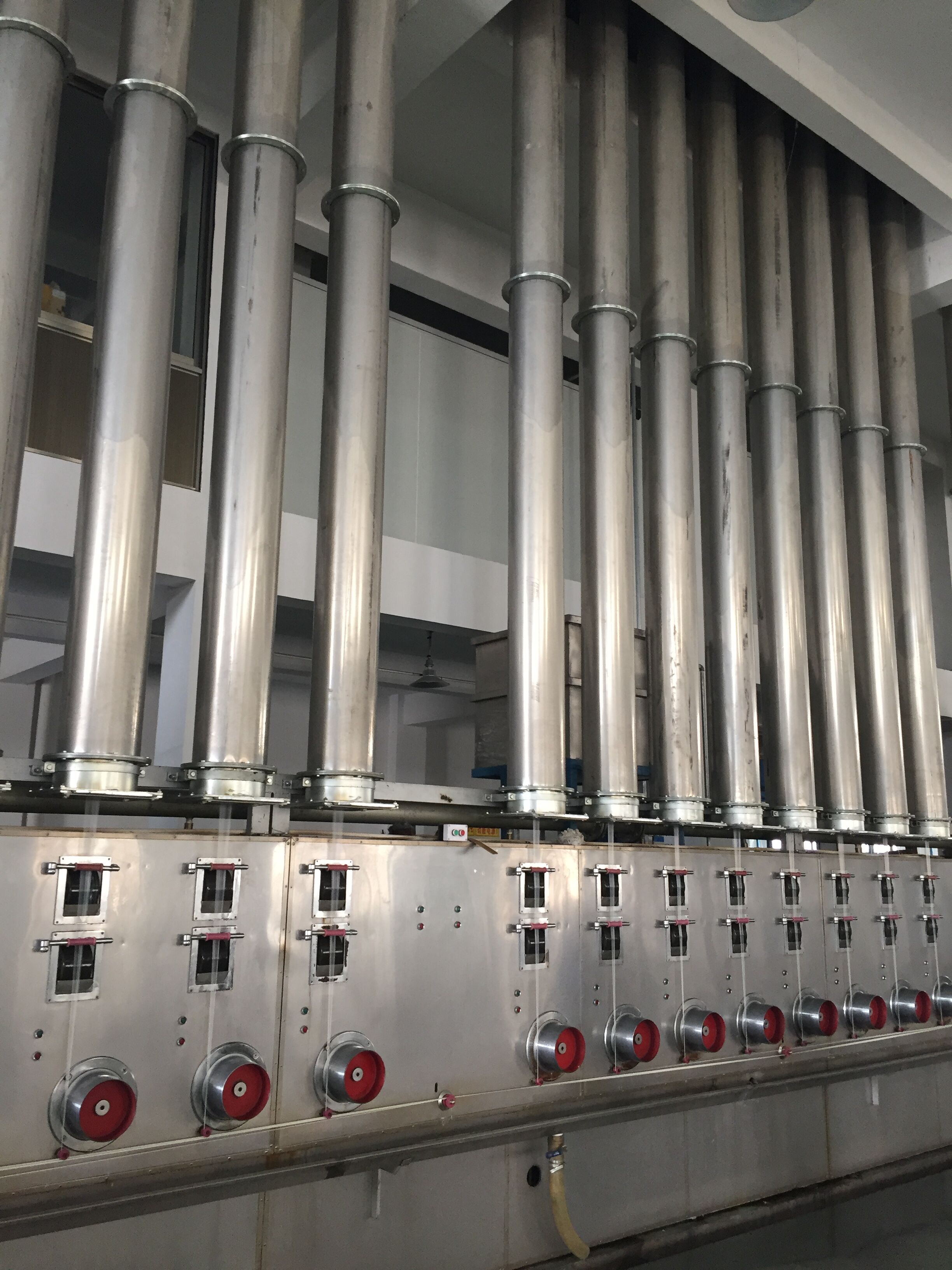
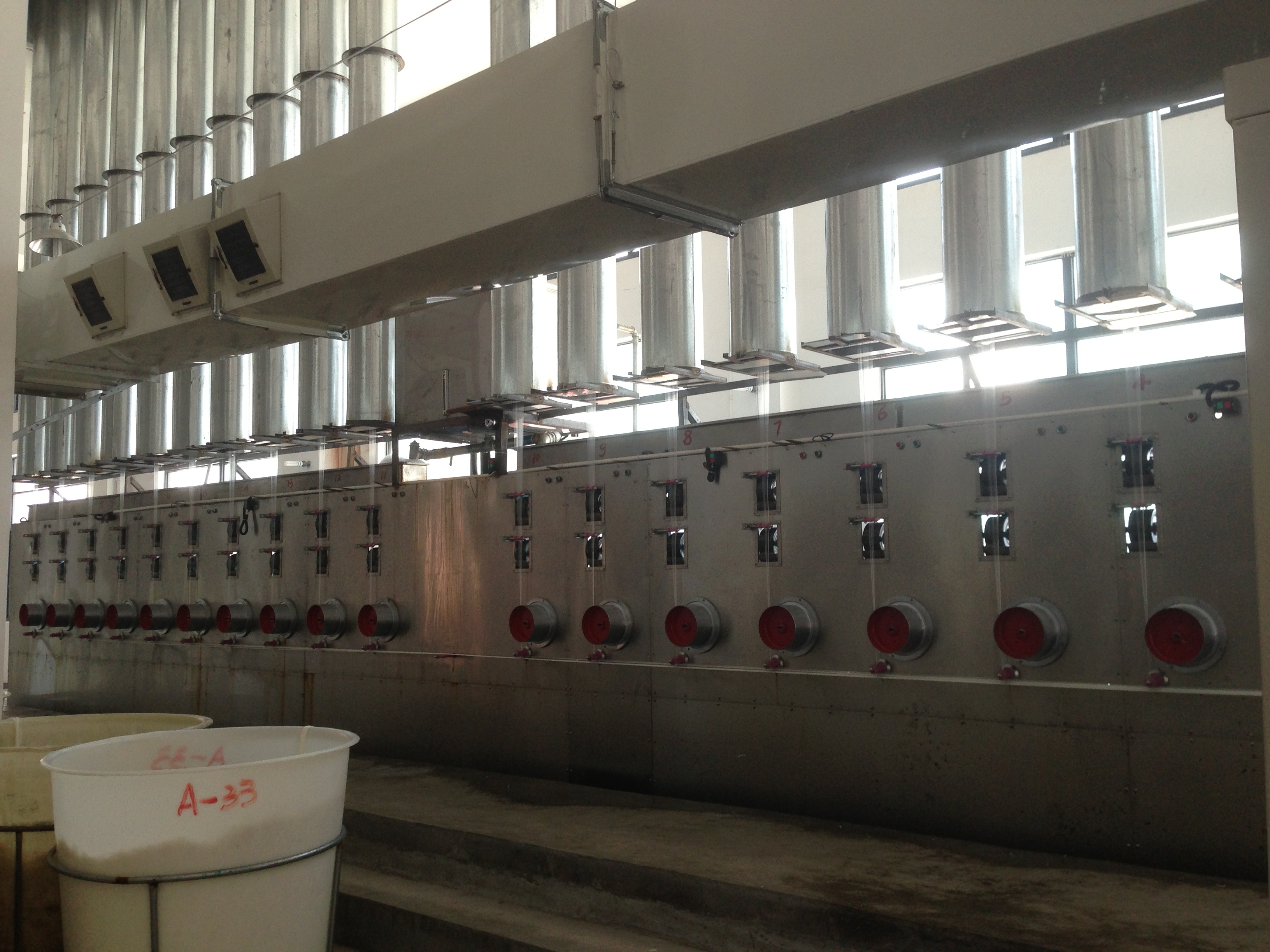
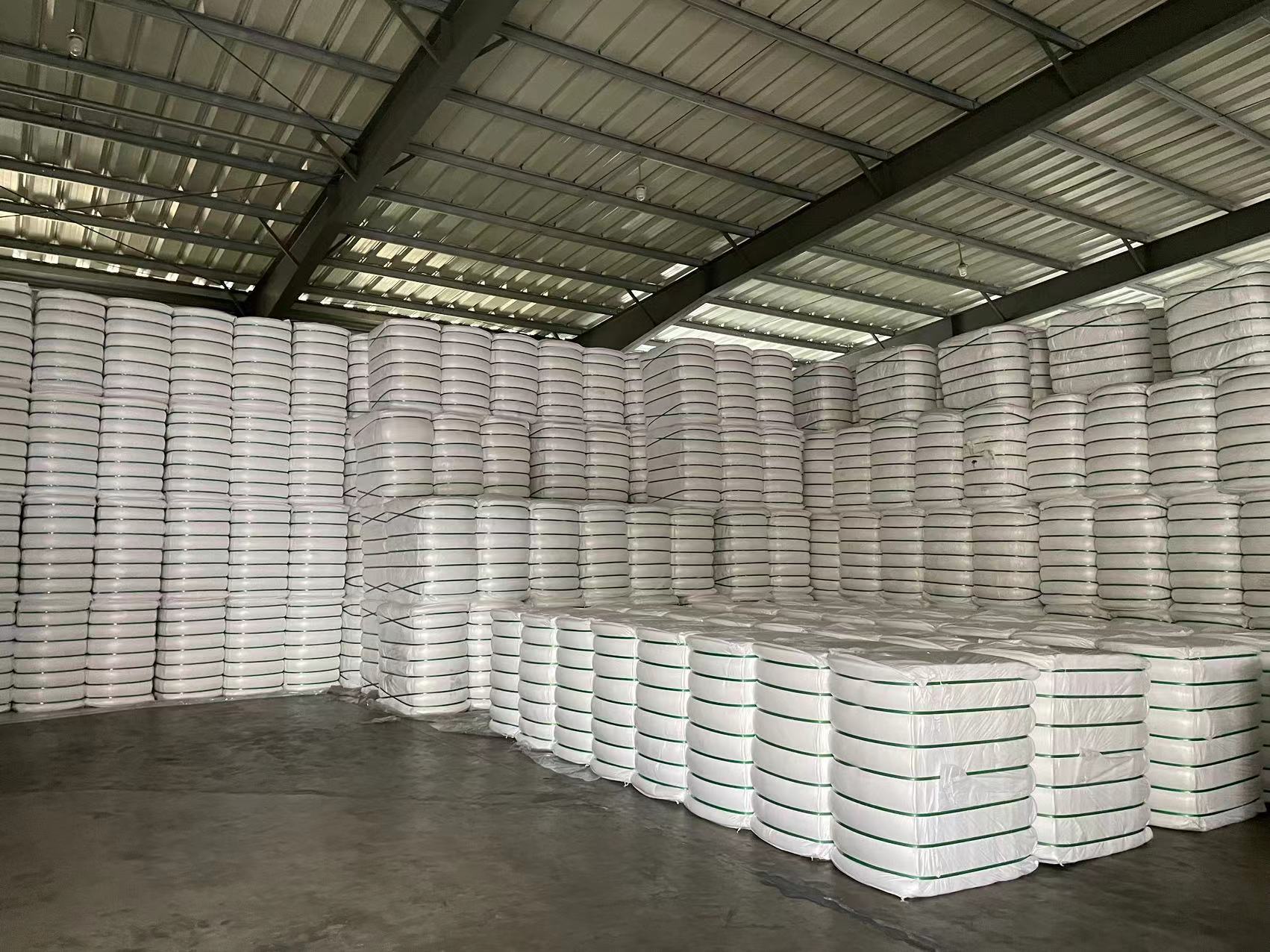
The nylon fiber production process begins with the synthesis of the polymer. Polyamide, the generic name for nylon, is created through the condensation reaction of adipic acid and hexamethylene diamine. This reaction forms a viscous solution of nylon 6,6, which is then extruded through a spinneret, a device with fine holes, to form continuous filaments. These filaments are then cooled, solidified, and stretched to align the polymer molecules, increasing their strength and elasticity. This step is crucial in determining the final quality of the nylon fiber.

The Role of Nylon Fiber Suppliers


Nylon fiber suppliers play a pivotal role in the synthetic fiber manufacturing process. They ensure that the raw materials needed for production are of the highest quality and meet industry standards. They also provide the necessary technical support and expertise to textile manufacturers, helping them optimize their production processes and develop new products. Suppliers often collaborate closely with textile factories to innovate and improve the properties of nylon fibers, ensuring that they remain competitive in the market.

Nylon Fiber Properties


One of the reasons nylon is so widely used in textiles is due to its remarkable properties. Nylon fibers are known for their high tensile strength, elasticity, and resistance to abrasion, making them ideal for a wide range of applications, from clothing and accessories to industrial materials. Additionally, nylon fibers exhibit excellent chemical resistance, thermal stability, and moisture-wicking properties. These attributes make nylon an attractive choice for both everyday wear and specialized uses like athletic gear and outdoor apparel.

Understanding the intricacies of nylon fiber manufacturing can give you a greater appreciation for the textiles we often take for granted. From the meticulous production process to the collaborative efforts of suppliers and manufacturers, producing high-quality nylon fiber requires expertise and innovation. So the next time you come across a nylon product, you'll know just how much effort went into creating that durable and versatile fabric.
Categories

Featured Blogs

Tag:

  • day
Share On
Featured Blogs
Exploring Nylon 66 Fiber: Properties, Benefits, and Applications

Exploring Nylon 66 Fiber: Properties, Benefits, and Applications

1. Exploring Nylon 66 Fiber: A Cornerstone of Modern Textiles 2. Nylon 66 Properties: Strength and Resilience Defined 3. Nylon 66 Applications: From Textiles to Industrial Uses 4. Nylon 66 Benefits: Why It Outshines Competitors 5. Nylon 66 vs Nylon 6: Key Differences in Performance 6. The Nylon 66 Manufacturing Process: Precision and Innovation

Nylon 66 Fiber: Properties, Benefits, and Applications

Nylon 66 Fiber: Properties, Benefits, and Applications

1. Discovering Nylon 66 Fiber: The Backbone of Modern Textiles 2. Nylon 66 Properties: What Makes It Exceptional 3. Nylon 66 Applications: Versatility Across Industries 4. Nylon 66 Benefits: Why Choose This High-Performance Material 5. Nylon 66 vs Nylon 6: A Comparative Insight 6. Durable Nylon Fibers and High-Strength Nylon in Action 7. Nylon 66 Manufacturing Process: From Raw Materials to Finished Fiber

Nylon 66 Fiber high tenacity 6.00cn/dtex : Properties, Applications, and Benefits

Nylon 66 Fiber high tenacity 6.00cn/dtex : Properties, Applications, and Benefits

1. Exploring Nylon 66 Fiber: The Backbone of Modern Textiles 2. Nylon 66 Properties: Strength and Resilience Defined 3. Nylon 66 Applications: From Apparel to Industrial Uses 4. Nylon 66 Benefits: Efficiency and Sustainability in Focus 5. Nylon 66 vs Nylon 6: A Comparative Edge 6. The Nylon 66 Manufacturing Process: Precision at Every Step

Nylon 66 Fiber high tenacity 6.00cn/dtex : Properties, Applications & Manufacturing Insights

Nylon 66 Fiber high tenacity 6.00cn/dtex : Properties, Applications & Manufacturing Insights

1. Discovering Nylon 66 Fiber: Strength and Versatility in Modern Manufacturing 2. Understanding Nylon 66 Properties 3. Exploring Nylon 66 Applications 4. Unveiling the Nylon 66 Benefits 5. Comparing Nylon 66 vs Nylon 6 6. The Nylon 66 Manufacturing Process

Nylon 66 Fiber high tenacity: Properties, Benefits, and Applications

Nylon 66 Fiber high tenacity: Properties, Benefits, and Applications

1. Exploring Nylon 66 Fiber: The Backbone of Modern Textiles 2. Nylon 66 Properties: Strength and Resilience Defined 3. Nylon 66 Applications: From Everyday Wear to Heavy-Duty Solutions 4. Nylon 66 Benefits: Why It Outshines Competitors 5. Nylon 66 vs Nylon 6: A Comparative Edge 6. Durable Nylon Fibers and High-Strength Nylon in Action 7. The Nylon 66 Manufacturing Process: Precision at Its Core

Nylon 66 Fiber high tenacity 6.00cn/dtex : Properties, Applications, Manufacturing Insights

Nylon 66 Fiber high tenacity 6.00cn/dtex : Properties, Applications, Manufacturing Insights

1. Introduction to Nylon 66 Fiber 2. Nylon 66 Properties 3. Nylon 66 Applications 4. Nylon 66 Benefits 5. Nylon 66 vs Nylon 6 6. Durable Nylon Fibers and High-Strength Nylon 7. Nylon 66 Manufacturing Process

Subscribe to get special prize

Don’t wanna miss something? Subscribe right now and get specail promotion and monthly newsletter.