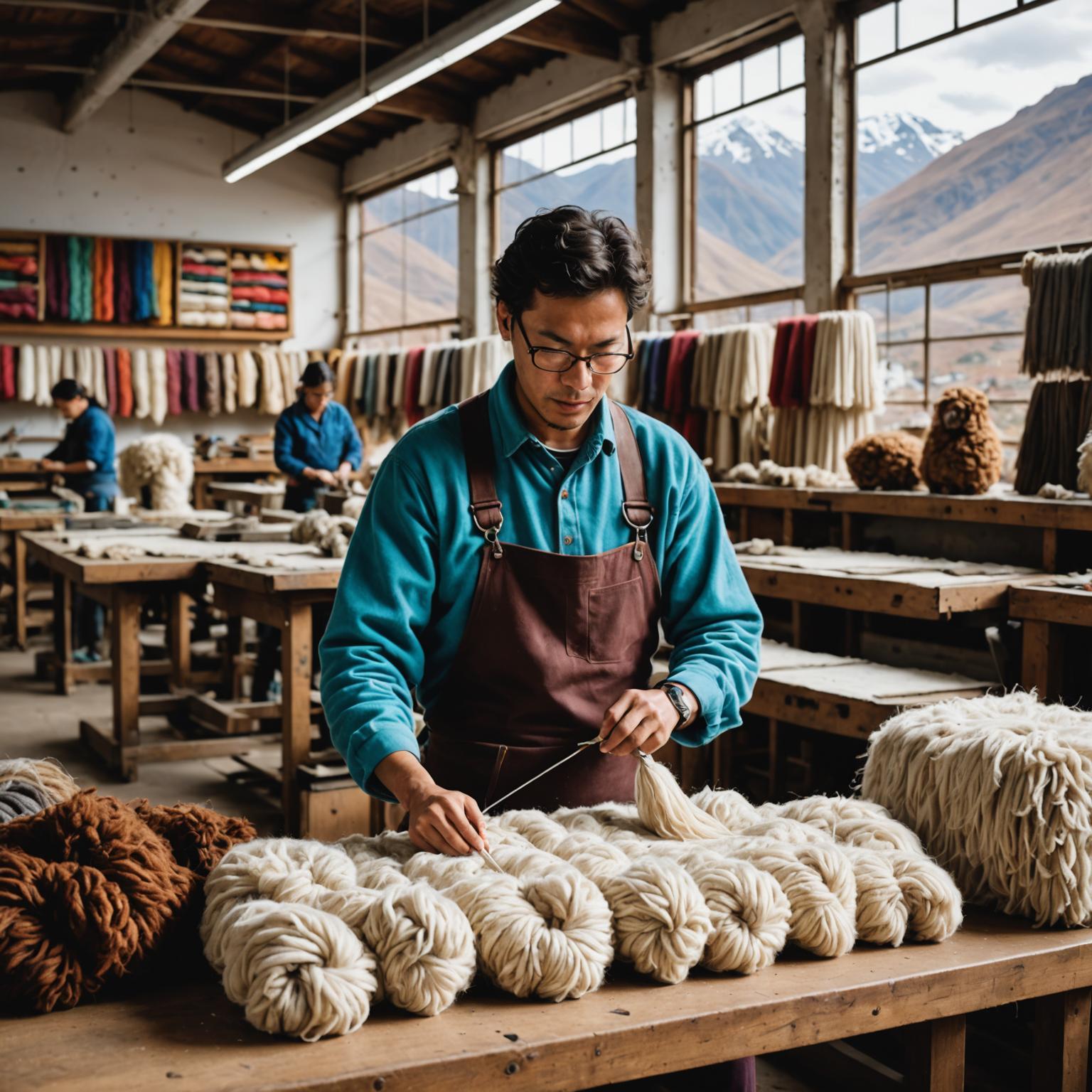
The world of textiles is rich and diverse, offering a myriad of choices for fashion, home furnishings, and industrial applications. From luxurious natural materials to cutting-edge synthetics, understanding different fibers is key to making informed decisions. In this exploration, we delve into the characteristics of both natural wonders like alpaca fiber and versatile manufactured options such as nylon fiber, helping you understand their unique qualities.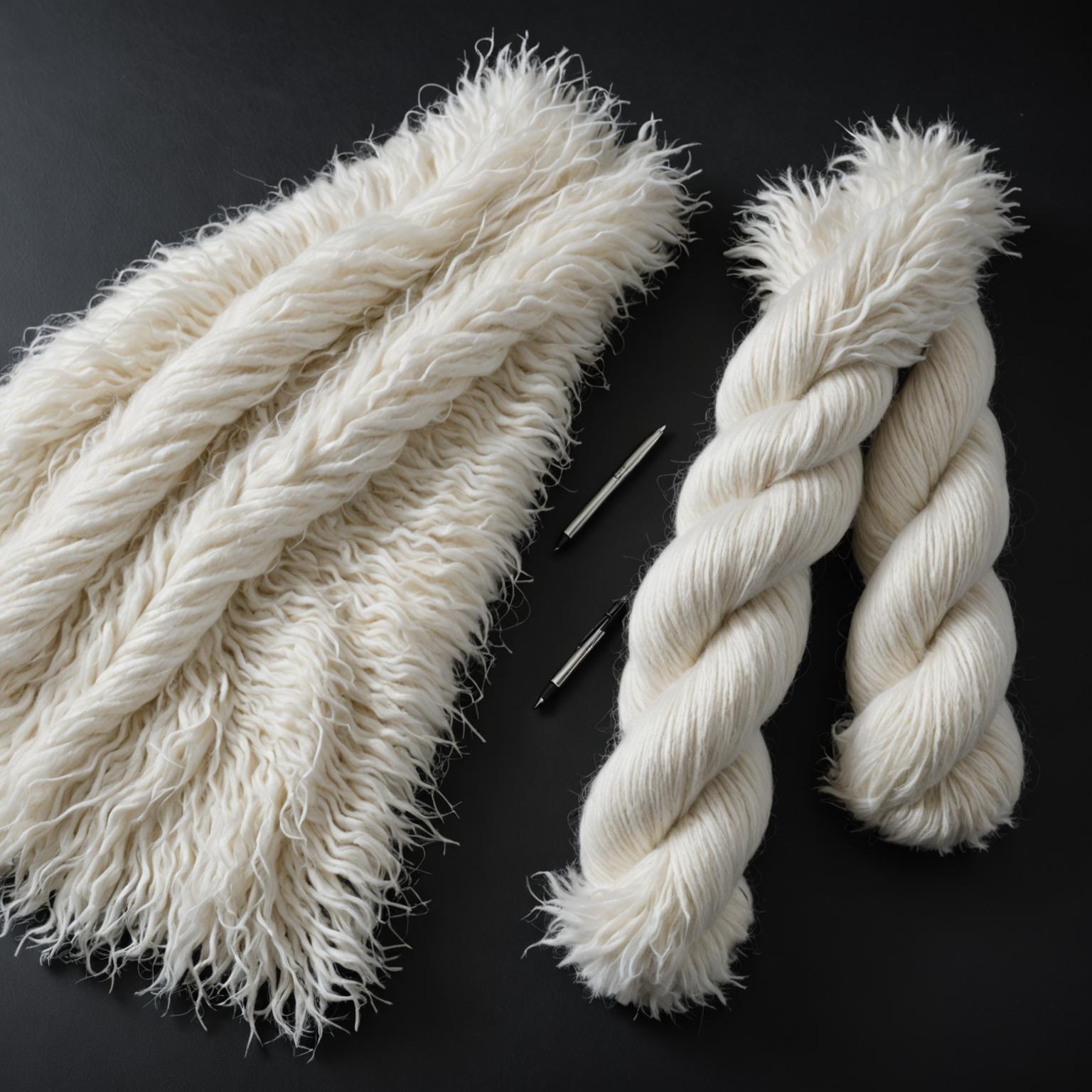

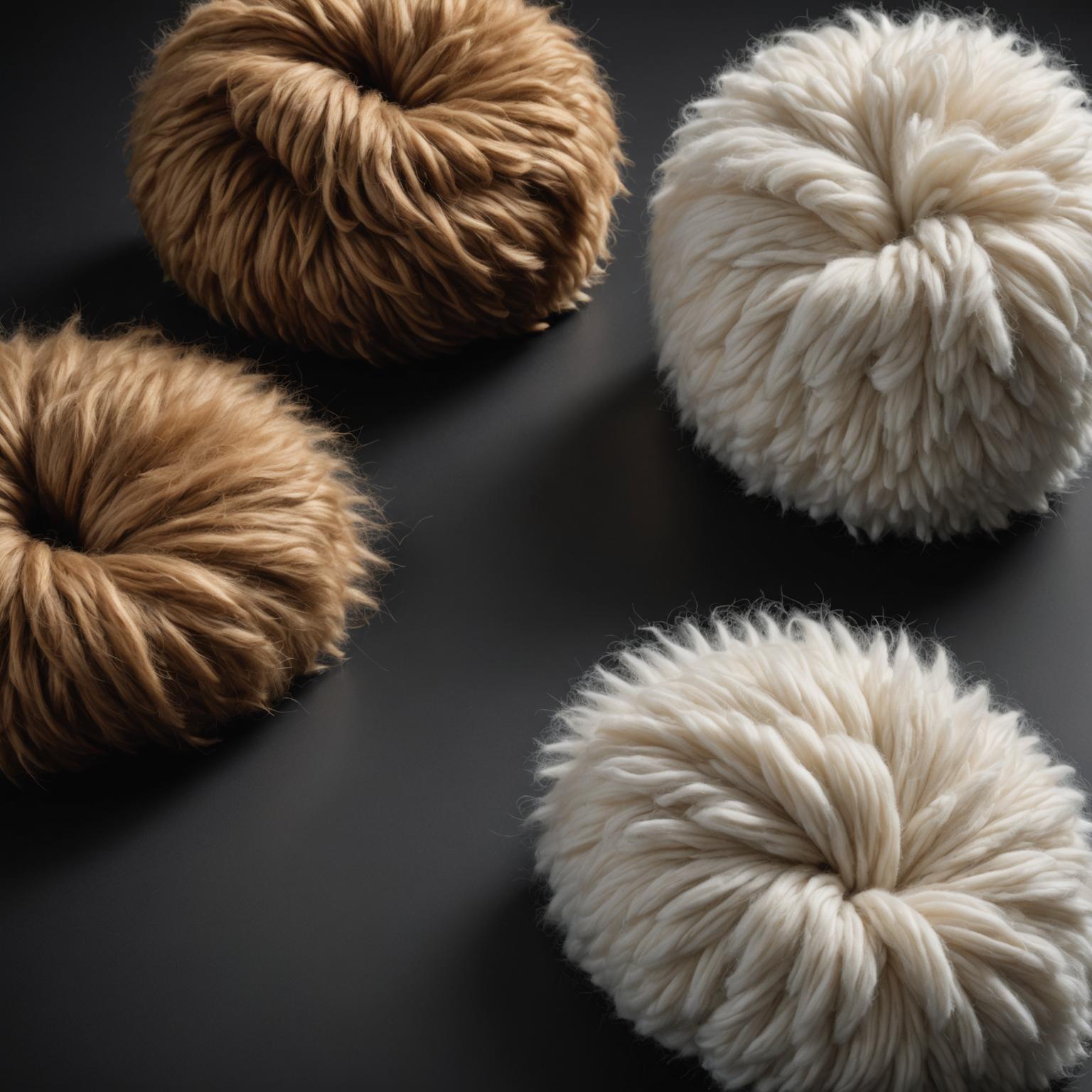
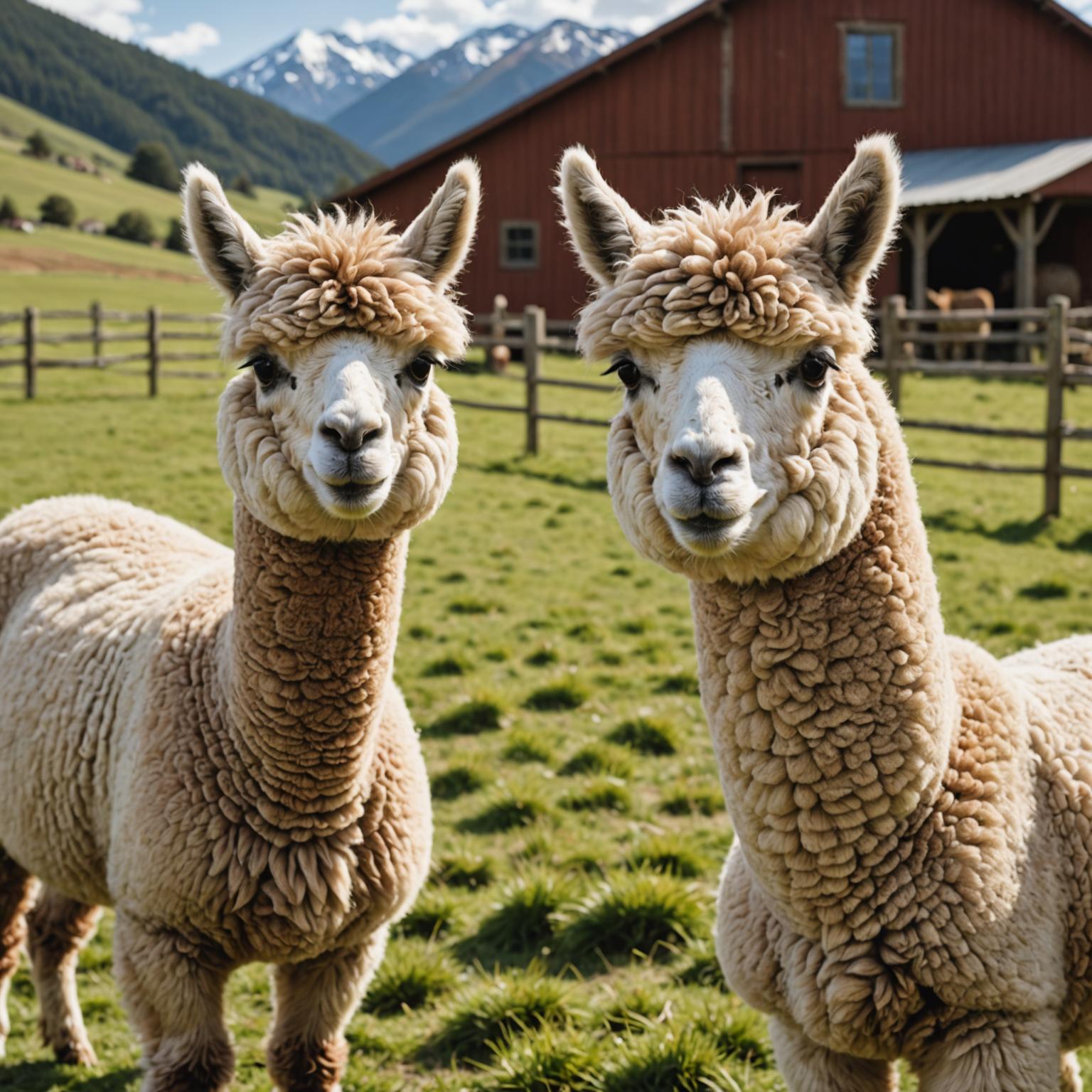
Discovering Natural Alpaca Fiber
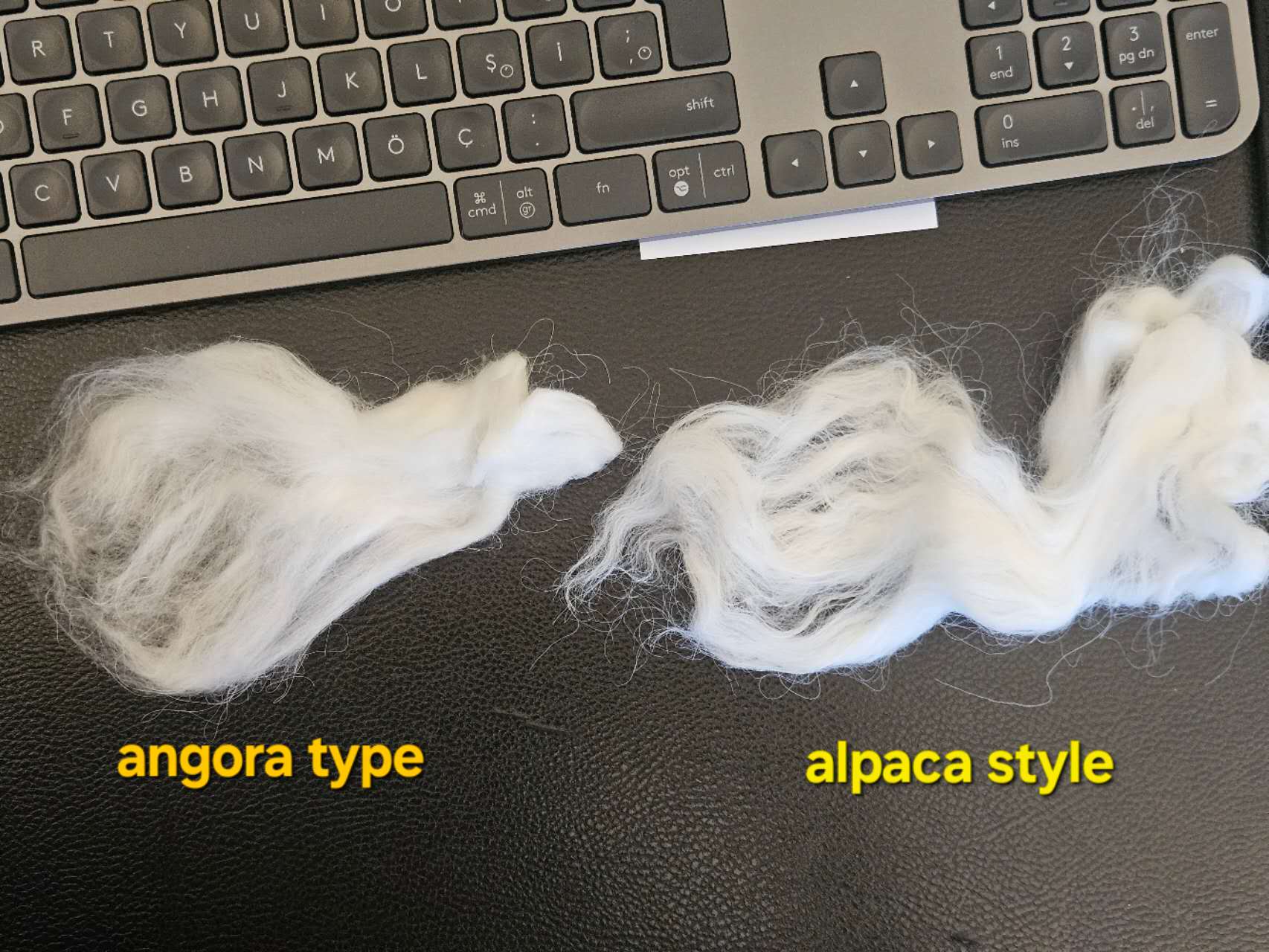
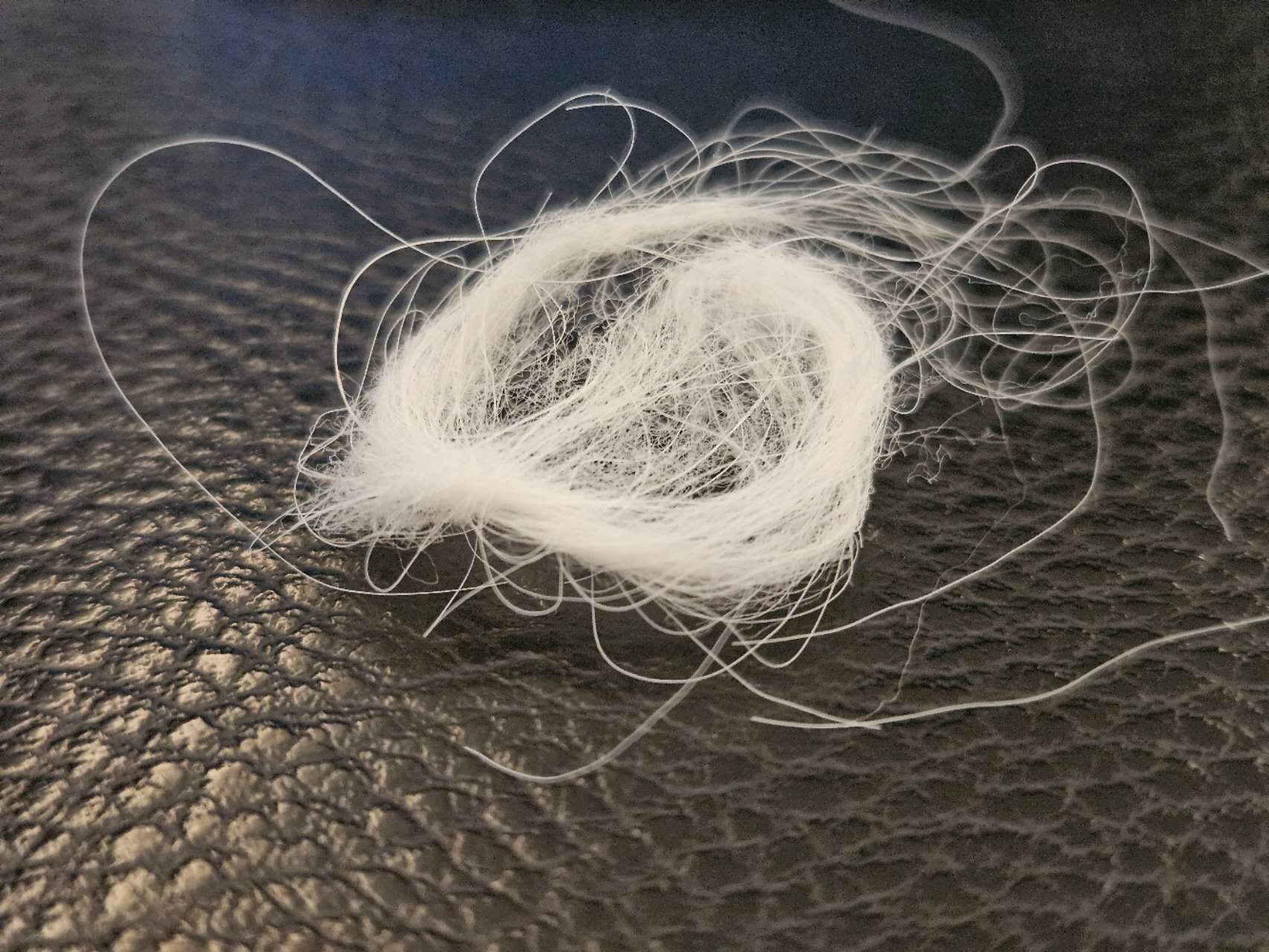
Alpaca fiber, a luxurious natural material, is shorn from alpacas, gentle camelids native to the Andes Mountains of South America. Prized for centuries, this fiber has gained global recognition for its exceptional softness, warmth, and silky texture. It offers a sustainable choice for those seeking premium quality without compromising on environmental values. Understanding the source and inherent qualities of alpaca fiber is the first step to appreciating its place in the textile world. We will also touch upon the different types of alpaca fiber and how they influence the final product.
Exploring the Notable Alpaca Fiber Properties
The appeal of alpaca fiber lies in its remarkable collection of natural attributes. These alpaca fiber properties make it highly sought after for a variety of high-quality goods. Firstly, it is incredibly soft, often compared to cashmere, yet it is more durable. Secondly, alpaca is a natural insulator, providing excellent warmth without excessive weight, thanks to the hollow core of its fibers. It's also water-resistant and wicks away moisture, keeping you dry and comfortable. Furthermore, many find it to be hypoallergenic as it contains very little lanolin, a common irritant found in sheep's wool. Its natural luster gives garments a beautiful sheen that lasts.
Reaping the Alpaca Fiber Benefits
Beyond its intrinsic properties, there are numerous alpaca fiber benefits that make it a compelling choice for conscientious consumers and discerning designers. One significant advantage is its eco-friendliness. Alpacas are gentle on the land, with soft hooves that don't damage pasture, and they are efficient grazers. The processing of alpaca fiber typically requires fewer harsh chemicals compared to other fibers. This results in a product that is not only kind to your skin but also to the planet. The durability and longevity of alpaca garments also mean less frequent replacement, contributing to reduced textile waste. Its versatility allows it to be used in everything from cozy sweaters and socks to luxurious scarves and blankets.
Understanding Modern Nylon
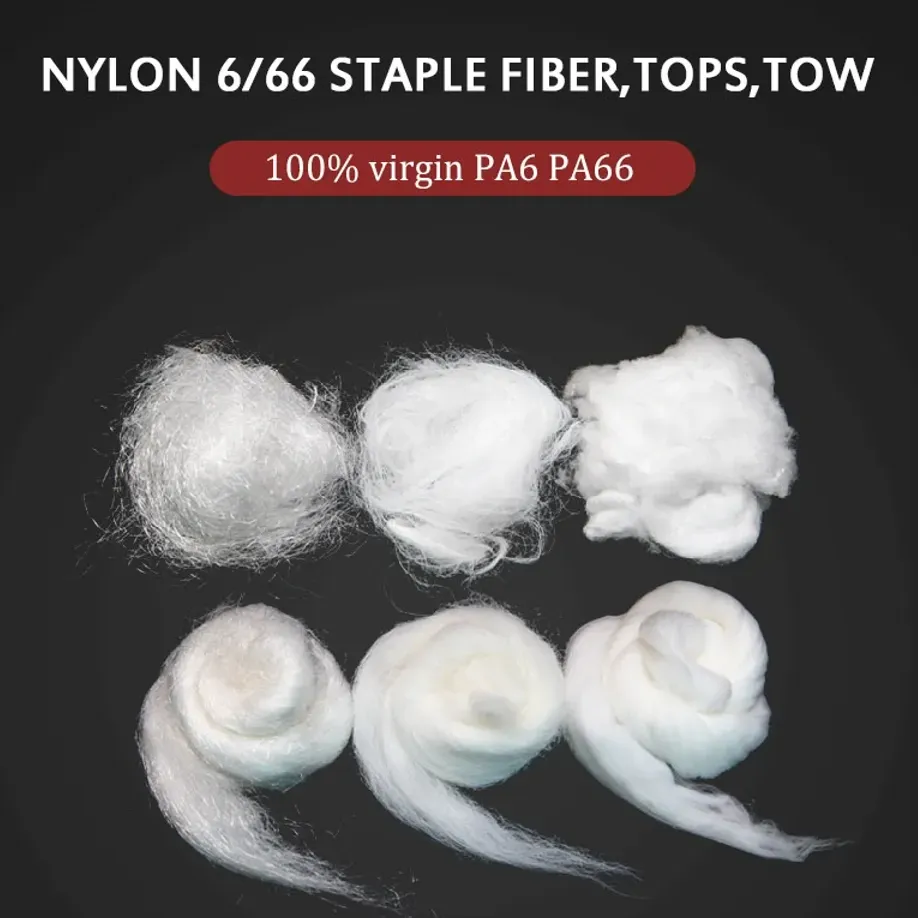
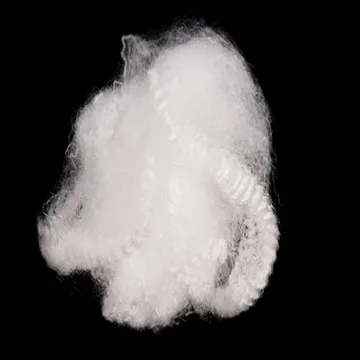
Shifting gears to the realm of synthetic materials, nylon stands out as one of the most versatile and widely used engineered textiles. Developed in the 1930s, nylon was revolutionary for its strength, elasticity, and affordability. It is a thermoplastic silky material that can be melt-processed into fibers, films, or shapes. Unlike natural fibers, nylon's properties can be precisely controlled during manufacturing, allowing for a wide range of applications. From delicate hosiery and activewear to durable carpets and industrial components like ropes and parachutes, the adaptability of this material is undeniable. The creation of nylon fiber marked a significant step in material science.
Comparing Strengths: Nylon vs Alpaca
When considering nylon vs alpaca, it's essential to recognize they serve different purposes and possess distinct characteristics, catering to varied needs and preferences. Alpaca is a natural, luxury fiber known for its softness, warmth, and hypoallergenic nature. Nylon, a synthetic fiber, excels in strength, durability, and elasticity, often at a lower price point. For warmth and breathability, alpaca typically outperforms nylon, which can be less breathable. However, nylon boasts superior abrasion resistance and can dry very quickly. In terms of environmental impact, alpaca is biodegradable and comes from a renewable source, while traditional nylon is petroleum-based and not biodegradable, though recycled nylon options are emerging to address these concerns. The choice in the nylon vs alpaca dilemma really depends on the specific application and desired qualities.
Choosing Between Nylon and Alpaca: What's Right for You?
Deciding between nylon and alpaca, or indeed any fiber, hinges on your priorities. If you seek unparalleled softness, natural warmth for cold weather, hypoallergenic qualities, and a sustainable, luxurious feel, the previously mentioned alpaca source is an excellent choice. Garments like high-end sweaters, scarves, and socks benefit greatly from its inherent alpaca fiber properties and the overall alpaca fiber benefits. On the other hand, if your primary needs are exceptional durability, high tensile strength, elasticity, quick-drying capabilities, and cost-effectiveness, especially for items like activewear, outdoor gear, or utilitarian applications, then nylon might be the more suitable option. Innovations also bring forth engineered fibers mimicking natural qualities, so exploring blends or specialized types can further refine your selection, considering factors like types of alpaca fiber or advanced synthetic alternatives. Ultimately, both nylon and alpaca have their unique strengths, making them valuable components in the vast landscape of textiles where even another piece of nylon fiber can find its specific purpose.