Why nylon tow tops 90ktex still matter in fiber sourcing
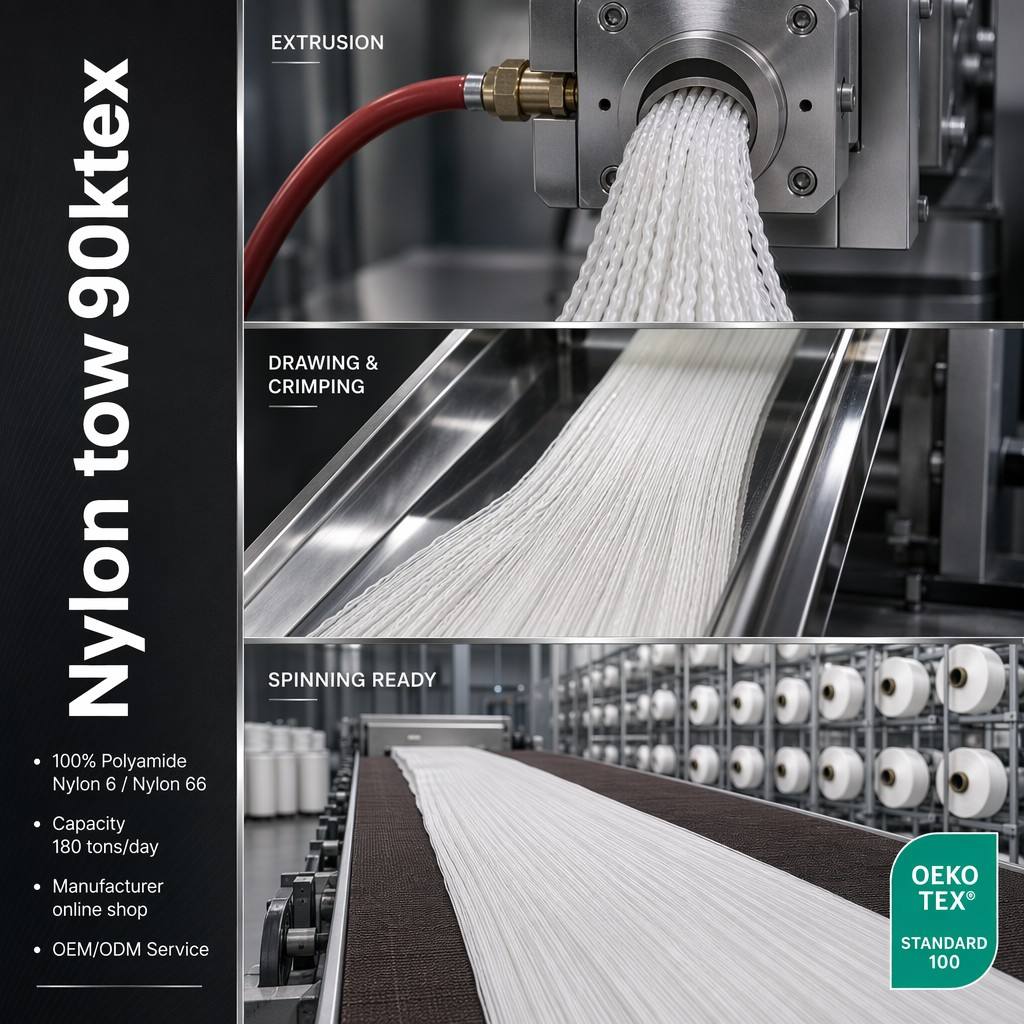
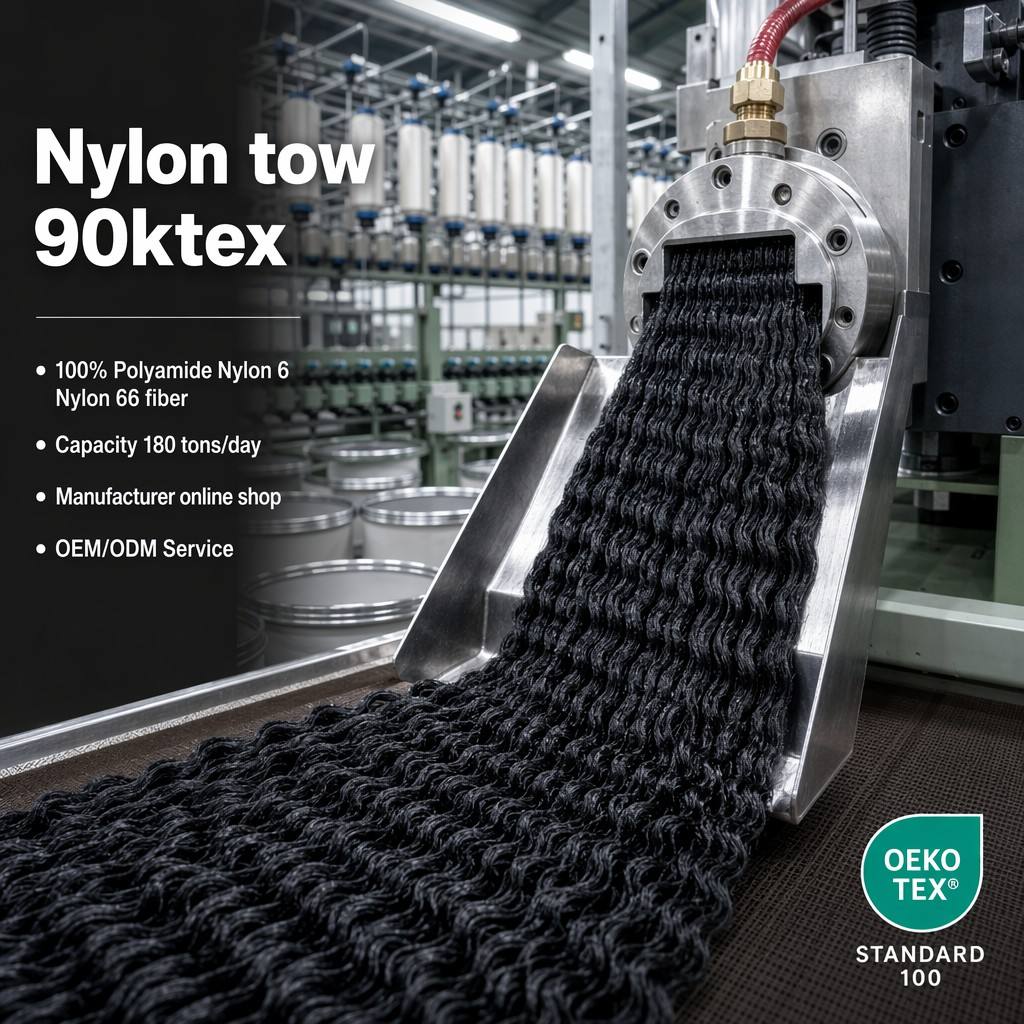
When buyers search for nylon tow tops 90ktex, they are usually trying to solve a practical production problem rather than chase a spec sheet. They may need a feedstock for staple fiber conversion, a dependable intermediate for downstream processing, or a consistent nylon supply that can keep a line running without surprises. In that sense, the decision is less about a catchy product name and more about whether the tow format, denier range, and polymer family fit the next process step.
That matters because nylon supply chain decisions tend to ripple downstream. If the tow is inconsistent, later cutting, crimping, drawing, or bundling stages can become harder to control. If the material is too far off target in linear density or bundle structure, the line operator notices quickly. For sourcing managers, the real question is often simple: does this material behave the way our equipment expects?
What 90ktex means in practical terms
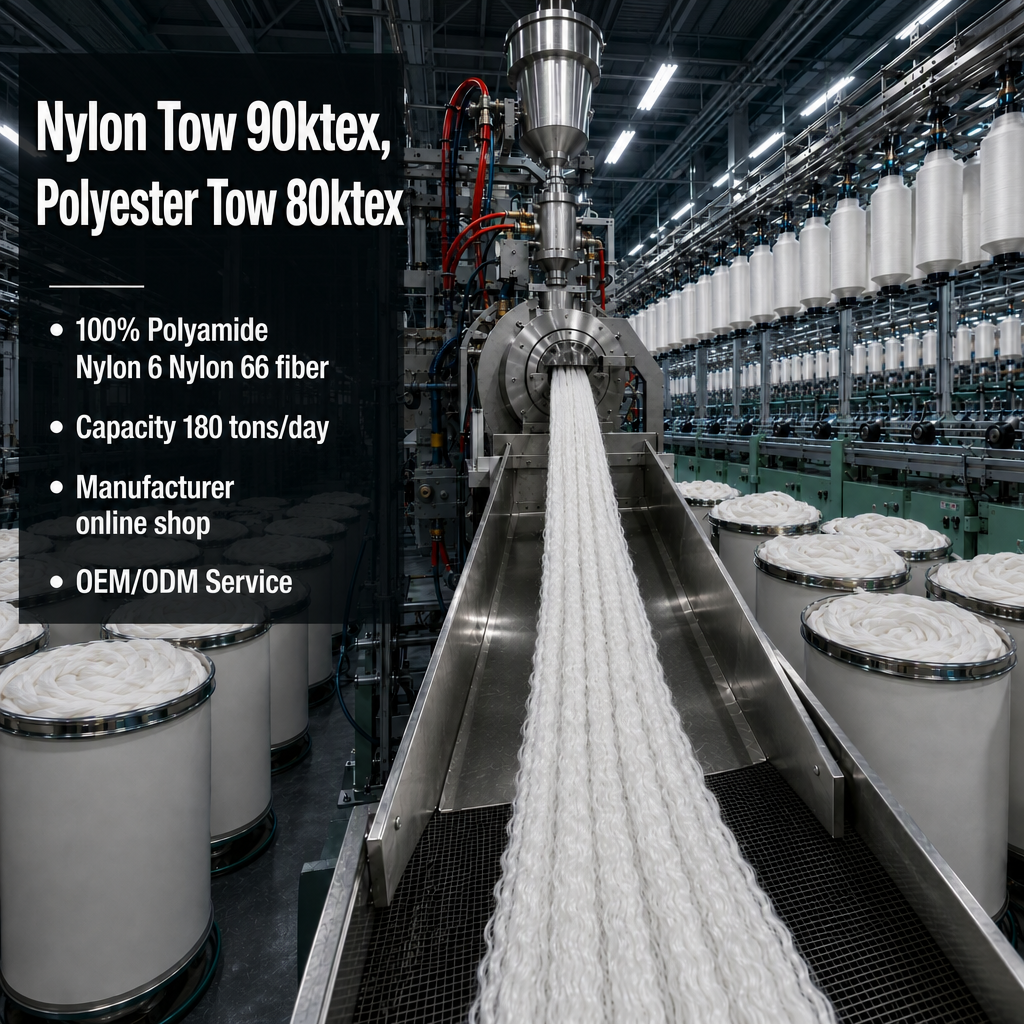
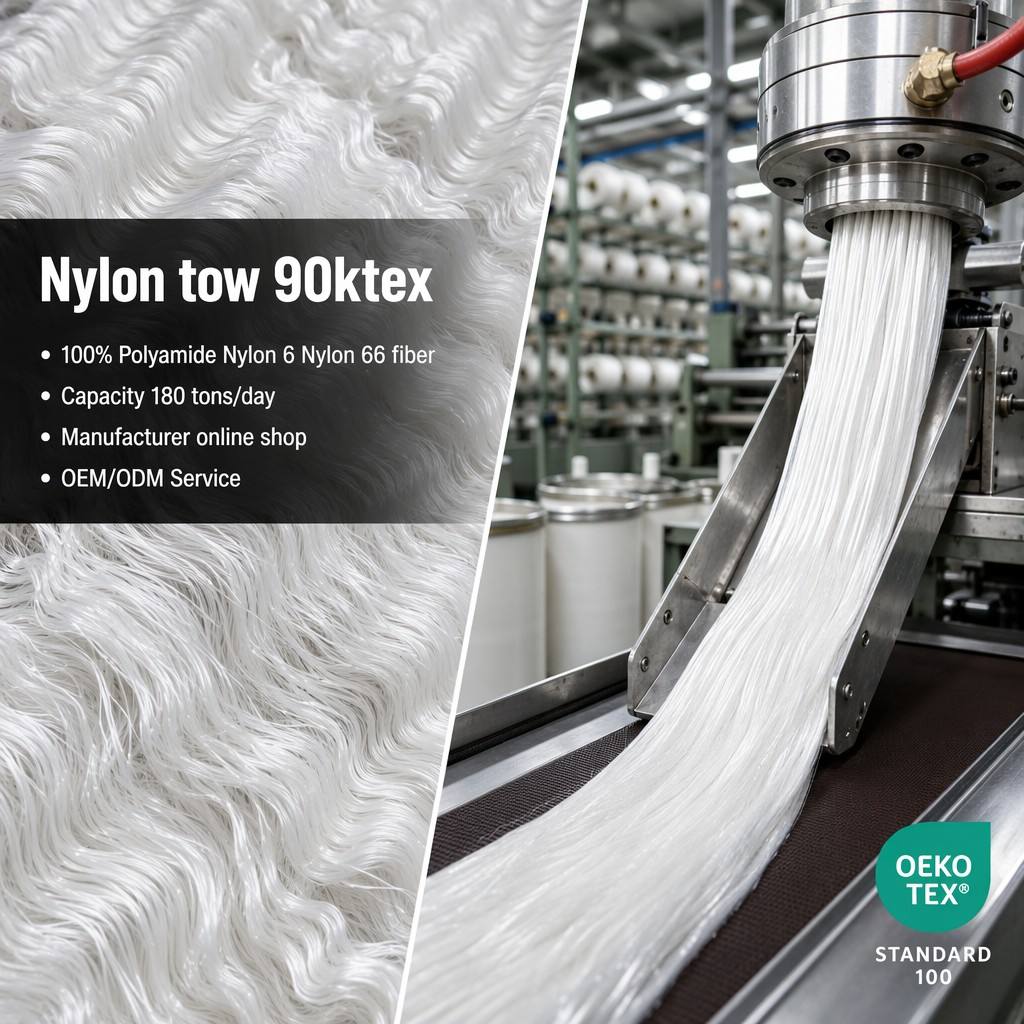
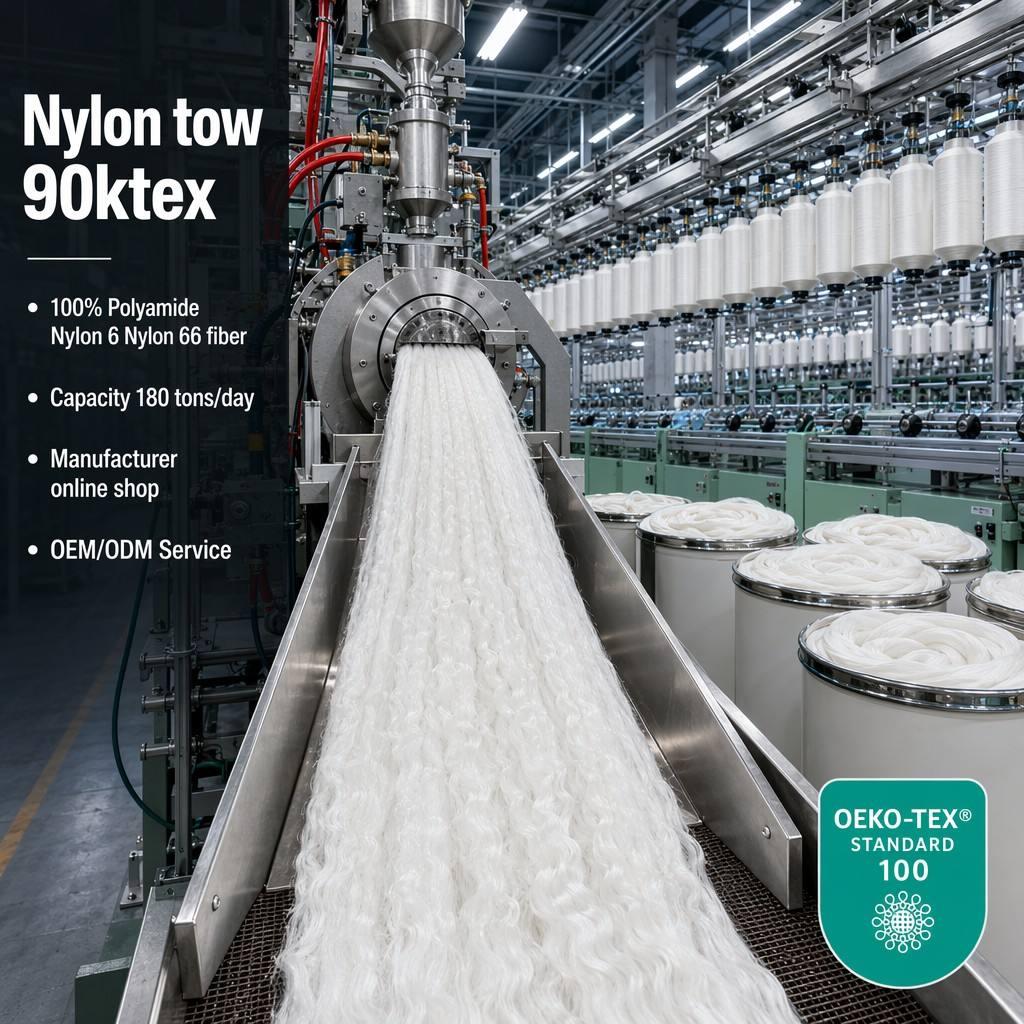
The term 90ktex nylon tow points to a coarse, continuous bundle of filaments, with tex used as a linear density measure. Buyers sometimes focus on the number alone, but that is only part of the picture. Tow structure, filament count, fiber type, and downstream conversion method can matter just as much as the headline value.
Nylon tow products are commonly used as an intermediate form before further processing into staple fiber or other converted materials. Depending on the line design, a producer may be looking for a tow that feeds smoothly, spreads predictably, and maintains enough integrity during transport. That is where the phrase nylon tow tops can be misleading if taken too casually; the top form has to suit the machine, not just the purchasing brief.
Key buyer questions before you compare suppliers
For technical buyers, the first check is whether the supplier is working with the right nylon family. Ningbo Sinopec Fiber Co., Ltd. states that it specializes in nylon fiber manufacturing, with production centered on PA6 and PA66 polyamide nylon fibers. That is useful context, because PA6 and PA66 do not always behave the same way in processing or end use. If your application depends on a specific nylon type, that should be confirmed early.
Company scale also matters when continuity of supply is part of the brief. The factory information provided notes 150 employees, including 20 engineers, with a 50,000-square-meter site and 20,000 square meters of production space. It also lists a daily output of 100-150 tons. Those figures do not replace a qualification audit, of course, but they do suggest a producer accustomed to industrial volume rather than small-batch novelty work.
How to judge whether the material fits your process
1. Match the tow format to the next step
Some operations want a bundle that opens or spreads cleanly. Others want a feed that stays compact and stable until a later conversion stage. If you are evaluating nylon fiber tow or nylon tows for an existing line, ask how the material behaves during unwinding, feeding, and transfer. A tow that looks fine on paper can still be awkward at the machine.
2. Confirm the polymer grade and end-use logic
PA6 and PA66 each have their place, but they are not interchangeable in every plant. Heat exposure, mechanical demands, and downstream finishing all influence the choice. Buyers sometimes assume any high tenacity nylon fiber will do the same job. That is optimistic, and usually expensive later on.
3. Check the consistency story, not just the sample
A single sample can look excellent. What matters is whether the supplier can hold the same general behavior across production lots. This is where a manufacturer with engineering support can help, especially if the tow is being integrated into a continuous line rather than a stand-alone batch process.
Common mistakes when sourcing nylon tow products
One common mistake is assuming all nylon tow tops are functionally alike. They are not. A tow that works for one converter may jam, fluff excessively, or feed unevenly in another setting.
Another is buying by the number alone. A label such as 90ktex nylon or 90k tex fiber gives a useful starting point, but it does not tell the full story about filament arrangement, processing behavior, or downstream compatibility. If a supplier cannot explain how the tow is intended to be used, that is worth pausing over.
A final caution: do not overlook handling and transport. Large continuous fiber formats can be damaged by poor packaging or rough transfer long before they reach the first machine. In practice, the logistics chain is part of the specification.
Where a supplier like Ningbo Sinopec Fiber fits
Ningbo Sinopec Fiber Co., Ltd. presents itself as a nylon fiber manufacturer with long-running production capability and engineering resources. For buyers, that usually signals a company that can discuss process fit, not just quote a product name. If your interest is in nylon fiber top or tow formats for industrial conversion, it is sensible to ask how the company handles product consistency, lot communication, and application support.
The provided company data does not include exact certifications, tolerances, or test values, so those should be requested directly if they matter to your procurement process. That is normal. Serious buyers do not rely on broad claims when the material will sit on a production line.
What to ask before you request a quote
Keep the conversation practical. Ask which nylon type is offered, how the tow is supplied, what downstream uses it is best suited for, and whether the product is aligned with your planned conversion route. If you already run a line, share the equipment context and any handling constraints. A supplier can often narrow the recommendation quickly when the real application is described clearly.
For teams working on sourcing or new product development, that is usually the best next move: define the process step first, then match the tow form to it. If you need help framing the inquiry, start with your target polymer, intended conversion method, and the performance issue you are trying to solve.